Article Features Art History Student Maggie Kennedy
UWM student’s research explores the human mind, World History Magazine Read article
UWM student’s research explores the human mind, World History Magazine Read article
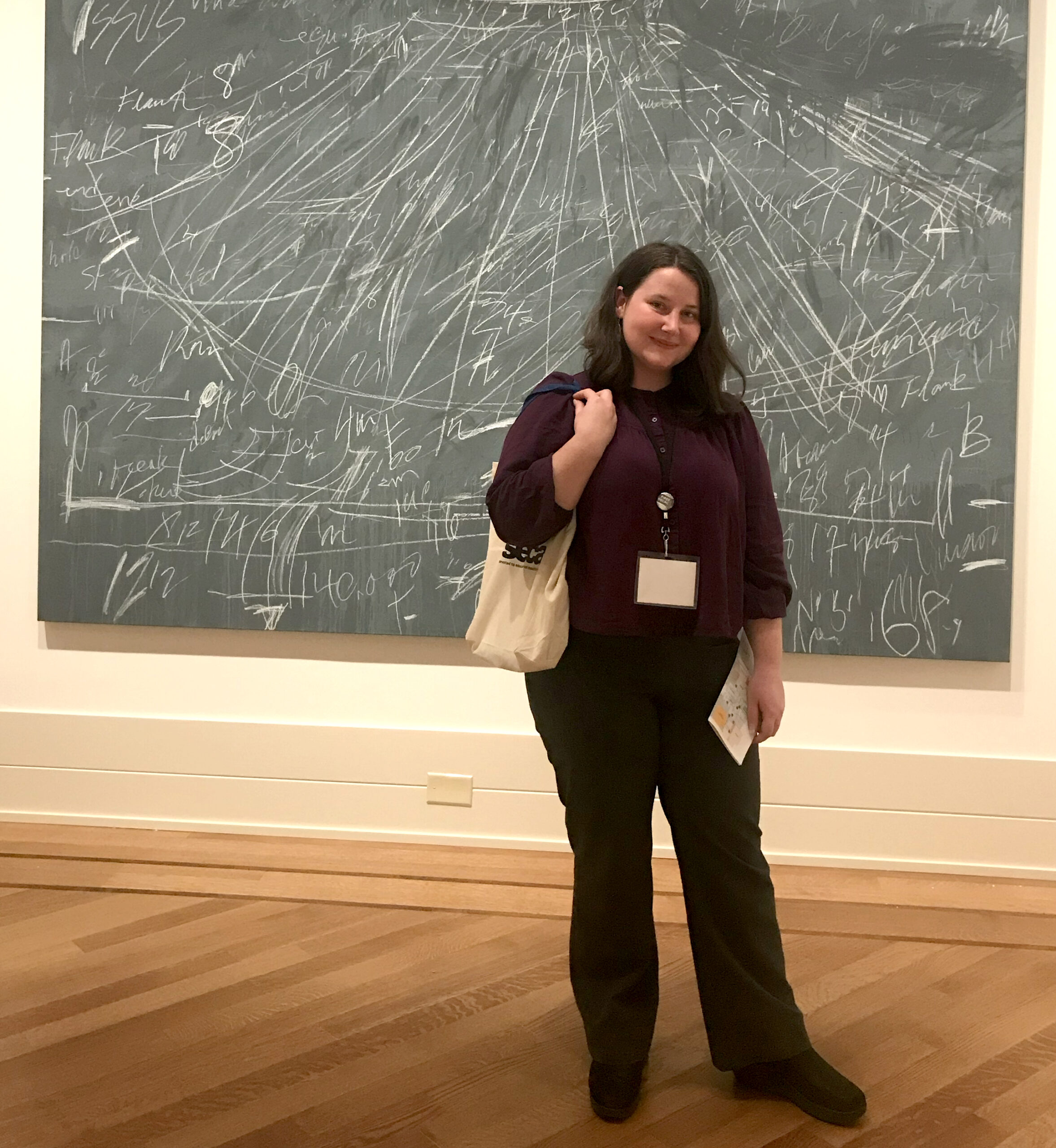
Graduate student Mirel Crumb recently presented her ongoing thesis research at SECAC 2023. SECAC is an academic conference that brings together art historians, art educators, museum professionals, and artists. This year’s conference had the theme of Crossroads and was held… Read More
Mitchell 159
You are invited on Wednesday, November 15 from 11:30am to 12:30pm for an Art History meet and greet in Mitchell Hall 159!
Dear Friends of Art History and Auditors,
Join fellow art lovers and Art History faculty and staff members to learn more about the UWM Art Collection over snacks and coffee. Our Collection and Gallery Director David Pacifico and Academic Curator Leigh Mahlik will be sharing exciting news on recent gifts from our generous donors. We will also discuss plans for the Friends of Art History (FOAH) support group and ways to promote and sustain our programming, including the unveiling of our renewed “Adopt Art” program. If you’re an auditor but not yet an official “Friend,” we would love for you to come and learn more! Information on supporting FOAH is also available here.
Please RSVP by November 13 to arthistory@uwm.edu.
We look forward to seeing you!
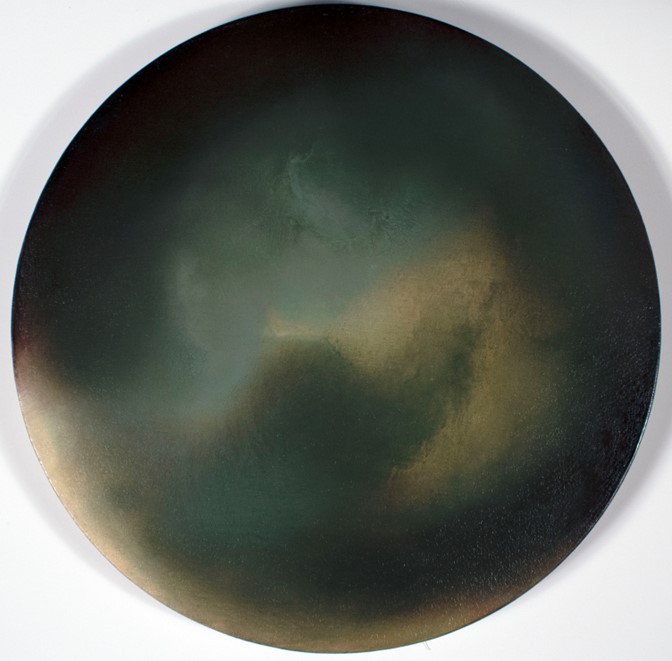
Emma Alburg Beauty’s Mirror is an intriguing but simple piece. Created by Karen Fitzgerald, a Wisconsin born artist, in 1992, this tondo stands out amongst the many other pieces in the Emile H. Mathis Gallery collection. While working as an… Read More
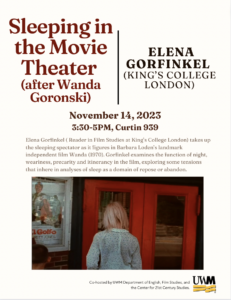
Curtain 939
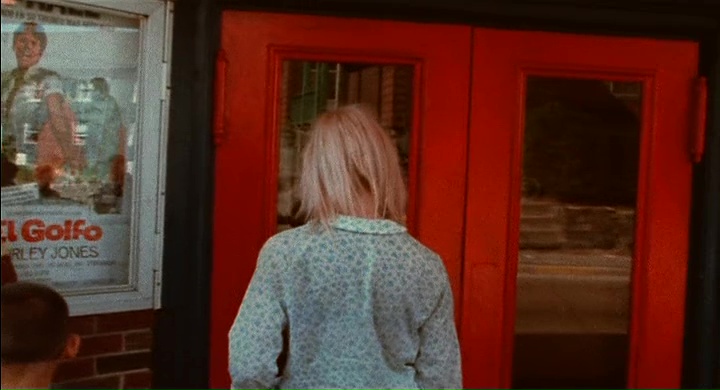
Sleeping in the Movie Theater (After Wanda Goronski)
Navigating recent interest in nocturnal imaginaries and the valence of sleep for understanding cinematic spectatorship, this talk takes up the sleeping spectator as it figures in Barbara Loden’s landmark independent film Wanda (1970) to examine the function of night, weariness, precarity and itinerancy in the film, exploring some tensions that inhere in analyses of sleep as a domain of repose or abandon. Following an essayistic and meandering logic that mimes the perambulations of the titular Wanda Goronski herself, this talk enacts a series of experiments with forms of description, the unraveling of archival aporias drawn from the film’s shooting script and other historical anecdotes, and larger theorisations of cinema as medium of exhaustion. The talk emerges as one product of several years of archival research on Barbara Loden, sketching out a path from one research project (a monograph on Loden’s film Wanda) to another about Barbara Loden as a feminist film historical subject and site of thorny questions about authorship, biography, the unfinished, and feminist film writing.
Bio
Elena Gorfinkel is Reader in Film Studies at King’s College London. Prior to King’s she was Associate Professor of Art History & Film Studies at UW-Milwaukee. Her research interests concern independent, adult, & experimental cinemas and women’s film practices. She is the author of Lewd Looks: American Sexploitation Cinema in the 1960s (Minnesota, 2017), and co-editor of Taking Place: Location & the Moving Image (Minnesota, 2011), and Global Cinema Networks (Rutgers, 2018). Forthcoming in 2024 are two books, Wanda (BFI Film Classics, Bloomsbury), and The Prop, with John David Rhodes (Fordham/ Cutaways series). She is at work on two projects, a book on “cinemas of exhaustion” which was awarded an Andy Warhol Foundation Arts Writers Grant, and a history of Barbara Loden’s creative life and feminist legacies. She is a member of the London Film Critics Circle and her criticism appears in Criterion, Sight & Sound, Artforum, among other venues. More info at: elenagorfinkel.com
More info: https://uwm.edu/c21/event/gorfinkel-lecture-sleeping-in-the-movie-theater/
Flyer:
Because it’s the Halloween season! Created by Professor Sarah Schaefer!
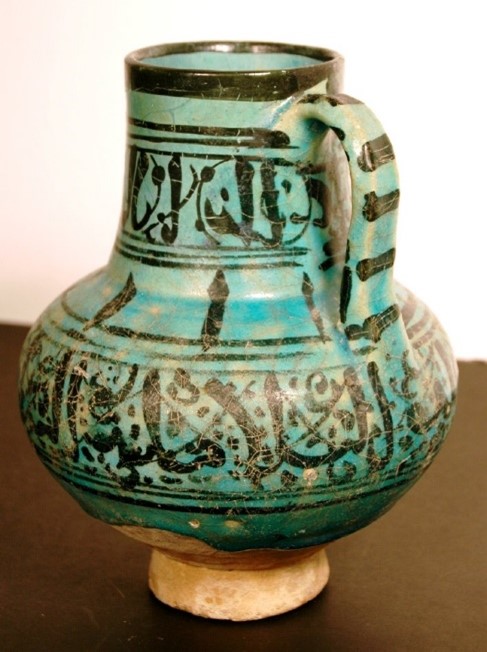
Figure 1. Pitcher. Iran (Garrus), 13th century CE. Ceramic with Glaze. Credit Line: Gift of Mr. And Mrs. Carl Moebius. UWM Art Collection, 1985.086. David Symanzik-Stock Art Expose Spring 2023 Introduction The provenance of objects in museum collections is always… Read More
Presentations this semester:
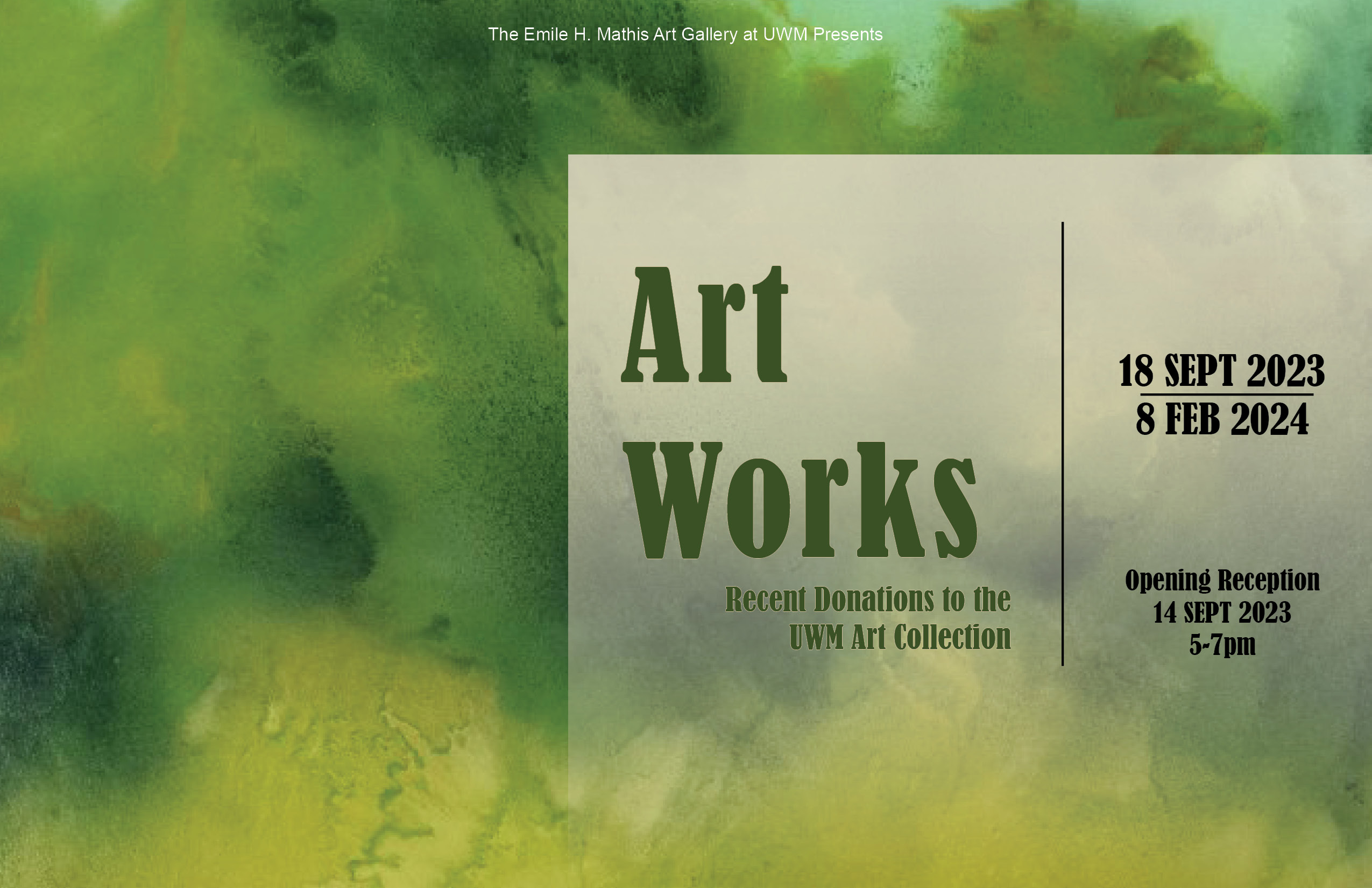
September 18, 2023 through February 8, 2024
Opening Reception: September 14, 2023, 5-7pm
UWM Gallery Night Thursday, September 21st from 4-7pm
Art Works places the spotlight on curation and research practices at the UWM Art Collection and Emile H. Mathis Art Gallery. Drawing from recent donations and featuring objects of research attention, the exhibition emphasizes the gallery’s mission at work.
The UWM Art Collection and Emile H. Mathis Art Gallery are distinct in their accessibility to the public and their support of graduate and undergraduate training. Historically, art museums and collections have been shaped by relatively few people, and have quietly carried on collecting, researching, and displaying works with limited public input. Recently, art institutions and museum scholars have begun to lift the curtain. Art Works continues this new tradition of transparency.
The exhibit features pieces by well-known artists such as Dale Chihuly, Andy Warhol, and Alexander Calder. Lesser-known – but no less significant – artists including Max Arthur Cohn, Karen Fitzgerald, and Carlos Hermosilla Alvarez are also presented. Art Works highlights the key players that make the Mathis Art Gallery a rich resource for all.
Art Works: Recent Donations to the UWM Art Collection was curated by Academic Curator Leigh M.W. Mahlik and features research by former undergraduate and graduate student gallery interns, former gallery teaching assistants, faculty, and gallery staff.
Support for this exhibition is provided by the Friends of Art History, the Max Arthur Cohn Preservation Fund, the Emile H. Mathis Preservation Fund, the Department of Art History, and the College of Letters and Sciences.
Image:
Detail of Karen Fitzgerald, Lambent, 2005, oil on canvas, Gift of Karen Fitzgerald and Kohler Foundation, Inc., UWMAC 2021.006.03
The Emile H. Mathis Art Gallery
University of Wisconsin – Milwaukee
Mitchell Hall 170
3203 N. Downer Ave
Milwaukee, WI 53211
Museum Hours
Mon – Thurs: 10 AM – 4 PM
Fri: CLOSED *
* Visits by appointment only
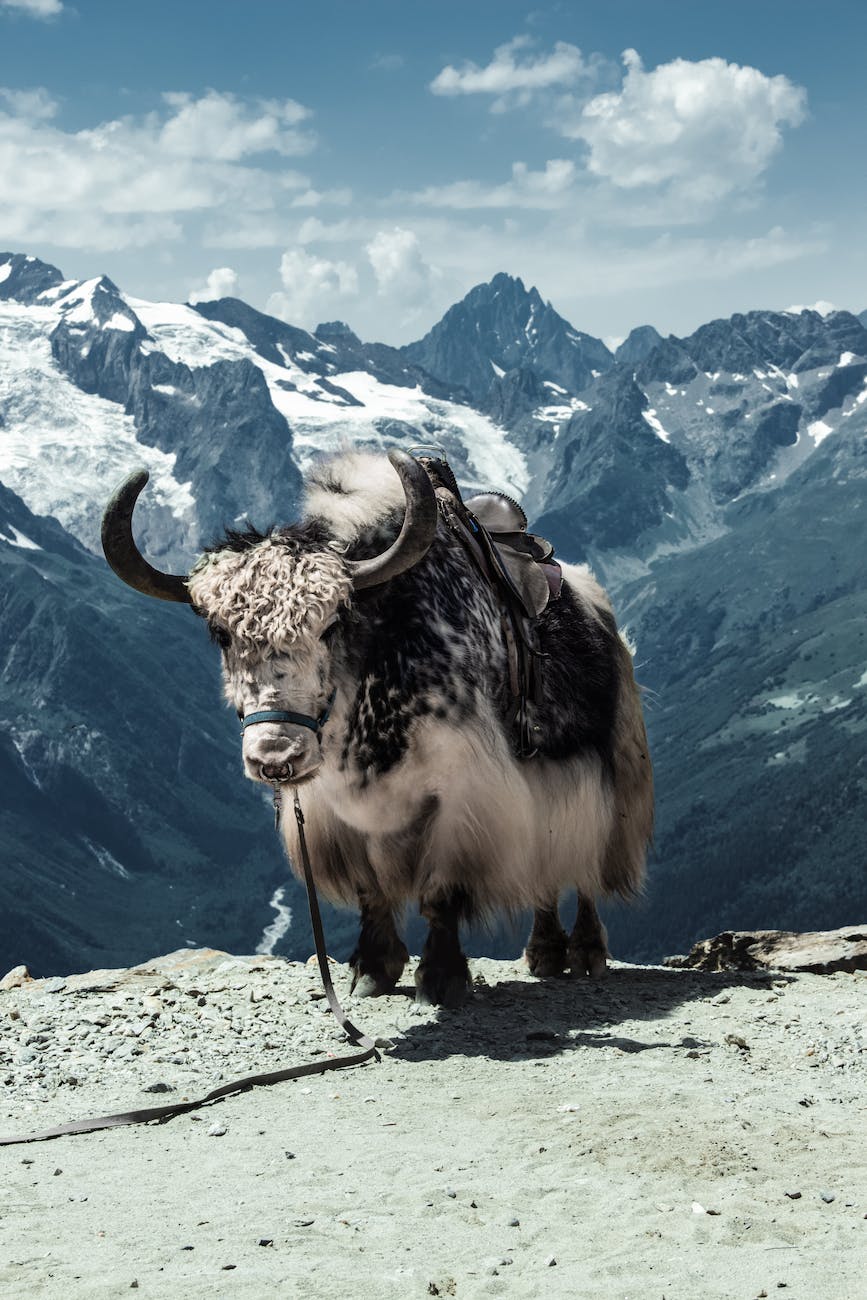
“Dung is vital for survival in the grassland. The most popular material for fuel is yak-dung, mostly for strong, quick cooking. Just like the Tibetan language has fine-grained terminology for the different stages of maturity of these animals, so as… Read More