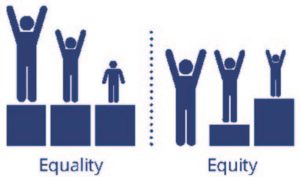
The mission of the Institute for Child and Family Well-Being is to improve the lives of children and families with complex challenges by implementing effective programs, conducting cutting-edge research, engaging communities, and promoting systems change.
The Institute for Child and Family Well-Being is a collaboration between Children’s Wisconsin and the Helen Bader School of Social Welfare at the University of Wisconsin-Milwaukee. The shared values and strengths of this academic-community partnership are reflected in the Institute’s three core service areas: Program Design and Implementation, Research and Evaluation, and Community Engagement and Systems Change.
As Community Engagement and Systems Change are a core pillar of the ICFW, collaboration with our community and systems partners is critical to fulfilling our mission. In recognition of those that value collaboration and whose mission seeks to improve child and family well-being, we have invited those partners to join us as ICFW Affiliates. We are honored to introduce our three newest ICFW Affiliates with whom we look forward to partnering with now and into the future.
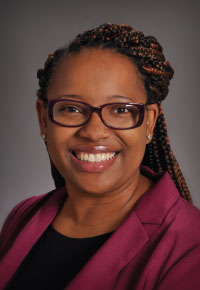
Leah Jepson is the Project Director of the Milwaukee Coalition for Children’s Mental Health (CCMH) at Mental Health America of Wisconsin, an initiative to improve the mental health of children 0 – 8 in the City of Milwaukee through systems change and authentic engagement of people with lived experience. She is also the co-founder and Executive Co-Director at the Next Step Clinic, a community-based collaboration to address disparities in Autism Spectrum Disorder and children’s mental health identification and treatment. Leah has nearly 25 years’ experience as a social worker that includes home visitation, research, community-based program development and implementation, advocacy, and coalition-building. Her current focus is on young children’s mental health and social-emotional development, authentic engagement of those with lived experience, social justice and health equity.
Leah holds a Master’s of Science degree in Social Work and a Bachelor of Arts degree in Psychology, both from the University of Wisconsin-Milwaukee.
Leah has collaborated with ICFW through the Milwaukee Coalition for Children’s Mental Health to align action and values around children’s mental health, bringing in ICFW staff to provide presentations for coalition members. Leah served on an expert panel for the ICFW webinar, Authentic Community Engagement: Made in Milwaukee. Most recently, we collaborated with ICFW through the Next Step Clinic. When the clinic was first opening, Dr. Topitzes joined the team to advise clinic leadership on the manifestations of childhood trauma in the children that are served by the clinic. The ICFW team has also trained Next Step Clinic clinicians in Parent-Child Interaction Therapy through the Trauma and Recovery Project.
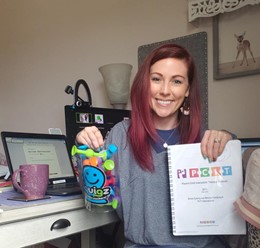
Jennifer Winkler is currently the Family Case Management Well-Being & Family Support Manager at Children’s Wisconsin, where she has worked for the last 12 years in various direct practice and leadership positions within the agency. Throughout her career, Jennifer has demonstrated passion around staff and program development, continuous quality improvement efforts, and building an organizational culture that is rich in innovation.
Jennifer received a Bachelor of Arts degree from Carthage College in 2006, with a major in Social Work, and a Master’s of Social Work from the University of Wisconsin-Madison in 2007, with a specialization in child and family welfare.
The ICFW team has worked collaboratively with Jen to conduct a human-centered design process that led to the adaptation and implementation of Mobility Mentoring® (MM) into Milwaukee’s Family Support Program. Jen has continued to collaborate with the ICFW to engage and interview her staff and the families that they serve to evaluate the effectiveness of and opportunities to improve MM. Additionally, Jen has co-presented with ICFW at regional and national conferences, and advocated for MM and strategic adaptation which has inspired other Children’s programs to begin implementation of the model.
Program Design & Implementation
The Institute develops, implements and disseminates validated prevention and intervention strategies that are accessible in real-world settings.
A virtual game-based, social skills group recently completed its first prototype iteration. The group planned to improve social and emotional skills such as social communication, cooperation, problem solving, and self-control. For 6 weeks, children ranging from 6.5 to 13 years old gathered on Zoom with a Mental Health Consultant for a brief didactic lesson on a specific social skill, and then the group played the video game Minecraft® to practice and develop the skill.
There was initially a group of 9, with 8 finishing the group. A few participants missed 2 groups meetings in the middle weeks. Although technical problems were frustrating to the facilitator and the participants in the beginning, the participants did not note this as a barrier on a post-group survey. Weekly email touch points with caregivers were provided by the facilitator and the use of the Manatee app was expected, however, low enrollment in the app and lack of engagement with this app by parents and staff found this not to be a useful tool in tracking progress. Of those who responded to a feedback request, all (children and parents alike) agreed the group was a useful way to spend their time and felt the group helped them improve their social skills. One child respondent and the facilitator shared they hope the group can run longer each week in the future. In fact, as the weeks went by, the children often preferred to continue interacting with each other in the game world after group time had ended. Some lessons learned garnered through the use of an After Action Review completed by staff suggested that a mixed level of familiarity with Minecraft® actually facilitated more opportunities to practice adaptive social skills and strongly indicated the need for a facilitator workflow to be documented so another facilitator could recreate or step in, if necessary. Also suggested by staff was splitting the age groups up, although the children respondents did not mention this.
In future iterations, ICFW will continue to work on supply chain issues brought on by COVID-19 to make a standardized pre and post assessment a part of the intake and discharge process in order to gather data on efficacy, likely implement a 90 minute group instead of 60 minutes, have a written workflow for the facilitator, and expand the referral opportunity to all children in the state.
For more context, see the original briefing in the Spring 2021 newsletter. If you are interested in referring a child to a future group, please email mchristian@chw.org.
Utilizing Technology for Continued Evidence-Based Clinical Training By Kate C. Bennett, LCSW
With support from the Trauma & Recovery Project, a 5-year SAMHSA-funded initiative that aims to increase the availability and accessibility of trauma-responsive treatments in southeastern Wisconsin, the ICFW has continued to collaborating with partner agencies to disseminate Parent-Child Interaction Therapy (PCIT) to families Milwaukee, Racine, and surrounding southeastern Wisconsin counties.
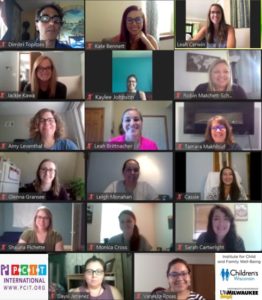
This summer, PCIT International certified trainers from Children’s Wisconsin/ICFW and Washington County Health and Human Services facilitated the second annual virtual Wisconsin Regional PCIT Initial Therapist Training for 9 newly trained clinicians. Each clinician participated in 40 total hours of didactic evidence-based workshops over Zoom videoconferencing during learning sessions held in May and July 2021. All trained clinicians will be providing the evidence-based intervention to families under consultation with our trainers through May 2022.
Please help us in welcoming each clinician to our Wisconsin Regional PCIT community!
The Institute accelerates the process of translating knowledge into direct practices, programs and policies that promote health and well-being, and provides analytic, data management and grant-writing support.
A Brief Measure of Work Environment for Human Service Organizations
The Measure of Work Environment (MWE) is a new, brief instrument developed to assess work environment in human service agencies. The MWE demonstrated good internal consistency when tested with staff from child welfare and home visiting agencies. With an administration time of less than five minutes, the MWE offers applied researchers and evaluators an efficient method to assess and compare organizational functioning. It may also provide program administrators insight into specific areas of improvement.
The Institute provides training, consultation and technical assistance to help human service agencies implement and replicate best practices. If you are interested in training or technical assistance, please complete our speaker request form.
Jennifer Winkler is currently the Family Case Management Well-Being & Family Support Manager at Children’s Wisconsin, where she has worked for the last 12 years in various direct practice and leadership positions within the agency. Throughout her career, Jennifer has demonstrated passion around staff and program development, continuous quality improvement efforts, and building an organizational culture that is rich in innovation.
Jennifer received a Bachelor of Arts degree from Carthage College in 2006, with a major in Social Work, and a Master’s of Social Work from the University of Wisconsin-Madison in 2007, with a specialization in child and family welfare.
ICFW Affiliate Mental Health America Milwaukee Coalition for Children’s Mental Health
Leah Jepson is the Project Director of the Milwaukee Coalition for Children’s Mental Health (CCMH) at Mental Health America of Wisconsin, an initiative to improve the mental health of children 0 – 8 in the City of Milwaukee through systems change and authentic engagement of people with lived experience. She is also the co-founder and Executive Co-Director at the Next Step Clinic, a community-based collaboration to address disparities in Autism Spectrum Disorder and children’s mental health identification and treatment. Leah has nearly 25 years’ experience as a social worker that includes home visitation, research, community-based program development and implementation, advocacy, and coalition-building. Her current focus is on young children’s mental health and social-emotional development, authentic engagement of those with lived experience, social justice and health equity.
Leah holds a Master’s of Science degree in Social Work and a Bachelor of Arts degree in Psychology, both from the University of Wisconsin-Milwaukee.
Janczewski, C. E., Mersky, J. P., & Plummer Lee, C. (2021). A brief measure of workplace environment for health and human service professionals. Human Service Organizations: Management, Leadership & Governance.
Abstract
Organizational characteristics are important predictors of workplace outcomes, but the length and complexity of validated instruments restrict their use in research and practice. This study tested a brief Measure of Work Environment (MWE) using data from 718 child welfare and 349 home visiting professionals. Results confirmed a three-factor structure: group cohesion, leadership support, and organizational justice. The MWE demonstrated acceptable internal consistency (α = .87) and was significantly associated with job satisfaction, burnout, and intent to leave. The MWE is a promising, pragmatic measure of organizational environment for implementation research and program improvement.
The mission of the Institute for Child and Family Well-Being is to improve the lives of children and families with complex challenges by implementing effective programs, conducting cutting-edge research, engaging communities, and promoting systems change.
The Institute for Child and Family Well-Being is a collaboration between Children’s Wisconsin and the Helen Bader School of Social Welfare at the University of Wisconsin-Milwaukee. The shared values and strengths of this academic-community partnership are reflected in the Institute’s three core service areas: Program Design and Implementation, Research and Evaluation, and Community Engagement and Systems Change.
This newsletter marks the fifth anniversary of the Institute for Child and Family Well-being. As we reflect on the past five years, we are humbled by the opportunities we have had to join many others who are dedicated to strengthening families and nurturing children. Our community-university partnership emerged from a shared commitment to promoting the well-being of all children and families and to addressing barriers that result in unequal access to the best available care. We do so by translating the science of what works into prevention and intervention strategies that are effective in the real world. Central to this process is the relationships that are present in communities, organizations, and systems with whom we work with to integrate effective, culturally responsive, and sustainable solutions. The list of agencies and stakeholders who deserve our gratitude is too long to acknowledge here, but we invite you to check out our project pages where you will find many of our key partners.
As we look to the future, our aim is to strengthen these alliances and forge new community connections that are necessary to disseminate effective strategies and produce lasting systems change. In that spirit, we will be organizing a series of events over the next year to support the exchanging of information, building relationships, and translating knowledge into action. We hosted our first event in April to highlight our Program Design and Implementation efforts with group-based, telehealth therapy. To learn more about upcoming events, follow us on social media, visit our website, and subscribe to our newsletter.
We hope that you will join us!
Meet the ICFW Affiliates
As Community Engagement and Systems Change are a core pillar of the ICFW, collaboration with our community and systems partners is critical to fulfilling our mission. In recognition of those that value collaboration and whose mission seeks to improve child and family well-being, we have invited those partners to join us as ICFW Affiliates. We are honored to introduce our three newest ICFW Affiliates with whom we look forward to partnering with now and into the future.
ICFW leaders have collaborated with Dr. Julian Ford, an international leader in traumatic stress studies, on several occasions. First, Dr. Ford served as an expert consultant during initial implementation of the trauma screening, brief intervention, and referral to treatment (T-SBIRT) protocol. Subsequently, he co-authored the initial T-SBIRT feasibility study that Dr. Topitzes published in 2017 along with Dr. Mersky (Topitzes et al., 2017). Second, Dr. Ford presented his trauma counseling model for youth, TARGET, in a symposium led by Dr. Mersky at the Society for Social Work and Research 2018 annual conference. Dedicated to exploring new frontiers in trauma research, the symposium included presentations delivered by Drs. Mersky and Topitzes. Future collaborations might center on the continued development of the T-SBIRT and TARGET models.
Mr. Clarence Johnson is currently serving as the Executive Director of Wisconsin Community Services. The mission of WCS is to advocate for justice and community safety, providing innovative opportunities for individuals to overcome adversity. Mr. Johnson was instrumental in leading the effort that resulted in the WCS Center for Driver’s License Recovery being named as one of Mutual of America’s three national 2019 Community Partnership Award winners. Clarence also brought Community Building Milwaukee to WCS, which involves numerous agencies, institutions and organizations across the Milwaukee community serving, youth and adults.
Mr. Johnson believes the key ingredients to effective and successful leadership include holding yourself accountable to the highest standards of performance and empowering and supporting others to reach for their highest level of effectiveness. As one of the most experienced African American nonprofit leaders in the Milwaukee area, he has helped shape the future of several nonprofit organizations in the Milwaukee Community and is held in high regard in many circles. During his long and distinguished career, Mr. Johnson has served on over 20 nonprofit boards and remains an active member of the Milwaukee area community. He was recently elected to the board of directors of the Wisconsin Association of Family and Children’s agencies and also serves as a board member for NAMI Southeast Wisconsin.
Mr. Johnson is a lifelong resident of city of Milwaukee and earned both his undergraduate and graduate degree from the University of Wisconsin-Milwaukee. He has worked on several research projects during his career and began a program to reduce the incidence of obesity and chronic disease among central youth. Working for over 35 years in Social Services, Mr. Johnson has served as Executive Director of Neighborhood House of Milwaukee, Chief Operating Officer for YW Works, and as a high level manager for Milwaukee County Department of Health and Social Services.
ICFW leaders have worked directly with Mr. Johnson in several capacities. Dr. Topitzes, for instance, serves on the WCS board of directors and on several project-based work groups overseen by WCS and Mr. Johnson, including the Community Building Milwaukee Steering Committee.
Christina Warner-Metzger, Ph.D., hails from Oklahoma State University with a doctorate in Clinical Psychology. True to her organization’s motto of Doing good and doing it wellTM, Dr. Warner-Metzger founded Evidence-based Practices and International Consulting (EPIC), LLC, to promote increased accessibility and excellence in professional training, consultation, and program development within the mental health and wellness sector. With a focus on training culturally humble and socially responsible professionals, she also directs the Parent-Child Interaction Therapy (PCIT) Program and Early Assessment and Recommendations for Learning in Young Children (EARLY) Clinic at DePaul University’s Family and Community Services. She is 1 of 21 PCIT International Certified Global Trainers worldwide and a Child-Adult Relationship Enhancement (CARE) co-developer, which provides her with clinical expertise in PCIT and CARE training and dissemination. Dr. Warner-Metzger is also the co-developer of a project piloting Trauma-Directed Interaction (TDI) with young children. She has served as a trainer and consultant for dissemination efforts across the United States, as well as Indonesia and Australia. Her contributions as an expert trainer and consultant on institutional, regional, federal, and international grant-funded projects has spanned the greater part of the past decade.
She is also experienced using the National Child Traumatic Stress Network (NCTSN) Learning Collaborative model. Dr. Warner-Metzger’s clinical and research interests include Autism Spectrum Disorders (ASD), developmental disabilities, disruptive behavior disorders, trauma-informed systems, underserved populations, barriers to treatment participation, and dissemination efforts. She has contributed to these topics through numerous peer-reviewed and invited presentations at national and international conferences, as well as authored peer-reviewed journal articles, government publications, and edited book chapters. Her previous clinical work in Memphis and current work in Chicago has focused on serving urban populations experiencing economic and racial marginalization.
ICFW leaders and clinicians, Dimitri Topitzes, Kate Bennett, and Leah Cerwin have worked closely with Dr. Warner-Metzger in their continuing development as certified PCIT International Within-Agency and Regional Trainers as part of the Trauma & Recovery Project. Dr. Warner-Metzger has also co-facilitated PCIT Therapist Trainings with our team in Milwaukee and as part of a statewide dissemination project in Utah.
ICFW Recognition
Congratulations to Ross Gilbert on matching for his residency in Internal Medicine and Pediatrics at Johns Hopkins Medicine-Pediatrics Urban Health Residency Program in Baltimore, Maryland. Ross has worked with the ICFW as a fellow through the TRIUMPH program while completing medical school at UW-Madison.
Congratulations to Mary Kusch on her acceptance to the Wisconsin Population Health Service Fellowship Program. She will be placed with the Wisconsin Division of Public Health, Bureau of Environmental and Occupational Health. Mary has worked with the ICFW as a research assistant while completing her master’s degree at the UWM Zilber School of Public Health.
Program Design & Implementation
The Institute develops, implements and disseminates validated prevention and intervention strategies that are accessible in real-world settings.
The Institute for Child and Family Well-Being consulted with Children’s Wisconsin professionals across the state to develop Community Services’ COVID Resilience Plan. During this process, a collaboration between Black River Falls Family Support Prevention Program and the ICFW resulted in a virtual, game-based social skill building group opening up to children statewide. This program is designed to help youth acquire social and communication skills to help them interact with others more successfully.
Minecraft® and the work of Australian psychologist Raelene Dundon are used by a Family Support Specialist in secure video teleconferencing software currently in a 1:1 format. This will be the first iteration of using groups and inviting children from all over Wisconsin. The program will target the improvement of social and emotional skills such as social communication, cooperation, problem solving, and self-control. Weekly touch points with caregivers and the use of the Manatee app will help monitor goals and foster communication between the provider and caregivers. Our Before Action Review was used to help create workflows, determine how to collect data and set goals. An After Action Review will be used to log design learning, propose improvements and assess for possible scalability. In future iterations, data will be gathered on executive functioning pre and post completion to examine possible correlations between participation in group and improved functioning.
If you would like more information on referring a child, please email mchristian@chw.org.
Parenting with P.R.I.D.E. and Web-based Assessments
By Kate Bennett
As the ICFW clinical team continues to work toward improved iterations of group-based intervention modifications, we are reminded that successful program design and implementation relies on collecting and analyzing quality data. While data is critical for program analysis, it is also one of the cornerstones of Parent-Child Interaction Therapy (PCIT) treatment and the multifamily Parenting with P.R.I.D.E. intervention.
The screening and assessment tools typically applied in PCIT are accessible for use at Children’s Wisconsin and include the following:
Parenting Stress Index, Fourth Edition: Short Form (PSI‑4: SF; Abidin, 2012).
Because the ongoing administration and analysis of each of these assessments results are critical to individual patient/family treatment and the overall program evaluation, our clinicians have been piloting the use of web-based assessment forms. Our purpose in moving to electronic administration and scoring is to enhance convenience for both clinicians and families as we continue forward with telehealth delivery of Parenting with P.R.I.D.E. and other trauma-based treatment groups. For example, web-based administration of the ECBI through Psychological Assessment Resources allows a parent/caregiver to report on child behavioral observations on a weekly basis from their phone or laptop throughout the duration of treatment. Form completion takes approximately 5 minutes for a respondent and is entered within 24 hours prior to the family checking into a therapy session. The assigned clinician receives the assessment results in real-time. This allows for more focused time in treatment, and additionally contributes to the fidelity of goal-directed services for families.
Our intention is to continue to pilot the use of web-based screening and assessment tools for ease of caregiver completion, immediate scoring, and automatic skill progress tracking throughout treatment for PCIT and other evidence-based treatments. We look forward to sharing our findings and feedback from families in coming newsletters and reports.
References:
Abidin, R. R. (2012). Parenting stress index–fourth edition (PSI-4). Lutz, FL: Psychological Assessment Resources.
Achenbach, T.M., & Rescorla, L.A. (2001). Manual for the ASEBA School-Age Forms & Profiles. Burlington, VT: University of Vermont, Research Center for Children, Youth, & Families.
Eyberg, S., & Pincus, D. (1999). Eyberg child behavior inventory & Sutter-Eyberg student behavior inventory-revised: Professional manual. Psychological Assessment Resources.
Eyberg, S. M., Nelson, M. M., Ginn, N. C., Bhuiyan, N., & Boggs, S. R. (2013). Dyadic parent–child interaction coding system, 4th edition (DPICS-IV) comprehensive manual for research and training. Gainesville, FL: PCIT International.
The Institute accelerates the process of translating knowledge into direct practices, programs and policies that promote health and well-being, and provides analytic, data management and grant-writing support.
Leaders at the Institute for Child and Family Well-Being at UWM are collaborating with the Wisconsin Department of Workforce Development, Division of Vocational Rehabilitation (DVR) to develop, implement and test a consumer quality improvement plan at the Milwaukee central city location. This initiative builds on an extensive consumer service review that DVR conducted in 2019. Stakeholder interviews revealed that Milwaukee-area DVR consumers, the majority of whom are Black Americans, face multiple barriers to effective service engagement and completion. These include extreme poverty resulting from structural racism, significant distress due to current and historical trauma, and poor service access owing to organizational policies and procedures. Titled the Milwaukee Equity Action Plan, the consumer quality improvement plan aims to enhance the culturally responsive and trauma-informed nature of DVR consumer services.
Members of the Institute’s team for the Milwaukee Equity Action Plan project will help translate insights from the field and results from DVR’s consumer service review into a viable quality improvement plan. The Institute team will also develop and execute an evaluation plan to help DVR gauge progress toward consumer service goals and adjust the quality improvement plan as needed. In addition, the team will help DVR develop a sustainable, high quality consumer service model that reflects its values.
The Institute develops community-university partnerships to promote systems change that increases the accessibility of evidence-based and evidence-informed practices.
Seeking Solutions for Youth Aging Out of Foster Care
In November 2020, Children’s Wisconsin’s and collaborating partners, Wisconsin Department of Children and Families and Bay Area Workforce Development Board, began working on a planning grant to facilitate a community assessment to determine the causes of poor outcomes for youth between the ages of 18-24 who are aging out of foster care and to propose targeted solutions. The assessment surveyed the region’s strengths, resources, needs and gaps as they relate to the population of youth transitioning to adulthood in Northeastern Wisconsin.
Through these collective efforts, the long-term goal is to provide a pathway to independence by strengthening youths’ resiliency and equipping them with the knowledge and skills necessary to become self-sufficient, build a strong support network, achieve educational and/or job training goals to earn a living wage, and maintain safe and stable housing.
Over four months, insights were gathered from leaders, staff and administrators working within the region’s Independent Living systems, as well as from youth and young adults who have received services through those systems. We used a human-centered design approach in the development of the assessment. A core planning team consisting of representatives from the following organizations and groups developed the assessment:
Wisconsin Department of Children and Families – Independent Living Program
Bay Area Workforce Development Board – Region II Independent Living Service Providers
Youth Advisory Council – Youth who have been involved with child welfare systems
Data were collected through surveys, focus groups and literature review.
Surveys
Between the youth/young adult and provider surveys, there were areas of strong consensus and divergence in the responses noted in Table 1. Consensus occurred when youth and provider responses had strong consensus within and across groups. Divergence occurred when strong consensus was present in one of the surveyed groups but not the other.
Table 1:
Focus Groups Focus Groups were conducted over 90 minutes on Zoom due to COVID-19 safety and health requirements. Participants were asked a series of questions and were provided between 1-3 minutes to individually reply in the Chat box. Upon completing individual brainstorming, the facilitators identified themes and asked participants to elaborate on those themes and ideas. Between the youth/young adult and provider focus groups, there were areas of strong consensus and divergence noted in Table 2.
Table 2:
Lessons Learned: The Importance of Mental Health and Supportive Relationships
During our assessment, we came back to a number of key questions for youth and providers in response to the prioritization of mental health. Do youth today have more mental health needs, or are we just more aware of those needs? Are housing and financial stability less important to youth today, or do youth prioritize them lower than mental health in recognition that they are much more difficult to obtain and maintain when they are struggling with mental health issues?
While elaborating on why mental health is a bigger concern than it may have been in the past, one of our youth team members said that managing overwhelming feelings and stress is harder to manage than the initial cause of the stress (i.e. relationship or financial issues). She expressed that there might be a generation gap as it was not previously “acceptable” to talk about mental health.
Throughout this assessment, we have heard how having a trusted, supportive person to talk to, even if they aren’t a mental health professional, can be beneficial in strengthening youth’s executive functioning (i.e. enhancing coping and organizational skills). Ultimately, we see potential for meaningful impact by training service providers in trauma, mental health and strengths-based engagement so that they may support youth’s mental well-being and executive functioning, while not expecting them to serve as mental health professionals for youth.
During the final phase of this planning grant, we will develop and identify solutions that align with the lessons learned from the regional assessment. Our final analysis and proposed solutions will be delivered to the regional funder, Oshkosh Area Community Foundation, and the grant partners for future funding and implementation consideration.
Children’s Mental Health in Times of COVID: Interviews with ICFW Clinicians
By ICFW Interns – Paige Bintz, Kelah Hatcher, and Johanna Nelson (photos in order)
While the ICFW clinicians were adapting their therapy to virtual platforms in response to the COVID crisis, the need for Parent-Child Interaction Therapy (PCIT) was growing. From the end of in-person visits until the start of virtual therapy in May, a significant waitlist had developed. The stress related to COVID-19 seemed to have created and exacerbated mental health issues for children and their families.
Early on in virtual therapy, clinicians noticed an increase in externalizing behaviors for both caregivers and children. Irritability, animosity, and jealousy towards siblings were some of the commonly reported behaviors that clinicians saw in response to children adjusting to COVID-19. Family relationships also were impacted due to increased time spent together while kids were doing school virtually and caregivers worked from home or had lost their jobs. Consequently, caregivers reported more conflicts with their children and between siblings.
Several months into the pandemic, the clinicians began hearing caregivers attributing their children’s challenges directly to the impact of COVID-19. Our clinicians noted an increase in internalizing behavior such as fatigue, anxiety, and depression in children. Symptoms of social anxiety or anxiety around getting sick were also reported more often than previously.
The effect of the pandemic on children’s school experience has varied based on numerous factors. Younger children have struggled more with remaining attentive during virtual learning, while older children have suffered from the lack of social interaction with their peers. For families with multiple children, a lack of consistency between virtual and in-person learning for different age groups has also presented a challenge. However, children are more resilient than we often realize, and the support provided by their families and teachers can make a big difference.
Children of all ages had to adjust to virtual learning and then back to hybrid or fully in-person learning. Virtual learning is unfortunately less cooperative, and older students have shared that they have been stressed by an increase in assignments. More students than usual are “behind”, and while eager to see their friends and teachers, they may not want to return to in-person school if it’s not the same as before. It’s difficult to predict if there will be a long-term impact on social skills, especially for younger children, but so far there is no indication of that. Conversely, a lack of closure for older students, especially seniors, has been disappointing, but again their experience was often dependent on how their school supported them.
The clinicians are noticing that the grief process has been intense for children and families who have experienced loss (i.e. death of a family member, employment, normalcy with school, social life, etc.). They are having to identify loss and know what it looks like, which can be difficult without social interaction. Without social situations due to the pandemic, children are having a harder time developing empathy and different point of views which is strengthened through interaction. Children are being siloed into basic emotional words but grief is a continuous cycle that is more complex than “sad” or “mad”. Caregivers can have difficulty with this too. With a noticeable increase in parental stress, there may be “shorter fuses”. Caregivers are going into survival mode, trying to keep their children safe from disease as well as maintain the mental and economic well-being of their family. Clinicians are noticing that parental response to children’s grief along with their own is key to process the past year and build emotional awareness.
All of this stress and grief seems to have reached an equilibrium due to telehealth, according to the clinicians. Mental health services have become more accessible with the push to virtual formats. Clients do not need to worry about childcare, transportation, or other barriers when seeing their care provider from the comfort of their own home. Families are more willing to reach out for help online. Because of this, clinicians push for more agency leaders, insurance companies, and other services to keep telehealth options and increase accessibility for families in need post pandemic. This way caregivers can focus on the relationships they build with their children, managing emotions and behaviors, responding to uncertainty, and building resilience.
The ICFW Clinicians’ Tips to Building Resilience:
Acknowledge the gravity and complexity of this past year
Encouraging emotional labeling with children is key to helping them understand what the pandemic is and how it has impacted them. Then focus on validation. Let the children know that this has an impact on everyone and they are not alone.
Set up a conversation on boundaries and needs
Come together as a family and determine what boundaries need to be implemented in order to maintain emotional and physical well-being. Saying “no” can be difficult, but caregivers should emphasize self-care and what is best for the family. An example of a boundary could include electronic use because of the increased need for virtual access during the pandemic. Now may be a good time to develop a plan to return to basics or having conversations about healthy electronic use with children.
Be mindful in reintroducing social situations
At this point of the pandemic, people are exhausted and social interaction can be overwhelming. To minimize the stress of this, set up a hierarchy of social stimulation and work your way upwards with the child. For example, this means starting with a walk around the block and working your way up to sitting in a classroom surrounded by other children. Overall, be proactive about creating a safe place and work in short bursts to make the transition smoother.
Build a sense of routine
Caregivers should be mindful of preparing children for possible unknowns, but having a daily routine is key to dealing with tough situations like a pandemic. Caregivers could plan out the day and create visual charts, that way the children can tangibly see and check off accomplishments during the day. Make sure to praise for any adaptation that the child is going through and say that you are proud they are dealing with difficulty. Also, building the routine may be a great opportunity to set new and healthier habits that get back to family time.
Recent and Upcoming Events
The Institute provides training, consultation and technical assistance to help human service agencies implement and replicate best practices. If you are interested in training or technical assistance, please complete our speaker request form.
ICFW 5th Anniversary – May 2021
Schedule of events to celebrate our anniversary year and highlight our efforts to achieve our mission will be announced soon on our website and social media.
Together for Children Conference: Vicarious Trauma: Honoring the Weight of our Work – Meghan Christian and Luke Waldo
Together for Children Conference: Asking Sensitive Questions: Effectively Assessing for Exposure to Trauma and Adversity – Kate Bennett and Dimitri Topitzes
ICFW Affiliate PCIT International Certified Global Trainer Child-Adult Relationship Enhancement (CARE), Co-Developer Evidence-based Practices & International Consulting (EPIC), LLC
Christina Warner-Metzger, Ph.D., hails from Oklahoma State University with a doctorate in Clinical Psychology. True to her organization’s motto of Doing good and doing it wellTM, Dr. Warner-Metzger founded Evidence-based Practices and International Consulting (EPIC), LLC, to promote increased accessibility and excellence in professional training, consultation, and program development within the mental health and wellness sector. With a focus on training culturally humble and socially responsible professionals, she also directs the Parent-Child Interaction Therapy (PCIT) Program and Early Assessment and Recommendations for Learning in Young Children (EARLY) Clinic at DePaul University’s Family and Community Services. She is 1 of 21 PCIT International Certified Global Trainers worldwide and a Child-Adult Relationship Enhancement (CARE) co-developer, which provides her with clinical expertise in PCIT and CARE training and dissemination. Dr. Warner-Metzger is also the co-developer of a project piloting Trauma-Directed Interaction (TDI) with young children. She has served as a trainer and consultant for dissemination efforts across the United States, as well as Indonesia and Australia. Her contributions as an expert trainer and consultant on institutional, regional, federal, and international grant-funded projects has spanned the greater part of the past decade.
She is also experienced using the National Child Traumatic Stress Network (NCTSN) Learning Collaborative model. Dr. Warner-Metzger’s clinical and research interests include Autism Spectrum Disorders (ASD), developmental disabilities, disruptive behavior disorders, trauma-informed systems, underserved populations, barriers to treatment participation, and dissemination efforts. She has contributed to these topics through numerous peer-reviewed and invited presentations at national and international conferences, as well as authored peer-reviewed journal articles, government publications, and edited book chapters. Her previous clinical work in Memphis and current work in Chicago has focused on serving urban populations experiencing economic and racial marginalization.
ICFW Affiliate Executive Director, Wisconsin Community Services
Fueled by a lifelong commitment to leadership excellence in Human Services, Clarence Johnson has held many high-level positions since beginning his career decades ago. Clarence believes the key ingredients to effective and successful leadership include holding yourself accountable to the highest standards of performance and empowering and supporting others to reach for their highest level of effectiveness. As one of the most experienced African American nonprofit leaders in the Milwaukee area, Clarence has helped to shape the future of several nonprofit organizations in the Milwaukee Community and is held in high regard in many circles. During his long and distinguished career, Clarence has also served on over 20 nonprofit boards and remains an active member of the Milwaukee area community. Clarence was recently elected to the board of directors of the Wisconsin Association of Family and Children’s agencies and is also serving as a board member for NAMI Southeast Wisconsin.
Mr. Clarence Johnson is currently serving as the Executive Director of Wisconsin Community Services, a position he has held since January of 2017. Established in 1912, Wisconsin Community Services, Inc. (WCS) is a non-profit organization respected throughout the Milwaukee region and state of Wisconsin for its steadfast commitment to bettering the lives of individuals involved in, or at risk of becoming involved in, the criminal justice system. WCS provides services to more than 15,000 individuals each year through 40+ programs in southeastern Wisconsin. The mission of WCS is to advocate for justice and community safety, providing innovative opportunities for individuals to overcome adversity. Since assuming top leadership role at WCS, Clarence has led the organization to a 62% increase in revenue (from 24 million to 40 million dollars), and significantly expanded the number of programs offered by the agency. Johnson was also instrumental in leading the effort that which resulted in the WCS Center for Driver’s License Recovery being named as one of Mutual of America’s three national 2019 Community Partnership Award winners. A national award that honors the outstanding contributions that nonprofit organizations, in partnership with public, private, and other social sector organizations, make to society.
Johnson joined Wisconsin Community Services in 2010 as the Associate Executive Director. In addition to providing high-level leadership, Johnson was then responsible for various programs and divisions, which helped to expand the work of WCS, and cultivate partnerships with community organizations and stakeholders. Clarence also brought Community Building Milwaukee to WCS, which involves numerous agencies, institutions and organizations across the Milwaukee community serving, youth and adults. Johnson is a lifelong resident of city of Milwaukee and earned both his undergraduate and graduate degree from the University of Wisconsin-Milwaukee. Has worked on several research projects during his career and began a program to reduce the incidence of obesity and chronic disease among central youth. A program that is now offered city-wide. Working for over 35 years in Social Services, Johnson has extensive experience working in and leading nonprofit, government, and human/social services agencies in the Milwaukee area. Prior to his time at WCS, he served as Executive Director of Neighborhood House of Milwaukee, Chief Operating Officer for YW Works (then subsidiary of the YWCA), and spent several years as a high level manager for Milwaukee County Department of Health and Social Services.
In partnership with the Wisconsin Department of Workforce Development, Division of Vocational Rehabilitation (DVR), ICFW will work to develop, implement and test a consumer quality improvement plan at the Milwaukee central city location. This initiative builds on an extensive consumer service review that DVR conducted in 2019. Stakeholder interviews...
The Institute for Child and Family Well-Being was proud to host the webinar “Parenting with PRIDE – Designing Group-based, Telehealth Solutions with PCIT in Times of COVID” with Haley Challoner Miller, Child and Family Therapist II, and Kate Bennett, Well-Being Lead Clinician, on April 14, 2021 from 12:30-1:30PM CST.
One of the most profound and noticeable effects of the COVID-19 pandemic, aside from the toll on the physical health of individuals and families, is the impact on the mental health of individuals, specifically in children. Inconsistency in school models, pressures put upon caregivers due to loss of or changes in employment, illness or death of family members, and the stress of family isolation and lack of support led to a rush of referrals and a building waitlist of families looking for mental health treatment for their children at Children’s Wisconsin.
Parent Child Interaction Therapy (PCIT) has been referred to by experts as the “gold standard” treatment for children with disruptive behaviors, and is a well-known, well-researched evidence-based treatment for children with behavioral difficulties and adjustment disorders. In order to meet the growing need for PCIT services, Institute for Child and Family Well-being clinicians at Children’s Wisconsin designed and implemented a program that administers core components of PCIT in a group setting by way of telehealth, to reach larger numbers of families in a safe and effective way.
In this webinar, Leah Cerwin discussed the following with Ms. Bennett and Ms. Miller:
The challenges and opportunities that led to the design of a program to provide PCIT in a group setting, by way of telehealth;
The Program Design and Implementation process by which the program was created, and how it was administered to families;
How Parenting with PRIDE is a change maker for families, and what effects are seen after completion of the program.
A new study by the Institute found alarming rates of childhood vaccine hesitancy among low-income women in Wisconsin who received home visiting services. Results showed that vaccine hesitancy was especially prevalent among Black and American Indian women. Mothers who reported greater trust in their medical providers and in their home visitors had more positive attitudes toward vaccines.
Mersky, J. P., Choi, C., Plummer Lee, C, & Janczewski, C. E. (2021). Disparities in adverse childhood experiences by race/ethnicity, gender, and economic status: Intersectional analysis of a nationally representative sample. Child Abuse & Neglect.
Abstract
Background Adverse childhood experiences (ACEs) are disturbingly common and consequential. Priority should be given to identifying populations that bear a disproportionate share of the burden of ACEs, but such disparities have received limited attention to date.
Objective This study analyzes data from the National Longitudinal Study of Adolescent to Adult Health, a nationally representative sample in the U.S., to explore variation in ACEs by race/ethnicity, economic status, and gender.
Methods In addition to using conventional statistical methods to generate unadjusted and adjusted estimates, we conduct an intercategorical intersectional analysis of variation in ACEs using multilevel analysis of individual heterogeneity and discriminatory accuracy (MAIHDA).
Results Descriptively, we find that ACEs are more prevalent overall among the poor than the non-poor, among most racial/ethnic minority groups than non-Hispanic Whites, and among females than males. However, multivariate regression results indicate that gender is not a robust correlate of cumulative adversity and that economic status moderates racial/ethnic differences. MAIHDA models further expose heterogeneity in aggregate ACE scores between intersectional strata representing unique combinations of gender, race/ethnicity, and economic status.
Conclusions The MAIHDA results confirm that conclusions based on unadjusted group differences may be spurious. While most variance in ACE scores is explained by additive main effects, accounting for intersections among social categories generates a more complex portrait of inequality. We compare our work to prior studies and discuss potential explanations for and implications of these findings for research on disparities.
Mueller, D., Bacalso, E., Ortega‐Williams, A., Pate Jr, D. J., & Topitzes, J. (2021). A mutual process of healing self and healing the community: A qualitative study of coping with and healing from stress, adversity, and trauma among diverse residents of a midwestern city. Journal of Community Psychology.
Abstract
Residents of urban American neighborhoods facing economic hardship often experience individual and collective adversities at high levels. This study explores how racially diverse adults experience stress, adversity, and trauma, and how they cope and heal in the context of their environment. Following a critical realist grounded theory methodology, four focus groups were conducted with African American, White and Latinx participants (N = 21) within an employment service program. Participants identified key stressors ranging from financial and job challenges, violence, and trauma. To cope with and heal from adversity, they practiced positivity, named trauma and its effects, sought social connection, envisioned community‐based resources, and addressed structural and systemic barriers. The data generated a theory of “a mutual process of healing self and healing the community” through intrapersonal, interpersonal, and structural change. The results of this study indicate a need for peer‐led, community‐engaged initiatives and holistic, trauma‐informed, healing‐centered practices.
The mission of the Institute for Child and Family Well-Being is to improve the lives of children and families with complex challenges by implementing effective programs, conducting cutting-edge research, engaging communities, and promoting systems change.
The Institute for Child and Family Well-Being is a collaboration between Children’s Wisconsin and the Helen Bader School of Social Welfare at the University of Wisconsin-Milwaukee. The shared values and strengths of this academic-community partnership are reflected in the Institute’s three core service areas: Program Design and Implementation, Research and Evaluation, and Community Engagement and Systems Change.
As Community Engagement and Systems Change are a core pillar of the ICFW, collaboration with our community and systems partners is critical to fulfilling our mission. In recognition of those that value collaboration and whose mission seeks to improve child and family well-being, we have invited those partners to join us as ICFW Affiliates. We are honored to introduce our three newest ICFW Affiliates with whom we look forward to partnering with now and into the future.
Jennifer A. Jones, MSW Chief Strategy Officer, Prevent Child Abuse America
Jennifer Jones currently serves as the Chief Strategy Officer at Prevent Child Abuse America (PCAA) where she develops, implements and advocates for an integrated strategic framework to help grow PCAA’s leadership role consistent with national prevention priorities, and serves as the lead on regional and national strategic partnerships. Prior to her role with PCAA, Jones was the Director of the Change in Mind Institute and the Co-Director of the Safety and Resilience Impact Area at the Alliance for Strong Families and Communities. As the Director of the Change in Mind Institute, she worked closely with ICFW Co-Director Gabe McGaughey as Children’s Wisconsin was one of the organizations that participated in the inaugural Change in Mind class. Since then, Jennifer has partnered with Gabe and Luke Waldo to present the impact of and findings from the Change in Mind experience at conferences across the country.
Jones led all aspects of the Institute, including raising $1.7 million for the Texas Change in Mind Learning Collaborative and National Impact Study. Jones also served as the Project Director of the Child Safety Forward Initiative, a three-year Department of Justice cooperative agreement working with 5 jurisdictions to develop community-led, systematic solutions to reduce child fatalities caused by child maltreatment. Jones worked closely with the Alliance policy team, other national organizations and congressional representatives to advance brain science infused policy and trauma-informed care legislation.
Preceding her role at the Alliance, Jones served as the Associate Director of the Wisconsin Children’s Trust Fund (CTF). In her last two years at the agency, Jones served as Interim Executive Director, at the Board’s request, and coordinated all activities related to the Governor-appointed Child Abuse and Neglect Prevention Board, including managing all operations, and overseeing the agency’s budget and grantmaking functions. Before her positions with the Children’s Trust Fund, Jennifer served as the communications specialist in the Secretary’s Office at the Wisconsin Department of Children and Families and as a child welfare policy advisor in the Wisconsin Division of Children and Family Services. Jones is also a member of the National HOPE (Healthy Outcomes from Positive Experiences) Advisory Board and serves on the Board of Directors of the Hunger Task Force.
Jennifer received her master’s in social work from the University of Wisconsin-Madison and bachelor’s in social work from Marquette University.
Dr. John Meurer Professor and Institute for Health & Equity Director, Medical College of Wisconsin
John Meurer, MD, MBA is Professor and Director of the Medical College of Wisconsin Institute for Health & Equity. The mission of the Institute is to improve health and advance equity through research, education, and shared expertise by working collaboratively with local, national and global communities.
Dr. Meurer is a general pediatric clinician-educator and is academically recognized for his achievements in community-engaged research. He has a national reputation for research to improve childhood asthma and advance early childhood development and community-engaged health systems research. He has been a collaborative and transformative steward and leader of 25 Advancing a Healthier Wisconsin projects including 5 recently focused on improving early childhood developmental care systems.
Dr. Meurer worked closely with ICFW Co-Directors Gabe McGaughey and Josh Mersky on his Parent Education and Support Network that aimed to improve early childhood developmental screening and assessment along with improved practices in data monitoring and integration. More recently, he co-led the Scaling Wellness in Milwaukee (SWIM) Policy Action Team with Gabe.
He holds a medical degree from the University of Wisconsin-Madison, completed his residency at Baylor College of Medicine, Houston, Texas, attained a master of business degree from Northwestern University, and was a fellow with the David Winston Program, Washington DC.
Carmen Pitre President & CEO, Sojourner
Carmen Pitre is the President and Chief Executive Officer of Sojourner, Wisconsin’s largest service provider for families dealing with domestic violence. Under Pitre’s leadership, Sojourner provides crisis housing, system advocacy and individual support to thousands of women, children and families.
Carmen and her team at Sojourner worked closely with ICFW Co-Director Josh Mersky and Clinical Director Dimitri Topitzes to develop and administer a polyvictimization screening tool with clients that receive services from the Sojourner Family Peace Center. Subsequently, Carmen and her team have remained strong partners with the ICFW in the pursuit of collaborative community efforts through initiatives like Scaling Wellness in Milwaukee.
Pitre draws on decades of work and personal experience to improve the way the community supports families impacted by domestic violence. Pitre believes – and data proves – a holistic approach of co-locating services and coordinating resources is effective, efficient and yields better outcomes for families. In 2016, Pitre rallied key community leaders to create the Sojourner Family Peace Center where people impacted by domestic violence can access emergency shelter, domestic violence services, physical and mental health services, law enforcement and legal assistance, counseling, employment services, financial literacy, community education and professional training – all under one roof.
Pitre was integral in the 2009 merger of Sojourner Truth House and the Task Force on Family Violence when she became Co-Executive Director of the new agency, Sojourner Family Peace Center. Before the merger, Pitre was the Executive Director of the Task Force on Family Violence from 2002 to 2009. Pitre served as the Director of the First Judicial District Judicial Oversight Demonstration Initiative and the Coordinator of the Milwaukee Commission on Domestic Violence and Sexual Assault from 1997 to 2000.
Pitre graduated from the University of Southwestern Louisiana – Bachelor of Arts program in 1984.
Program Design & Implementation
The Institute develops, implements and disseminates validated prevention and intervention strategies that are accessible in real-world settings.
Parenting with P.R.I.D.E. – Group-based, Virtual Parent-Child Interaction Therapy
By Kate Bennett and Haley Challoner Miller
Due to the COVID-19 pandemic, we recognize that it is imperative to meet the mental and behavioral health needs of families through safe, convenient and swift approaches. Providing telehealth services in the context of Parent-Child Interaction Therapy (PCIT) allows for evidence-based treatments to reach more families in a shorter period of time. As a result, waitlist times decrease for families seeking treatment. As many children and families are socially isolated during these times, virtual group-based therapy offers a sense of connection and community that otherwise would not be available right now.
As a result of earlier prototype designs and testing conducted by the Institute for Child and Family Well-being (ICFW), Children’s Wisconsin is currently providing an 8-week virtual therapy group for parents/caregivers and a child in their care: Parenting with P.R.I.D.E. This group is being facilitated by licensed mental and behavioral health clinicians and masters-level student interns, and includes components from the evidence-based intervention PCIT. Providing this group-based service through telehealth offers caregivers and children the opportunity to learn with and from one another in a supportive online environment from the comfort and safety of their own homes.
Parenting with P.R.I.D.E. helps caregivers of young children manage challenging behaviors including not listening, difficulty with transitions, acting out, and handling big emotions. Each family is able to learn tangible strategies that promote positive behaviors, enhance the caregiver-child relationship, and decrease undesired behaviors through engaging activities and live coaching with a PCIT-trained therapist. Additionally, this group benefits parents who may identify as overwhelmed, depressed, stressed, feeling guilty, or are confused about how to best meet the needs of their children who might be struggling with focus on tasks or changes in daily life. Parents who have previously participated in the ICFW’s PCIT-based groups have provided feedback that they feel less isolated and have experienced a reduction in parenting stress.
Specifically, the group format of the Parenting with P.R.I.D.E.program allows for virtual service delivery to a maximum of six caregiver/child dyads (families) through telehealth. Dyads include children between the ages of 2.5-5 years who were screened for inclusion criteria prior to intake. Caregivers access weekly therapy appointments through Zoom on Children’s Wisconsin MyChart, the web-based portal for their child’s electronic medical record. Services are provided in the following format:
60-90 minute intake appointment including baseline dyadic observation of caregiver and child.
One hour group session per week for 6 weeks.
One hour individual graduation session including post-treatment dyadic observation of caregiver and child.
Children’s Wisconsin plans to continue to utilize group-based therapy approaches for children and families beyond the pandemic and will begin to share new offerings in coming weeks.
Seeking Solutions for Youth Aging Out of Foster Care
Youth aging out of foster care do not fare as well as their same-aged peers. Frequent exposure to trauma and adversity stresses executive functioning skills most needed to perform essential life skills that set the foundation for self-sufficiency and independence. According to the National Center for Children in Poverty, youth who are aging out of care are at increased risk for a variety of adverse outcomes, including homelessness/unstable housing, unemployment, low educational attainment, higher prevalence of poor health status, sexual and physical victimization, and incarceration.
Children’s Wisconsin’s Institute for Child and Family Well-being (ICFW) and its collaborative partners were awarded a planning grant from the Oshkosh Area Community Fund to facilitate a community assessment to delineate the causes of poor outcomes for youth 18-24 years of age who are aging out of foster care and to identify solutions. The assessment will help us gain a greater understanding of the risk factors and future difficulties that young adults in the region face when leaving the foster care system. These youth are often left on their own to navigate the transition to adulthood, and in the absence of strong, stable connections with parents or extended family members, there is no safety net to support them.
The ICFW will convene key stakeholders, including but not limited to the Wisconsin Department of Children and Families, Bay Area Workforce Development Board and the region’s Youth Advisory Council to collect and assess information about the extent of the challenges facing this population. The assessment will include surveying the region’s strengths, resources, needs, and gaps as they relate to the population of youth transitioning to adulthood. The assessment findings will provide a foundational framework that we will use for exploring existing service delivery models, such as Youth Villages LifeSet and/or developing a tailored intervention(s) to meet the unique needs of the target population. Through these collective efforts, our long-term goal is to provide a pathway to independence by strengthening youths’ resiliency and equipping them with the knowledge and skills necessary to become self-sufficient, build a strong support network, achieve educational and/or job training goals to earn a living wage, and maintain safe and stable housing.
The Institute accelerates the process of translating knowledge into direct practices, programs and policies that promote health and well-being, and provides analytic, data management and grant-writing support.
We are pleased to announce a new partnership with the Wisconsin Department of Health Services (DHS) to support the evaluation of innovation grants awarded to 15 Birth to 3 programs across the state to pilot new and innovative efforts to improve social-emotional outcomes for participating children.
The ICFW team is conducting a cross-site evaluation of the 15 projects with 3 central aims:
To describe trends in Birth to 3 program services delivered and outcomes of children and families served, observing changes that occur in the overall client population and specific demographic subgroups after the adoption of the proposed program enhancements.
To identify common and unique approaches across the sites, and draw associations between observed trends, reported successes, and specified programmatic changes.
To support recommendations about whether and which program elements should be sustained and incorporated in Wisconsin’s Birth to 3 programs.
Mueller, D., Bacalso, E., Ortega-Williams, A., Pate, D. J., & Topitzes, J. (in press). A mutual process of healing self and healing the community: A qualitative study of coping with and healing from stress, adversity and trauma among diverse residents of a midwestern city.” Journal of Community Psychology.
The Institute develops community-university partnerships to promote systems change that increases the accessibility of evidence-based and evidence-informed practices.
COVID-19 placed unique and unprecedented stress on families, staff, and communities while also exacerbating already existing health and economic disparities. On March 18, 2020, Wisconsin’s governor issued a ‘Safer-at-Home’ order to mitigate the impact of COVID-19 that dramatically impacted nonprofit service delivery, a $14.6 billion sector in Wisconsin, accounting for 1 in 12 employees in the state. In one survey, 27.6% of nonprofits reported widespread conversion to virtual programming.
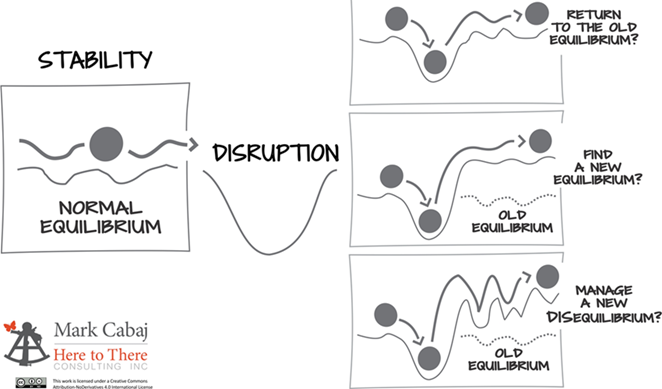
System disruption can lead to one of three types of outcomes for families and service providers to navigate; a return to the old equilibrium, finding a new equilibrium, or managing a new disequilibrium. The scale of the innovation required to adapt to the challenges associated with COVID-19 have been staggering, from rapid expansion of virtual therapy to radical shifts in group-based parent support programs. At no time in our profession’s history has innovation occurred on this scale so rapidly. How might organizations move quickly, but also identify what has value that will be useful to carry into the ‘new normal’ of a post-COVID social service delivery system?
COVID-19 has forced nonprofit human services providers to rapidly adapt to new restrictions on how they might engage families made more vulnerable because of either disparities or the inability of systems to support their well-being. Coming out of this unprecedented level of disruption, nonprofits have an opportunity to reflect on what of their innovative responses can support their objectives moving forward. Children’s Wisconsin’s Well-Being programs developed a COVID Resilience Plan to identify and elevate innovative practices that have surfaced since the start of the COVID-19 crisis that supports the well-being of families, are adaptable to our current limitations, and may enhance future practice. This process leveraged strategic learning to highlight lessons learned to carry forward in the future state, including:
Support for enhancing staff comfort and skill in providing virtual group-based, home visiting, child welfare, and other supportive services. 42% of parents surveyed by the ICFW indicated that they preferred virtual services to traditional in-person services. While connectivity challenges and disparities likely left some families with a reduced amount of support, home visiting and other services still saw new families that hadn’t sought out services previously. Segments of a nonprofit’s target demographic may be more open to, or even prefer, having virtual options continue.
Virtual training for staff, stakeholders, and foster parents, when done in an engaging manner, addresses some challenges around travel and childcare while also providing flexibility of how and when to deliver content. The COVID Resilience Plan will continue to explore the balance between convenience of virtual services and the quality of engagement and service delivery through these methods.
Community engagement, providing authentic role and voice of people with lived experience in program development and feedback, continues to be essential. Families are stressed because of a lack of capacity of systems to meet their needs. Eliciting their voice and insight is fundamental to advocacy and systems change. Virtual connection options provide new, more widely accepted, methods for program participants to have input into program direction.
The ongoing work of the COVID Resilience Plan is now focused on facilitating Communities of Practice focused on these three prioritized findings to deliver recommendations on concrete next steps for activities that will carry forward beyond the restriction associated with social distancing. While these findings reflect a specific set of experiences, the role of virtual service provision in what was almost exclusively in-person supportive services is inescapable. Different organizations may be able to yield relevant insights for their own work from these lessons, or adapt the strategic learning process to identify their own specific lessons learned to carry into the ‘new normal’ of a post-COVID world.
The Institute provides training, consultation and technical assistance to help human service agencies implement and replicate best practices. If you are interested in training or technical assistance, please complete our speaker request form.
ICFW 5th Anniversary – May 2021
Schedule of events to celebrate our anniversary year and highlight our efforts to achieve our mission will be announced soon on our website and social media.
Janczewski, C.E., Nitkowski, J. (2021). Parental Mental Health and Substance-Related Services Among CPS-Involved Families, Society for Social Work Research, January 22. Virtual Event
Youth aging out of foster care do not fare as well as their same-aged peers. Frequent exposure to trauma and adversity stresses executive functioning skills most needed to perform essential life skills that set the foundation for self-sufficiency and independence. According to the National Center for Children in Poverty, youth who are aging out of...
ICFW Affiliate Professor and Institute for Health & Equity Director, Medical College of Wisconsin
John Meurer, MD, MBA is Professor and Director of the Medical College of Wisconsin Institute for Health & Equity. The mission of the Institute is to improve health and advance equity through research, education, and shared expertise by working collaboratively with local, national and global communities.
Dr. Meurer is a general pediatric clinician-educator and is academically recognized for his achievements in community-engaged research. He has a national reputation for research to improve childhood asthma and advance early childhood development and community-engaged health systems research. He has been a collaborative and transformative steward and leader of 25 Advancing a Healthier Wisconsin projects including 5 recently focused on improving early childhood developmental care systems.
He holds a medical degree from the University of Wisconsin-Madison, completed his residency at Baylor College of Medicine, Houston Texas, attained a master of business degree from Northwestern University, and was a fellow with the David Winston Program, Washington DC.
ICFW Affiliate Assistant Professor, University of Louisville
Lixia Zhang’s research interests focus on child maltreatment and other negative circumstances that undermine individuals’ health and well-being across the life span. She is also interested in prevention and intervention strategies to avert childhood trauma or mitigate its effects, especially among disadvantaged children and families. Zhang has been involved in a variety of international, national and state research projects. As an ICFW affiliated scholar, she is currently collaborating with Dr. Joshua Mersky on two adverse childhood experiences (ACEs) studies. The first study is a cross-cultural ACEs Study. Dr. Zhang and Dr. Mersky collected original data from more than 1,200 recent high school graduates in China to test the effects of ACEs on psychosocial well-being in emerging adulthood. The second study is an intergenerational ACEs study. Dr. Zhang and Dr. Mersky are working with families and schools to determine how parents’ exposure to ACEs can affect the emotional and behavioral development of their school children.
Lixia holds a master’s and PhD in social work from the University of Wisconsin-Milwaukee.
ICFW Affiliate Shelter Manager, Milwaukee Women’s Center
Penelope is the Shelter Manger at the Milwaukee Women’s Center, a division of Community Advocates. In her role as the shelter manager, she oversees the 68 bed shelter for families experiencing homelessness and domestic violence. She is committed to providing a trauma-informed approach to enhance housing stability for the families served.
Prior to her role as a shelter manager, Penelope spent eight years with Children’s Wisconsin and the Institute for Child and Family Well-Being as a Child and Family Therapist and Foster Parent Educator. In both roles she worked directly with families involved in child welfare. Earlier in her career, she worked in special education in Milwaukee Public Schools.
Penelope is a licensed professional counselor. She earned her bachelor’s degree in educational policy and community studies from the University of Wisconsin-Milwaukee, and later a master’s degree in professional counseling from Grand Canyon University. She is a Milwaukee native with a passion for caring for Milwaukee’s most vulnerable populations.
ICFW Affiliate Assistant Professor, Case Western University
Stemming from her macro and direct practice work with domestic violence and sexual assault services, Dr. Voith focuses on violence prevention and intervention, particularly violence against women and children, and implementation science on the delivery of violence prevention programs. Her research on social inequalities contributing to the risk of violence exposure, subsequent health disparities resulting from violence exposure, and the prevention of such violence is carried out through two lines of research. (1) Dr. Voith examines the effects of individual- and neighborhood-level cumulative risk and protective factors on the relation between violence exposure and risky outcomes with children and adolescents. (2) Dr. Voith examines how men’s exposure to trauma, violence, and adversities contribute to violent perpetration and victimization, and how individual factors, such as men’s social networks, interact with neighborhood-level characteristics to enhance or diminish the risk of men’s use of violence in intimate relationships. These two lines of research will inform the development and evaluation of violence prevention programs with at-risk children and adolescents, and the improvement of batterer intervention programming with men.
ICFW Affiliate Chief Strategy Officer, Prevent Child Abuse America
Jennifer Jones currently serves as the Chief Strategy Officer at Prevent Child Abuse America (PCAA) where she develops, implements and advocates for an integrated strategic framework to help grow PCAA’s leadership role consistent with national prevention priorities, and serves as the lead on regional and national strategic partnerships.
Prior to her role with PCAA, Jones was the Director of the Change in Mind Institute and the Co-Director of the Safety and Resilience Impact Area at the Alliance for Strong Families and Communities. Jones led all aspects of the Institute, including raising $1.7 million for the Texas Change in Mind Learning Collaborative and National Impact Study. Jones also served as the Project Director of the Child Safety Forward Initiative, a three-year Department of Justice cooperative agreement working with 5 jurisdictions to develop community-led, systematic solutions to reduce child fatalities caused by child maltreatment. Jones worked closely with the Alliance policy team, other national organizations and congressional representatives to advance brain science infused policy and trauma-informed care legislation.
Preceding her role at the Alliance, Jones served as the Associate Director of the Wisconsin Children’s Trust Fund (CTF). In her last two years at the agency, Jones served as Interim Executive Director, at the Board’s request, and coordinated all activities related to the Governor-appointed Child Abuse and Neglect Prevention Board, including managing all operations, and overseeing the agency’s budget and grantmaking functions. Before her positions with the Children’s Trust Fund, Jennifer served as the communications specialist in the Secretary’s Office at the Wisconsin Department of Children and Families and as a child welfare policy advisor in the Wisconsin Division of Children and Family Services.
Jones is an affiliate of the Institute for Child and Family Well-Being, a joint project of Children’s Wisconsin and the University of Wisconsin-Milwaukee. Jones is also a member of the National HOPE (Healthy Outcomes from Positive Experiences) Advisory Board and serves on the Board of Directors of the Hunger Task Force. Jennifer received her master’s in social work from the University of Wisconsin-Madison and bachelor’s in social work from Marquette University.
ICFW Affiliate Senior Researcher, JBS International, Inc.
Katelyn Blair, MSW, Ph.D., is a Senior Researcher in Child Welfare at JBS International, Inc. She is responsible for the analysis of Child and Family Services Review data on child and family outcomes, yielding results on national and State performance and best practices in child welfare. Dr. Blair also contributes to the analysis of calculating Statewide Data Indicator Profiles for the Children’s Bureau. She provides support in the analysis of estimates of improper payments and state and national error rates for the IV-E Foster Care Program. Previously, Dr. Blair worked at the University of Wisconsin-Milwaukee and Children’s Wisconsin as a research assistant and clinician where she designed and implemented studies that aided in the translation of evidence-based interventions into child welfare. She led efforts to examine distal system-level intervention outcomes, developed and validated a measure of early childhood resilience, and evaluated child welfare practice. She also delivered evidence-based interventions (Parent-Child Interaction Therapy and Trauma-Focused Cognitive Behavioral Therapy) to children and families within the context of child welfare services to improve well-being and facilitate resilience. As a researcher-practitioner, Dr. Blair married her clinical work with data collection, analysis and management to help develop an applied, translational research and evaluation agenda that contributed to the implementation and dissemination of trauma-informed services to underserved families.
As an ICFW affiliate, Dr. Blair continues to collaborate with team members to promote the use of evidence-based interventions and resilience in child welfare research and practice.
Dr. Blair holds a master’s degree in social work and a doctoral degree in social work from the University of Wisconsin-Milwaukee.
The Wisconsin Birth to 3 Program is a federally-mandated Early Intervention program to support families of children with developmental delays or disabilities under the age of three. The Wisconsin Department of Health Services (DHS) awarded innovation grants to 15 Birth to 3 programs across the state to pilot new and...
Gilbert, R., Mersky, J. P., & Plummer Lee, C. (2021). Prevalence and correlates of vaccine hesitancy in a sample of low-income mothers. Preventive Medicine Reports, 21, 101292.
Abstract
The US is facing a rise in vaccine hesitancy, delay, and refusal, though little is known about these outcomes in socio-economically disadvantaged populations. This study examines the prevalence and correlates of vaccine attitudes and behaviors in a diverse cohort of low-income mothers receiving home visiting services. Survey data were collected from 813 recipients of evidence-based home visiting services in Wisconsin from 2013 to 2018. Analyses were performed to describe outcome measures of vaccine attitudes and self-reported completion, and multivariate regressions were used to test associations between vaccine-related outcomes and hypothesized correlates. Most women (94%) reported their children were up to date on vaccines; 14.3% reported having ever delayed vaccination. A small minority disagreed that vaccines are important (5.0%), effective (5.4%), and safe (6.2%), though a larger proportion responded ambivalently (10.9%–21.9%). Participants with greater trust in health care providers reported more positive overall vaccine attitudes (B = 0.24; 95% CI = 0.17, 0.31), a lower likelihood of vaccine delay (OR = 0.57; 95% CI = 0.46, 0.73), and a greater likelihood of being up to date on vaccines (OR = 1.79, 95% CI = 1.30, 2.44). Women with greater trust in a home visitor also rated vaccines more positively (B = 0.09; 95% CI = 0.02, 0.15), and women who reported better mental health were more likely to report their children were up to date (OR = 1.05; 95% CI = 1.02, 1.09). Compared to non-Hispanic whites, American Indians and non-Hispanic blacks had poorer vaccine-related outcomes. More research on vaccine attitudes and behaviors among higher-risk populations is needed to develop tailored strategies aimed at addressing vaccine hesitancy and underimmunization.
ICFW Affiliate Medical College of Wisconsin Comprehensive Injury Center
Reggie Moore serves as the Injury and Violence Prevention Director of the Office of Violence Prevention (OVP) located within the City of Milwaukee’s Health Department. Appointed in 2016, Reggie leads the city’s efforts to assess, prevent, and decrease incidents of structural and community violence. OVP’s mission is to prevent and reduce violence through partnerships that strengthen youth, families, and neighborhoods. On November 11, 2017, the Office of Violence Prevention released Milwaukee’s first comprehensive plan to address violence from a public health perspective.
Prior to joining the city, Reggie has led local and national organizations including the Center for Youth Engagement, Urban Underground, and the national Youth Activism programs for the Truth Initiative in Washington, DC. He has volunteered his time with several local and national organizations including the Milwaukee Public Schools Foundation, the Funders Collaborative on Youth Organizing, and Scaling Wellness In Milwaukee. An organizer at his core, Reggie has dedicated his life to being a catalyst for social change.
ICFW Affiliate Senior Consultant, Wellpoint Care Network
Tim Grove is a senior consultant at Wellpoint Care Network, a human services agency whose mission is to facilitate equity, learning, healing and wellness for all. He has 25 years of professional experience in a variety of direct care and administrative positions including, in-home services, foster care, treatment foster care, residential treatment, child welfare, community based services, quality improvement and staff development.
Grove’s work at Wellpoint includes being the senior leader of trauma informed care (TIC) initiatives across all agency programs and as such was responsible for implementing Wellpoint’s TIC philosophy and practices, including Dr. Bruce Perry’s Neurosequential Model of Therapeutics (NMT). He also created a TIC training curriculum centered around the Seven Essential Ingredients, or 7ei, of understanding and practicing TIC. Grove and the training team at Wellpoint have used the 7ei framework to train more than 50,000 people across the country over the past 12 years. Groups that are currently using the 7ei curriculum include judges, law enforcement/first responders, schools, child welfare agencies, social service agencies, health centers, community agencies, post secondary academic institutions and many others.
He is a Mentor with the ChildTrauma Academy and a Master Trainer in Dr. Rob Anda and Laura Porter’s ACE Interface curriculum. Grove and the SaintA team’s work has been highlighted in various radio and television projects, including a 2018 60 Minutes segment with special correspondant Oprah Winfrey. Their work has also been showcased in a number of magazines, journals and newspapers, including a three-year research study on the effectiveness of 7ei in child welfare published by the Journal of Child Custody in 2019.
Carmen Pitre is the President and Chief Executive Officer of Sojourner, Wisconsin’s largest service provider for families dealing with domestic violence. Under Pitre’s leadership, Sojourner provides crisis housing, system advocacy and individual support to thousands of women, children and families.
Pitre draws on decades of work and personal experience to improve the way the community supports families impacted by domestic violence. Pitre believes – and data proves – a holistic approach of co-locating services and coordinating resources is effective, efficient and yields better outcomes for families. In 2016, Pitre rallied key community leaders to create the Sojourner Family Peace Center where people impacted by domestic violence can access emergency shelter, domestic violence services, physical and mental health services, law enforcement and legal assistance, counseling, employment services, financial literacy, community education and professional training – all under one roof.
Pitre was integral in the 2009 merger of Sojourner Truth House and the Task Force on Family Violence when she became Co-Executive Director of the new agency, Sojourner Family Peace Center. Before the merger, Pitre was the Executive Director of the Task Force on Family Violence from 2002 to 2009. Pitre served as the Director of the First Judicial District Judicial Oversight Demonstration Initiative and the Coordinator of the Milwaukee Commission on Domestic Violence and Sexual Assault from 1997 to 2000.
Pitre graduated from the University of Southwestern Louisiana – Bachelor of Arts program in 1984.
At the Institute for Child and Family Well-being, we recognize that COVID-19 has created challenges during this past year that require innovative practices and policies that draw on established evidence to provide the best possible care to our community, and opportunities to learn from those practices and policies that may lead to more resilient and supportive communities in the future. As we reflect on this past year, we have deepened our commitment to strong community and systems partnerships, research and evaluation, and adaptation and innovation to meet the needs of our clients and community, so that we may ultimately improve child and family well-being.
We are excited to remain steadfast in these commitments and to continue this journey as we celebrate our 5th anniversary later this year. So take a moment to review what we learned and accomplished in 2020, and keep an eye out for upcoming announcements for our events that will celebrate our five years of partnership as the Institute for Child and Family Well-being.
As Community Engagement and Systems Change are a core service area of the ICFW, collaboration with our community and systems partners is critical to fulfilling our mission. In recognition of those that value collaboration and whose mission seeks to improve child and family well-being, we have invited those partners to join us as ICFW Affiliates. We were honored to introduce three ICFW Affiliates in 2020 and are looking forward to expanding our affiliates in 2021.
Penny Dixon is the Shelter Manager at the Milwaukee Women’s Center, a division of Community Advocates
Tim Grove is a senior consultant at SaintA
Reggie Moore serves as the Injury and Violence Prevention Director of the Office of Violence Prevention (OVP)
Confronting COVID-19
COVID-19 placed unique and unprecedented stress on families, staff, and communities while also exacerbating already existing health and economic disparities. Read some of our articles that illustrate how we responded to COVID-19 and its challenges this past year.
From Trauma Screening to Authentic Community Engagement, Housing as a Pathway to Prevent Maltreatment and Executive Functioning for Child and Family Well-being, check out our conversations with the ICFW team and community and national experts on these important issues.
ICFW Publications in 2020: New Journal Articles, Reports and Practice Briefs
The ICFW had 10 journal articles published in 9 different journals in 2020 on topics ranging from Adverse Childhood and Adult Experiences, Parent-Child Interaction Therapy, Home Visiting, and the Transmission of Violence and Trauma. To learn more, explore the publications here.
Mersky, J. P., Plummer Lee, C., & Janczewski, C. E. (2020). Toward the Assessment of Adverse Adult Experiences: An Initial Validation Study of the Adult Experiences Survey. Psychological Trauma: Theory, Research, Practice, and Policy.
Objective: The current investigation is a validation study of the Adult Experiences Survey, a seminal assessment of adverse adult experiences.
Method: Data were collected between July 2015 and June 2019 from a sample of 1,747 low-income women as part of a longitudinal study in Wisconsin, United States. Analyses of 10 adversities were conducted to assess item prevalence and internal consistency in the full sample and test-retest reliability in a subsample of 90 participants. Exploratory and confirmatory factor analyses were performed to examine the factor structure of the measure, and multivariate regressions were conducted to estimate the effects of adult adversity on 3 health-related outcomes: poor physical health, depression, and posttraumatic stress disorder.
Results: Most participants (86%) endorsed at least 1 adversity. Each item demonstrated good test-retest reliability except crime victimization, and the full measure had sound internal consistency. Each adversity was associated with all health-related outcomes at the bivariate level, and most were linked to 1 or more outcomes in multivariate analyses. Exploratory and confirmatory factor analyses validated 1- and 2-factor solutions with good fit. A cumulative adult adversity score was associated with all study outcomes controlling for adverse childhood experiences, and effects associated with a latent adversity score were even larger in magnitude.
Conclusions: Extending research on adverse childhood experiences, the findings indicate that adverse adult experiences can be measured reliably and validly using a brief assessment. Implications are discussed, including opportunities to advance the study of trauma and resilience over the life course.
The Institute for Child and Family Well-Being was proud to host the webinar “Executive Functioning for Child and Family Well-being” with John Till, Senior Vice President of Strategy and Innovation at The Family Partnership, and Jennifer Winkler, Family Case Management Well-Being and Family Support Manager at Children’s Wisconsin, on December 7th from 11:00-12:00 CST.
Executive function skills are like an air traffic control system in the brain that helps us manage information, make decisions, and plan ahead. Stress and the lingering impact of Adverse Childhood Experiences (ACEs) can negatively impact executive functioning, making it difficult to effectively navigate challenging and uncertain circumstances.
This webinar explored how executive functioning is impacted by Adverse Childhood Experiences (ACEs) and toxic stress, why it is critical to our child and family well-being systems, and how our presenters’ organizations have developed and implemented executive functioning programming into their core service delivery through robust conversation with an experienced panel through their work with the Executive Functioning Across Generations and Mobility Mentoring models.
Executive function (EF) skills are like an air traffic control system in the brain that helps us manage information, set and work towards goals, and make decisions that help us reach those goals. EF Skills, which can be developed throughout the life-course, are central to navigating distractions, unexpected challenges, and stressful situations while making decisions that contribute to long-term goal attainment.
Resilience, or the ability to overcome serious hardship, is a central concept operationalized, in part, through EF Skills. Building resilience helps children and adults navigate stressful situations and the lingering impact of trauma.Childhood experiences are the foundation for healthy development into adulthood. Adverse Childhood Experiences (ACEs) can cause cracks in that foundation, potentially impairing EF Skills and contributing to less intentional self-regulation. ICFW team members Drs. Mersky and Janczewski co-authored a study finding that parents in home visiting programs reported the same level of ACEs as parents with children involved in the child welfare system.
Parents participating in Children’s Wisconsin Wausau home visiting program face a myriad of complex challenges beyond the legacy of ACEs. 77% of caregivers in that program have reported an alcohol or other drug abuse, mental health, or domestic violence issue. 48% of caregivers screened positive for postnatal depression. Through those challenges, 56% of parents are receiving services and 90% demonstrate positive parent-child interactions, a core component to child health, well-being, and resilience.
How might programs that already reach families further address enhancing executive functioning of parents and children in their programs to promote long-term stability and success?
Children’s Wisconsin, along with two other Children’s Home Society of America partner organizations, is participating in a collaborative feasibility study of the “Executive Functioning Across Generations™” program, funded by Frontiers of Innovations, the R&D platform of the Center on the Developing Child at Harvard University. Developed in 2017 by The Family Partnership (TFP) in Minneapolis, Minnesota, the organizations are working together to adapt the intervention for virtual use in a Healthy Families America home visiting program.
Over the course of 10 virtual sessions, parents learn about brain science and familiarize themselves with the types of activities that help foster brain development and self-regulation in their children through a language-based curriculum. Specifically, there will be an increase in knowledge of brain science, internal state words, theory of mind, serve and return, and personal narratives (BITSN’s). These are all key functions of brain development in children. Parents will learn how to recognize, model and respond to Internal State Words (ISWs) as part of a supportive relationship with their child. ISWs are important because they are used by children in order to express themselves by describing thoughts, feelings and perceptions. This helps them to tell stories about events that have affected them emotionally (see chart).
Home visitors coach families, encourage further learning, and provide teaching tools, like storybooks that use ISW-based language. There will also be activities and handouts for the parents to practice skills with their children in between the sessions. This project has a greater impact with the implementation of a two-generation approach because it allows for more alignment with the goals and more stability in the family unit. The skills learned and the impacts made can continue to affect more generations and create a “domino effect” of positive development.
In order to measure the impact of the curriculum, Minnesota Executive Functioning Scale (MEFS), developed at the University of Minnesota by Dr. Stephanie M. Carlson and Dr. Philip Zelazo, will be used. The app is a quick, “game-like” measure of executive functioning for anyone over the age of 2 that features audio and picture-based prompts. This administration should only take 15 minutes to complete virtually. Overall, the MEFS provides a direct behavioral measure of executive functioning skills which are vital for the development of a child’s social and emotional wellbeing.
By increasing the use of internal state words and a personal narrative, Executive Functioning Across Generations™ helps to foster better parent/child relationships, which is central to child resiliency and being able to adapt to challenges. The ICFW is looking forward to collaborating with The Family Partnership, Nebraska Children’s Home Society, Children and Families First of Delaware, and the Frontiers of Innovation at the Center on the Developing Child at Harvard University to share our lessons learned as we go through this process.
Learn More:
Frontiers of Innovation: An R&D platform designed to accelerate the development and adoption of science-based innovations that achieve breakthrough impact at scale.
The mission of the Institute for Child and Family Well-Being is to improve the lives of children and families with complex challenges by implementing effective programs, conducting cutting-edge research, engaging communities, and promoting systems change.
The Institute for Child and Family Well-Being is a collaboration between Children’s Wisconsin and the Helen Bader School of Social Welfare at the University of Wisconsin-Milwaukee. The shared values and strengths of this academic-community partnership are reflected in the Institute’s three core service areas: Program Design and Implementation, Research and Evaluation, and Community Engagement and Systems Change.
Meghan Christian is a Child and Family Therapist with the Institute for Child and Family Well-Being and a Licensed Clinical Social Worker.
Meghan has spent most of her career in the nonprofit sector, working with people who have experienced acute or ongoing trauma including abused children and adults, refugees and families living in poverty. Meghan’s interests lie in translating research on the effects of trauma on the developing brain into practical ways of using evidence-based interventions with her clients. She’s particularly interested in the role resilience plays in protecting against and transforming negative neurophysiological changes.
Along with her direct practice, Meghan enjoys exchanging perspectives and knowledge with fellow helping professionals by way of communities of practice, case consultation and facilitating workshops relating to neurodevelopment, responsive relationships and resilience.
Meghan received her master’s degree in social work in 2009 from the University of Wisconsin-Milwaukee. She earned her bachelor’s degree in social work from the same institution in 2006.
Dr. Colleen Janczewski is a policy and practice analyst at ICFW and an assistant professor at the University of Wisconsin-Milwaukee’s Helen Bader School of Social Welfare. Her research interests include child maltreatment and improving public systems that serve children and families. She has expertise in applying advanced statistical techniques to inform policy decisions and practice innovations in social service systems.
In terms of ICFW projects, Dr. Janczewski is currently the lead evaluator of the Alternative Response in Wisconsin evaluation, for the Wisconsin Department of Children and Families. She is also on the evaluation team for the FACT Study, the Healthy Families Study, Family Foundations Home Visiting Program, and the Trauma and Recovery Project. Dr. Janczewski holds a Ph.D. in social welfare from the University of Wisconsin-Milwaukee and a master’s degree in social work from Virginia Commonwealth University.
Program Design & Implementation
The Institute develops, implements and disseminates validated prevention and intervention strategies that are accessible in real-world settings.
Innovation and Executive Functioning: A new feasibility study
Executive function (EF) skills are like an air traffic control system in the brain that helps us manage information, set and work towards goals, and make decisions that help us reach those goals. EF Skills, which can be developed throughout the life-course, are central to navigating distractions, unexpected challenges, and stressful situations while making decisions that contribute to long-term goal attainment.
Executive Functioning Skills support intentional self-regulation that is central to success in school, work, and parenting. Source: Center on the Developing Child at Harvard University
Childhood experiences are the foundation for healthy development into adulthood. Adverse Childhood Experiences (ACEs) can cause cracks in that foundation, potentially impairing EF Skills and contributing to less intentional self-regulation. ICFW team members Drs. Mersky and Janczewski co-authored a study finding that parents in home visiting programs reported the same level of ACEs as parents with children involved in the child welfare system.
Resilience, or the ability to overcome serious hardship, is a central concept operationalized, in part, through EF Skills. Building resilience helps children and adults navigate stressful situations and the lingering impact of trauma.
Parents participating in Children’s Wisconsin Wausau home visiting program face a myriad of complex challenges beyond the legacy of ACEs. 77% of caregivers in that program have reported an alcohol or other drug abuse, mental health, or domestic violence issue. 48% of caregivers screened positive for postnatal depression. Through those challenges, 56% of parents are receiving services and 90% demonstrate positive parent-child interactions, a core component to child health, well-being, and resilience.
How might programs that already reach families further address enhancing executive functioning of parents and children in their programs to promote long-term stability and success?
Children’s Wisconsin, along with two other Children’s Home Society of America partner organizations, is participating in a collaborative feasibility study of the “Executive Functioning Across Generations™” program, funded by Frontiers of Innovations, the R&D platform of the Center on the Developing Child at Harvard University. Developed in 2017 by The Family Partnership (TFP) in Minneapolis, Minnesota, the organizations are working together to adapt the intervention for virtual use in a Healthy Families America home visiting program.
Over the course of 10 virtual sessions, parents learn about brain science and familiarize themselves with the types of activities that help foster brain development and self-regulation in their children through a language-based curriculum. Specifically, there will be an increase in knowledge of brain science, internal state words, theory of mind, serve and return, and personal narratives (BITSN’s). These are all key functions of brain development in children. Parents will learn how to recognize, model and respond to Internal State Words (ISWs) as part of a supportive relationship with their child. ISWs are important because they are used by children in order to express themselves by describing thoughts, feelings and perceptions. This helps them to tell stories about events that have affected them emotionally (see chart).
Home visitors coach families, encourage further learning, and provide teaching tools, like storybooks that use ISW-based language. There will also be activities and handouts for the parents to practice skills with their children in between the sessions. This project has a greater impact with the implementation of a two-generation approach because it allows for more alignment with the goals and more stability in the family unit. The skills learned and the impacts made can continue to affect more generations and create a “domino effect” of positive development.
In order to measure the impact of the curriculum, Minnesota Executive Functioning Scale (MEFS), developed at the University of Minnesota by Dr. Stephanie M. Carlson and Dr. Philip Zelazo, will be used. The app is a quick, “game-like” measure of executive functioning for anyone over the age of 2 that features audio and picture-based prompts. This administration should only take 15 minutes to complete virtually. Overall, the MEFS provides a direct behavioral measure of executive functioning skills which are vital for the development of a child’s social and emotional wellbeing.
By increasing the use of internal state words and a personal narrative, Executive Functioning Across Generations™ helps to foster better parent/child relationships, which is central to child resiliency and being able to adapt to challenges. The ICFW is looking forward to collaborating with The Family Partnership, Nebraska Children’s Home Society, Children and Families First of Delaware, and the Frontiers of Innovation at the Center on the Developing Child at Harvard University to share our lessons learned as we go through this process.
Learn More:
Frontiers of Innovation: An R&D platform designed to accelerate the development and adoption of science-based innovations that achieve breakthrough impact at scale.
The Institute accelerates the process of translating knowledge into direct practices, programs and policies that promote health and well-being, and provides analytic, data management and grant-writing support.
We are pleased to announce a new partnership with Goodwill Industries of Southeast Wisconsin on their Boys and Men of Color Initiative, which aims to support career advancement, self-sufficiency, and leadership development among youth and young men in Milwaukee. An Institute team headed by James “Dimitri” Topitzes, Josh Mersky, and Allison Amphlett are working with Goodwill to design and evaluate an innovative workforce development program to address barriers to economic prosperity, including generational poverty and trauma, incarceration, and health disparities. The program’s immediate goal is to help participants establish a foothold in the labor force. In the long run, the program aims to help young men of color forge a path toward career success and community leadership.
The Boys and Men of Color Initiative builds on the Institute’s ongoing commitment to workforce development efforts that promote the dignity of work. We continue to collaborate with the Public Policy Institute at Community Advocates on the Healthy Workers, Healthy Wisconsin project. This job enhancement project aims to strengthen employment services for low-income job seekers by increasing client access to trauma-responsive health and mental health care. The Institute also is partnering with Higher Expectations for Racine County on its Rise Up initiative, which is supporting underemployed mothers with young children by increasing access to an enhanced workforce training program. Taken together, these workforce development projects draw on the Institute’s academic expertise and reflects our mission to improve the lives of children and families with complex challenges by implementing effective programs, conducting cutting-edge research, engaging communities, and promoting systems change.
The Institute develops community-university partnerships to promote systems change that increases the accessibility of evidence-based and evidence-informed practices.
Trauma and Recovery Project (TARP) 2020: Implications of COVID-19 on Training, Service Delivery, and Trauma Screening
ICFW PCIT Trainers Dimitri Topitzes, Kate Bennett and Leah Cerwin training with PCIT Global Trainer Dr. Christy Warner-Metzger earlier this year.
As the ICFW set out to adapt to the unprecedented changes brought about by COVID-19, many services provided by the Trauma and Recovery Project moved to virtual delivery. This year, our trainers were abruptly asked to shift all training of evidence-based interventions to a virtual setting. This necessitated hand delivery of printed materials to trainees’ homes, the need to learn and use novel tools and apps to complete activities virtually, and changes to training structure and processes due to both the trainees’ and trainers’ new realities; often including lack of their own home office space, supplies, and even childcare. During our third year of the Trauma and Recovery Project, even with this enormous shift, there were a total of 43 new clinicians in Milwaukee & Racine Counties trained in the target interventions (Parent Child Interaction Therapy, and Trauma-Focused Cognitive Behavioral Therapy). Hitting this number during such an unprecedented time required enormous adaptability from our trainers and was an enormous success for the project.
Evidence-Based Treatments as Virtual Services
Similar to our trainers, Center of Excellence (CoE) clinicians at Children’s Wisconsin quickly and effectively shifted their services to virtual therapy. This was most evidenced by the number of children provided services during the months when COVID-19 hit. During this time, even as clinicians made the immediate move to telehealth services from their homes, only six fewer children were provided services by CoE clinicians, as compared to the previous quarter (136 => 130).
In addition to finding ways to successfully serve their kiddos, clinicians reported high levels of success in adapting PCIT to virtual visits with clients. This, in part, is attributed to the model of PCIT, where clinicians conceal themselves behind a one-way mirror and the parent wears an earpiece to hear the clinician’s instructions. When using PCIT in a virtual format, clinicians could turn off their cameras, simulating the “behind the scenes” nature of in-person PCIT. This also speaks to the skill, passion, and dedication of the clinicians in administering PCIT to clients—without their knowledge and energy, PCIT would fall flat in a virtual setting. Clinicians could maintain the most fidelity to the PCIT model when meeting virtually with families, especially families they had previously seen in-person.
Of course, there is always a learning curve to new things: the new reality of virtual meetings created the most change for clinicians administering PCIT. Logistically, no access to a printer, variability of internet connections, an increased demand in time required to do simple tasks, and limitations of a webcam were some of the challenges brought on by administering PCIT virtually. Additionally, in a virtual visit, clinicians are now responsible for filling out paperwork that would normally be completed by the parent, creating additional work for the clinician, and delaying the amount of time spent in PCIT.
With the clinician experience aside, parents and children overall have adapted well to the changes and liked the changes to service delivery. Many parents like the video sessions, noting how easy and convenient the virtual format was for them and their family; additionally, when only one parent was previously able to participate in PCIT, now both could, due to the convenience of virtual service delivery. And, many children were more likely to engage in play during the virtual visits. This can be attributed to children feeling more comfortable in their own environment, feeling more familiar in their home versus the office setting.
Trauma Screening and Assessment
In addition to maintaining our service delivery throughout COVID-19, the number of children screened for trauma during this time was actually higher than its preceding quarter (186 => 296).
As clinicians moved to providing assessments from home via telehealth, they experienced the same challenges mentioned above in regards to service delivery. However, our clinicians were able to screen and assess 1,134 children, exceeding our goal of 750 by adapting to web-based screening and assessments to children receiving virtual care.
Overall, our third year of this grant has been unprecedented: a world ravaged by the COVID-19 pandemic and a nation swept by a social movement against racial injustice have changed us. In an effort to maintain normalcy, life moved online: work was largely conducted from home, social gatherings were moved to virtual happy hours, school shifted to virtual classrooms, and so many other changes were made to hold on to life as we knew it. In order to adapt to the rapid changes of reality, clinicians worked tirelessly to continue service delivery for their clients in virtual spaces while finding a new urgency and purpose to increase humility towards race and culture within service delivery.
Parent-Child Interaction Therapy (PCIT) is an internationally-recognized, evidence-based parent management program for families who have young children with internalizing and/or externalizing behavior problems. PCIT was developed in the early 1970s by Dr. Sheila Eyberg, and involves live coaching of parents and caregivers as they interact with their child. Historically, PCIT and the training of new clinicians in this treatment modality have been done in person, however, internet-based PCIT (iPCIT) has been utilized within certain clinics prior to the COVID-19 pandemic. Comer, et al. (2017) showed increased parent-reports of improvement in child behaviors with the provision of iPCIT. With approval from PCIT International and support from the Trauma and Recovery Project, ICFW clinicians Kate Bennett, Leah Cerwin and Dr. Dimitri Topitzes were some of the first in the nation to train new PCIT clinicians and new Level 1 PCIT trainers through virtual platforms.
Traditionally delivered in a clinic setting, PCIT uses a one-way mirror and an earpiece listening device while the clinician is in another room coaching the caregiver during dyadic sessions on how to manage certain behaviors (PCIT International, 2018). In order to establish similar observation and communication capabilities for iPCIT, a webcam on laptop, tablet or phone is set up by the parent with the help of the clinician allowing for sessions to occur in the home. Several benefits have been identified through qualitative and quantitative data. Comer, et al. (2017) have found that families are more likely to stay engaged in treatment and attend services if they do not have to travel to a provider. Some contributing factors to this may be flexibility in scheduling, especially when children have appointments with several specialists, parents who work 1st shift jobs and/or have limited access to childcare, and the ability to physically distance. ICFW works with many families with complex circumstances that made attending appointments regularly difficult. Because of this, ICFW clinicians were some of the first within Children’s Wisconsin to begin completing virtual PCIT sessions.
The ICFW team of clinicians receives frequent feedback from caregivers about the benefits of iPCIT, which is in line with their findings on doing in-home PCIT years before. Clinicians are now able to be in the home environment while being invisible to the child, which results in clinicians being able to see behaviors that caregivers report only occur at home. At the start of one coaching session, a parent asked if the clinician “could be here all the time” after successfully navigating a particularly lengthy instance of defiance using PCIT skills. Within two sessions, the same parent said they have “started to see [them] transform into a new child” and the clinician noticed significantly improved concentration, self-regulation, social skills, and joy in the child.
Training new PCIT clinicians and trainers using the internet to maintain safe distances is new to PCIT International, but is likely not going anywhere due to the successes that have been seen thus far. Facilitating sessions with a trainer can now also be done with ease and safety through the use of iPCIT. This keeps clinicians growing in their expertise of the model, and families receiving the best possible service to address treatment goals. Our experience in providing web-based training, consultation, and mentorship for clinicians in 2020 has shown us that PCIT is well-served to fidelity in this context. Clinicians trained in PCIT under the ICFW have reported that they are confident in use of the evidence-based protocol and have learned effective ways to manage telehealth sessions.
To help support trained PCIT clinicians, ICFW has long used virtual case consultations and a Community of Practice through Zoom for live discussions and Basecamp, a project management website, for ongoing shared learning. In Basecamp, digital materials and discussion between clinicians are shared in order to provide clinicians quick access to materials and answers needed, ultimately optimizing family experience with the model. The ability to quickly connect with other clinicians has been helpful in minimizing the isolation felt by clinicians working from home during the pandemic.
PCIT is not a widely practiced modality but has demonstrated high success rates for families. We are excited to be able to work with families who may not have otherwise had access to PCIT due to transportation and scheduling barriers or lack of access to PCIT practitioners around the state. Parity of access from insurance companies now must be matched with clinician availability so all families in Wisconsin have access to iPCIT. ICFW is dedicated to expanding access through training new clinicians, implementing new web-based strategies and sharing information about PCIT throughout the state and nation.
The Institute provides training, consultation and technical assistance to help human service agencies implement and replicate best practices. If you are interested in training or technical assistance, please complete our speaker request form.
ICFW Webinars
November 16th:
Executive Functioning for Child and Family Well-being
Presentations
October 26th:
T-SBIRT – National Association of Social Workers National Virtual Conference 2020
Choi, C., Mersky, J. P., Janczewski, C. E., Plummer Lee, C., Davies, W. H., & Lang, A. C. (2020). The Childhood Experiences Survey: Replication study of an expanded assessment of adverse childhood experiences. Children and Youth Services Review.
Research has shown unequivocally that adverse childhood experiences (ACEs) are prevalent and consequential, but the field lacks consensus around how they should be measured. This replication study reexamined the construct and concurrent validity of the Childhood Experiences Survey (CES), an expanded assessment of 10 conventional ACEs and seven novel childhood adversities. The CES was administered to three samples of adults with children in a Midwest state: (1) caregivers whose children were the subject of a screened-in child protective services report (n = 1,087), (2) low-income women who voluntarily enrolled in a home visiting program (n = 659), and (3) a convenience sample from general population (n = 667). The prevalence of childhood adversities and their intercorrelations were assessed. Extending a previous exploratory analysis, a confirmatory factor analysis was conducted to examine the underlying structure of the CES, and tests of association were performed between the factors and adult mental health outcomes. Results confirmed that all 17 adversities were common and interrelated. For each sample, the 10 conventional ACEs fit a two-factor structure: child maltreatment and household dysfunction. The expanded assessment of 17 adversities fit a four-factor solution: direct victimization/household dysfunction, neglect, poverty, and family separation/loss. All factors were significantly associated (p < .05) with depressive symptoms and anxiety symptoms in all three samples. Implications for further measurement development aimed at advancing ACE research are discussed.
Zhang, L., Mersky, J. P., & Topitzes, J. (2020). Adverse childhood experiences and psychological well-being in a rural sample of Chinese young adults. Child Abuse & Neglect.
Background
International interest in adverse childhood experiences (ACE) is on the rise. In China, recent research has explored the effects of ACEs on health-related outcomes, but little is known about how ACEs impact the psychological functioning of rural Chinese youth as they make transition to adulthood.
Objective
This study is aimed to assess the prevalence and psychological consequences of ACEs among a group of rural Chinese young adults.
Participants and settings
1019 rural high school graduates from three different provinces of China participated in this study.
Methods
A web-based survey was used to assess ten conventional ACEs and seven other novel ACEs using the Childhood Experiences Survey. Using validated brief measures, six indicators of psychological functioning were assessed: anxiety, depression, perceived stress, posttraumatic stress, loneliness, and suicidality. Descriptive and correlational analyses of all ACEs were performed, and multivariate regressions were conducted to test associations between ACEs and study outcomes.
Results
Three-fourths of Chinese youth endorsed at least one of ten conventional ACEs. The most prevalent ACEs were physical abuse (52.3 %) and domestic violence (43.2 %). Among seven new adversities, prolonged parental absence (37.4 %) and parental gambling problems (19.7 %) were most prevalent. Higher conventional ACEs scores were significantly associated with poorer psychological functioning, and each type of new adversity was associated with one or more psychological problems.
Conclusion
ACEs were prevalent among rural Chinese young adults and had deleterious effects on their psychological well-being. Further work is needed to address ACEs by developing culturally appropriate assessment practices, interventions, and policy responses.
Zhang, L., & Mersky, J. P. Bidirectional relations between adverse childhood experiences and children’s behavioral problems. (2020). Child and Adolescent Social Work Journal.
Research has shown that adverse childhood experiences (ACEs) increase the risk of poor health and well-being, yet less is known about the pathways through which these life outcomes emerge. For instance, prospective, longitudinal research into the link between ACEs and the trajectories of children’s behavioral problems is limited. Moreover, no longitudinal study has investigated whether children’s behavioral problems also increase their risk of adverse experiences over time. Therefore, the main purpose of this study is to explore bidirectional relations between adverse childhood experiences (ACEs) and children’s behavioral problems in a sample of low-income children. This study uses the Fragile Families and Child Wellbeing Study, a birth cohort study of 4898 children followed from birth through 15 years of age. A random intercept cross-lagged panel model was fit to examine the bidirectional relations between ACEs and child behavioral problems. Study findings indicated that age 5 ACEs score significantly predicted age 9 anxious or depressed problems and age 9 aggressive problems. Age 5 anxious or depressed problems also significantly predicted age 9 ACEs exposure. From age 3 to age 9, ACEs also played a dominant role in the bidirectional relations with behavioral problems. There were certain bidirectional relations between ACEs and child behavioral problems. The findings have implications for understanding the etiology and consequences of adversities as well as the design of prevention and intervention strategies.
Plummer Lee, C., Mersky, J. P., Marsee, I., & Fuemmeler, B. (2020). Child maltreatment and marijuana use trajectories. Development and Psychopathology.
Despite public sentiment to the contrary, recreational marijuana use is deleterious to adolescent health and development. Prospective studies of marijuana use trajectories and their predictors are needed to differentiate risk profiles and inform intervention strategies. Using data on 15,960 participants in the National Longitudinal Study of Adolescent to Adult Health, variable-centered approaches were used to examine the impact of childhood polyvictimization on marijuana onset, marijuana use from age 15 to 24 years, and marijuana dependence symptoms. Zero-Inflated Poisson latent class growth analysis (ZIP-LCGA) was used to identify marijuana use subgroups, and their associations with childhood polyvictimization were tested via multinomial logit regression within ZIP-LCGA. Results showed that the overall probability and frequency of marijuana use increased throughout adolescence, peaked in early adulthood, and diminished gradually thereafter. Polyvictimization was associated with earlier onset and greater overall use, frequency of use, and dependence symptoms. ZIP-LCGA uncovered four subgroups, including non-users and three classes of users: adolescence-limited users, escalators, and chronic users. Polyvictimization distinguished non-users from all classes of marijuana users. The findings underscore the lasting developmental implications of significant childhood trauma. Children who experience polyvictimization represent a group that may benefit from selective interventions aimed at preventing early, frequent, chronic, and dependent marijuana use.
The Goodwill Boys & Men of Color Initiative aimed to support unemployed or underemployed young men of color in Milwaukee, by offering intentional and aligned access to career training programs and holistic supportive services. During the pilot of this initiative, youth and men participated in a training program...
Mersky, J. P., Janczewski, C.E., Plummer Lee, C., Gilbert, R.M., McAtee, C., and Yasin, T. (2020). Home Visiting Effects on Breastfeeding and Bedsharing in a Low-Income Sample. Health Education & Behavior. 1-8.
Background Research suggests that home visiting interventions can promote breastfeeding initiation, though their effects on breastfeeding continuation are unclear. No known studies have assessed the impact of home visiting on bedsharing.
Aims To test the effects of home visiting on breastfeeding and bedsharing in a low-income, urban sample in the United States.
Methods During a field trial conducted in Milwaukee, Wisconsin, from April 2014 to March 2017, referrals to a public health department were randomized to a Healthy Families America (HFA) program or a prenatal care and coordination (PNCC) program. Of the 204 women who accepted services, 139 consented to the study and were allocated to the two treatment groups, which were compared with each other and a third quasi-experimental group of 100 women who did not accept services. Data were collected at four time points up to 12 months postpartum.
Results Breastfeeding initiation was higher among 72 HFA participants (88.4%; odds ratio [OR] = 2.7) and 67 PNCC participants (88.5%; OR = 2.2) than 100 comparison participants (76.5%). Similar results emerged for breastfeeding duration, though group differences were not statistically significant. Unexpectedly, bedsharing prevalence was higher among HFA participants (56.5%) than PNCC participants (31.1%; OR = 2.9) and comparison group participants (38.8%; OR = 2.0).
Discussion Home visiting was linked to increased breastfeeding, while effects on bedsharing varied by program. Progress toward precision home visiting will be advanced by identifying program components that promote breastfeeding and safe sleep.
Conclusion Further research is needed to examine whether home visiting reduces disparities in breastfeeding and safe sleep practices.
Executive function skills are like an air traffic control system in the brain that helps us manage information, make decisions, and plan ahead. Stress and the lingering impact of Adverse Childhood Experiences (ACEs) can negatively impact executive functioning, making it difficult to effectively navigate challenging and uncertain circumstances. Home...
Social innovation within our complex systems, such as child welfare, housing and mental health, demands a difficult balance between trial and error, responsiveness to those directly impacted, and actively sharing learning to build on our progress and failures. Being a learning organization serves multiple purposes: creating institutional memory, supporting just-in-time iteration, and clarifying our hypotheses about our work. Engaging every staff member in these learning practices allows us to make our thinking visible to each other, strengthening our hypotheses and uncovering hidden assumptions. By keeping insights, assumptions, and hypotheses at the forefront of organizational consciousness, our learning practices ensure that the design of any future work is informed by the learning of prior endeavors.
As the ICFW serves as a translational organization, it is essential that our decision-making, planning, learning and dissemination function fluidly and efficiently. While there is no shortage of new innovative approaches to improve child and family well-being, our team must be strategic in identifying, selecting, implementing and testing in order to be effective in each phase of this process within our organizational capacity.
During this webinar on August 20th, ICFW team members Luke Waldo and Gabe McGaughey discussed the following:
Why Strategic Learning is critical to effective Social Innovation;
How the ICFW has implemented its Strategic Learning process and the tools that it uses;
How the ICFW has used Strategic Learning tools to support the Children’s Wisconsin Community Services’ COVID Resilience Plan.
The mission of the Institute for Child and Family Well-Being is to improve the lives of children and families with complex challenges by implementing effective programs, conducting cutting-edge research, engaging communities, and promoting systems change.
The Institute for Child and Family Well-Being is a collaboration between Children’s Wisconsin and the Helen Bader School of Social Welfare at the University of Wisconsin-Milwaukee. The shared values and strengths of this academic-community partnership are reflected in the Institute’s three core service areas: Program Design and Implementation, Research and Evaluation, and Community Engagement and Systems Change.
Kate Bennett, LCSW, is a Well-Being Lead Clinician and serves as a lead mental and behavioral practitioner at Children’s Wisconsin and the Institute for Child and Family Well-Being. She has recently shifted to providing direct clinical services primarily via telehealth in response to the COVID-19 pandemic. In her role, Kate routinely delivers community-based and therapist training workshops rooted in evidence-based interventions such as Parent-Child Interaction Therapy (PCIT). As a PCIT International Level 2 Trainer candidate under the Trauma and Recovery Project (TARP), a Category III SAMHSA grant, she is continuing to co-facilitate some of the very first virtual trainings for new PCIT therapist and PCIT Level 1 trainer cohorts statewide throughout the summer.
Kate is passionate about leveraging technology to promote equitable access for families receiving prevention and treatment services. In June, she began pursuing her doctorate in social work at the University of Kentucky and is focusing her capstone on PCIT training and dissemination.
Leah Cerwin, LCSW, is a Well-Being Lead Clinician with Children’s Wisconsin and the Institute for Child and Family Well-Being. Leah is a Parent Child Interaction Therapy Certified Level 1 Trainer and has worked to provide a PCIT virtual training to clinicians across the state this summer. Along with providing services to families herself, Leah also conducts co-therapy over telehealth with PCIT trainees who she co-trained in the fall of 2019 and assisted in transitioning their cases to telehealth services. Leah provides consultation video calls for PCIT clinicians, and works closely with PCIT Level 2 and global trainers to help develop new PCIT training processes. Leah also co-trained a cohort of PCIT clinicians in a virtual Level 1 training this summer and provides consultation for these Level 1 trainer candidates as they begin training clinicians within their own agencies. Leah participated in a virtual PCIT Toddlers training this past spring. Leah also manages a Category 3 SAMHSA grant, in which she promotes the development of strategies to improve assessment processes for evidence-based treatments PCIT, TF-CBT, and CPP.
While in graduate school, Leah interned with the Institute for Child and Family Well-Being directors and University of Wisconsin-Milwaukee faculty, Drs. Dimitri Topitzes and Joshua Mersky, to develop Project Connect, a group-based pilot of PCIT. Leah then helped pioneer PCIT and Project Connect at Children’s Wisconsin.
Research and Evaluation
The Institute accelerates the process of translating knowledge into direct practices, programs and policies that promote health and well-being, and provides analytic, data management and grant-writing support.
Strategic Learning inspires and guides future direction from the failed attempts and successful outcomes of past efforts. The use of a strategic learning process supports an organizational culture committed to continuous quality improvement and collective growth and knowledge. Being a learning organization serves multiple purposes: creating institutional memory, supporting just-in-time iteration, and clarifying our hypotheses about our work. Engaging every staff member in these learning practices allows us to make our thinking visible to each other, strengthening our hypotheses and uncovering hidden assumptions.
The Institute’s Children’s Wisconsin team developed a Strategic Learning process and set of tools in early 2019. While many of those tools serve a formal decision-making, planning or evaluation function, Learning Logs are our platform where we share insights and reflections on work that we’re doing – from the clinic to meetings to thoughts that arise in the course of writing, reading, or meeting new people. Learning Logs serve a knowledge management function, and allow us to share and track how our thinking and work with others and within our systems evolve over time.
Our Learning Log process is rather simple and can be replicated easily by other groups and organizations. We start with two questions that we are asked to answer each week:
What did you learn this week?
How might it inform our work?
These questions land in our inboxes each week through an Automatic Check-in through Basecamp. We then proceed to Basecamp and post our answers with the following basic expectations:
Header – Topic of Learning (i.e. Systems Change, Clinical Services, Social Innovation, etc.);
Brief synopsis of what was learned and how it relates to/informs our work;
Link to the source material(s) (i.e. Article, Podcast, Speaker, etc.)
Once the posts are submitted, they are shared with all team members for review and are archived on our Basecamp page as institutional memory. We can interact with one another’s Learning Logs by adding comments, questions, recognition or engaging in further learning by exploring the source material links.
Since we started this process last year, our small team of ten has completed more than 500 Learning Logs on topics ranging from integrating clinical services into the child welfare system to the importance of lived experience in social innovation to systems drivers and evaluation. The content of the Learning Logs has served as a consultative space for the team, a catalyst for deeper, more targeted conversations in supervision, and the development of a virtual learning resource center on Basecamp that our team can refer to for future use.
While the Learning Logs are intended to be driven by each individual’s learning and relevant areas of interest, we have developed Focused Learning Logs that have a specific topic that is currently relevant and urgent in our practice and culture. In 2019, we focused on our practice, use of tools and strategies around Trauma Focused Cognitive Behavioral Therapy (TF-CBT) to develop a toolkit for fellow practitioners and families that receive TF-CBT. This year, we are focusing on Anti-Racist and Inclusion, Diversity and Equity issues and efforts that impact our clinical practices, systems, policies, and organizational culture. In addition to providing a sharper focus on our own education and reflection in these critical areas, it also serves as an opportunity to understand where everyone on the team is in their learning, which leads to increased empathy, support and constructive conversation on the team.
We believe that ongoing learning is happening daily throughout our organizations, but often occurs without sufficient reflection or documentation that lend themselves to growth – both personal and organizational – and future reference and use. Learning Logs have served as a powerful tool that help us capture and enhance our learning, growth, and potential for continuous improvement.
In the previous ICFW newsletter, our team shared a few of the ways that our work has changed in response to the COVID-19 pandemic. One area of focus for our mental and behavioral health practitioners has been the implementation of virtual training. In March, clinicians at Children’s Wisconsin and the ICFW were recipients of Parent-Child Interaction Therapy –Toddlers (PCIT-T) training facilitated by Dr. Emma Girard. In July, we were able to flip the script and provide one of the very first web-based PCIT Level 1 Trainer and PCIT Therapist trainings in the country alongside PCIT Global Trainer, Dr. Christy Warner-Metzger.
Traditionally, the standard for PCIT training facilitation has been in-person workshops; however, physical distancing is an important step the ICFW is taking to slow the spread of COVID-19. Attending to the guidelines released by PCIT International, Dr. Warner-Metzger, Dr. Dimitri Topitzes, Kate Bennett, and Leah Cerwin strategically planned and facilitated an 8-hour web-based Level 1 PCIT training and the first half of a web-based 40-hour PCIT therapist training supported by the Trauma & Recovery Project.
As agencies continue the provision of telehealth services that allow clinicians to engage with families remotely, internet-PCIT (I-PCIT) delivery was included as a highlighted didactic skill. Recommendations for safe implementations of in-person PCIT services for agencies who cannot provide telehealth were also discussed.
Along with adapting to telehealth strategies for PCIT Clinicians, PCIT trainers made space during virtual training for rich discussion of anti-oppressive strategies for delivering PCIT. This was done both by providing information and updates on how PCIT International as an organization is taking steps to create a more inclusive and Anti-Racist Space for therapists, trainers, and families, and also by allowing the trainees themselves the opportunity to discuss the cultural sensitivity and tailoring necessary to make PCIT an approach better suited to meet the needs of their families of color.
PCIT trainers discussed how PCIT as an organization utilizes The Equity Approach, to ensure that everyone has the opportunity to participate and prosper when building strategies to improve community health. By understanding and acknowledging disparities and privilege, the PCIT organization is creating a more inclusive and anti-racist model.
Additionally, the Trauma and Recovery Project, a grant managed by ICFW PCIT Trainers, seeks to recruit and train clinicians of color to build a more diverse clinician pool, and PCIT trainers encouraged trainees to voice how PCIT practices could be tailored to meet the needs of the diverse families in the Milwaukee community that are served by Children’s Wisconsin.
The ICFW team is truly passionate about expanding evidence-based treatments like PCIT for kids and families throughout Wisconsin. We are excited to welcome our newest PCIT Level 1 Trainer and PCIT Therapist candidates:
The Institute provides training, consultation and technical assistance to help human service agencies implement and replicate best practices. If you are interested in training or technical assistance, please complete our speaker request form.
Choi, C., Mersky, J. P., Janczewski, C. E., Plummer Lee, C., Davies, W. H., & Lang, A. C. (in press). The Childhood Experiences Survey: Replication study of an expanded assessment of adverse childhood experiences. Children and Youth Services Review.
Beckert, T. E., Plummer Lee, C., Albiero, P. (in press). Reaching Adult Status Among Emerging Adults in United States, Italy, and Taiwan. Journal of Cross-Cultural Psychology.
Plummer Lee, C., Mersky, J. P., Marsee, I., & Fuemmeler, B. (in press). Child maltreatment and marijuana use in adolescence and early adulthood. Development and Psychopathology.
Zhang, L., Mersky, J. P., & Topitzes, J. (in press). Adverse childhood experiences and psychological well-being in a rural sample of Chinese young adults. Child Abuse & Neglect.



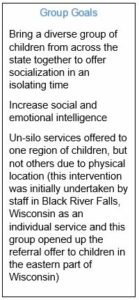
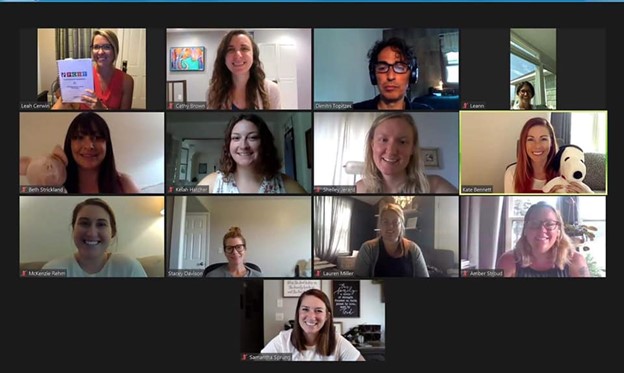
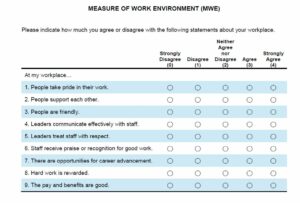




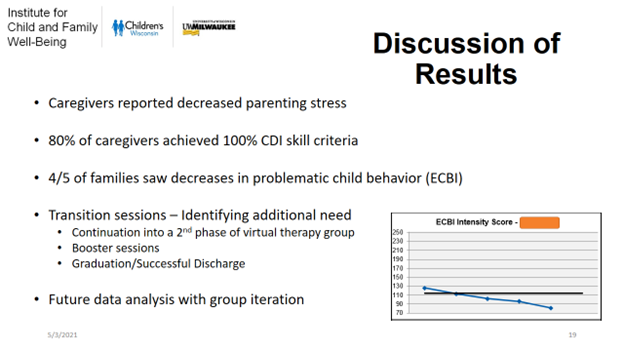
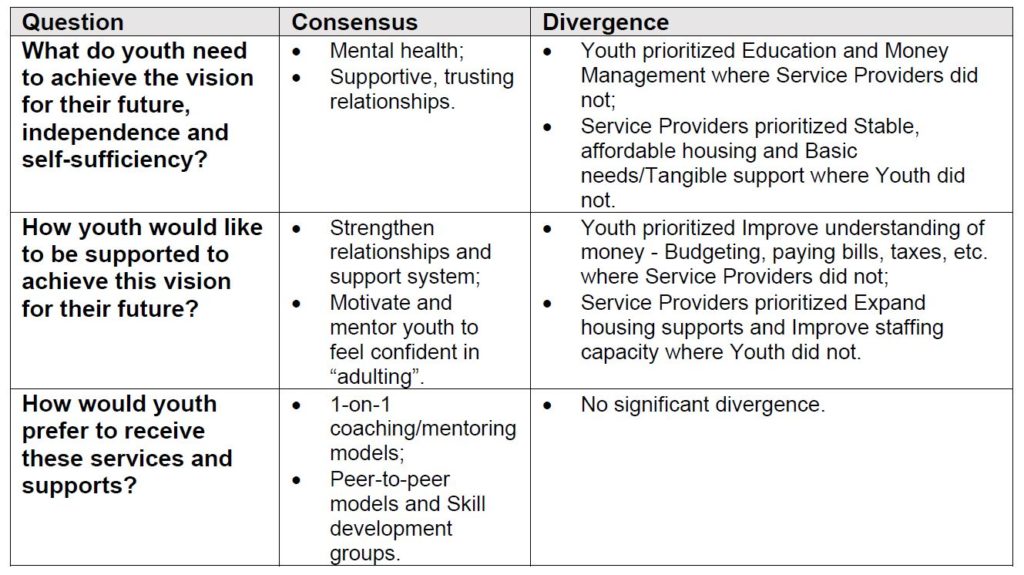







 Parenting with P.R.I.D.E. – Group-based, Virtual Parent-Child Interaction Therapy