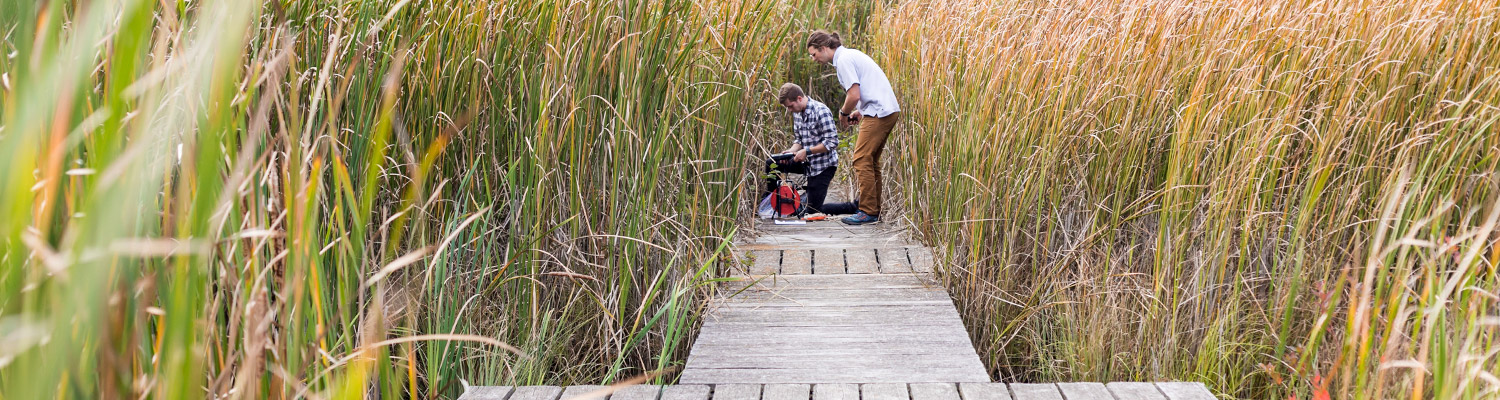
Environmental Engineering BSE
At UW–Milwaukee, our environmental engineering degree program prepares you to protect and improve the world around you through innovation, sustainability, and hands-on learning.
Why Choose UWM?
Real-world impact: Learn to design solutions for clean water, waste management, pollution control, and sustainable infrastructure — tackling today’s most urgent environmental challenges.
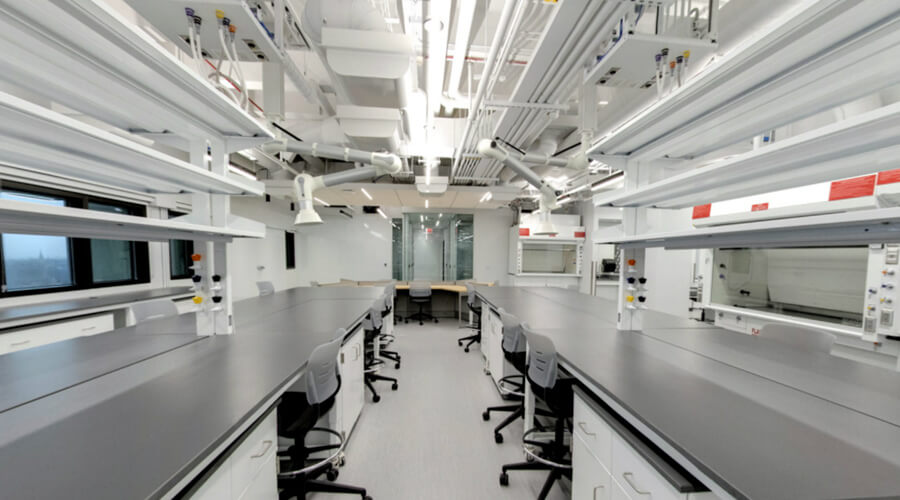
Research at an R1 university: Work alongside expert faculty in advanced labs and field projects focused on water quality, sustainability, and environmental technology.
Location advantage: Study in Milwaukee — a national hub for water technology and sustainability located next to Lake Michigan — with access to internships, co-ops, and partnerships with leading environmental firms and public agencies.
Hands-on learning: Gain practical experience through labs, senior design projects, and industry collaborations that prepare you for real-world engineering practice.
Customize your environmental engineering academic path: Focus your studies in areas like water and wastewater treatment, air quality, environmental remediation, or sustainable energy systems.
Program Type
Major
Program Format
On Campus
Environmental Engineering Career Outlook
Environmental engineers work to improve drinking water supply, public health, recycling, and sustainability, and also to control water and air pollution, and manage waste. They may work on waste treatment, wastewater treatment, site remediation, or pollution control technology.
2024 Median pay is $104,170/year*
*U.S. Bureau of Labor Statistics

What to Expect
Increased speed to graduation
Our new and redesigned curriculum makes it easier and faster for you to complete your environmental engineering degree program. You’ll also find greater flexibility in the electives available to customize your experience.
What makes our environmental engineering program stand out
The UWM Environmental Engineering degree program empowers students to become innovative professionals who design and build solutions to today’s most pressing environmental challenges. By combining the principles of engineering, soil science, biology, and chemistry, you’ll learn to create sustainable infrastructure systems that protect and improve our world.
Through a blend of classroom learning, hands-on labs, and real-world field experiences, you’ll graduate ready to make an impact from day one.
Honors
You will be eligible for these honors in the major during your studies and upon completing your degree.
Students at UWM have many opportunities to earn honors recognition.
Get hands-on experience in environmental engineering outside of the classroom
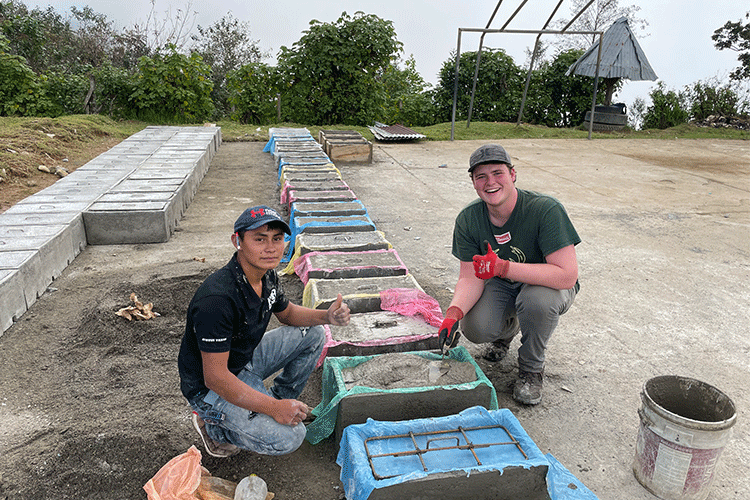
UWM’s College of Engineering & Applied Science program provides many opportunities to pair classroom learning with real-world experiences and applications outside the classroom. The college’s location in Wisconsin’s largest city, with a broad network of industry partnerships, gives you easy access to well-paid internships and co-ops, as well as other important opportunities to enhance your resume.
Did you know?
- $76,000 average starting salary
- Students often earn more than $8,000 in full-time, work-related internships in summer.
- SOURCE: UWM First Destination Survey for the College of Engineering & Applied Science, 2023-2024
We’re here to help
Our dedicated Center for Student Experience & Talent (SET) works with our students to prepare them for a career after graduation.
What you’ll do with an Environmental Engineering degree:
- Prepare, review, and update environmental investigation reports
- Design environmental protection projects, such as water reclamation facilities or air pollution control systems
- Obtain, update, and maintain plans, permits, and standard operating procedures
- Provide technical support for environmental remediation projects and for legal actions
- Analyze scientific data and do quality-control checks
- Monitor the progress of environmental improvement programs
- Inspect industrial and municipal facilities and programs in order to ensure compliance with environmental regulations
- Advise corporations and government agencies about procedures for cleaning up contaminated sites
Advising

- Academic Advisor, Undergraduate Advising
- Students with last names A-G
- wisnowsk@uwm.edu
- 414-251-5368
- Engineering and Mathematical Sciences 386

- Senior Advisor, Undergraduate Advising
- Students with last names beginning H-O
- Prospective Transfer Student Liaison
- currentt@uwm.edu
- 414-229-2203
- Engineering & Mathematical Sciences E385B

- Senior Advisor, Undergraduate Advising
- Students with last names beginning P-Z
- Prospective Student Liaison
- klumpp@uwm.edu
- 414-229-5193
- Engineering and Mathematical Sciences E385C
Tutoring
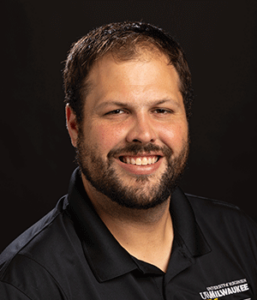
- Retention Coordinator, Tutoring
- Student Support Center Coordinator
- Freshmen Orientation Instructor
- Ander675@uwm.edu
- 414-229-3882
- Engineering & Mathematical Sciences 386B
Faculty & Staff

- Professor, Civil and Environmental Engineering
- li@uwm.edu
- 414-229-6891
- Engineering and Mathematical Sciences E321

- Professor, Civil and Environmental Engineering
- liao@uwm.edu
- 414-229-4228
- Engineering and Mathematical Sciences E363
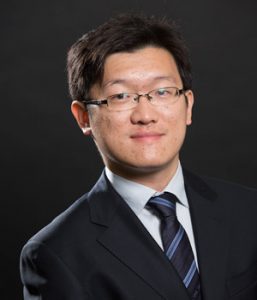
- Richard and Joanne Grigg Fellowship
- Professor, Civil and Environmental Engineering
- wang292@uwm.edu
- 414-251-6446
- Engineering & Mathematical Sciences E371G
Street Address
College of Engineering & Applied Science
3200 North Cramer Street
Milwaukee, WI 53211
Mailing Address
College of Engineering & Applied Science
P.O. Box 784
Milwaukee, WI 53201-0784