
Living abroad involves emotional adjustment, cultural learning, navigating a new academic system and knowing how to take care of yourself in a new environment.
Adjusting to Life Abroad
Once abroad, it might take some time to adjust to your new country, and you may experience homesickness, frustration or cultural adjustment, especially early in your program.
We encourage you to stay engaged with your program, build routines, connect with others and take advantage of on-site program resources. Reach out to your on-site contact early if something does not feel right. If challenges feel overwhelming or persist, program staff and UWM study abroad staff are here to support you.
As you adjust emotionally, you may begin to notice differences in everyday routines, communication styles and cultural norms. Learning how these differences show up is an important part of settling into life abroad.
Understanding Cultural Norms & Expectations
In your host country, you will notice different cultural norms, communication styles and daily expectations from what you’re used to back home. It’s important that you respect local laws, customs and community standards. Approaching any differences you encounter with curiosity and openness will help you navigate unfamiliar situations and build meaningful cross-cultural understanding. Over time, you’ll likely find unexpected moments of growth and perspective.
Academics Abroad
Adapting to a new academic system is an important part of your experience.
- Be aware of and respect cultural differences, such as timeliness and using respectful titles in greetings and communication.
- Expect different teaching styles. Classes abroad may be more lecture‑based, discussion‑heavy or independent‑study focused.
- Stay organized and keep up with your coursework. Assessments may rely heavily on fewer exams or major papers.
- Ask questions early. Professors and local students can help clarify expectations.
- Use campus resources like tutoring, study groups or academic advisors abroad.
- Save your syllabi in case course approvals are needed later.
Staying Connected
Staying connected, both to UWM and to people you trust, is important.
- Continue to check your UWM email regularly; email is the primary way that the Center for International Education (CIE) shares updates.
- Make sure your phone is set up for multi-factor authentication (MFA) before and during your time abroad to avoid getting locked out of any important accounts.
- Plan ahead for how you’ll communicate with your family and friends back home. Set expectations with your family and friends so you are all on the same page. During your pre-departure orientation, CIE will review communication tools.
Safety & Emergency Support
Feeling safe, knowing how to take care of yourself and where to turn for help can give you peace of mind as you navigate a new environment. For tips on staying safe and emergency support while abroad, visit the Health & Safety page.
Reflecting On Your Experience
Taking time to reflect can help you stay aware of how your experience is taking shape. Think about the following:
- What choices am I making daily that are shaping this experience (who I spend time with, how I show up, what I avoid)?
- Where am I choosing comfort over growth, and what would it look like to shift that?
- How am I showing up in ways that add to, respect or shape the communities and environments around me?
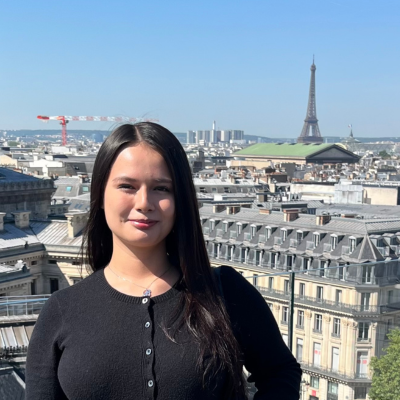
I really loved the simplicity and slow lifestyle in Paris. Sitting down, enjoying an espresso and just slowing down is something I really enjoyed. Being outside and walking everywhere was really nice; Paris is such a walkable city. I look forward to continuing that tradition in Milwaukee if I can.