UWM gerontology expert raises awareness of elder abuse

Abuse and neglect of seniors cuts across all groups, and its prevalence is likely to rise as the U.S. population ages, says Colleen Galambos. But there are actions we can take to help.
News from the University of Wisconsin-Milwaukee
Abuse and neglect of seniors cuts across all groups, and its prevalence is likely to rise as the U.S. population ages, says Colleen Galambos. But there are actions we can take to help.
Some older adults respond well to annual flu vaccines, but others don’t. UWM scientist Helen Meier is trying to figure out why, and her work made her one of three Shaw award recipients this year.
Sarah Philippi was one of just 60 students from around the country chosen to present their research work at Posters on the Hill in Washington, D.C. She is only the second UWM student ever selected for this honor.
Vaping is increasingly common among teens in Wisconsin but largely outside the reach of government regulation. Exploring the issue benefited both UWM students and the American Lung Association.
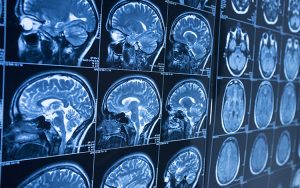
UWM chemist Shama Mirza admits that luck was on the side of researchers when they discovered a compound that slows the growth of an aggressive cancer, glioblastoma, in animal testing.
A research university runs on federal grant funding. UWM had $58 million in research expenditures in fiscal year 2018, with more than half coming from federal agencies.
Three researchers from UWM have won a grant from the National Institutes of Minority Health and Health Disparities to test one hypothesis about why children born into poverty are more likely to develop chronic illnesses.
Tobacco products were pushed to a greater degree in African-American and Hispanic areas than white areas in Milwaukee, matching results in other cities, according to a study led by a UWM researcher.
Jennifer Doering has been selected as associate dean of academic affairs for the UWM College of Nursing.
An international team of researchers, including Paul Auer at UW-Milwaukee, has recently identified 48 genes associated with a woman’s predisposition to breast cancer – 34 that were implicated in previous research and 14 new genes.