Health

Physical therapy students help cancer survivors continue their recovery
UWM physical therapy students work with cancer survivors in a free program to help with their recovery and improve their quality of life – another example of UWM’s community engagement.
Helping men transition to fatherhood brings UWM into homes, hospitals
From driving their girlfriends or wives to prenatal appointments to learning how to cope with chronic stressors like urban poverty, young Milwaukee men are transitioning into fatherhood with insight from UWM professors, community partners and a desire to be there for their infant sons and daughters.
UWM study finds need for improved services for older LGBT adults in Milwaukee
Older LGBT adults consider Milwaukee a gay-friendly city, but say there’s room for improvement when it comes to senior services, their primary care doctors and their elected officials. These findings and others are highlighted in a new UWM study.
UWM psychologist finds link between PTSD and prison
Americans who spend time in prison are nearly twice as likely to suffer post-traumatic stress disorder than those who don’t.
Five ways UWM is changing the way we eat

In an age where processed foods dominate our diets, UWM researchers are working to give us a fuller picture of why we consume certain foods – and how we can eat healthier.
In a city known for high infant death rates, here are 5 ways UWM is improving babies’ lives
UWM scholars, experts and researchers are working in partnership with many others locally and across the nation to reduce infant mortality rates and improve the quality of life across generations for families and their babies.
UWM nurse developing pod to protect babies sleeping with parents
To help protect infants, Jennifer Doering developed the “Night Owl Sleeper,” an oval-shaped pod that sounds an alarm if bedding falls on it or an adult rolls over.
Clues to a city’s health may be found in its sewage
UWM research suggests that sampling a city’s sewage can tell scientists a great deal about its residents – and may someday lead to improvements in public health.
Barely noticed, 1.3 million spend their youth caring for adults
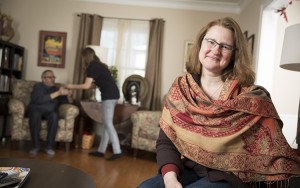
An estimated 1.3 million youth ages 8 and 18 help care for family members with serious health conditions.
UWM engineer builds device to show how blood flows when we think
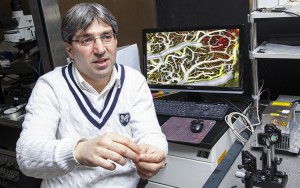
UWM engineer Ramin Pashaie’s device could help answer a particularly puzzling question – how blood is directed to the brain to power thinking.