Alumna researches ways to prevent and treat dangerous blood vessel diseases
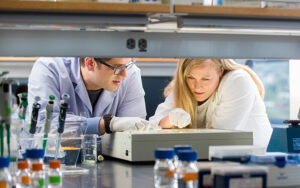
Sarah Parker is studying what’s happening inside large blood vessels to find better ways to diagnose and treat threatening conditions like atherosclerosis and aneurysms.
News from the University of Wisconsin-Milwaukee
Sarah Parker is studying what’s happening inside large blood vessels to find better ways to diagnose and treat threatening conditions like atherosclerosis and aneurysms.
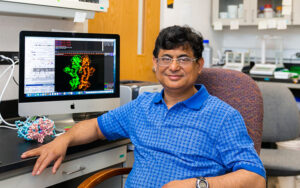
The work of UWM researcher Madhusudan Dey could help find targets for new drugs to treat diseases caused by protein misfolding, such as Alzheimer’s disease and Parkinson’s disease.
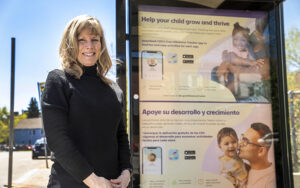
Kris Barnekow, associate professor of health sciences, is leading the two outreach projects in Milwaukee with funding from the Centers for Disease Control and Prevention.
Froedtert Hospital has announced an agreement to establish an $11.5 million Froedtert Hospital Scholarship Program that will benefit the University of Wisconsin-Milwaukee and Milwaukee Area Technical College.
Health professionals treating hard-to-heal wounds have long been saddled with inadequate tools. Now, two UWM researchers have invented a better way.
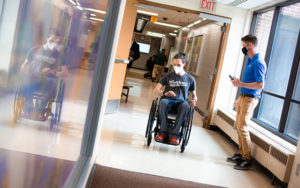
Zooming through empty hallways in various wheelchairs, UWM occupational therapy students tested and learned about the mobility technology they will one day be using to help patients regain and maintain their independence.
The honor recognizes Ava Udvadia’s research into the genetics that allow healing of nerve damage, along with her efforts to encourage undergraduates to participate in that work.
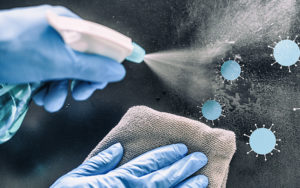
To combat the spread of COVID-19 on surfaces, UWM engineering professor Konstantin Sobolev is developing a long-lasting surface spray that repels and sterilizes droplets potentially carrying the virus.
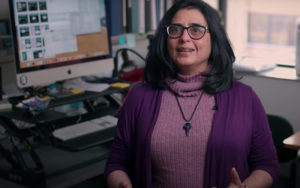
The Dear Pandemic initiative was launched by an all-female team of scientists, including UWM researcher Amanda Simanek, to provide accurate information about COVID-19.
TimeSlips, a postcard project to ease the isolation of COVID-19 lockdowns for those in care homes, bloomed from Anne Basting’s research on dementia and art.