UWM scientists find an artificial intelligence solution for stubborn wounds
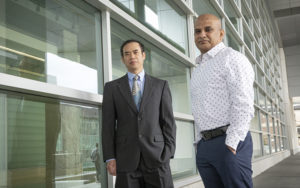
Health professionals treating hard-to-heal wounds have long been saddled with inadequate tools. Now, two UWM researchers have invented a better way.
News from the University of Wisconsin-Milwaukee
Health professionals treating hard-to-heal wounds have long been saddled with inadequate tools. Now, two UWM researchers have invented a better way.
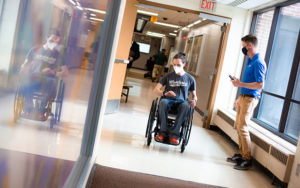
Zooming through empty hallways in various wheelchairs, UWM occupational therapy students tested and learned about the mobility technology they will one day be using to help patients regain and maintain their independence.
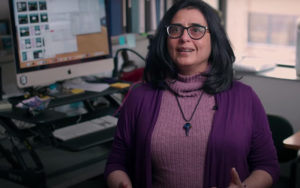
The honor recognizes Ava Udvadia’s research into the genetics that allow healing of nerve damage, along with her efforts to encourage undergraduates to participate in that work.
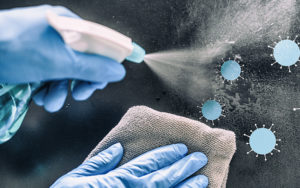
To combat the spread of COVID-19 on surfaces, UWM engineering professor Konstantin Sobolev is developing a long-lasting surface spray that repels and sterilizes droplets potentially carrying the virus.
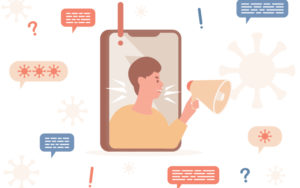
The Dear Pandemic initiative was launched by an all-female team of scientists, including UWM researcher Amanda Simanek, to provide accurate information about COVID-19.
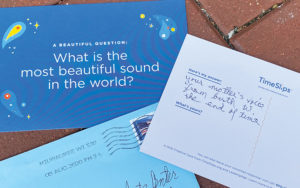
TimeSlips, a postcard project to ease the isolation of COVID-19 lockdowns for those in care homes, bloomed from Anne Basting’s research on dementia and art.
To predict how the COVID-19 pandemic may ultimately affect the airline industry’s bottom line, James Peoples studied how the 2013 SARS outbreak affected airlines in the Asia-Pacific region.
Before the first COVID-19 cases appeared in the U.S., David Frick began researching the group of proteins that lets the COVID-19 virus multiply.
Simone Conceição’s online education research on how to keep students engaged in virtual learning has proven critically important during the COVID-19 pandemic.
COVID-19 communication in mass media often involves graphs. Min Sook Park’s research investigates how the public’s understanding of these graphs affects perceptions of the pandemic’s severity.