Despite our best efforts, bugs sometimes enter the living areas of buildings. Insects often make an appearance around outside temperature changes. While most are harmless, some do harm. Therefore, University Housing has created this bug identification cheat sheet. This will help you identify which insect it is so that we can have Pest Control bring the proper chemicals. For example, box elder bugs look like cockroaches but require a different treatment. It is the same between American cockroaches and German cockroaches. When you see a crawly you would like us to address, try to take a clear picture of it (macro if your phone has that option) or use these pictures to give us more data for our response. Then, place a work order and attach the picture to the work order.
If you suspect that you have bed bugs, go to your service desk right away and inform them so it can be assessed immediately. Thanks for the assistance!
Bug Identification
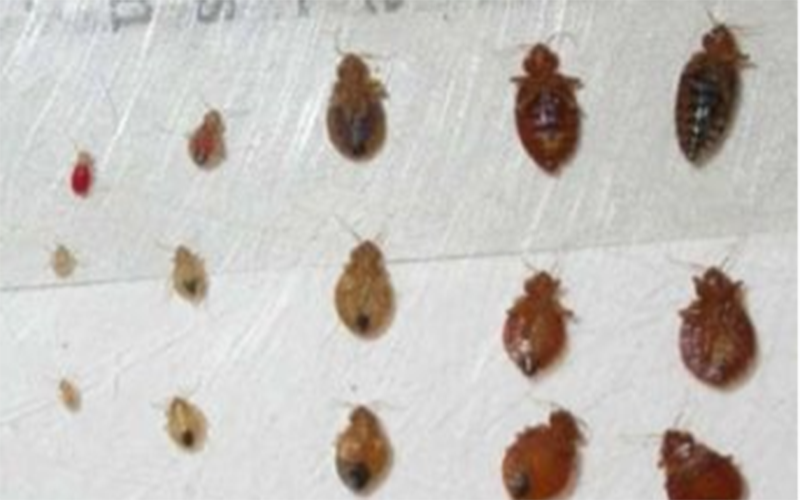
Bed Bug
Bed bugs are reddish-brown in color and are about the size of an apple seed when they reach adulthood. Their bodies are flat and oval-shaped. They are most commonly found in mattresses or bed frames. They cannot be resolved without professional exterminator intervention.
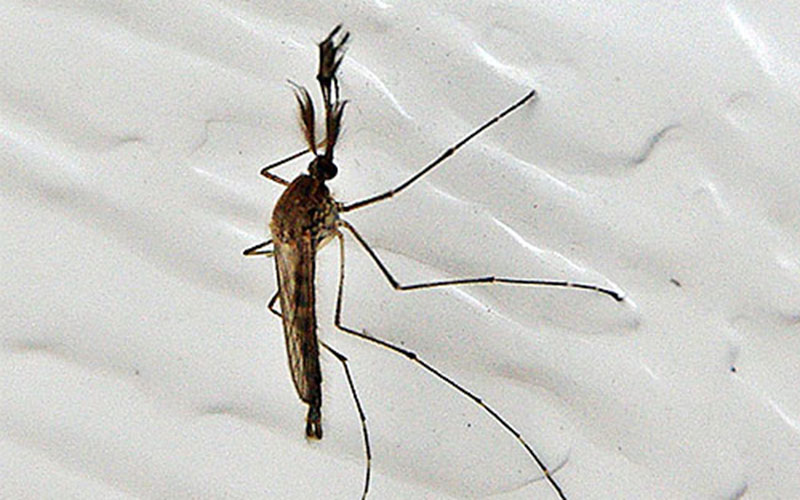
Midge – “Lake Fly”
Midges, or commonly referred to as “Lake Flies”, are flies that are often found near bodies of waters such as lakes and ponds. They have slender, elongated bodies. Their eyes are large, taking up most of their head. They can range in color from white/yellow to dark brown or black. They are often attracted to lights. They start to appear in late spring, peak in summer, and then taper off as fall approaches.
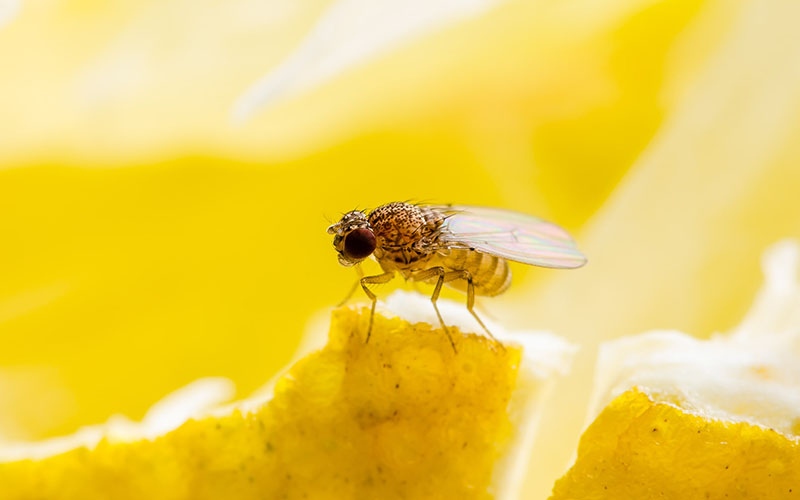
Fruit Fly
Fruit flies are very small and attracted to rotten and fermented fruits and vegetables as well as wine, beer, vinegar, and fruit juice. The best way to deter fruit flies is to ensure no rotting food is present in your room. Take trash out frequently.
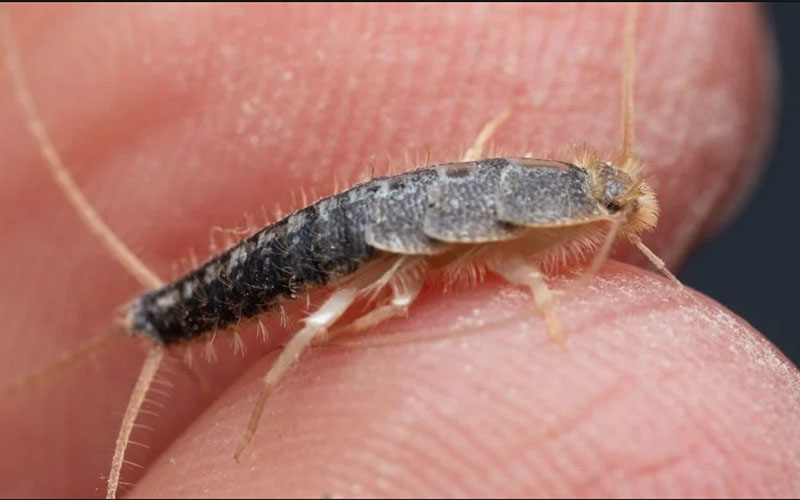
Silverfish
Silverfish have teardrop bodies that taper at the end and are between 0.5 and 0.75 inches long. They are covered in silvery, metallic-look scales. Three long bristles extend at the end of their body. Silverfish are attracted to water accumulation and high levels of humidity. Be sure to clean up any spills thoroughly to avoid these bugs. Wipe up any services that get wet.
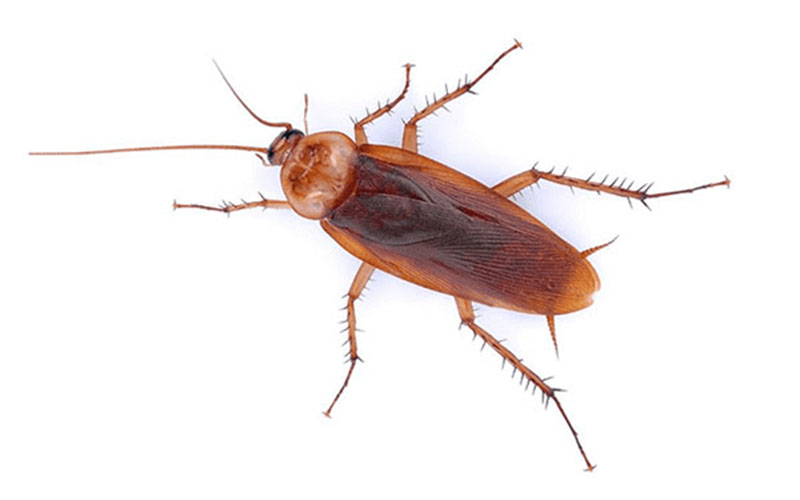
American Cockroach
American cockroaches are reddish-brown and have long, flat, wide bodies with six legs and two long antennae protruding from the head. They typically have a light brown/yellow band at their “neck”. They are attracted to areas with food. Ensure to store all food properly and dispose of any rotten food.
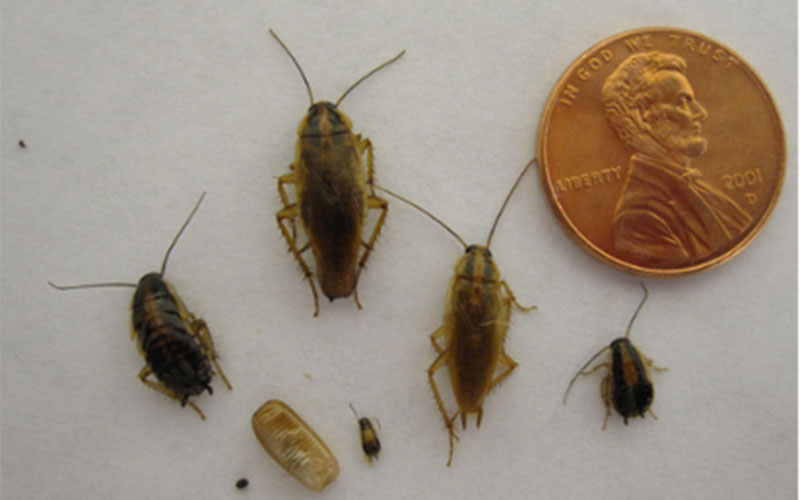
German Cockroach
German cockroaches are brown to dark brown in color and have two parallel stripes on their thorax. They typically are attracted to food and moisture. They avoid light, so often come out during dark hours. They are most often found in kitchens and bathrooms. Ensure to store all food properly and clean up any spills thoroughly. Wipe down any services that get wet.
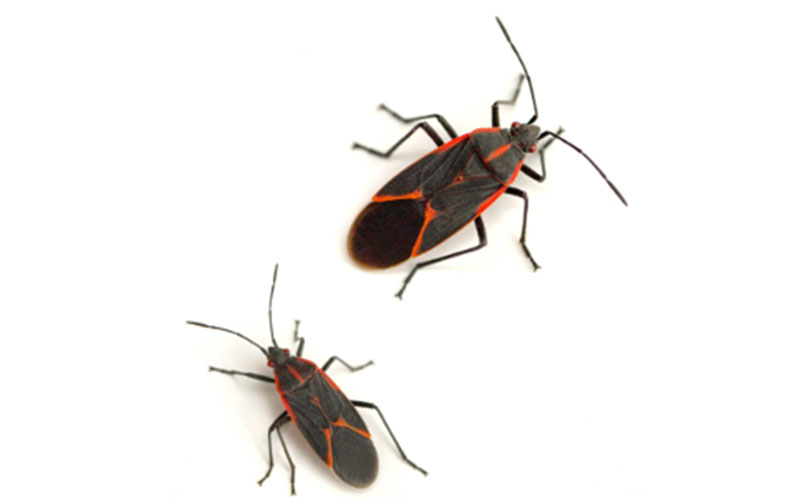
Box Elder Bug
Box Elder Bugs are black/dark brown with reddish or orange markings and are generally 0.5 inches long. The are oval and flat with six legs and two antennae. These bugs feed on leaves, flowers, and plant seeds. They do not bite and do not destroy structures.
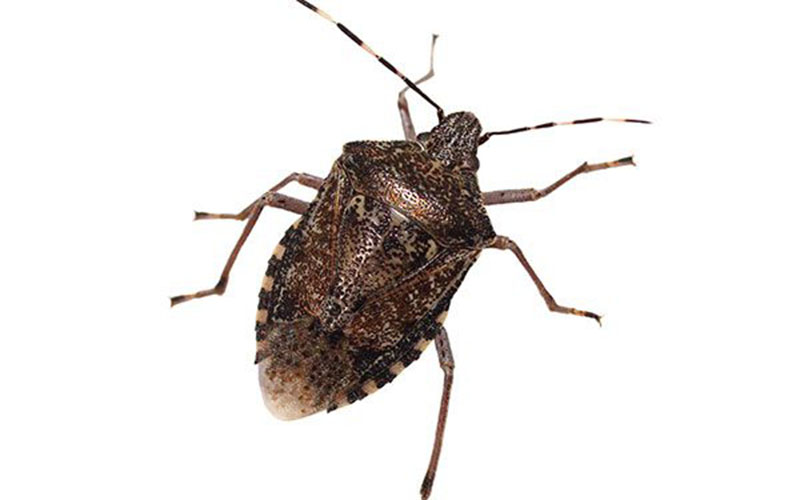
Stink Bug
Stink bugs are marbled grayish-brown and about 0.75 inches long. They are oval shaped. They are generally most present in fall as they are looking for a warm area and are commonly found near doors, windows, and outside entry points. They do not bite or sting and are not harmful to people. They do have a pungent smell when crushed or feel threatened.
What to do
When you see a crawly you would like us to address, try to take a clear picture of it (macro if your phone has that option) or use these pictures to give us more data for our response. Then, place a work order and attach the picture to the work order.
If you suspect that you have bed bugs, go to your service desk right away and inform them so it can be assessed immediately. Thanks for the assistance!