Bugs in the News XVII
Howdy BugFans, The BugLady is deep into putting together a newsletter she curates, so here are someone else’s words for a change. If it’s a bit ant-heavy, well, there are a lot of ants. BUT – a little housekeeping before …
Howdy BugFans, The BugLady is deep into putting together a newsletter she curates, so here are someone else’s words for a change. If it’s a bit ant-heavy, well, there are a lot of ants. BUT – a little housekeeping before …
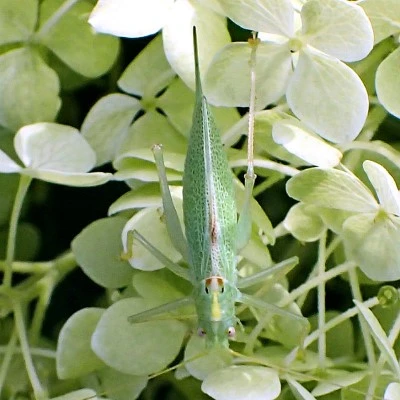
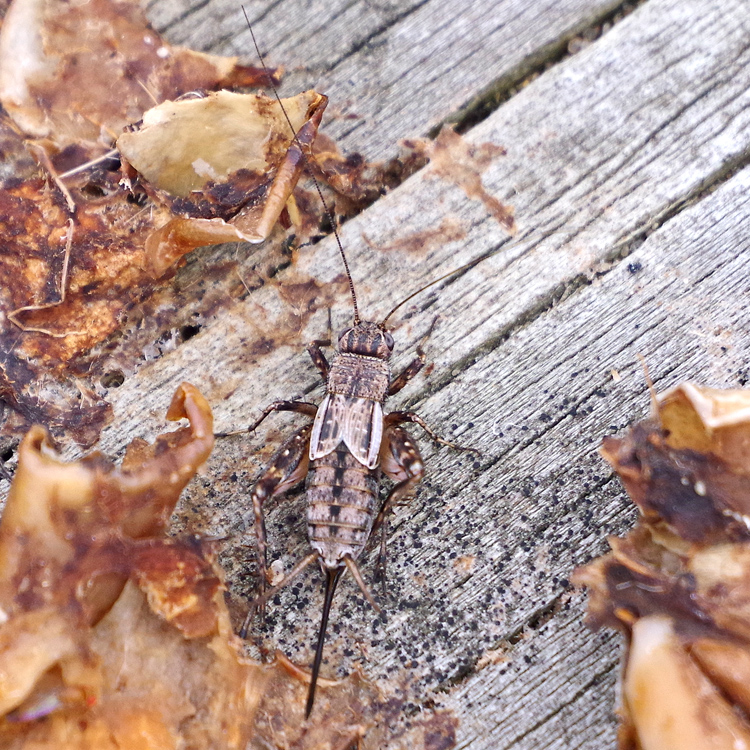
Howdy, BugFans, The BugLady has always wanted to see a trig, because – what an interesting name for an insect (a name, it turns out, that’s a shortened version of its family, Trigonidiidae). Trigs, members of the grasshopper/cricket/katydid order Orthoptera, are …
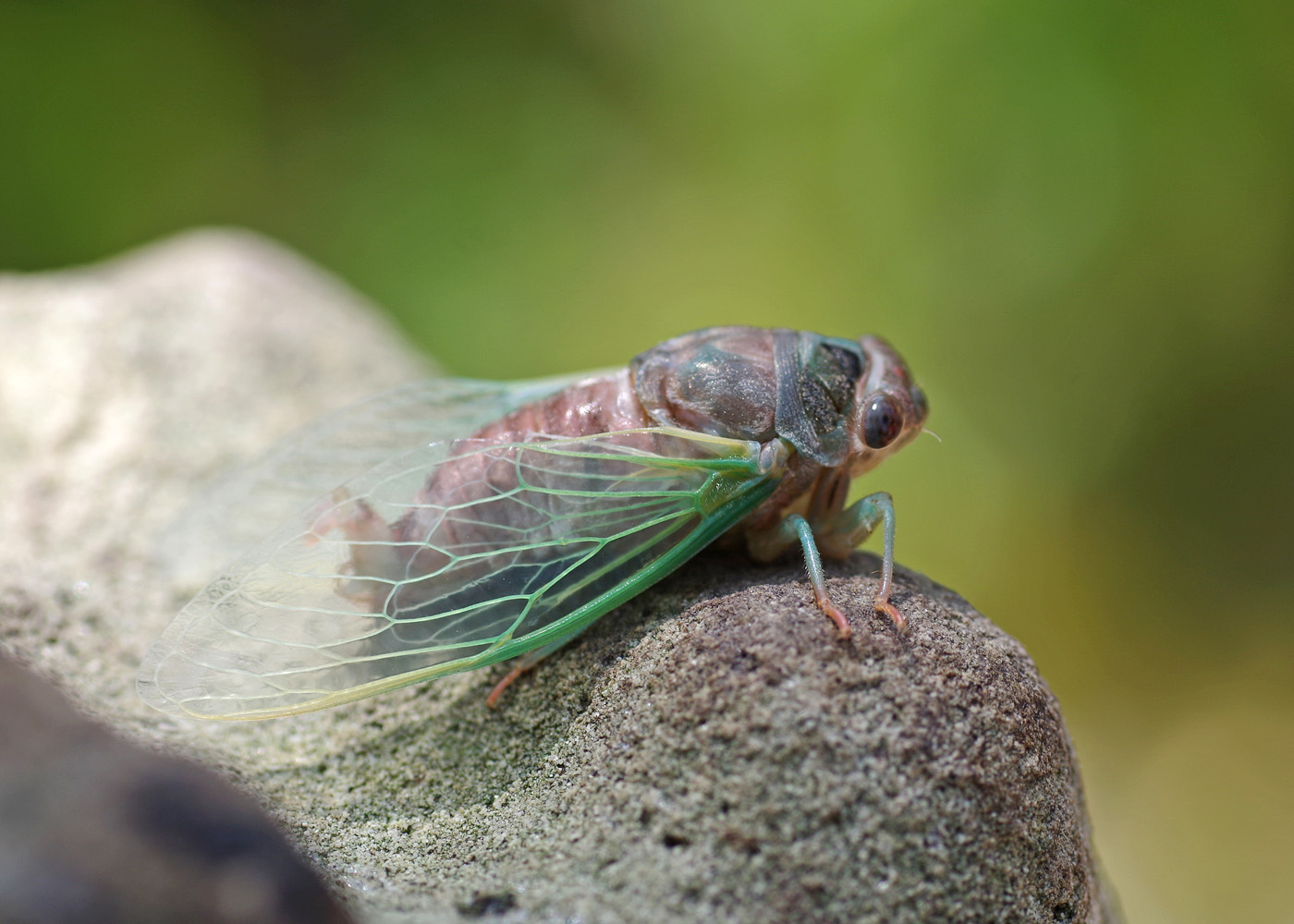
Note: All links leave to external sites. Howdy, BugFans, Sometimes you go looking for insects, and sometimes the insects find you. The BugLady came back to her car from the Post Office one sunny afternoon in August and discovered this stunning …
Note: All links leave to external sites Howdy, BugFans, A while back, BugFan Tom sent these pictures of a Carolina leaf-roller cricket from the Deep South. Carolina leaf-roller crickets (Camptonotus carolinensis) are in the family Gryllacrididae, the Raspy crickets, a …
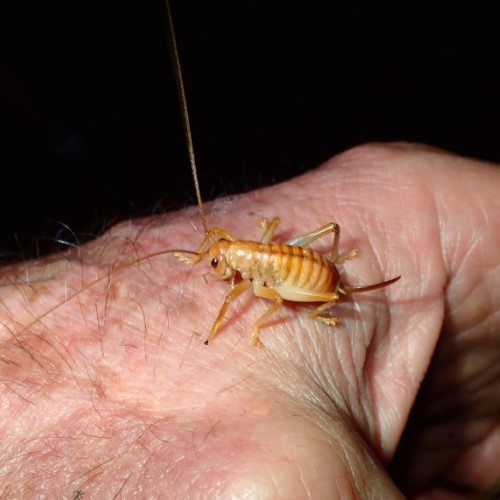
Note: Most links leave to external sites Howdy, BugFans, BugFan Carl sent the BugLady a “What-is-it?” picture recently of an insect that had met an untimely end in his basement. It was a camel cricket, an awesome critter that the …
Note: All links leave to external sites. Howdy BugFans, Instead of slaving over a hot computer, the BugLady has been hanging out on the hawk tower. The Red-tails were blowing past sideways on Tuesday. Here’s a rerun from eight years …
Note: Some links below go to external sites. Howdy, BugFans, The general rule of thumb is that if you want to find insects, look at flowers. Even though summer is fading, there are still flowers in bloom. Some Liatris/blazing stars …
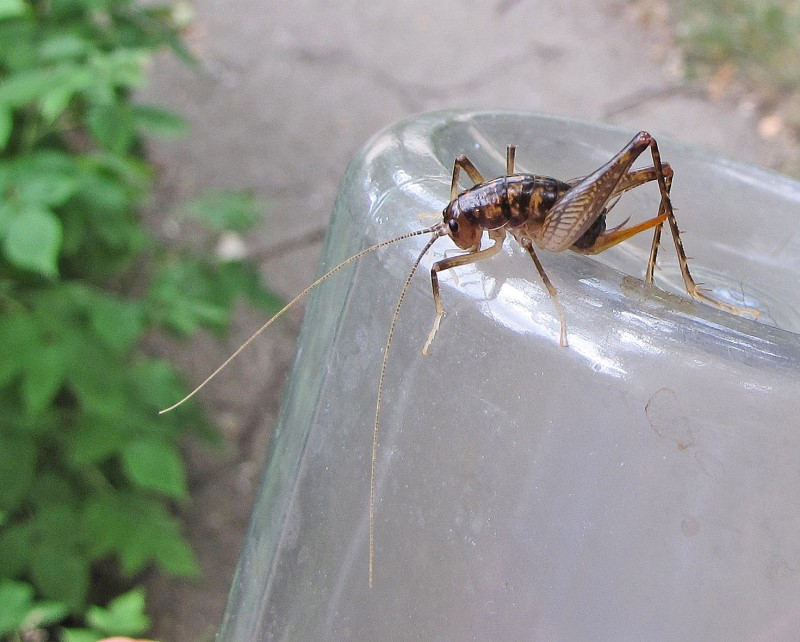
Howdy, BugFans, So – a cricket is a cricket is a cricket, right? The BugLady wrote a little bit, early on, about that poster child of crickets, the ubiquitous, chunky, glossy-black Field cricket (she may have to revisit that one). And, …
Forest Beach Migratory Preserve is a repurposed golf course north of Port Washington (WI), owned by the Ozaukee Washington Land Trust. It’s mainly grassland, with woods and some brushy areas, and it was designed to serve as a stopover/refueling “bed and breakfast” for migrating birds. Water hazards were turned into small ponds, more ponds were dug, and tall grass prairie plants were planted.
Thanks to all of you who send links to interesting articles about bugs (there have been a bunch, lately, about the dramatic decline of insect populations). This week we’re going to take a look at a selection of these articles and bugs.