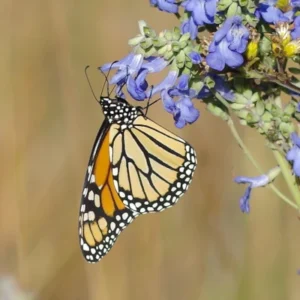
Howdy, BugFans,
THEY’RE COMING!!!
It’s barely spring, officially – way too early to be thinking about butterflies, right? Nope. The first butterflies of the year have already been reported on the Wisconsin Butterflies website (Butterflies — wisconsinbutterflies.org) (which also serves your Tiger beetle and Robber fly needs).
Our first butterflies are usually the anglewings (commas and Question Marks Anglewings (Family Nymphalidae) – Field Station) and the Mourning Cloaks Mourning Cloak Revisited – Field Station. Why? Because they go through the winter as adults, tucked up into a sheltered spot (called a hibernaculum). These are the species that are seen by people tapping maple trees in the Sugarbush during the warm days of late winter. When the cold returns – and it always does, except in the bizarre spring of 2012 – they seek shelter again. They are able to be abroad in early spring, before the wildflowers bloom, because they feed on sap from sap drips, juice from rotting fruits, and minerals from animal droppings.
The other early butterflies are species that overwintered as a chrysalis and emerged in spring – Cabbage Butterflies Cabbage Whites and Sulphurs Redux – Field Station and a couple of “blue” butterflies, the Eastern Tailed-Blue and the “Spring” Spring Azure Small Blue Butterflies – Field Station. In very warm years, early individuals of these species have been recorded in late March. Our first Monarch sightings usually come in May.
Back to the Monarchs. A year ago, winter censuses of the eastern and western populations, Monarch Butterfly showed that numbers were down The Monarch Butterfly Problem – Field Station. This year’s census found eastern Monarchs occupying 64% more territory in Mexico’s oyamel fir forests than last year. Not a home run, but reason for optimism Late Mar. 2026 update: What do the numbers in Mexico mean? – Wisconsin Monarch Collaborative.
Monarchs are on the way! Check the Journey North interactive map – Journey North Maps. For more information, see Wisconsin Monarch Collaborative.
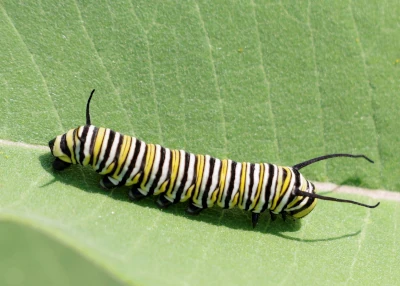
Mike Reese has built a wonderful community of butterfly-lovers who make reports to the Wisconsin Butterflies website; and while it is more anonymous, the Wisconsin Odonata Survey website (Wisconsin Odonata Survey) contains a treasure trove of information. Where do all those reports come from? Us – they are two examples of Citizen/Community Science projects here in Wisconsin! Register with the site, keep track of the butterflies and/or dragonflies/damselflies you see on your walks or in your back yard (you need to take a nose count of the butterflies but not of the dragonflies), and then log on to record what you’ve seen. Both sites accept pictures.
The Journey North organization offers another Community Science project called the monarch larva monitoring project Monarch Larva Monitoring Project.
Go outside – look for butterflies!
The BugLady