For students, college is an exciting time, filled with new experiences and opportunities — and new challenges. Many students might be away from home, managing their own finances and health care needs, for the first time. Others may be the first in their families to attend college at all.
At UWM, employees in a variety of roles are committed to helping students navigate these hurdles and succeed on campus. From saving money with free and low-cost textbooks to making dining more accessible, here’s a look at some of the staff who are making a difference for students every day.
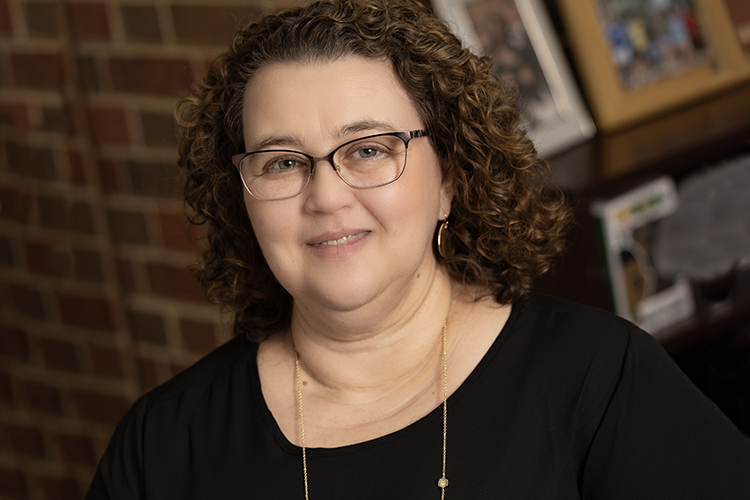
Kristin Woodward
Academic librarian
Textbooks can add nearly $1,000 to the cost of a college education, adding to the struggle for students trying to make ends meet.
Over the past two decades, Kristin Woodward, an academic librarian at UWM’s Golda Meir Library, has helped ease that burden. Through her leadership of UWM’s open textbook initiative, she has worked with instructors to provide free and low-cost textbooks, lab manuals and scholarly articles for students.
“Students have told me that the financial burden would have kept them from completing their coursework if they didn’t have open textbooks in their courses,” Woodward said.
Woodward has focused on expanding the use of open textbooks in introductory courses, such as psychology and math, that many students take.
Her efforts have made a lasting impact. More than 43,000 students have been able to access free or low-cost textbooks, saving them collectively over $5 million since the initiative began in 2016.
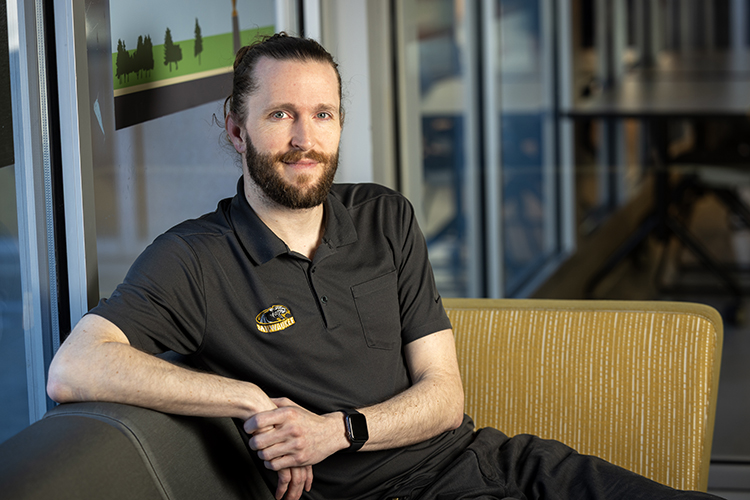
Geoffrey Saure
Food service manager
For some students, UWM’s a la carte meal plan, which charged them for each item they ate, required careful budgeting to make it through a semester. Sometimes, students ran out of money and food.
As food service manager in UWM Dining, Geoff Saure has helped change the dining experience for UWM students. Students can now take as much or as little food as they like with each swipe of their student ID card, giving them consistent access to meals.
UWM moved from a la carte to an anytime, all-you-can-eat dining model in 2022. Saure and his team gathered feedback directly from students to guide menu changes, introduce new cuisine stations and create fun, interactive events like themed dinners and decorate-your-own-cookie nights.
These changes made campus dining more welcoming and enjoyable. But the most important goal was making sure students always have access to enough food.
“Knowing we’re giving students options that actually work for them — that’s what makes it worth it,” Saure said.
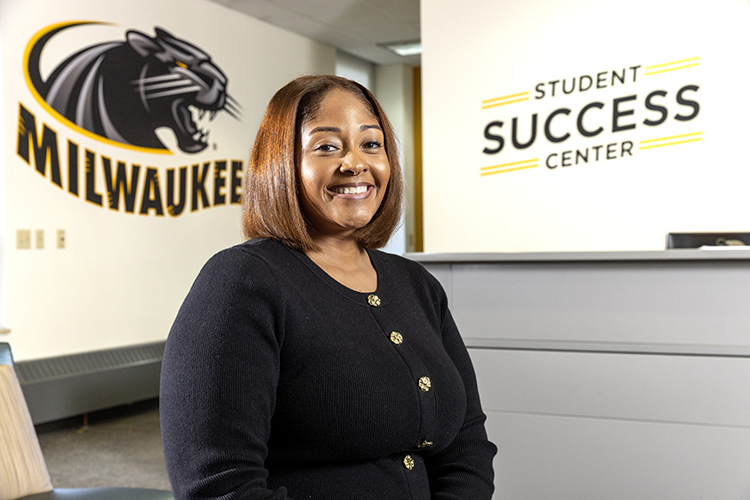
Ariel Milton-Kern
Associate director of cohort programs
When students step onto UWM’s campus, many are navigating college for the first time or may be the first in their families to pursue higher education.
As associate director of cohort programs in UWM’s Student Success Center, Ariel Milton-Kern works closely with students across academically focused cohorts, including Anu & Satya Nadella Tech Education Scholarship scholars pursuing technology-related degrees, to help them find their footing. Through individualized meetings, she supports students in setting goals, navigating academic requirements, and connecting with campus resources that foster both academic and personal success.
In one-on-one meetings, students may arrive feeling nervous and unsure where to begin. Together, they identify small, achievable goals and discuss plans for a desired time frame. Over time, the student’s confidence grows. Tasks that once felt overwhelming, such as navigating course rigor, prioritizing responsibilities and exploring career option become more manageable. Their regular meetings evolve from moments of uncertainty into conversations centered on progress and momentum, eventually becoming something students look forward to.
“Witnessing a student’s growth or achieving a key milestone like overcoming seeking help, embarking on a value-adding connection, or securing an internship is what makes my work meaningful at UWM,” Milton-Kern said.
Alexandria Hall
Lab manager
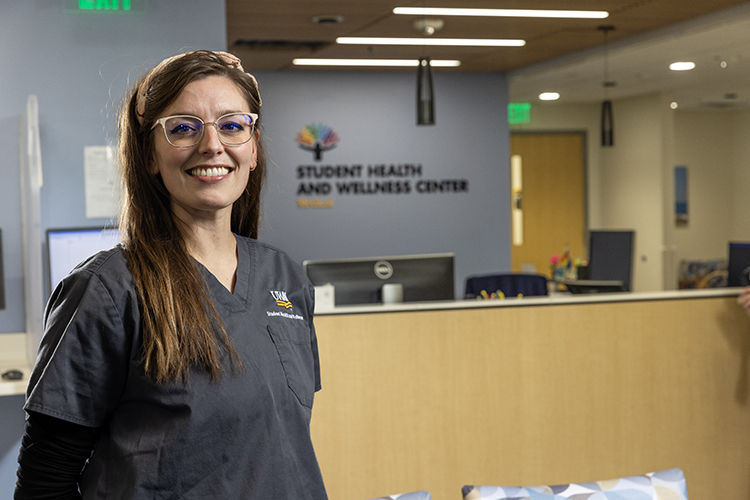
For many students, managing their health on their own for the first time can be overwhelming. Alexandria Hall, lab manager at UWM’s Student Health and Wellness Center (SHAW), sees students navigating these challenges every day.
“When you’re sick, you do feel so vulnerable. I knew I always wanted to go into a field that would help people, and being able to support students during this time of learning and growth is really fulfilling,” Hall said.
Hall works directly with students at SHAW, providing blood draws, lab testing and referrals. She noticed many students didn’t know where to start when it came to accessing health services on their own for the first time.
“Students are often on their own for the first time, figuring out what to do when they’re sick,” she said.
To make care more accessible, Hall is particularly proud of the developed program, Ask a Nurse, that brings campus nurses directly into residence halls. Students can get health information, learn about resources and even schedule appointments on the spot.
“Being able to reach students where they are helps them feel supported, and they know they have a team here to guide them,” Hall said.
Richard Garcia
Department administrator
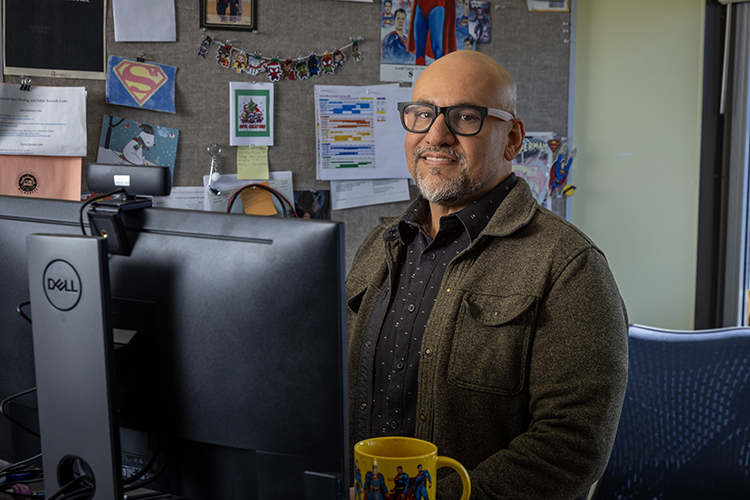
A lifelong superhero fan, Richard Garcia has always wanted to make a difference in ways that truly matter. That drive now shapes his work as a department administrator in UWM’s Engineering and Mathematical Sciences department.
In recent months, Garcia has been working alongside the department chair and assistant chair on the redesign of the fourth-floor space for the Mathematics Department within the Engineering and Mathematical Sciences building. The project focuses on creating modern classrooms and collaborative workspaces that support how students and faculty learn and interact today. He works closely with department leaders to ensure the design reflects the department’s energy, creating spaces where students, faculty and teaching assistants can collaborate and engage.
Together, the team aims to create an environment that reflects the department’s vibrant energy while encouraging collaboration, engagement and connection among faculty, students and teaching assistants.
“My driver is knowing I can support people today, but also tomorrow. That’s really what keeps me coming back every day,” Garcia said.


