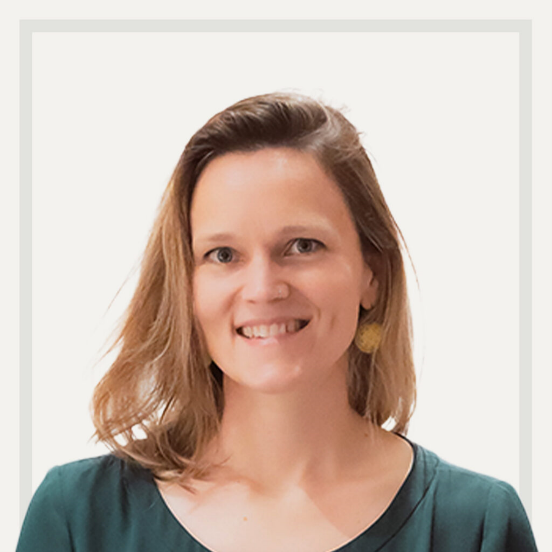
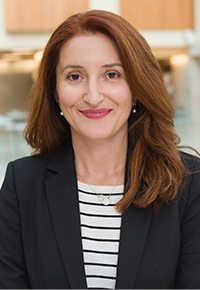
Darejan Dvalishvili

Darejan Dvalishvili

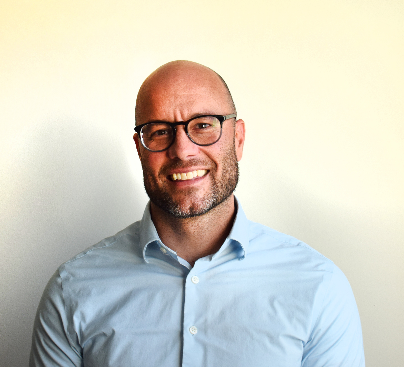
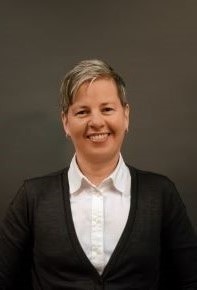
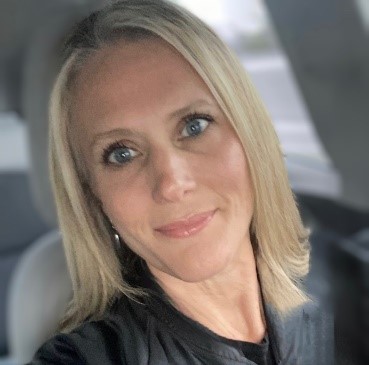
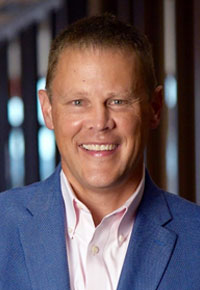
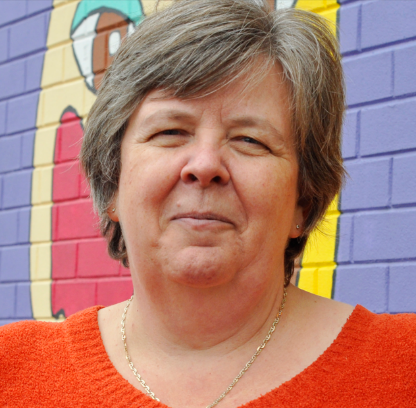
Darejan Dvalishvili is a predoctoral fellow at the Institute for Child and Family Well-Being. She is completing her Ph.D. in social work at Washington University in St. Louis. Her research focuses on intersections of poverty, child maltreatment, and adverse childhood experiences. Following her work with UNICEF and other international and local non-profit organizations, her interests include exploring the impact of various economic interventions on children’s wellbeing both in the US and globally. Darejan earned an MSW from Columbia University (New York, US) and an MD from Tbilisi State Medical University (Tbilisi, Republic of Georgia).

Darejan Dvalishvili
Predoctoral Fellow

Podcast Episodes and Show Notes

Season 4

We now know the child welfare system has a long shadow thanks to the history lesson Prudence Beidler Carr shared with us in episode 4. We also heard powerful stories and testimonies from Valerie Frost, Dr. Pegah Faed and others in episode 5 about what happens to individuals and families in those shadows.

Yet, the dominant narrative in our society still suggests that the system exists to protect children from harm. Yet, as we will hear today from our guest Claudia Rowe, a veteran investigative journalist and author of Wards of the State: The Long Shadow of American Foster Care, over half of all children who have been in foster care end up in the criminal justice system. That is a mission not just unfulfilled, but actively harmful to those children and families, and it costs society—and taxpayers—billions in incarceration, mental healthcare, and lost potential, money that could have been invested in strengthening poor and overloaded families to keep them together in the first place.

This is today’s challenge for journalism and all of us as readers. How do we push beyond the simple, often sensational headline to tell the whole story, connecting the dots between how our systems have come up short, their real-life impacts on kids and families, and the solutions that may exist as an alternative?

Today, we welcome Claudia Rowe, who takes us beyond the narratives of ‘monsters’ and ‘heroes’ that dominate headlines and public discourse. She reveals the immense responsibility of journalism to challenge the dominant narratives it often helped create, and the years of patient, contextual work it takes to truly understand a life shaped by systemic trauma.

Welcome to Episode 6: Shining Light on the Long Shadow


We now know the child welfare system has a long shadow thanks to the history lesson Prudence Beidler Carr shared with us in episode 4. We also heard powerful stories and testimonies from Valerie Frost, Dr. Pegah Faed and others in episode 5 about what happens to individuals and families in those shadows.

Yet, the dominant narrative in our society still suggests that the system exists to protect children from harm. Yet, as we will hear today from our guest Claudia Rowe, a veteran investigative journalist and author of Wards of the State: The Long Shadow of American Foster Care, over half of all children who have been in foster care end up in the criminal justice system. That is a mission not just unfulfilled, but actively harmful to those children and families, and it costs society—and taxpayers—billions in incarceration, mental healthcare, and lost potential, money that could have been invested in strengthening poor and overloaded families to keep them together in the first place.

This is today’s challenge for journalism and all of us as readers. How do we push beyond the simple, often sensational headline to tell the whole story, connecting the dots between how our systems have come up short, their real-life impacts on kids and families, and the solutions that may exist as an alternative?

Today, we welcome Claudia Rowe, who takes us beyond the narratives of ‘monsters’ and ‘heroes’ that dominate headlines and public discourse. She reveals the immense responsibility of journalism to challenge the dominant narratives it often helped create, and the years of patient, contextual work it takes to truly understand a life shaped by systemic trauma.

Welcome to Episode 6: Shining Light on the Long Shadow


For the past four episodes, we’ve been building a foundation. We’ve explored what narratives are, how they work, and why they matter.

We’ve heard how dominant narratives limit our ability to see families clearly and respond to them compassionately.

Today, we’re shifting from the conceptual to the personal. Because dominant narratives don’t just exist in the abstract. They don’t just live in policy briefs or academic journals. They manifest in people’s lives. In doctor’s offices. In school meetings. In a mandated reporters’ decision about whether to call CPS or reach out with support.

They shape who gets to tell their story and whose story gets told for them. Who is seen as an overloaded parent who needs support, and who is labeled as a risk. Who is offered a helping hand, and who has their children taken away.

Today, you’ll hear from people who have lived inside these narratives. People who have felt the weight of them. People who have fought to reclaim their truth.

This is Episode 5: How Dominant Narratives Manifest for Individuals, Families, and Communities.


What happens when a deeply embedded cultural narrative, a story we tell ourselves about unfit parents and unsuitable homes, is codified into federal law? This is the central question that inspired today’s episode. Before we can till the soil and reimagine the narratives and policies that may grow from it, we must first understand the ground we are standing on and how history formed its roots.

Prudence Beidler Carr, Director of the American Bar Association’s Center on Children and the Law, joins us to trace this historical arc that created the modern child welfare system. When I first saw her presentation that she has delivered across the country titled “How Poverty Became Neglect in Federal Law and Policy: A 1961 Magic Trick”, I was both troubled and inspired, so I wanted to bring her on the podcast to explore the narratives and policies that led to the conflation of poverty with neglect and created a legacy of racial disproportionality and systemic harm.

Our conversation asks us to confront difficult questions: How did narratives of ‘unfit’ parents move us from a federal government that invested in families’ economic stability to one that conflated poverty with child neglect? What were the consequences of those harmful narratives and policies for Black and poor families? In turn, how have those legal and policy histories shaped dominant historical narratives in our country? And what might it take to challenge a policy framework that was built upon a false narrative?

Join us for a deep dive into these questions and the hidden history and narratives that built the child protection system.


So far this season, we’ve tracked the big picture, the public narratives that shape our culture. We’ve examined the harmful patterns where radical individualism intersects with caregiving that turns collective crises into personal failures and therefore shrinks our sense of shared responsibility. But today, we’re going inward.

Because these dominant narratives don’t just exist out there in policy or the media. They live inside us. They are the scripts we recite when we look in the mirror, when we look at our neighbors, and when we decide who belongs and who doesn’t.

Jess Moyer and the FrameWorks Institute remind us that these are internalized, creating mindsets that act as filters. Today, we turn inward to examine those internal filters, our mental models, the deeply held beliefs that too often divide us and limit our own capacity for change.

Today, we are asking: What happens when those filters limit us? What happens when the stories we tell ourselves keep us from seeing our own power, or the humanity of the person standing right next to us?

This is Episode 3: The Stories We Tell Ourselves.


Jess Moyer and her metaphors from our first episode still have me thinking. Tilling the soil for social change. Not persuading, not convincing, but rather creating the conditions for new ways of thinking to grow.

But what exactly are we tilling? What lies beneath the surface that needs turning over? What happens when individualism tells us that a child’s outcomes are solely about their parents’ choices? When “care matters most” shrinks what children need down to the walls of a single home? And if narratives are patterns in stories, and framing is about the choices we make in telling those stories, how do we actually make those choices? What does it look like to be intentional about the soil we’re preparing? Understanding these concepts is just the beginning.

Today, Jessica Moyer, Senior Principal Strategist at the FrameWorks Institute, joins me in studio as my co-pilot on our journey to go deeper into the mechanics of narrative change. How do we actually do this work? What are the communication traps that keep us stuck? And how can we make strategic choices in our framing that shift culture and policy? If you’ve been wondering how to apply these ideas in your work, your conversations, or your community, this is the episode where we dig into the how.

Welcome to Episode 2: “We Need Both”: The Science and Stories of Strategic Communication


Over the past three seasons of Overloaded we have explored the forces that overload families, from poverty to social isolation, systemic racism to mistrust of our systems. But this season, we’re looking at something more invisible, the stories behind these forces and how stories shape what we believe, how we act and who we hold responsible.

When those stories get stuck in the past, in fear or in harm, they strengthen those forces and shape the systems and conditions that overload families instead of supporting them. If we want to change outcomes for children and families, we first have to understand the narratives that define how we see them. Those narratives inform our policies and priorities and inspire or shutter what’s possible.

Changing those narratives takes intention, courage and collective effort. Together, we can tell a story that uplifts instead of blames, that prevents harm before it happens. In season four, we’re taking apart the stories that define our families, our communities and our future and building better ones together.

You will hear from the inspiring changemakers that I had the honor of interviewing this past summer at the 2025 Prevent Child Abuse America national conference for their podcast The Shift: Voices of Prevention.

In this episode and throughout the season, you will hear Dr. Nadine Burke Harris, Dr. Bruce Perry, Desmond Meade, Oregon State Representative Annessa Hartman, Samantha Mellerson, and Tshaka Barrows of the Haywood Burns Institute, and Jessica Moyer from the FrameWorks Institute.


The Overloaded: Understanding Neglect podcast returns for its fourth season to change the narrative on how we think about families overloaded by stress and the systems that too often come up short in their greatest times of need.

Too many families experience an overload of stress related to financial insecurity, social isolation, lack of support, or the impact of systemic racism and interpersonal trauma. When overloaded, families need empathy and support, yet dominant, often harmful narratives lead many to meet them with suspicion or mistrust.

Every season of Overloaded has explored those stressors like poverty and social isolation that overload families. But this season, we’re looking at something more invisible, the stories behind those forces; and how stories shape what we believe, how we act, and who we hold responsible.

When those stories get stuck in the past, in fear, or in harm, they shape the systems and conditions that overload families instead of supporting them. If we want to improve outcomes for children and families, we first have to understand the narratives that define how we see them. Those narratives inform our policies and priorities and inspire or shutter what is possible.

Changing those narratives takes intention, courage, and collective effort. Together, we can tell a story that uplifts instead of blames, that prevents harm before it happens. In Season 4, we’re taking apart the stories that define our families, our communities, and our future, and building better ones together.


Season 3

In this final episode of season 3, I invited Kate Luster from Rock County to help us bring many of the strategies from this season together. As you have heard throughout this podcast, too many children and families, especially Black families, are being investigated and separated by child protective services.

As part of our Strong Families, Thriving Children, Connected Communities initiative, we review the data from all the counties across Wisconsin to see what counties are meaningfully addressing issues like racial disproportionality or reducing the number of children separated from their families and placed in foster care for reasons of neglect. This past year, Rock County jumped off the page as we saw a significant decrease in the number of children entering foster care. We wanted to know why and how this had happened. So we reached out to Kate, and she shared the story of Rock Families First, which we will explore today.

While you are listening to Kate, I encourage you to look for examples of how she and Rock County bring to life many of the strategies that you heard earlier this season. How have they disrupted system mindsets? How have they reimagined engagement and embedded community leadership? How have they invested in their workforce? Then, ask yourself, how might we do something like this and where can we start?


As I listened to Bryan Samuels in our last episode, I thought a lot about communities that drove their own transformation by collaborating with and changing the systems that should be serving them. Whether it’s the Harlem Children’s Zone that disrupted intergenerational poverty through community-driven Promise Academies, medical centers, and after-school and job training programs. Or here in Milwaukee where the Lindsey Heights Neighborhood Initiative increased homeownership, household income, and access to healthy food and quality healthcare through its Innovation and Wellness Commons all while empowering its residents rather than displacing them. In turn the community saw a decrease in crime and vacant lots as it trained more and more community leaders.

We’re talking about systems and community transformation that’s more than statistics—though the numbers are powerful. But the true magic isn’t in the data—it’s in the strategies that these communities used to drive real change.

In today’s episode, Bryan will share the 5 key strategies from Chapin Hall’s report “Systems Transformation through Community Leadership” that were developed from reviewing how people and leaders from communities like Harlem and Lindsey Heights changed the odds from the ground up for the kids and families that live there. I encourage you, as Bryan does at the end of today’s episode, to follow along with the bulletins as he brings these 5 key strategies to life. You can find the link in the show notes.


Over the past three episodes with Marlo, Sixto, Anthony, Bryn, and Samantha, we have explored how we might unlock the power of lived experience through true collaboration. Whether through shifts in our mental models as Marlo and Anthony proposed, or through policy and practice changes as Sixto and Bryn shared, or through power-sharing and trust-building as Samantha demonstrated, I hope that you discovered pathways that will lead you to better collaboration with people with lived experience. In these final few episodes of this season, we are going to attempt to bring many of these lessons all together.

I invited Bryan Samuels back to the podcast for the next two episodes to help us do that through Chapin Hall’s years-long review of the best strategies and lessons learned that you can find in their report titled “Systems Transformation through Community Leadership.”

In this first episode, we are going to explore why systems transformation through community leadership is needed, and why the conditions are right now. Bryan will also introduce the 5 key strategies to advance Systems Transformation through Community Leadership.

In the second episode, Bryan will share how to bring these 5 key strategies to life in our communities through shifts in our practices, policies, relationships, and mental models.


Last episode, we learned from national leaders Anthony Barrows, Sixto Cancel, and Bryn Fortune about the power of lived experience through Intersectional Professionals, Ambassadors, and Parent Leaders. Today, we will explore the impacts of a Parent Partner here in Wisconsin.

The history of peer support goes back long before we had formal systems like child protection or mental health. People in ancient societies overcame hardship like religious persecution or famine by coming together through shared experience and creating shared solutions. However, the rise of organized peer support comes in response to many systemic abuses and failures in the 19th and 20th centuries. Inhumane conditions and treatment of people living in asylums with mental health disorders led to groups like the Quakers and later people like Judi Chamberlin to create survivors’ movements that would transform how people with lived experience could organize their voices and advocacy to improve the systems that harmed and failed them.

People struggling with addiction felt judged and stigmatized by the systems that were supposed to help them, so Alcoholics Anonymous was created with peer-to-peer support at its core to validate and empathize with each person’s experience. It wasn’t until fairly recently that these peer support and mentor models were translated to child welfare. So I wanted to learn more about the model that is being implemented in Wisconsin.

Parents Supporting Parents is a peer support program designed in Iowa for parents involved in the Child Protection System that is now implemented here in a handful of counties across Wisconsin.

Samantha Copus is a mother to two children and identifies as a person in long term recovery. Samantha has a variety of lived experiences ranging from mental health, substance use disorders, domestic violence and being a mother who had a child in the child welfare system, all which qualify her now to serve as a parent partner in Jefferson County as part of the Parents Supporting Parents program.


In our last episode, Marlo Nash shared why lived experience is so critical to our work before she talked about the many lessons learned from this past year’s Wicked Problems Institute national convening titled “Unlocking the Power of Lived Experience through True Collaboration,” hosted by Children’s Home Society of America and the Jordan Institute for Families at the University of North Carolina. One of those lessons came in the form of a memorable question – “How do we do this for real, for real?”

Well, today you will get some answers in the form of practical frameworks, strategies, and actions from the three national experts that presented at the Wicked convening. You will hear from Sixto Cancel, Founder and CEO of Think of Us, Anthony Barrows, Founder of the Network of Intersectional Professionals, and Bryn Fortune, Founder of Fortune Consulting and Coordinator for the Nurture Connection Family Network Collaborative.

Unlike last episode’s conversation with Marlo, our episode today was recorded during last year’s Wicked Problems Institute. Each expert brought their unique lived experience along with the models, projects, and strategies that they have developed and/or implemented, so I hope you find practical tools that you can use in your work, organization, and systems to unlock the power of lived experience.


Lived experience, lived expertise, context experts… For the past many years, we have seen a movement towards including or elevating or integrating the voice of lived experience into our work. But what does that really mean? What does that mean for the person that has lived through the child welfare system? What does that mean for the people working in the system? What are we trying to accomplish or change, and how might we do this better?

If you have considered any of these questions or find yourself at a loss as to what the answers might or should be, then you’re in the right place. Over the next three episodes, we will be exploring these questions, many lessons learned as our guests worked through these questions, and the strategies designed and implemented by people with lived experience who, today, are leading others with lived experience.

Today’s episode, along with next week’s, will share what was learned during this year’s Wicked Problems Institute national convening titled “Unlocking the Power of Lived Experience through True Collaboration,” hosted by Children’s Home Society of America or CHSA and the Jordan Institute for Families at the University of North Carolina School of Social Work.

Today you will hear from Marlo Nash, managing director of CHSA, who led the planning and execution of the convening.


In the first half of last century, American children and families faced a crisis. Invisible threats paralyzed society as viruses such as polio paralyzed children, claimed lives, and left communities in despair as they searched for solutions. In response, widespread quarantine shut down schools and public places to prevent the disease from spreading; and iron lungs were used to treat people already impacted by severe respiratory paralysis. But then came a groundbreaking prevention strategy through vaccines, massive public health campaigns, and the mobilization of resources to protect every community and get people back to living their lives without fear. Vaccination efforts eradicated polio from the United States 50 years ago and drastically reduced the burden of other deadly diseases, saving millions of lives, restoring hope for the future, and creating a blueprint for how bold prevention measures can transform society.

Today, children and families face another crisis. In 2022, over 7 million reports of alleged child abuse or neglect were made to Child Protective Services. 3 million families were subsequently investigated, and around 85% of them were living at or below 200% of the federal poverty line. Ultimately, of those 7 million reports, 550,000 were substantiated for maltreatment, or somewhere around 1 of every 10.

How might we apply a similar public health approach that was used to address our polio crisis to address this crisis where too many families are overloaded by stress and vulnerable to child neglect, CPS investigations, and family separation? As we heard last episode from Jennifer Jones, Prevent Child Abuse America has a bold vision for what this could look like: an aligned and comprehensive primary prevention ecosystem that would empower all children and families to live a purposeful and happy life with hope for the future. One of its core aspirations is promoting economic stability, so that all families have the quality housing, childcare, and healthcare that we all need to thrive.

In this episode, we’ll explore how guaranteed income programs and other economic supports that alleviate financial stress might help us move further upstream as an important part of that prevention ecosystem. Over the past six months, I have met many leaders of guaranteed income programs across the country. This journey began when the Bridge Project arrived here in Milwaukee to provide unconditional cash assistance to 100 low-income, pregnant mothers in Milwaukee for the next three years. Today, you will hear my conversation with two of these leaders who I’ve learned from on this journey, Blake Roberts Crall and Dr. Allison Thompson, as we explore the potential of guaranteed income programs as part of this primary prevention ecosystem.


Last year, 39,325 reports of suspected child neglect were made to Wisconsin’s Child Protective Services. In other words, every single day 108 people across Wisconsin felt worried enough about a child to take the time to report them with the belief that they or their family would receive some support or intervention to ensure that the child was safe and well.

Of those nearly 40,000 reports, 88% were unsubstantiated for maltreatment. In fact, over 26,000 or 2 out of every 3 reports of neglect were screened out, which means that they don’t receive any form of service or response to the concerns that the person that reported them had for them in the first place.

These are often reports of struggles with economic insecurity as 85% of families investigated by CPS are living at or below 200% of the federal poverty line. A teacher is concerned because a child comes to school without a winter coat in January or didn’t have dinner last night or shared the that they recently lost their home. But poverty doesn’t equal neglect, and Child Protective Services wasn’t designed to provide services or the resources to prevent neglect, it was designed to intervene once neglect has occurred. So the question becomes: How might we create a better alternative to reporting overloaded families to Child Protective Services, so that they receive the targeted support and resources that they need to thrive?

How might we empower teachers, police officers, social workers, doctors and nurses who are on the frontlines of supporting overloaded families to build trust through referrals and connections to prevention services and resources rather than suspicion through reports to Child Protective Services?

I invited Jennifer Jones to have this conversation today to explore these challenges through the work that she and Prevent Child Abuse America are leading to build an aligned and comprehensive primary prevention ecosystem in the United States.


Over the past 30 years, we have seen a 60% decline in physical and sexual abuse of children across the United States. At the same time, we have only seen a 10% decline in child neglect. We have also seen poverty remain stubbornly persistent while learning that 85% of families investigated by the Child Protective Services live at or below 200% of the federal poverty line. As we have learned over these years about the positive impacts of social connections on our well-being and ability to manage stress and crises, we have also seen social isolation grow across our country.

These realities have motivated us over the past three years of our Strong Families, Thriving Children, Connected Communities initiative and the first two seasons of this podcast series to build a shared understanding of neglect, its underlying roots causes, and the social and systemic critical pathways we may take to advance promising solutions. This year and this season of the podcast, we confront these complex realities where, too often, overloaded families are expected to beat the odds that have been stacked against them; and we explore how we might change the conditions so that we improve the odds for children and families to thrive.

To do that, we must ask, how might we transform our systems, create a prevention ecosystem, and center families as the experts they are and the changemakers they should be? And why now?


In season 3 of Overloaded: Understanding Neglect, we confront the complex challenges of poverty, social isolation, and systemic failures where, too often, overloaded families are expected to beat the odds that have been stacked against them. In this season, we explore how we might change the conditions so that we improve the odds for children and families to thrive. 

Through conversations with national and local experts and changemakers, we dive into the innovative ideas that aspire to transform our systems through community leadership, build an aligned and comprehensive primary prevention ecosystem, and unlock the power of lived experience through true collaboration. Through the first couple years of our Strong Families, Thriving Children, Connected Communities initiative, which included seasons 1 and 2 of this podcast series, we were able to align the insights and experiences of those who know these issues best with the evidence that has shown promise in advancing meaningful solutions. This collaborative effort identified four critical pathways – Economic Stability, Social Connectedness, Community Collaboration, and Workforce Inclusion and Innovation – that will shape the future of our initiative that aspires to reduce family separations for reasons of neglect.

Join me, Luke Waldo, as I explore how we might change the conditions through systems transformation, a prevention ecosystem, and the power of lived experience with research and policy experts Jennifer Jones (Prevent Child Abuse America), Marlo Nash (Children’s Home Society of America), Bryan Samuels (Chapin Hall), Allison Thompson (UPenn’s Center for Guaranteed Income Research), local practice leaders and experts Kate Luster (Rock County Human Services) and Blake Roberts Crall (Madison Forward Fund), and Lived Experience leaders and experts Anthony Barrows (Project Evident), Sixto Cancel (Think of Us), Samantha Copus (Jefferson County Parents Supporting Parents), and Bryn Fortune (Nurture Connection Family Network Collaborative).

Additionally, we have the honor this season to share many highlights from this year’s Wicked Problems Institute hosted by Children’s Home Society of America and the Jordan Institute for Families at the University of North Carolina.

We believe neglect is preventable. Join us on Wednesday, January 8th when we premiere season 3 wherever you listen to your podcasts.


Season 2

After finishing this second season in which we released two episodes for each of our four Critical Pathways – one with policy and research experts and one with lived experience and practice experts – we’ve decided to share a bonus episode that may serve as a bridge between this season and the future of our Strong Families, Thriving Children, Connected Communities initiative and this podcast series. If you remember back to our first episode of this season, my team at the Institute shared the vision of our Critical Pathways strategy. In Gabe McGaughey’s words, “There are several high quality initiatives focused on prevention policy, and we don’t want to replicate or compete with any of those efforts, but rather connect and elevate them. And in doing so we hope we can accelerate the impact of a collective network.”

As we enter further into the Critical Pathways, broaden our awareness and understanding of the impactful work and systems change efforts happening across our state, and deepen our relationships with those doing that work, we hope to elevate the practices, policies, relationships and mental model shifts that are strengthening families and reducing child welfare involvement in their lives.

As I started this season talking with my Institute team at Children’s, I thought it would be fitting to finish this season in conversation with my Institute colleague at UW-Milwaukee, Josh Mersky, to further elevate one of those promising approaches. In our conversation, we discuss the research Josh has done with our partners from across the state on the impacts of Family Resource Centers and other universal programs that promote family protective factors and social connectedness. We also explore his journey studying resilience and protective factors and what he has learned about the impact of child neglect and, conversely, how social connectedness may reduce the risk of neglect or mitigate its effects.

Dr. Josh Mersky is a founding director of the Institute for Child and Family Well-Being and a professor at the University of Wisconsin-Milwaukee’s Helen Bader School of Social Welfare. Josh’s research interests include child maltreatment and other adverse experiences that undermine health and well-being over the life course. He is dedicated to working with local and state partners to translate evidence into real-world solutions that improve outcomes for vulnerable children and families.

Josh applies his expertise to the design, application, evaluation, and dissemination of effective practices, programs, and policies through Institute projects that include the Strong and Stable Families project that he will discuss today. I encourage you to check out our Institute for Child and Family Well-being website to learn more about those projects.


In Wisconsin, 72,942 reports were made to Child Protective Services last year alone. To make sense of that, 200 children are being reported every day because someone believes they are being abused or neglected. Every single day. To put that in further perspective, that comes out to about 1 out of every 17 children in our state being subject to a child protective services report. Imagine having someone call a government agency to report that your child appears to be unsafe. How might that feel as a parent? Now, of those nearly 73,000 reports, 51,000 of them (or 7 out of every 10) is screened out, meaning that they don’t rise to the level of maltreatment that would require an assessment to be completed by CPS. And finally, just over 3,000 children were separated last year from their parents from those nearly 73,000 initial reports. At the same time this is happening, we have nearly 40,000 non-profits statewide that support our children, families and communities, yet families too often need support or services that are unknown to them or hard to access. So how might we work smarter, not harder, to elevate solutions to ensure all families can access the help they need when they need it? How might we lead with compassion and curiosity to build bridges between service providers, community organizations, and the families we serve, so we can create a more equitable, collaborative, and impactful support network rather than a reporting network? I invited Julie Ahnen, Laura Glaub and Marc Seidl to have this conversation today to explore these questions as they have been on a journey of confronting the challenges of mandated reporting and mistrust of our systems.


In episode 2 of this season with Liz Weaver and Mark Cabaj, they centered the people closest to the problems that we are trying to solve. Liz talked about how their community change efforts driven by Collective Impact frameworks require that there is a balance of participants at the table, meaning that there are as many people with lived experience as professionals and government officials. Mark summoned the Polish constitution from centuries ago that brought us the words that have become synonymous with community voice – “Nothing about us, without us.”

Over the past many years, we have seen a movement within our family serving systems – from substance abuse to mental health to child welfare – to include those impacted most by those systems in the planning and decision-making processes. Organizations like Think of Us have been founded by and for people that have been impacted by the child welfare system. In Wisconsin, Bregetta Wilson, our guest from season 1, leads a team of Parent Leaders at our Department for Children and Families that has advised changes to our state’s child welfare policies and procedures. At Children’s Wisconsin, we have a Parent Advocate, Esmeralda Martinez, who we will be talking with today about her own lived experience that led to the child welfare system, and how that experience informs her role and the support she provides to parents that are living a similar experience to her own.

So how might we support and advance these movements to meet the promise of “Nothing about us, without us”? How might we learn from those with lived experience about what overloads families in the first place, so that we might support them before child welfare and family separation is needed? How might we create the power balance that Liz Weaver talked about where those with lived experience have the influence to make meaningful changes to the decisions and systems that impact them the most? And lastly, how might we support our lived experience partners so that we don’t overload them or cause harm?

I invited Esmeralda Martinez to answer these questions today through her experience and expertise.


20 years ago, I found myself jumping into a dry canal on a hot day in Santa Cruz de la Sierra, Bolivia in an attempt to introduce myself to a group of kids who called the canal home. While my Spanish was in good form after two years designing programs for a nonprofit in Spain. My early attempts at communicating with youth who had been abused and neglected and were now living in the streets had gotten off to a rocky start. I learned quickly that my Spanish and even my ability to articulate what the kids had experienced that led them to the streets didn’t create the opening to enter into their community. So I stood awkwardly on the outside, respectfully observed from a distance and occasionally got an “hola, hermano”, as they assumed I was from the church. I was not.

Days later, a boy known as Choco asked if I wanted to play checkers with his friends. I accepted. I sat under the bridge, introduced myself and asked them their names. Before they even finished introducing themselves, I started my pitch as to why they should leave the streets. Nothing surprising here. The streets are full of danger like traffickers, drugs and disease. I even shared the data that made it clear that they would likely die of tuberculosis or addiction, or end up in jail before their 20th birthday. The kids didn’t flinch. Instead, Choco put his hand on my arm and said, “but the street is my family. They protect me.” In one of the more consequential decisions in my career, I fought my urge to argue with him, and again cite all the evidence as to why leaving the streets would be better for him in his future. Instead, I listened. What I learned in that moment would serve as the foundation of my work for the next two years in Bolivia, and in some ways for the past 20.

Our trusted social connections inform how we see ourselves in our world. If I wanted these boys to leave their only trusted social connections in the streets, I had to build trust with them. And kids see right through you, if you aren’t speaking their language, if you aren’t sitting in their reality with them. So I kept showing up, I kept listening. And soon I spoke their language. I understood that they didn’t want to hear about the dangers of the streets, but the safety of our community and new friendships, the opportunity of school, and most importantly, the promise that I would be there if things got hard. In that single social connection between me and that boy, the conditions that would in many ways dictate his future were changed.

In a way it was that experience and many like it over the years that inspired this podcast series. I wondered, how might we bring the language and expertise of policy, research and systems experts into the same space is the language and expertise of those most impacted by the policies, services and resources the former talk about? It’s my attempt at translating. I hope that there have been moments in these first two seasons that have helped translate the complexity of systems into how they impact the complex lives of real people.

That is my traditionally long-winded way of introducing today’s episode. And what I hope you will reflect on as you listen to two different conversations that we have weaved together for you. As you already heard in the opening clip, Diana Maya speaks Spanish. I chose very intentionally to give the same space to Diana’s voice as I do to all my guests, which means that she will tell her story without interruption. That also means that if you have to dust off your high school Spanish, you may find yourself in the shoes of the boys in Bolivia when I spouted projected outcomes or that of a mother sitting at a table with a half dozen professionals citing statutes right after her child has been separated from her. In the end, you won’t miss anything. I share in English what Diana says after she’s done, but I do hope that it’s an opportunity to reflect on how important shared language and social connection are to building trust, authentic engagement and the opportunity for meaningful change.

I have spent weeks thinking about this episode, what I have learned from listening to Diana and Jessika stories, the power of their connections with Amy and Ayesha and how we can change lives by listening to understand what someone has been through who they are, and who they might become if someone believes in them.

Social Connectedness came alive in these conversations. And one powerful moment I watched as Amy was brought to tears while listening to Diana tell her story. While Amy doesn’t speak Spanish, it was clear that she understood what Diana was experiencing and sharing in that moment. I want to thank that Diana Maya and Jessika Harleston, for sharing their stories with me. I also want to thank my colleagues here at Children’s Wisconsin, Amy Baldus, Ayesha Teague and Micaela Conlon-Bue, who have become part of Diana and Jessika stories do their amazing work and care. I encourage you to learn more about them on our podcast website.


On January 8th, we mark the 60th anniversary of President Lyndon Johnson’s War on Poverty. In his State of the Union remarks, he called poverty a national disgrace and described it as a societal failure. He stated, “The cause may lie deeper in our failure to give our fellow citizens a fair chance to develop their own capacities, in a lack of education and training, in a lack of medical care and housing, in a lack of decent communities in which to live and bring up their children.” He signed into law the Economic Opportunity Act later that year, which would create job training programs, Head Start early childhood education, and a domestic volunteer program – now known as Americorps. It would also attempt to combat racial discrimination, which had marginalized people of color from fair participation in our politics and economy. It would later inspire cash assistance and tax credits that have shown to reduce poverty such as TANF, the Earned Income and Child Tax Credits.

Policies, such as the Economic Opportunity Act, that strengthen family economic stability can go a long way toward reducing childhood adversity and supporting the relationships that help children thrive.

While progress has been made in Johnson’s War on Poverty, it’s clear that there are still many battles before us as child and family poverty have not been eradicated. As Mark Cabaj discussed in our second episode, we often solve one problem only to expose or create another in this infinite game. For example, with our economic safety net, many families find themselves on the benefits cliff as they make too much to be eligible for housing vouchers or cash assistance, but too little to pay for what they need for their families.

So how might we raise the floor on family economic stability, while lowering the ceiling on the cost of living? How might we better support overloaded families so that they may achieve economic stability?

I invited Jessika Harlston to have this conversation today to share her lived experience and her role as a Financial Employability Planner to explore these questions.

Jessika Harlston is a mother of 3 boys and a Financial Career Planner and Case Manager for individuals and families. In Overloaded, she shares her experience of becoming socially isolated that led to child welfare involvement, and then her powerful story of reconnection with her family and support system. Jessika shares that “so many people look at me as this woman who has it all; when in reality, I am just like everyone else. I cry like everyone else, I struggle like everyone else, and of course, I smile like everyone else.”


Earlier this year, Jermaine Reed hosted the Color of Child Welfare conference as he has since 2010, which included a keynote by Dorothy Roberts, the author of Torn Apart, from which Bregetta Wilson read in our first season. Ms. Roberts wrote an article last year titled, “Why End Mandated Reporting”, in which she makes this foundational statement:

“By federal edict, every state must identify people who work in professions that put them in contact with children – such as teachers, health care providers, social services staff, and day care workers – and require them by law to report suspected child abuse and neglect to government authorities.” Consequently, she states, “Poor and low-income families are more likely to come in contact with professionals who are mandated to report child maltreatment. Receiving social services, relying on welfare benefits, living in public housing or shelters, and using public clinics all subject parents to an extra layer of surveillance by government workers who are quick to report when they suspect maltreatment or a family’s needs for services.” As we shared in season 1, this system has led to the deeply troubling reality in which 53% of all Black children and 1 in 3 of all children in the United States are subject to a child maltreatment investigation.

How does our current system of mandated reporting discourage overloaded families from seeking the help that they really need due to fear of ending up in the child welfare system? How does it create moral dilemmas for the many helpers in our community – teachers, social workers, doctors and nurses – who feel compelled to report a family under the weight of the potential consequences if they don’t?
So how might we transform our mandated reporting system into community support and collaboration that lifts overloaded families up and over their challenges? How might we confront the biases that influence reporters’ decisions as to who to report and who to support? And how might we improve our systems and service coordination so that our helpers know who can help and how to connect them to the families that need them when they need them?

I invited Jermaine to have this conversation today to share his expertise and explore these questions. As an added bonus, Jermaine and I begin this conversation discussing his journey as a child welfare professional, which covers some of the topics we explored in the Workforce Inclusion and Innovation discussion we had last week with Tim Grove.


In 2021, amid a global pandemic, a national reckoning on racial justice, and human and environmental devastation from the opioid epidemic, gun violence, and climate disasters, Harvard Public Health published a feature called “The Age of Trauma”. In that feature, they describe these times as “the age of syndemics”, a theory that first emerged in the 1990s during the AIDS epidemic as a way to examine how social ills and medical illnesses collide. In other words, we are again living in a time when those who are most adversely impacted by social ills such as poverty, systemic racism, and trauma, are also most vulnerable to diseases such as COVID.

These syndemic times are devastating for our most overloaded families, which in turn puts even greater stress on the people who are serving and supporting them. In our mental health, child welfare, and family well-being systems, vicarious trauma, moral injury, and burnout have become more prevalent during the past few years as professionals were exposed to not only human suffering but also the impossible decisions as to whose suffering took priority when their resources limited their ability to meet everyone’s need.

These past few years have also exposed the lack of diversity and representation in our workforce, which led to a movement of Diversity, Equity, and Inclusion in and across organizations and systems.

In the face of these challenging times, how might we begin to address the long-standing underlying root causes of these syndemic times that overload families and, in turn, burn out our workforce? How might we create a workforce that is authentically representative of our communities, while also nurturing a work environment that honors and elevates the lived experience of our workforce?

I invited Tim Grove to help answer these questions by sharing his expertise and understanding of the impacts of trauma and moral injury within the child welfare system, and workforce culture through Diversity, Equity, and Inclusion and trauma-informed care frameworks.


On May 3rd, 2023, Dr. Vivek Murthy, the U.S. Surgeon General, released a national plan to fight against our country’s “loneliness epidemic”. In his opening statement, he wrote:
“When I first took office as Surgeon General in 2014, I didn’t view loneliness as a public health concern. But that was before I embarked on a cross-country listening tour, where I heard stories from my fellow Americans that surprised me. People began to tell me they felt isolated, invisible, and insignificant. Even when they couldn’t put their finger on the word “lonely,” time and time again, people of all ages and socioeconomic backgrounds would tell me, “I have to shoulder all of life’s burdens by myself,” or “if I disappear tomorrow, no one will even notice.”
It was a lightbulb moment for me: social disconnection was far more common than I had realized.”

The research supports what Dr. Murthy heard, and the consequences of loneliness and social isolation are troubling.
Recently, about one-in-two adults in America reported experiencing loneliness, nearly 1 in 4 Wisconsinites report that they only sometimes or never get the social and emotional support they need; and even more troubling, caregivers of children, especially mothers and single parents, are more likely to experience feelings of loneliness. And that was before COVID-19 cut off so many of us from our support systems, exacerbating loneliness and isolation. Loneliness is far more than just a bad feeling—it is associated with a greater risk of cardiovascular disease, dementia, stroke, depression, anxiety, and premature death. The mortality impact of being socially disconnected is similar to that caused by smoking up to 15 cigarettes a day.

While these realities are cause for concern, I believe the fact that we are talking about social isolation and its harms is the first important step in confronting it, in shifting the narrative towards how we build and strengthen social connectedness. So how might we build a movement that brings people and organizations together to destigmatize loneliness and change our cultural and policy response to it?

I invited Linda Hall and Rebecca Murray to help answer that question by sharing their expertise on the underlying root causes of social isolation; the positive impacts of social connectedness on child development and family prosperity; and the promising and proven practices and policies that effectively strengthen the social connectedness of families that may be at risk of child neglect and family separation. Their work leading Wisconsin’s Office of Children’s Mental Health and Child Abuse and Neglect Prevention Board has prioritized social connectedness for children and families through research and advocacy, and the promotion of practices and frameworks such as Five for Families, the Five Categories of Social Connectedness for Youth, and Family Resource Centers.


While Wisconsin defines neglect as the failure, refusal, or inability to care for a child for reasons other than poverty, we can’t ignore the fact that 85% of families investigated by our child welfare system live below 200% of the federal poverty line. Earlier this year, Chapin Hall at the University of Chicago published a report on the impacts of poverty on child neglect and abuse. The message was clear. Income supports to families with low incomes, like those provided through the Temporary Assistance for Needy Families (TANF) program, reduce the risk of child maltreatment and the child welfare system involvement that results from it.

What if we were to think about programs like TANF that we commonly think of as anti-poverty programs as child maltreatment prevention programs that keep families together? How might we build partnerships across systems that empower the economic stability of overloaded families? How might we follow the evidence, even if it contradicts how we have always done things, so that we may change the conditions that overload families and make them vulnerable to our most intrusive systems?

Clare Anderson from Chapin Hall joins the podcast to share her expertise on the root causes and role of poverty and their intersection with child neglect, and the practices and policies that effectively address the economic needs of overloaded families that may reduce family separation for reasons of neglect.


In 2019, The New York Times published an opinion column entitled “Winning the War on Poverty. The Canadians are doing it, we’re not.” In the column, they note that Canada reduced its official poverty rate by at least 20% from 2015 to 2017. This accomplishment brought its poverty rate to its lowest in recorded history. My guests today, Liz Weaver and Mark Cabaj were part of this societal transformation. Their leadership and use of methodologies such as Collective Impact and Field Catalyst brought people living in poverty together with business, nonprofit, and government partners in hundreds of communities across Canada. By building authentic relationships, each community would learn from one another and build a shared understanding of what was at the root of their poverty.

So how might we learn from Canada’s transformation so that we might empower communities to overcome poverty or child neglect, and build wealth and child and family well-being? I invited Liz and Mark to have this conversation today to share their wisdom and why these approaches are so vital to community and systems change, how they should be and shouldn’t be used, and what they look like in real life so that we may create transformational change for our children, families and our communities.


Since you last joined us in season one, our team at the Institute for Child and Family Well-being has been busy learning from the experts that you heard here, community changemakers from across our state, and the latest evidence from lots of reading. Through that learning, we developed four critical pathways that will serve as roadmaps to help us focus our efforts, foster deeper relationships across systems and communities and clarify shared goals.

As a small team, we know that we can’t achieve our goal of reducing family separations for reasons of neglect across the state of Wisconsin on our own. So we hope through this podcast, convenings, and ongoing shared learning that we can serve as a catalyst of change. As my team at the Institute has learned this past year and a half, the evidence may take us and you to new places that lead to better outcomes for families. In this first episode, I talk with my team to introduce this season of the podcast so that they can share with us how we got here, where we’re going, and what you can anticipate hearing from our experts in season two.


In season 2 of Overloaded: Understanding Neglect, we will be confronting complex challenges like poverty, social isolation, and systemic racism that overload families as we explore our Strong Families, Thriving Children, Connected Communities’ four Critical Pathways, our roadmaps for discovering and developing innovative solutions to these wicked problems. Through the first year of our Strong Families initiative, which included season 1 of this podcast series, we were able to align the insights and experiences of those who know these issues best with the evidence that has shown promise in advancing meaningful solutions. This collaborative effort identified four critical pathways – Economic Stability, Social Connectedness, Community Collaboration, and Workforce Inclusion and Innovation – that will shape the future of our initiative that aspires to reduce family separations for reasons of neglect.

Join me, Luke Waldo, as I explore these Critical Pathways with research and policy experts Clare Anderson from Chapin Hall at the University of Chicago, Mark Cabaj of From Here 2 There, Tim Grove of Wellpoint Care Network, Linda Hall of Wisconsin’s Office of Children’s Mental Health, my Institute colleague Josh Mersky of the University of Wisconsin-Milwaukee, Rebecca Murray of Wisconsin’s Child Abuse and Neglect Prevention Board, Jermaine Reed of Fresh Start Family Services, Liz Weaver of the Tamarack Institute. Additionally, we will shine a light on these Critical Pathways through the lived experience experts of many of my close colleagues at Children’s Wisconsin’s child welfare and child maltreatment prevention programs and the caregivers with whom they have worked closely.


Season 1

In today’s bonus episode, we brought together some of our Overloaded: Understanding Neglect experts to thank them and celebrate our collective effort that led to this podcast series. But before we went out to celebrate, we sat down to discuss two topics that have become even more relevant, more top of mind for many of us. First, we explored the Legislation and Policy that have been passed, renewed or begun implementation this year. Then, we discussed the challenges and opportunities that we face with our Workforce within our child welfare and maltreatment prevention systems.


In today’s episode, our last in this series, we will be looking back at our previous seven episodes in an effort to elevate our key lessons learned to present a blueprint towards our ultimate goal of supporting overloaded families and reducing family separations for reasons of neglect. We will be looking at them through the lens of the systems change drivers that we have explored over the past many episodes, by looking at the impact of mental models – our beliefs and biases that influence our behavior – and the relationships and power dynamics that connect or divide us in our communities and systems, and how they influence the important policies, practices and allocation of funding and resources that support our systems change strategies and efforts.


In today’s episode, we will be looking at how we might move further upstream from our current child welfare system, with the intent of revealing current strategies, efforts and opportunities to prevent adversity from occurring for children and families. As we discussed in our previous episodes, we will be looking at the impact of mental models – our beliefs and biases that influence our behavior – and the relationships and power dynamics that connect or divide us in our communities and systems, and how they influence the important policies, practices and allocation of funding and resources that support our prevention strategies and efforts.

As you will hear today, there are many prevention strategies that currently exist that we believe, if employed more frequently and effectively, can dramatically lessen the overload that too many families in our communities are carrying. In turn, they can be the nurturing, responsive parents that their children need and deserve; and we can reduce family separations for reasons of neglect.


Today’s episode intends to provide a framework of systems drivers along with some concrete examples of how we might move our child welfare system towards a child and family well-being system. We hope that it provides an initial framework along with some inspiration as to how each of us has the power to influence systems change through the seemingly small acts of compassion and challenging our own biases. Through those small acts real change begins, especially in a system and society where historical inequities and trauma have deep roots that persist today.

How might we challenge those inequities in our policies and practices within our own organizations and communities? How might we share power, leadership and decision-making with those that we serve? And how might we learn from the policies and practices that have allowed families to fall or be separated before we actively supported them? Join us today to hear our experts share their experience with those questions.


In our first four episodes, we explored neglect, three of its underlying root causes in the forms of trauma, systemic oppression, and poverty, and their compounding challenges like housing instability, mental illness, and addiction that further overload families with stress, and can lead to child welfare involvement and family separation. Moving forward, we will shift our focus from the challenges that overloaded families experience to the challenges and opportunities that our complex systems, organizations, and communities face as we aspire to reduce family separations for reasons of neglect.

To begin this shift, we will explore the child welfare system over a two-part episode, beginning today in part 1 as we look more closely at how the system is designed and functions, how policies, which are often created by those furthest away from the most affected communities, dictate practice and resources, and how we are failing overloaded families by not effectively addressing the underlying root causes of neglect that we explored in our first few episodes.


Children thrive when they have regular interactions with responsive, caring adults. Families experiencing significant stressors related to financial insecurity, housing instability, or the impact of systemic racism and trauma can be overloaded with stress, interrupting those interactions. Over time, and without adequate supports, overloaded families can become vulnerable to adverse experiences, ranging from toxic levels of stress to involvement in the child welfare system, and even family separation for reasons of neglect. How might we support and empower overloaded families, so that they may overcome these challenges? How might we see families for their strengths and potential rather than as defined by their darkest moments?


Poverty, like neglect, is a constellation of complex challenges. We are too often investigating families for child maltreatment because other systems are failing. When this happens, a family that may have been experiencing temporary financial insecurity becomes more vulnerable to compounding factors such as homelessness and mounting stress. It’s in these moments that a family becomes vulnerable to a child welfare investigation and potential family separation. So how might we begin to address financial insecurity before it becomes poverty? How might we support families experiencing poverty before it leads to child neglect?


In Wisconsin, family separations disproportionately impact Children of Color. In 2020, Children of Color made up about 31% of Wisconsin’s child population, but 56% of the foster care population in out-of-home care. Nationally, 53% of Black children will experience a Child Protective Services’ investigation before their 18th birthday. In this episode, we explore these disparities and impacts of systemic oppression on children and families, and how these experiences intersect with trauma.


How do we define neglect? How is neglect interpreted and operationalized by our child welfare system, and how many children and families are separated because of it? What are the underlying root causes of neglect that overload caregivers with stress? In this first episode, host Luke Waldo explores these questions and the complexity of neglect with our research and policy, child welfare and child maltreatment prevention, and lived experience experts.


Season 4 Guests

Photo of Tshaka Barrows

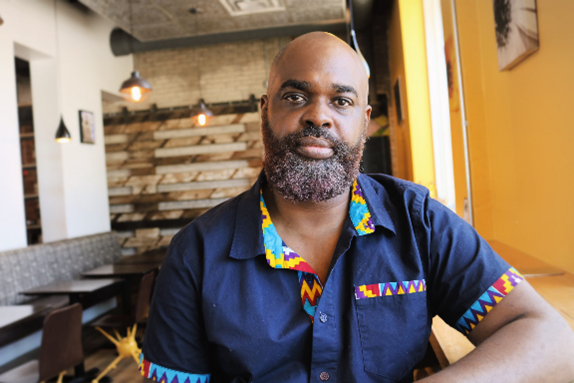
Tshaka Barrows

Haywood Burns Institute

Tshaka Barrows is Co-Executive Director and member of the Executive Leadership Team with the Haywood Burns Institute. Tshaka joined the Burns Institute in 2002 as Regional Manager for the Community Justice Network for Youth (CJNY) after graduating from the University of Wisconsin. Previously, he worked to build the CJNY from 35 active member organizations in 2002 to over 200 nationwide today! He developed several curricula including a comprehensive juvenile justice history curriculum, as well as racial and ethnic disparity taskforces in Los Angeles, New York, Boston, Chicago and New Orleans. He is proud to have worked with and supported so many community leaders committed to ‘Stopping the Rail to Jail’.


Photo of Prudence Beidler Carr

Prudence Beidler Carr

American Bar Association’s Center on Children and the Law

Prudence Beidler Carr is the Director of the American Bar Association’s Center on Children and the Law, where she manages a team of attorneys and core staff who work on children’s law projects throughout the country. Prudence joined the ABA Center in July 2016 and brings a background in government, nonprofit management, and children’s advocacy to her role.

Immediately before joining the ABA, Prudence lived in Mexico City where she partnered with JUCONI, a Mexican organization that helps street-living youth reintegrate with their families. Prudence has also worked at the Department of Homeland Security Office of General Counsel, and began her legal career as a law clerk for District Judge Paul S. Diamond in the Eastern District of Pennsylvania.

Prior to becoming a lawyer, Prudence worked on numerous children’s advocacy projects both domestically and internationally, including advocating for children and parents involved in the child welfare system in California, New York and Illinois, expanding access to affordable child care in California and Spain, and helping prosecute child sex abuse crimes.

Originally from Chicago, Prudence now lives in Washington DC with her husband and children. 


Photo of Tori Brasher-Weathers

Tori Brasher-Weathers

Institute for Family

Tori Brasher-Weathers serves as the Program and Partnership Manager at the Institute for Family, part of Children’s Home Society of North Carolina. Tori is passionate about creating spaces where children and families can truly thrive. With a deep commitment to inclusive, supportive, and trauma-informed practices, she believes education has the power to transform lives. 

As Program and Partnership Manager at the Children’s Home Society of North Carolina’s Institute for Family, Tori leads innovative online training and curriculum development for child welfare and allied professionals. Her work centers on elevating family voices and weaving storytelling into learning experiences that inspire empathy and action. She also serves as a storytelling facilitator for the Shine on North Carolina Initiative, helping capture and share lived experiences to influence policies and decisions that shape communities.


Photo of Dr. Nadine Burke Harris


Dr. Nadine Burke Harris

Dr. Nadine Burke Harris is an award-winning physician, researcher and advocate dedicated to changing the way our society responds to one of the most serious, expensive and widespread public health crises of our time: childhood trauma. She was appointed as California’s first-ever Surgeon General by Governor Gavin Newsom in January 2019 and quickly became a trusted leader in the state’s COVID-19 pandemic response.

Dr. Burke Harris’ career has been dedicated to serving vulnerable communities and combating the root causes of health disparities. She is the author of The Deepest Well: Healing the Long-Term Effects of Childhood Adversity.


Photo of Kim Dvorchak

Kim Dvorchak
National Association of Counsel for Children

Kim Dvorchak, JD, has led National Association of Counsel for Children (NACC) since May of 2017. Ms. Dvorchak is responsible for the overall leadership of policy, operations, programs, fundraising, and the strategic development of the organization. Ms. Dvorchak has nearly 30 years of experience in direct representation, policy advocacy, and nonprofit management to advance the rights of children and youth. Under Ms. Dvorchak’s leadership, the National Association of Counsel for Children vastly expanded its programs and services, tripled its budget and staff, and was selected to receive a major multi-year grant to launch a national right to counsel campaign for children and youth in the child welfare system.

Ms. Dvorchak has served as the leader of three nonprofit organizations since 2010. Previously, Ms. Dvorchak was the Executive Director of the National Juvenile Defender Center (now The Gault Center), where she lead the launch of the Gault at 50 Campaign to commemorate the US Supreme Court case establishing children’s right to counsel. Prior to this position, Ms. Dvorchak was the founding Executive Director of the Colorado Juvenile Defender Center, an attorney training and policy center which accomplished monumental reforms to ensure children’s right to counsel, reduce the prosecution of youth in adult court, and build a community of lawyers committed to zealous advocacy for children.

In her legal career, Ms. Dvorchak represented children and youth in delinquency court, criminal court, and on appeal; she has run her own law firm, and served as a public defender in two states. A recognized national expert on juvenile law, Ms. Dvorchak has published multiple policy reports and is a frequent lecturer at policy conferences and continuing legal education seminars. Ms. Dvorchak continues to serve as an expert witness in juvenile law and policy.

In recognition of her advocacy work on behalf of children, Ms. Dvorchak received the Kutak-Dodds Prize for equal justice by the National Legal Aid and Defender Association, the Champions of Children Advocate by the Sewall Child Development Center, the Robert E. Shepherd Jr. Leadership Award for Excellence in Juvenile Defense by the National Juvenile Defender Center, and was named a Colorado Woman of Influence by the Denver Post. Ms. Dvorchak also received the Gideon Award from the Colorado Criminal Defense Bar for her work on an amicus brief in a Colorado Supreme Court case establishing the right to effective assistance of counsel in post-conviction matters.


Photo of Dr. Pegah Faed

Dr. Pegah Faed

Safe and Sound

Dr. Pegah Faed serves as the CEO of Safe and Sound, a San Francisco-based organization working to prevent and reduce the impact of childhood abuse, neglect, and trauma. Last year alone, they supported nearly 14,000 children and caregivers in the Bay Area and beyond. Prior to this role, Dr. Faed gained a depth of experience in establishing programs, policy, and systems change efforts that create lasting change for children and families, in roles at First 5 Marin, working closely with San Francisco Mayor’s Children’s Policy Council and serving on the Center for Youth Wellness’s California Campaign to Counter Childhood Adversity steering committee. 


Photo of Valerie Frost

Valerie Frost

National Lived Experience Leader

Valerie Frost is a parent advocate and systems-change leader whose work is deeply informed by lived experience navigating Kentucky’s child welfare and court systems. With a background in education and over five years of consulting with public agencies and coalitions, her efforts focus on transforming child welfare practices to become more family-centered and prevention-oriented. Her personal journey as a mother impacted by the system due to a lack of adequate support for her children with special needs informs her commitment to embedding lived expertise into policy, practice, and research. She partners with legal professionals, public agencies, and national initiatives to co-design approaches that elevate the voices of families and reduce harm within systems of mandated intervention.

Above all else, Valerie’s proudest accomplishment is being a mother to three beautiful children who have stolen her heart – her greatest advocacy efforts.


Photo of Representative Annessa Hartman

Representative Annessa Hartman

Oregon State Representative Annessa Hartman is a member of the Haudenosaunee, Cayuga Nation, Snipe Clan, and the third Indigenous person elected to the Oregon House of Representatives.

Representative Hartman serves House District 40, including Oregon City, Gladstone, and Unincorporated Clackamas County. Representative Hartman’s legislative focus includes supporting working families, human services, and infrastructure, which stems from her experiences as the child of a single, working mother, and being a Gladstone City Councilor.

Transparency, accessibility, and amplifying historically unheard voices are guiding values that have impacted her work to diligently view policy from an equitable lens, empowering others to speak their stories to local leadership.

Representative Hartman’s background in events and hospitality has enabled her to utilize her strengths in planning, goal setting, collaboration, and communication. Hospitality can be a thankless calling-like leadership that builds small wins and eventually leads to monumental change with diligence, focus, and humility.​


Photo of Megan McGee

Megan McGee
Ex Fabula

Megan McGee is Co-founder and Executive Director of Ex Fabula, a Milwaukee nonprofit that connects Milwaukee through real stories. She has a Master’s degree in Spanish Language and Literature, a Bachelor’s degree in theatre, and a decade of informal study of the neuroscience of storytelling, which she leverages to create storytelling programming that connects individuals, fosters empathy, and amplifies underrepresented voices and stories. Under her leadership, Ex Fabula has received awards including a 2020 MANDI for their Deaf Storytelling work and a 2021 Unity Award from Milwaukee Magazine.


Photo of Samantha Mellerson

Samantha Mellerson

Haywood Burns Institute

Samantha Mellerson is Co-Executive Director with the Haywood Burns Institute. Sam brings over 20 years of experience working with issues of social justice, racial and ethnic equity, education, diversity, youth justice, child welfare and wellbeing. She also brings a depth of knowledge around nonprofit capacity building and is a certified empowerment and diversity coach. Sam has worked across public and private sectors in various capacities such as non-profit direct service and management, local and state government and philanthropy.


Photo of Emerald Mills-Williams

Emerald Mills-Williams

Diverse Dining

Emerald Mills-Williams is a Milwaukee-based business connector and the founder of Diverse Dining and Diverse Dining Market, a food-based vendor incubator and dialogue-driven experience company that helps teams build real relationships across differences. Through curated meals, market programming, and corporate workshops, Emerald equips organizations to strengthen culture, belonging, and engagement. Her work has been featured by FOX (Milwaukee), Spectrum News 1, Milwaukee Magazine, Milwaukee Journal Sentinel, OnMilwaukee, Wisconsin Public Radio, TMJ4, and UWM News.


Photo of Desmond Meade

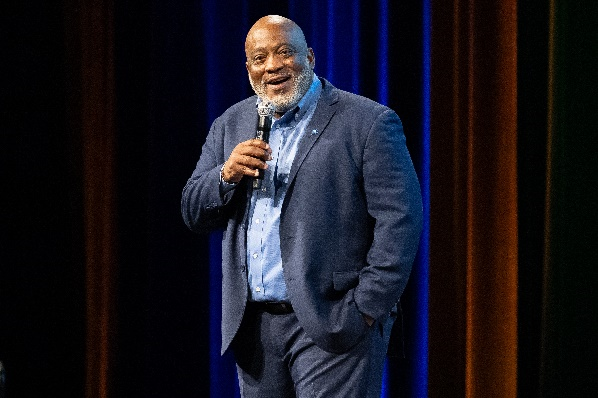
Desmond Meade
Florida Rights Restoration Coalition

Desmond Meade is a formerly homeless returning citizen who overcame many obstacles to eventually become the President of the Florida Rights Restoration Coalition (FRRC), Chair of Floridians for a Fair Democracy, a graduate of Florida International University College of Law, a winner of the McArthur Genius Award, and recognized by Time Magazine as one of the 100 Most Influential People in the World for 2019.


Photo of Tarik Moody

Tarik Moody

Radio Milwaukee

Tarik Moody is the Director of Strategy and Innovation at Radio Milwaukee. He is the creator of Rhythm Lab Radio, HYFIN, and co‑host of the podcasts “By Every Measure” and “This Bites”. He is a storyteller on culture, tech and community.

Tarik cultivates a platform for Black music and culture through HYFIN, where he leverages his expertise in creative strategy and AI to create a community-focused broadcast experience, which underscores his and Radio Milwaukee’s commitment to promoting diversity and cultural integrity in the media landscape.


Photo of Jessica Moyer

Jessica Moyer

Frameworks Institute

Jessica Moyer is an environmental sociologist and geographer who has been a member of the FrameWorks team since 2017. As Senior Principal Strategist, she combines her experience as a civic-minded researcher with her passion for teaching and commitment to social justice advocacy.

Prior to joining FrameWorks, Jess worked with several social, environmental, and community arts organizations, including The Race Equality Centre, where she provided advocacy support to Black, minority ethnic, immigrant, and asylum seeking communities; The Mighty Creatives, where she matched aspiring young artists from underserved communities with job placements in the culture scene; and the Center for Marine Resource Studies in the Turks and Caicos Islands, where she coordinated conservation, education, and community-building initiatives. Jess has also conducted research in Costa Rica and the Philippines, as well as taught at universities in the United States and the United Kingdom.

In 2019, she co-produced two short-length films, entitled Our Home and The Saving Tree, both of which highlight Filipina women’s relationships to the environment and were shortlisted for Research in Film Awards by the UK’s Arts and Humanities Research Council. Jess holds a bachelor’s degree in fine arts from the University of Delaware, a master’s degree in geography from Western Washington University, and a doctorate in sociology from Queen Margaret University in Scotland.


Photo of Dr. Bruce Perry

Dr. Bruce D. Perry, M.D., Ph.D

Dr. Perry is the Principal of the Neurosequential Network and a Professor (Adjunct) at the School of Allied Health, Human Services and Sport, La Trobe University, Melbourne, Victoria  Australia. 

Over the last thirty years, Dr. Perry has been an active teacher, clinician and researcher in children’s mental health and the neurosciences holding a variety of academic positions. His work on the impact of abuse, neglect and trauma on the developing brain has impacted clinical practice, programs and policy across the world. Dr. Perry is the author, with Maia Szalavitz, of The Boy Who Was Raised As A Dog, a bestselling book based on his work with maltreated children and Born For Love: Why Empathy is Essential and Endangered. Dr. Perry’s most recent book, What Happened to You? Conversations on Trauma, Resilience, and Healing (2021), co-authored with Oprah Winfrey, has been translated into 26 languages and has been on the New York Times Bestseller list for over 100 weeks after becoming #1 on the list in April of 2021.


Photo of Jared Robinson

Jared Robinson

Rally

Jared Robinson is a Senior Accounts Executive at Rally and communications strategist using his experience in storytelling, coalition management, event planning, and project management to fight for progress. Born and raised in Olympia, WA, Jared has worked in partnership with Washington-based organizations on issues ranging from education equity and child welfare to global environmental conservation. Inspired by his time working alongside nonprofits, schools, governments, and foundations, Jared brings a tailored, community-based approach to his work and understands the value of uplifting diverse voices when advocating for change. In his free time you’ll find Jared playing strategy games, enjoying local breweries and exploring the Pacific Northwest.


Photo of Claudia Rowe

Claudia Rowe

National Book Award Finalist & Seattle Times

Claudia Rowe is a National Book Awards finalist for her book, Wards of the State: The Long Shadow of American Foster Care and a member of The Seattle Times editorial board. She has been writing about the places where youth and government policy clash for 34 years. Claudia is the recipient of a Casey Medal for Meritorious Journalism and multiple honors for investigative reporting. Her work has been twice nominated for the Pulitzer Prize in journalism. She has been published in The New York Times, The Seattle Times, Mother Jones, and The Stranger. In 2018, Claudia’s memoir, The Spider and the Fly, won the Washington State Book Award.


Photo of Rinku Sen

Rinku Sen

Narrative Initiative

Rinku Sen is a writer and social justice strategist. She is formerly the Executive Director of Race Forward and was Publisher of their award-winning news site Colorlines. Under Sen’s leadership, Race Forward generated some of the most impactful racial justice successes of recent years, including Drop the I-Word, a campaign for media outlets to stop referring to immigrants as “illegal,” resulting in the Associated Press, USA Today, LA Times, and many more outlets changing their practice. She was also the architect of the Shattered Families report, which identified the number of kids in foster care whose parents had been deported.

Her books Stir it Up and The Accidental American theorize a model of community organizing that integrates a political analysis of race, gender, class, poverty, sexuality, and other systems. As a consultant, Rinku has worked on narrative and political strategy with numerous organizations and foundations, including PolicyLink, and the ACLU. She has a long history of board service in non-profits and foundations; she currently serves on the board of the Center for Investigative Reporting and is the board chair of Hedgebrook, the women’s writing residency. 

In her current role leading Narrative Initiative, she is building a vision of true multiracial, pluralistic democracy, and helping organizers across movements learn how to saturate every story with their ideas.


Photo of Pardeep Singh Kaleka

Pardeep Singh Kaleka

Mental Health America of Wisconsin

Pardeep Singh Kaleka is the Clinical Director at Mental Health America–Wisconsin, a senior anti-hate advocate, and co-author of The Gift of Our Wounds. After losing his father in the 2012 Oak Creek Sikh Temple attack, he became a leading voice for community healing, resilience, and faith. 

With over 25 years of experience in law enforcement, education, mental health, and supporting hate-crime survivors, Pardeep has served with the U.S. Department of Justice–CRS and led the Interfaith Conference. He specializes in communal trauma and helps public health professionals, educators, and law enforcement develop community-oriented strategies to address conflict, hate, and rising targeted violence.


Photo of Shary Tran

Shary Tran

Children’s Wisconsin

Shary Tran serves as the Vice President of Belonging and Workforce Development at Children’s Wisconsin. She is the co-founder of ElevAsian, a collective of Asian American and Pacific Islander’s (AAPIs) in the Greater Milwaukee area who strive to elevate the visibility of people, business and issues in the AAPI community by celebrating the successes and shining a light on the challenges facing their community.

Podcast Contributors

Photo of Luke Waldo

Luke Waldo

Podcast Host and Executive Editor
Director of Program Design and Community Engagement

Luke Waldo is the Host and Executive Editor of the podcast Overloaded: Understanding Neglect, and the Director of Program Design and Community Engagement for the Institute for Child and Family Well-Being.

Luke has dedicated his career to child well-being in Europe, South America and his native Milwaukee where he has worked with children and families adversely impacted by forced migration, homelessness, family violence, and abuse and neglect. He has over two decades of experience working in the complex systems of domestic violence, childhood trauma and well-being, homelessness, education and maltreatment prevention, with a particular focus on engagement and innovative solutions to personal and community challenges. Luke has trained hundreds of child well-being professionals in the areas of domestic violence, toxic stress, adverse childhood experiences, childhood resilience, social innovation and systems change. Prior to joining ICFW’s leadership team, Luke led the Family Support Program, which serves families involved with the child welfare system by providing strengths- and evidence-based interventions.

Luke believes in the power of storytelling, scientific evidence, and their potential to catalyze better outcomes for children and families when brought together effectively.

Luke earned his Master of Science in Cultural Foundations of Education from the University of Wisconsin-Milwaukee. He holds a Bachelor of Arts degree in Psychology and Spanish from the University of Wisconsin-Eau Claire.


Headshot of Gabriel McGaughey

Gabe McGaughey

Podcast Contributor and Interviewer
Co-Director for the Institute for Child and Family Well-being

Gabriel McGaughey serves as the director of well-being for Children’s Hospital of Milwaukee Community Services. In this role, he hopes to push child welfare and other public systems toward a more holistic approach to working with children with the goal of improving their immediate health and long-term well-being.

Previously, Gabriel served as the director of Children’s Child Welfare program, overseeing the implementation of a new program design. With more than 16 years of experience, he has worked at every level of social work from field work at group homes and prevention programs to data analytics and administration. Gabriel joined Milwaukee Child Welfare in 2003 as a case manager, eventually taking on a supervisory role. In 2007, he moved into quality improvement where he created analytic processes to better understand the needs of children and families in foster care.

Gabriel holds bachelor’s and master’s degrees in social work from the University of Wisconsin-Madison.


Photo of Nathan John Fink

Nathan John Fink

Technical Production for Overloaded: Understanding Neglect

Nathan is the Chief Advancement Officer at Family Connects International, an evidence-based, universal newborn nurse visiting program that supports the parents of newborns in overcoming common challenges. Nathan brings more than 20 years of experience to the role in education, advancement, and social norms change through various media. He received a Master of Fine Arts in storytelling from the University of New Hampshire. A fierce advocate of primary prevention and family support strategies, his work in academia, community mental health, and family strengthening initiatives focuses on elevating the stories of everyday people striving to build connection, shared aspirations, and resilient communities. Nathan can be found forever (re)hammering the floor nail of his old house in Durham, New Hampshire, where he lives with his wife and two feral sons. He has asked explicitly that we include the following message: “If you’re reading this, send help. You’ll know which house from the debris.”

Season 3 Guests

Photo of Anthony Barrows

Anthony Barrows

Managing Partner and Founder, Center for Behavioral Design and Social Justice

Anthony is a jack of all trades and a master of some, with a background in behavioral design, child welfare, public policy, and fine arts. As someone with personal experience of foster care, public housing, juvenile justice, and safety net programs, Anthony brings lived expertise to his systems change work in the nonprofit and public sectors.
He spent almost 9 years at the applied behavioral science firm ideas42, where he led the economic-justice portfolio, and over 10 years in child welfare, spanning positions from direct service to system improvement.

Anthony is a 2018 Aspen Institute Ascend Fellow, and holds an MPA from the Harvard Kennedy School, where he was a Gleitsman Fellow at the Center for Public Leadership, an MFA from the San Francisco Art Institute, and a BA from UMass Boston.


Photo of Sixto Cancel

Sixto Cancel

Founder & CEO, Think of Us

Sixto Cancel is a nationally recognized leader driving systems change in child welfare, working across tech, service delivery, research and data, and state and federal policy to improve outcomes for youth and families. He has a proven track record of mobilizing cross-sector partnerships and lived-expertise to drive effective innovation at the local, state, and federal levels to solve both entrenched and emergent challenges.


Photo of Samantha Copus

Samantha Copus

Parent Partner, Jefferson County Parents Supporting Parents

Samantha Copus is a mother to two children and identifies as a person in long-term recovery. Samantha has a variety of lived experiences ranging from mental health, Substance Use Disorders, Domestic Violence, and being a mother who had a child in the child welfare system. All things that qualify her now to serve as a Parent Partner in Jefferson County as part of the Parents Supporting Parents Program.


Photo of Bryn Fortune

Bryn Fortune

Fortune Consulting & Nurture Connection Family Network Collaborative

Bryn Fortune is the Coordinator for the Nurture Connection Family Network Collaborative, focusing on empowering authentic parent voices and advancing early relational health. Fortune Consulting is a professional services firm that provides strategic consulting and advisory services to help organizations achieve their goals.


Photo of Jennifer Jones

Jennifer Jones

Chief Strategy Officer, Prevent Child Abuse America

Jennifer Jones serves as the Chief Strategy Officer at Prevent Child Abuse America (PCA America) where she develops, implements, and advocates for an integrated strategic framework to help grow PCA America’s leadership role consistent with national prevention priorities, and serves as the lead on regional and national strategic partnerships.

Prior to her current role, Jennifer was the Director of the Change in Mind Institute and the Co-Director of the Safety and Resilience Impact Area at the Alliance for Strong Families and Communities. Our team at the Institute worked closely with Jennifer as part of Change in Mind. Jennifer has also worked at the Wisconsin Children’s Trust Fund and the Department of Children and Families.

Jennifer is an affiliate of the Institute for Child and Family Well-Being, in recognition of her collaborative spirit and shared values. Jennifer received her master’s in social work from the University of Wisconsin-Madison and bachelor’s in social work from Marquette University.


Photo of Kate Luster

Kate Luster

Director, Rock County Department of Human Services

Kate Luster is the Director of Human Services for Rock County, Wisconsin. Kate has over 25 years’ experience in public sector social work practice and administration. In recent years, Kate’s leadership has centered around family-centered systems change in Rock County’s child welfare services by prioritizing prevention, promoting workforce wellbeing, and committing to parent-driven, community-based solutions for families. 

Kate holds a B.A. in Psychology from the University of Notre Dame and a Master of Social Work from the University of Chicago. 


Photo of Marlo Nash

Marlo Nash

Managing Director, Children’s Home Society of America

Marlo Nash is a systems change strategist who is passionate about working with people to achieve big wins over intractable problems. In her role as the managing director of the Children’s Home Society of America (CHSA) nationwide network, she collaborates with CHSA members, public sector leaders, researchers, national partners, philanthropists and lived experts to find ways to build well-being and ensure equity for children and families, and their communities.

Drawing on her certification in results-based leadership, she helps CHSA and its partners use data, landscape analyses, trends, systems culture insights, and an assessment of the Six Conditions of Systems Change to create pathways that establish and achieve meaningful outcomes. One avenue for this work is the Wicked Problems Institute, which is hosted by CHSA and the Jordan Institute for Families at the University of North Carolina School of Social Work. In her role with CHSA, Marlo has the opportunity to help shape the direction and work of Wicked. 

Her career has featured work to facilitate connections among federal and state policymakers and public agencies, private human services organizations, issue coalitions and national networks for policy development, advocacy campaigns, systems change leadership, constituent mobilization, and more. She brings a background of advancing policies and systems changes designed to build and restore well-being for children and families through early childhood and child welfare systems. While in the role of Senior Vice President of Public Policy and Network Mobilization at the Alliance for Strong Families and Communities (now DBA as Social Current), she led the Alliance network in a collective effort to develop evidence- and practice-informed contributions to the language of the Family First Prevention Services Act of 2018, the most significant federal child welfare reform law in decades.

Marlo brings a significant background and personal interest in working on behalf of young children and their families. She took her first national role after being recruited to the United Way of America to lead Success By 6, the nation’s largest network of local and state public-private early childhood partnerships at that time. She has also served in leadership roles for Voices for America’s Children and the National Foster Youth Institute.

Before making contributions nationally, Nash spent 10 years with the Oklahoma Institute for Child Advocacy, where she served as the Director of Oklahoma KIDS COUNT and Director of Early Childhood Solutions. She was appointed to the Governor’s Task Force on School Readiness, then helped start the Task Force-recommended Oklahoma Partnership for School Readiness as the lead strategist working with a bi-partisan cadre of corporate leaders and legislators. Early in her career, she held senior level positions in Oklahoma’s childcare resource and referral system and the Department of Defense’s child care program in Monterey, CA.

Nash lives on the Virginia side of Washington DC with her husband and high school sweetheart, David, with her two adult daughters as neighbors, and their beloved dog, Yogi, who is her running and yoga partner. Her two-year-old god daughter lives in Michigan and she gets great joy from spending time with a growing group of “neighbor grandchildren.”


Photo of Blake Roberts

Blake Roberts Crall

Program Manager, Madison Forward Fund

Blake Roberts Crall is the Program Manager for Madison’s guaranteed income research program, the Madison Forward Fund. She is based at the Institute for Research on Poverty at UW-Madison.

Blake is passionate about revolutionizing our social safety net and using direct cash policies as a tool for economic justice. She comes to this work with years of experience on the ground as a Supplemental Nutrition Assistance Program (SNAP) and Medicaid navigator, managing low-income tax clinics, and with 15 years of experience designing and implementing programs that tackle income inequality and poverty. Her work in public policy focuses on basic/guaranteed income, low-income tax credits, and early childcare systems.


Photo of Bryan Samuels

Bryan Samuels

Executive Director, Chapin Hall

Bryan Samuels is the Executive Director of Chapin Hall, a nonprofit policy research institute focused on connecting research to action. Under Bryan’s leadership, Chapin Hall is actively working in more than 40 states in building knowledge and creating solutions with and for public system partners, community leaders and members, and families—all with an aim to improve the wellbeing of children and youth, and ensure all families thrive.

Across his career, Bryan’s work has centered on identifying and addressing inequities using evidence in policymaking. Key accomplishments include the creation and application of a well-being framework based on the best developmental understanding of normal childhood development; formation of a shared and actionable understanding of the effects of exposure to violence, trauma, poverty, and adverse childhood experiences on the mental, emotional, behavioral, and physical health of children; and emphasis on the importance of building the capacity of public and private child- and family-serving systems and organizations to focus on and produce positive outcomes.

Bryan was appointed by President Obama as the Commissioner of the Administration on Children, Youth, and Families (ACYF), where he served from 2009 to 2013 and leveraged the work of federal departments including Health and Human Services, Justice, and Education, among others, on behalf of children in foster care, youth experiencing housing instability, and families impacted by domestic violence. Bryan’s voice, experience and expertise can be heard throughout the first season of this podcast series; and he has also contributed generously to our Institute’s vision and growth through his partnership and guidance over the past decade.


Photo of Allison Thompson

Allison Thompson, MSS, PhD

Executive Director, UPenn’s Center for Guaranteed Income Research

Dr. Allison Thompson is the Executive Director of Penn’s Center for Guaranteed Income Research (CGIR), which is an applied research center specializing in cash-transfer research, evaluation, pilot design, and narrative change.

Dr. Thompson has nearly 20 years of experience in applied research, program evaluation, and leadership in operations and management. Prior to her leadership at the CGIR, Dr. Thompson was appointed as the Senior Research Officer for Philadelphia’s Office of Children and Families, where she created and led a research team designed to produce actionable data to guide government leaders in decision-making and policy development with a focus on promoting racial equity, mitigating disparities, and utilizing a public health approach to supporting families and communities.

She has experience working with city, state, and county level policymakers, securing and managing multi-million dollar grants, budgets, and contracts, and her work has been featured as a model for best practice by major foundations and federal agencies, such as Casey Family Programs and the Department of Health and Human Services’ Children’s Bureau.

Dr. Thompson earned her PhD in Social Welfare from Penn’s School of Social Policy & Practice (SP2) in 2017 and her Master of Social Service from Bryn Mawr College in 2008. She teaches policy, research, and strategic planning courses for the MSW program at SP2.

Milwaukee Independent Column

Beginning in January of this year, Luke Waldo was given the honor to share the work that we are doing in Milwaukee and across our state with our Strong Families, Thriving Children, Connected Communities initiative through a monthly column in the Milwaukee Independent.

The Milwaukee Independent is an award-winning and advertising-free daily news magazine that advocates for inclusive social understanding in Milwaukee by publishing positive news content that covers a wide range of topics as a catalyst for community development. With a heavy emphasis on photojournalism and analytical reporting to fulfill this mission, our editorial staff is focused to being translators and storytellers more than traditional news correspondents.


Uniting Housing and Child Welfare: Pathways to Progress

November 16, 2023

Milwaukee Child Abuse Prevention Services Committee logo with two people and a heart

Housing provides a foundation for health, well-being, and prosperity for children, families, and communities. However, many families experiencing having a child separated from their family into foster care experiencing high rates of housing instability. These hurdles, such as limited affordable housing, absentee landlords, eviction, economic and racial divides, and barriers to housing equity further strain families already overloaded by stress.

Metropolitan Milwaukee is enduring a housing crisis, underscored by high eviction rates and a dearth of affordable housing. Over 50% of Milwaukee’s renters are burdened by rent, spending more than 30% of their income on it. The city also reveals a glaring shortfall in affordable rentals, with only 29 homes available for every 100 low-income renters. The U.S. Department of Health and Human Services reports that unstable housing situations heighten the risk of child removal due to maltreatment. Furthermore, such instability can plunge parents into economic distress, stress, and mental health issues, heightening family separation risks.

Join MCAPS for a virtual conversation, as we discuss:

  • how housing instability impacts families who have contact with child protective services (CPS),
  • the implications of the current housing context in Milwaukee on child protective services
  • current systemic challenges around housing in Milwaukee
  • lessons learned from a CPS housing voucher program in Kenosha

Our goal is to promote housing solutions that support families overloaded by stress and prevent involvement in the child protective services system.  Your involvement can help champion stable, secure, and affordable housing as a community priority, making a positive difference in family lives.

Resources:

Watch the webinar recording here 

Community Advocates

Recent ICFW Publications: Intergenerational Trauma

Two new ICFW papers uncover the intergenerational consequences of trauma.

ICFW predoctoral fellow, Anthony Gómez, headed a study that called attention to the lasting effects of maternal incarceration on children’s social and emotional development.

Dr. Colleen Janczewski, ICFW policy and practice analyst, showed that childhood adversity predicts adult experiences of domestic violence and involvement in the child welfare system.

Season 2 Guests

Photo of Julie Ahnen

Julie Ahnen

Manager of Child Protective Services
Dane County Department of Human Services

Julie Ahnen is a native of Madison, WI, and a graduate of the University of WI-Madison, receiving a graduate degree in Social Work in 1984. She has practiced professionally as a Social Worker since October of 1984, holding a variety of positions in the non-profit and private sector in the Dallas/Ft. Worth, TX area during her first 10 years of practice. Ms. Ahnen began employment with the Dane County Department of Human Services in June of 1995 where she has held a variety of positions within Child Protective Services as a line Social Worker and as a CPS Supervisor. Ms. Ahnen has been the Manager of Child Protective Services in Dane County since March of 2010.


Photo of Clare Anderson

Clare Anderson

Senior Policy Fellow
Chapin Hall at the University of Chicago

Clare Anderson is a Senior Policy Fellow at Chapin Hall at the University of Chicago. She uses research, policy, and fiscal levers to improve outcomes for children, youth, and families. Anderson engages child welfare agencies, stakeholders, and constituents in large-scale system change. This includes guiding states to implement the Family First Prevention Services Act. Additionally, Anderson is a national thought leader on economic and concrete supports as core to prevention of child welfare involvement, and the development of a family and child well-being system that prioritizes family support and cross-sector partnerships.

Prior to joining Chapin Hall, Anderson was Deputy Commissioner at the U.S. Department of Health and Human Services’ Administration on Children, Youth, and Families (ACYF). There, she provided leadership for federal programs including child welfare, runaway and homeless youth, domestic and intimate partner violence, and teen pregnancy prevention. During her tenure at ACYF, Anderson co-led the development and implementation of a national well-being policy agenda. She was among the chief architects of the effort to address trauma, adverse childhood experiences, and toxic stress in children known to child welfare. Anderson spent a decade at the Center for the Study of Social Policy helping states and urban jurisdictions change policies and practices to improve outcomes. This included initiatives such as Family to Family and Community Partnerships for Protecting Children, as well as federal court-ordered monitoring of child welfare agencies. Anderson started her career as a frontline social worker.

Anderson holds a Master of Social Work from the University of Alabama.


Photo of Amy Baldus

Amy Baldus

Family Support Worker
Children’s Wisconsin’s Stevens Point office

As a Family Support Worker, Amy’s role is to build connections between the family and community. Before starting with Children’s Wisconsin in 2016, Amy had over 20 years of experience working directly with children in various childcare settings. Amy feels her work is important because she believe it’s essential for every parent to feel valued and proud. Being a parent is hard, and knowing they are not alone in this and having someone rooting for them and supporting them can make all the difference in the world.


Photo of Mark Cabaj

Mark Cabaj

President
Here to There Consulting Inc.

Mark is President of the consulting company From Here to There and an Associate of Tamarack – An Institute for Community Engagement. While studying the Solidarity movement in Krakow, Poland, in mid-1989, Mark experienced a variety of tumultuous events that signaled the end of communism in Eastern Europe – including walking on the Berlin Wall with a million people the week it came down in November 1989. He worked as an Investment Advisor in Poland’s Foreign Investment Agency, the Foreign Assistance Coordinator for Grants in the new Ministry of Privatization, and the Mission Coordinator for the creation of the United Nations Development Program’s first regional economic development initiative in Eastern Europe.

Back in Canada, Mark was the Coordinator of the Waterloo Region’s Opportunities 2000 project (1997-2000), an initiative that won provincial, national and international awards for its multi-sector approach to poverty reduction. He served as Executive Director of the Canadian Community Economic Development Network (CCEDNet) (2001) before joining the Tamarack Institute and becoming Executive Director of Vibrant Communities Canada (2002-2011).

Mark’s current focus is on developing practical ways to understand, plan and evaluate efforts to address complex issues. This includes addressing the systemic roots underlying issues related to poverty and homelessness, community safety, educational achievement, health and climate change. He is particularly involved in developing and promoting developmental evaluation, a new approach to assessment which emphasizes real time feedback and learning in emerging, messy and often fast-moving environments.

Mark lives in Edmonton, Alberta (Canada) with his wife Leann and their children Isaiah and Zoë.


Photo of Micaela Conlon-Bue

Micaela Conlon-Bue

Prevention Supervisor
Children’s Wisconsin’s Black River Falls and Marshfield offices

Micaela has actively engaged in the culture of learning her entire adult life. She served five years in the United States Navy (USN) flying combat missions in HH-60 helicopters. After her service, Micaela attended The University of Minnesota where she completed her undergraduate and Master’s degrees. Micaela also worked at The University of Minnesota’s Youth Development Leadership Program and partnered with faculty to start a community based research program, Learning Dreams, which expanded across five elementary schools, three high schools, and two major metropolitan cities. Micaela’s programming efforts at Learning Dreams have gone on to impact state and local policies and contributed to educational theory on the importance of community in determining educational success and civic engagement. Micaela moved to Black River Falls after getting married in 2021. Micaela is the proud mother of four beautiful children and enjoys spending time with her family.


Photo of Laura Glaub

Laura Glaub

Lead Social Worker
Madison Metropolitan School District

Laura Glaub is lead social worker for Madison Metropolitan School District. She has had the honor of being in the school district for 12 years in various roles that have supported students and families in 4k-12 grade level as an AmeriCorps member, director of after school programming, elementary social worker and now in the lead role. In all these roles, Laura has had the opportunity to create connections with students, families and community members that continue to question and dismantle systems to create a true community of care, love, and support.


Photo of Tim Grove

Tim Grove

Senior Director of Trauma Informed Strategy and Practice
Wellpoint Care Network

Tim Grove serves as the Senior Director of Trauma Informed Strategy and Practice at Wellpoint Care Network. Tim has more than 25 years of experience in the social service field in a variety of programs and roles. Tim has been a Mentor with Dr. Bruce Perry’s Neurosequential Model of Therapeutics (NMT), is a master trainer of ACE Interface and is the creator of Wellpoint Care’s Trauma Informed Care (TIC) curriculum, 7 Essential Ingredients (7ei). In addition to leading the TIC efforts across all Wellpoint Care programs, Tim has been providing training and consulting on trauma, ACEs, secondary trauma/caregiver capacity and related topics for 15 years. Tim has worked with and trained a diverse group of professionals – including judges, police officers, juvenile justice and child welfare staff, hospitals and healthcare staff, child development staff, veteran groups, college/university staff and professors, Boys and Girls Clubs, Religious Groups, Correctional staff, employers/employment staff and many others.

Tim and the Wellpoint Care team’s work has been highlighted in various radio and television projects, including a 2018 60 Minutes segment with special correspondent Oprah Winfrey and a three-year research study on the effectiveness of 7ei in child welfare published by the Journal of Child Custody in 2019.


Photo of Linda Hall

Linda Hall

Director
Wisconsin’s Office of Children’s Mental Health

The well-being of children has been a primary focus of Linda’s career in health and mental health policy.  She has pursued this children’s well-being and increased support for families agenda at the National Governors’ Association, the federal Centers for Medicare and Medicaid Services, Wisconsin Legislative Fiscal Bureau, Kids Forward, as Executive Director of the Wisconsin Association of Family & Children’s Agencies – an association for family-serving organizations, and as Interim Director for Community Partnerships – the Dane County wraparound program.  Linda holds a Masters in Public Administration from the University of Illinois at Chicago and a Masters in Theology with a specialization in Ethics from McCormick Theological Seminary.  Since being appointed by Governor Evers in 2019 to lead the Wisconsin Office of Children’s Mental Health, she has had the privilege of collaborating with state and mental health leaders, youth with lived experience, and parent partners to improve the children’s mental health system and highlight what we all can do to support the well-being of children.


Photo of Jessika Harlston

Jessika Harlston

Jessika Harlston is a mother of 3 boys and a Financial Career Planner and Case Manager for individuals and families at Ross Innovative Employment Solutions. In Overloaded, she shares her experience of becoming socially isolated that led to child welfare involvement, and then her powerful story of reconnection with her family and support system. Jessika shares that “so many people look at me as this woman who has it all; when in reality, I am just like everyone else. I cry like everyone else, I struggle like everyone else, and of course, I smile like everyone else. Look at me and see a woman who has been through the trenches and now she creating her own golden brick road one brick at a time.”


Photo of Esmeralda Martinez

Esmeralda Martinez

Parent Advocate
Children’s Wisconsin

Esmeralda Martinez is a lived experience professional and the Parent Advocate for Children’s Wisconsin child welfare ongoing services. Esme is the mother of a toddler and a teenager, is working on a degree in Psychology with a minor in Counseling. She was a victim of childhood trauma, survivor of domestic violence and trafficking, and has had personal child welfare involvement. Today, she is living a healthy, sober life.

Esme serves as a Parent Leader in Child Welfare with the Department for Children and Families. She is also part of the design team for Breaking Barriers, Rightsizing Congregate Care and has been a valued contributor to our Strong Families, Thriving Children, Connected Communities initiative.


Photo of Diana Maya

Diana Maya

Diana Maya es madre de dos hijos y una hija. Ella es Mexicana de Nuevo Leon, y vive hoy en Stevens Point, Wisconsin.

Diana escribe “Mi infancia fue en su parte buena viviendo con mi abuela porque mi experiencia con mi mamá no fue muy buena, pero el dia de hoy he perdonado y sanado.”

Diana Maya is the mother of two sons and a daughter. She is Mexican from Nuevo Leon, and lives today in Stevens Point, Wisconsin.

Diana writes, “My childhood was at times good living with my grandmother because my experience with my mom wasn’t very good, but now I have forgiven and healed.”


Photo of Josh Mersky

Josh Mersky

Co-Director

Institute for Child and Family Well-Being

Joshua Mersky is a founding director of the Institute for Child and Family Well-Being and a professor at the University of Wisconsin-Milwaukee’s Helen Bader School of Social Welfare. Dr. Mersky’s research interests include child maltreatment and other adverse experiences that undermine health and well-being over the life course. He is dedicated to working with local and state partners to translate evidence into real-world solutions that improve outcomes for vulnerable children and families. Dr. Mersky applies his expertise to the design, application, evaluation, and dissemination of effective practices, programs, and policies. He is currently the lead evaluator of the Family Foundations Home Visiting program, a partnership between the Wisconsin Department of Children and Families and Department of Health Services that supports evidence-based home visiting programs statewide. He also heads the Healthy Families Study, a randomized trial of multiple home visiting programs at the Milwaukee Health Department. In addition, Dr. Mersky is principal investigator of the Families and Children Thriving (FACT) Study, a longitudinal investigation into the health and well-being of at-risk children and families across Wisconsin.

Dr. Mersky and Dr. James Topitzes directed Project Connect, a randomized trial of a novel group-based model of parent-child interaction therapy (PCIT) for children in foster care. Children’s Hospital of Wisconsin integrated the model into its community services array based on results demonstrating that this intervention enhances the parenting skills of foster care providers and the mental health of children in foster care.

Through his collaborative work at ICFW, Dr. Mersky continues to promote the use of empirically validated interventions such as PCIT and TF-CBT as well as effective and innovative screening and assessment practices within the context of usual care.

Dr. Mersky holds a master’s degree in social work from Virginia Commonwealth University and a Ph.D. in social welfare from the University of Wisconsin-Madison, where he also earned an advanced certificate in prevention science.


Photo of Rebecca Murray

Rebecca Murray

Executive Director
Wisconsin’s Child Abuse and Neglect Prevention Board

Rebecca Murray joined the Child Abuse and Neglect Prevention Board in 2011 and is currently the Executive Director.  In her previous position at the Prevention Board, Ms. Murray administer the grants program and provided technical assistance to the Prevention Board grantees. Ms. Murray is a certified trainer for “Bringing the Protective Factors Framework to Life in Your Work” and a Triple P Seminars accredited practitioner. Ms. Murray is also the Executive Director for the Celebrate Children Foundation, the fundraising agency for the Prevention Board. She received her Bachelor’s in Communication Arts and a Master’s in Business Administration from the University of Wisconsin – Eau Claire.


Photo of Jermaine Reed

Jermaine Reed

Executive Director
Fresh Start Family Services

Jermaine Reed was born and reared in Milwaukee, WI. A 22 year child welfare career veteran, Reed is the first African-American person and foster parent in the history of Wisconsin to privately own a foster care agency. In 2011, he was one of two child welfare leaders in the state chosen to serve on the First Lady of Wisconsin’s “Fostering Futures” Steering Committee focused on advancing trauma informed care in child welfare and other child-and family serving systems; he served in that capacity for 3 years. In 2009, Reed was designated by Gov. Jim Doyle’s administration to lead a focus group on family support in the Governor’s 2009 Summit, Building Bridges to Family Economic Success.  Jermaine has committed his life to working on improving the quality of life for abused and neglected children and youth.  He focuses a lot of his work around partnering with and advising birth, foster and adoptive families, state and local officials, and other stakeholders.  Jermaine is committed to boldly addressing racial disproportionality and disparities in Wisconsin’s foster care system. Since 2010, Jermaine organizes and convenes the only child welfare conference in the nation that solely focuses on the needs of Black children, youth, and their families involved in foster care and juvenile justice systems. Each year there are between 450+ participants in attendance from across the child welfare spectrum.

Since beginning his speaking career in church at the age of 9, Reed has become a respected public speaker in a variety of circles. He infuses comedy, practicality, passion, and truth in all of his presentations. He is masterful in creating safe spaces to have hard conversations.  He is also a community advocate, playwright, and biological and adoptive parent.  Jermaine received a bachelor’s degree in psychology from Upper Iowa University and completed master level courses at University of Wisconsin-Milwaukee.


Photo of Marc Seidl

Marc Seidl

Child Protection Initial Assessment Supervisor
Brown County Health and Human Services

Marc Seidl is currently a Child Protection Initial Assessment Supervisor with Brown County Health and Human Services. He has been a supervisor with Brown County for over seven years and was an Initial Assessment Social Worker in the field with families for 8 years for both Brown and Outagamie Counties.  Marc has been active in several local multidisciplinary teams involving drug endangered children, abusive injuries in young children and human trafficking.  Marc has presented on panels for NASW-WI’s annual conference in 2020 on how the pandemic was affecting child welfare practice as well as in 2022 on how the pandemic changed child welfare practice.  Marc was also a co-presenter at the 2022 Wisconsin Public Child Welfare Conference session on the changing mindset on Mandated Reporting.

Marc earned his MSW and BSW from the University of Wisconsin-Green Bay both with an emphasis in Child Welfare. Marc is a member of the Child Welfare Advisory Committee for the University of Wisconsin-Green Bay as well as a member of the National Association of Social Workers and a past member of the Board of Directors for the Wisconsin Chapter.  Marc is also a member of the Wisconsin Human Services Association – Children, Youth and Families Advisory Committee.


Photo of Ayesha Teague

Ayesha Teague

Family Support Specialist II
Children’s Wisconsin – Milwaukee office

Ayesha Teague began her career at Children’s Wisconsin in 2014 as a Family Support Specialist, working to support families whose children were placed in out of home care, succeeding a healthy career as an educator of over 12 years. While working to support those families’ needs, she also assisted with supervised visitations and family reunification. Because of her dedication, commitment, and passion to family support and care, Ayesha was promoted to Intensive In-Home Support Specialist, in 2018, where she currently works with families whose children remain in-home. Her endeavors to support families in maintaining a safe environment that enables the child(ren) to remain in their placement is coupled with teaching clients to model behavioral changes and increase their protective capacities.

In 2021 Children’s Wisconsin piloted the Early Intervention Services (EIS) program through DMCPS which has allowed her to intervene with families sooner, while DMCPS conducts their assessments. This early intervention allows Ayesha to provide supportive services and provide resources that prevent further Child Welfare involvement. Because of her involvement in the piloting phase, leadership saw fit for this talented advocate to be promoted to In-Home Training Specialist for the Family Support Program, where she diligently and enthusiastically trains new hires, while leading and supporting a team of specialist, to model appropriate conduct, behavior, and skills to support program participants while controlling safety in the homes.


Photo of Liz Weaver

Liz Weaver

Co-CEO
Tamarack Institute

Liz Weaver is the Co-CEO of Tamarack Institute and leads the Tamarack Learning Centre. The Tamarack Learning Centre advances community change efforts by focusing on five strategic areas including collective impact, collaborative leadership, community engagement, community innovation and evaluating community impact. Liz is well-known for her thought leadership on collaborative leadership and collective impact and is the author of several popular and academic papers on the topic. She is a co-catalyst partner with the Collective Impact Forum.   Liz is passionate about the power and potential of communities getting to impact on complex issues.

Critical Pathways – Economic Stability

Economic security plays a crucial role in reducing stress, contributing to a sense of well-being, and fostering healthy parenting and parent-child interactions. When discussing the biggest challenges that put families at risk for child welfare involvement due to neglect, SFTCCC participants consistently pointed to ‘poverty’, its associated struggles, and the stress it generates as the key obstacles to family functioning and child well-being. Child neglect is more likely in families that are experiencing an overload of stress related to the weight of poverty, which can overload parents’ abilities to provide the supportive relationships children need.

The Ripple Effects of Poverty on Parenting and Family Dynamics

Since the first roundtable, SFTCCC participants have identified poverty as the biggest challenge facing the families they work with, one that people working in family preservation programs feel like they lack tools to address. The stressors of poverty are complex and represent a constellation of challenges, from housing insecurity, economic shocks, lack of access to childcare, food insecurity, and navigating the benefits cliff.

While Wisconsin law states that family separation due to neglect should only happen for reasons other than poverty, economic insecurities are common among families with children entering the foster care system. Nationally, nearly 85% of families investigated by CPS earn below 200% of the poverty line. Children from economically insecure households are more likely to face maltreatment and neglect (Drake, 2014).

Poverty can lead to chronic stress, which negatively impacts parenting and parent-child interactions.

High levels of stress caused by poverty can result in parents becoming more irritable, less patient, and exacerbate mental health and substance use challenges. Parents experiencing financial strain may have limited time and resources to focus on their children’s needs, affecting the quality of their interactions.

When parents are overloaded by the stressors of poverty, it can negatively affect their ability to engage in healthy parenting practices, it harms their mental health, child development, and wellbeing. This includes being less responsive to their child’s needs, having difficulty setting boundaries, and exhibiting harsher discipline methods.

Breaking the Cycle: Supporting Family Economic Stability

To improve parent-child interactions and overall parenting, it is essential to address the root causes of poverty-induced stress and support family economic stability. This includes increasing access to resources such as affordable housing, healthcare, and education, as well as implementing policies to reduce income inequality.

Learning from innovative new initiatives in this space, broadening our network, and collectively advancing policy solutions are all opportunities for SFTCCC participants to contribute to moving forward. By creating a more supportive environment for families, we can help alleviate the stressors associated with poverty, thereby promoting healthy parenting and fostering stronger parent-child relationships.

Download Economic Stability PDF

Critical Pathways – Workforce Inclusion & Innovation

A stable and diverse family preservation workforce ensures continuity of care, fosters expertise and experience, preserves institutional knowledge, promotes cultural competence, encourages collaboration and innovation, and enhances representation and trust. These factors contribute to the effectiveness and impact of programs that support families overloaded by stress.

Stabilizing and Supporting our Workforce

Surpassing the average for all occupations, employment growth for social workers is expected to increase 9% from 2021-2031, with many separations resulting from workers transferring to other occupations or exiting the labor force (U.S. Bureau of Labor Statistics, 2022). Turnover in our workforce is costly to families, staff, and the organizations that serve and employ them. Home-visiting workforce turnover and attrition rates are high, with similar shared challenges contributing to separations. Faced with a shortage of resources and 28.9% of workers leaving to take jobs with increased compensation, home-visiting programs will continue to struggle with recruitment and retention (Fitzgerald et. al, 2020).

We believe that innovation plays a pivotal role in shaping our future workforce, yielding stability as it brings forth fresh perspectives and diverse experiences to empower, equip, and support our families and those serving them. Through cultivating and prioritizing an environment that fosters creativity, collaboration, and growth, we can build a resilient and adaptable workforce today that is ready to tackle the challenges of tomorrow.

Diversity Representation and Family Voice in the Workforce

Diversifying our present workforce and elevating and recognizing the contribution of families and staff with lived experience in both prevention services and the child welfare system, is essential for change moving forward. Our current social services workforce still lacks representation from the populations it serves. According to the 2015 American Community Survey, 68.8% of our social work workforce is White (Salsberg et al., 2017). Specifically in prevention, in 2020, 63% of our home-visiting workforce were White (Fitzgerald et. al, 2020). Finally, the most recent State of WI workforce report reveals that within the Department of Children and Families, only 29.2% of its workforce are racial and ethnic minorities.

Peer Support: A Powerful Tool in Prevention

The use of peer supports or paraprofessionals in the workforce could ease struggles around workforce recruitment and make services more accessible. It also offers potential solutions to a workforce lacking in diversity, language skills, and cultural understanding of those it serves. Concurrently, by valuing and developing a career pathway for those with lived experience, use of a peer support model also functions as an economic stability intervention.

The Workforce of the Future

In conclusion, workforce innovation plays a pivotal role in shaping our future workforce, as it brings forth fresh perspectives and diverse experiences. By including individuals with lived experience and providing ample support to our staff, we cultivate an environment that fosters creativity, collaboration, and growth. Therefore, it is crucial that we prioritize these elements in order to build a resilient and adaptable workforce of the future.

Download Workforce Inclusion & Innovation PDF

Critical Pathways – Social Connectedness

The Importance of Social Connectedness

A child’s community plays a critical role in fostering their growth. For children to truly thrive, they need safe, responsive connections with caring adults. When the adults in their lives have their own needs met, they’re better equipped to respond to the social and emotional needs of their kids.

According to the Centers for Disease Control and Prevention, social connectedness is defined as the relationships people or groups have, which lead to a sense of belonging, being cared for, valued, and supported. When individuals are socially connected, they are better able to navigate life challenges and cope with stress, trauma, adversity, anxiety, and depression.

The Toll of Social Isolation
Graphic that reads: Benefits of Social Connectedness Improved mental health and resilience: Being connected to others can help reduce feelings of loneliness and isolation, and can provide support during difficult times, leading to better mental well-being and the ability to confront and overcome challenges. Greater sense of belonging: Feeling valued and accepted by a community can foster a sense of purpose and identity. Healthier habits: Being part of a supportive group can encourage individuals to make healthier choices, physically, mentally and socially.

Social isolation is the absence of connectedness to people, community, and therefore, influence and power. Social isolation creates barriers to developing supportive relationships and communities, sharing personal and communal experiences, or forming part of the bigger whole that can build a sense of individual and collective identity.

The toll of social isolation has been shown in recent studies in which nearly 1 in 4 Wisconsinites report that they only sometimes or never get the social and emotional support they need; and only 4 in 10 American adults said that they feel very connected to others in 2022. Even more troubling, caregivers of children, especially mothers and single parents, are more likely to experience feelings of loneliness.

So, what is causing the increased social isolation across our communities? A few examples:

  • Declines in meaningful connection, trust and membership in religious groups, social clubs, and labor unions due to the increase in use of smart phones, social media, remote work and political polarization;
  • Disruption of communities due to loss of industries such as farming and manufacturing;
  • Increased demands on lower-wage earners’ time and energy due to working longer hours and having less money to spend on transportation, social activities, etc.

When we are socially isolated, our health becomes vulnerable to heart attacks, dementia, depression, and early death. Recent studies have compared its impact to smoking nearly a pack of cigarettes a day. Additionally, when caregivers are socially isolated, they are less likely to have the coping skills AND community such as family and friends to support them when they become overloaded by stress. In these critical moments, children become vulnerable to neglect.

The Path to Social Connectedness

How might we strengthen social connectedness for our communities, caregivers, and children? Social connectedness occurs through family, school, work, and recreational and faith communities. More formally, it occurs through community and cultural events, support groups, and social services. Strengthening social infrastructure is crucial for enhancing community health, resilience, safety, and prosperity.

The goal of SFTCCC is to create and support a movement that shares knowledge and strategies, elevates one another’s efforts, and collaborates intentionally to co-design and advance policy and practice solutions that prevent and reduce social isolation by refocusing our efforts on building community and strengthening social connectedness for families, so that we may reduce family separations for reasons of neglect.

Download the Social Connectedness PDF

Critical Pathways – Community Collaboration

Embracing Authentic Community Collaboration

Authentic community collaboration brings together a diverse group of changemakers to share power and learning that animates co-design of solutions for social change that directly impacts their respective communities. By engaging the lived experience of families, communities, service providers, mandated reporters, and organizational and systems leaders, together we can improve systems and service coordination that prioritizes family empowerment and support over mandated reporting. To accomplish this, we will need to reach across many systems, build trust through power-sharing with each other and the families that we serve, so that we may amplify our impact. Together, we can advocate for policy changes, share best practices, and create a network of support that fosters the well-being of families, particularly families of color who have been disproportionately affected by family separations.

Essential Ingredients for Authentic Community Collaboration

  • Open communication: Encourage honest and transparent conversations among changemakers to promote understanding and empathy.
  • Shared language and goals: Establish common language and objectives that everyone can share and understand, ensuring collective efforts are rooted in lived experience and evidence, and focusing on achieving meaningful change.
  • Inclusive decision-making: Involve all those impacted in the decision-making process, respecting the diverse perspectives and experiences they bring to the table.

The Need for Systems Change and Coordination

In Wisconsin, families of color experience disproportionate rates of family separation and longer stays in foster care. Native American and Black families make up about 13% of our population, and yet make up 27% of all reports to Child Protective Services (CPS), 34% of all CPS investigations, 38% of all family separations, and a staggering 47% of group home placements. To truly combat historical inequities that are further exacerbated by family separation, we must advocate for systems change that addresses the root causes of these issues. At the same time, we have nearly 40,000 non-profits statewide that support our children, families and communities, yet families too often need support or services that are unknown to them or hard to access. Our greatest challenges, therefore, lie in how we coordinate our services to ensure that they are meeting the real needs of all that seek them. We must work smarter, not harder, to elevate solutions to ensure all families can access the help they need when they need it. By building bridges between service providers, community organizations, and the families we serve, we can create a more equitable, cohesive, and impactful support network.

The Path to Community Collaboration

By fostering authentic and inclusive community collaboration among our systems, service providers, communities, and families, we can effectively address the historical inequities that have resulted in disproportionate rates of family separations among families of color and poor families. Through co-design with families and service providers, we can shift more efforts and resources towards community empowerment and maltreatment prevention, improve our systems and service coordination, and strengthen social connectedness and trust, which can alleviate the stress that overloads families and reduce the risk of neglect and family separation.

Download Community Collaboration PDF

Podcast Guests

Headshot of Tim Grove

Tim Grove
Wellpoint Care Network
Senior Consultant

Tim Grove, MSSW, is a senior consultant at Wellpoint Care Network (formerly SaintA), a human services agency whose mission it is to facilitate equity, learning, healing and wellness for all. He has over 25 years of professional experience in a variety of direct care, administrative and executive positions. Tim created, developed and lead Wellpoint’s Trauma Informed Care (TIC) initiatives. He created a TIC training curriculum centered around the Seven Essential Ingredients, or 7ei, of understanding and practicing TIC. Tim and the training team at Wellpoint have used the 7ei framework to train more than 60,000 people from diverse disciplines over the past 15 years.
Tim is an Affiliate of the Institute for Child and Family Well-being.

Tim is a Mentor with Dr. Bruce Perry’s Neuroseqential Network and a Master Trainer in Dr. Rob Anda and Laura Porter’s ACE Interface curriculum. Tim and the Wellpoint team’s work has been highlighted and published in a number of magazines, journals and newspapers. He was the lead project manager of a three year research study on the effectiveness of 7ei in child welfare outcomes which demonstrated positive effect on creating placement stability and permanency for kids. Tim is recognized nationally as a trauma informed care expert and was interviewed by Oprah Winfrey for a 60 Minutes segment on trauma and resilience.


Headshot of Ashlee Jackson

Ashlee Jackson
Children’s Wisconsin’s Family Support Program – Milwaukee
Family Support Specialist I

Ashlee Jackson is a Family Support Specialist II at Children’s Wisconsin in Milwaukee. She has worked for Children’s for 8 years, 6 of those as a Family Support Specialist, and 2 in our Prevention Program as a Home Visitor. She also has volunteer experience supporting families at the La Causa Crisis Nursery. Ashlee graduated with her BSSW from UW-Milwaukee.


Headshot of Jennifer Jones

Jennifer Jones
Prevent Child Abuse America
Chief Strategy Officer

Jennifer Jones, MSW, serves as the Chief Strategy Officer at Prevent Child Abuse America (PCA America) where she develops, implements, and advocates for an integrated strategic framework to help grow PCA America’s leadership role consistent with national prevention priorities, and serves as the lead on regional and national strategic partnerships. Prior to her role with PCA America, Jones was the Director of the Change in Mind Institute and the Co-Director of the Safety and Resilience Impact Area at the Alliance for Strong Families and Communities. Jones led all aspects of the Institute, including raising $1.7 million for the Texas Change in Mind Learning Collaborative and National Impact Study. Jones also served as the Project Director of the Child Safety Forward Initiative, a three-year Department of Justice cooperative agreement working with 5 jurisdictions to develop community-led, systematic solutions to reduce child fatalities caused by child maltreatment. Jones worked closely with the Alliance policy team, other national organizations and congressional representatives to advance brain science infused policy and trauma-informed care legislation. Preceding her role at the Alliance, Jones served as the Associate Director of the Wisconsin Children’s Trust Fund (CTF). In her last two years at the agency, Jones served as Interim Executive Director, at the Board’s request, and coordinated all activities related to the Governor-appointed Child Abuse and Neglect Prevention Board, including managing all operations, and overseeing the agency’s budget and grantmaking functions. Before her positions with the Children’s Trust Fund, Jennifer served as the communications specialist in the Secretary’s Office at the Wisconsin Department of Children and Families and as a child welfare policy advisor in the Wisconsin Division of Children and Family Services. Jones is an affiliate of the Institute for Child and Family Well-Being, a joint project of Children’s Wisconsin and the University of Wisconsin-Milwaukee. Jones is also a member of the National HOPE (Healthy Outcomes from Positive Experiences) Advisory Board and serves on the Board of Directors of the Hunger Task Force. Jennifer received her master’s in social work from the University of Wisconsin-Madison and bachelor’s in social work from Marquette University.


Headshot of Hannah Kirk

Hannah Kirk
Children’s Wisconsin’s Healthy Start Program Milwaukee
Healthy Start Supervisor

Hannah Kirk is the Healthy Start Supervisor in Milwaukee, and was previously a Family Case Manager Training Specialist with Children’s Wisconsin, who partners with the Division of Milwaukee Child Protective Services.

Hannah has dedicated her professional career to Child Welfare within Milwaukee County, where she has worked extensively with children who have adverse childhood experiences. Hannah has a decade of experience in child welfare, where she has served children and families extensively with strengths-based and evidence-based interventions. Hannah has trained several child welfare case managers at Children’s Wisconsin over the last four years, supporting service implementation, and highlighting the importance of community engagement.

Hannah earned her Masters of Social Work from the University of Wisconsin-Milwaukee in 2021 and served as an intern with the Institute. She holds a Bachelor of Science degree in Criminal Justice from the University of Wisconsin-Oshkosh.


Headshot of Bryan Samuels

Bryan Samuels
Chapin Hall
Executive Director

Bryan Samuels is the Executive Director of Chapin Hall at the University of Chicago, a nonprofit policy research institute focused on connecting research to action. Under Bryan’s leadership, Chapin Hall is actively working in more than 40 states in building knowledge and creating solutions with and for public system partners, community leaders and members, and families—all with an aim to improve the wellbeing of children and youth and ensure all families thrive.

Across his career, Bryan’s work has centered on identifying and addressing inequities using evidence in policymaking. Key accomplishments include the creation and application of a well-being framework based on the best developmental understanding of normal childhood development; formation of a shared and actionable understanding of the effects of exposure to violence, trauma, poverty, and adverse childhood experiences on the mental, emotional, behavioral, and physical health of children; and emphasis on the importance of building the capacity of public and private child- and family-serving systems and organizations to focus on and produce positive outcomes.

Bryan was appointed by President Obama as the Commissioner of the Administration on Children, Youth, and Families (ACYF), where he served from 2009 to 2013 and leveraged the work of federal departments including Health and Human Services, Justice, and Education, among others, on behalf of children in foster care, youth experiencing housing instability, and families impacted by domestic violence. He received his B.A. in Economics from the University of Notre Dame in 1989 and his M.P.P. from the University of Chicago-Harris School in 1993.


Headshot of Dr. Kristen Slack

Dr. Kristen Slack
University of Wisconsin School of Social Work

Dr. Kristen Slack’s research focuses on understanding the role of poverty and economic hardship in the etiology of child maltreatment, with a particular emphasis on child neglect. She is also interested in the caseload dynamics of child welfare systems in relation to other public benefit systems, and in community-based programs designed to prevent child maltreatment. Her work advances approaches to better coordinating services and benefits to effectively address the economic needs of families at risk for child maltreatment, and improved assessment strategies for identifying risks and protective factors related to child neglect. Her current research is supported by the Centers for Disease Control and Prevention and the Wisconsin Child Abuse and Neglect Prevention Board. Dr. Slack has been published in dozens of academic journals, authored dozens of reports and manuscripts, and been primary investigator on over 20 federally-funded research projects.

Dr. Slack is also the founder of Prof2Prof, a free platform for professionals and doctoral students in academia to showcase their work, network, and find resources for college teaching, research, higher education administration, and student affairs services.


Headshot of Theresa Swiechowski

Theresa Swiechowski
Children’s Wisconsin’s Family Support Program – Merrill
Family Support Supervisor

Theresa Swiechowski is a Family Support Supervisor for Children’s Wisconsin’s Northwoods Family Resource Centers, where she has worked for 7 years in various roles. She is a UW Oshkosh graduate with a bachelor’s degree in Human Services. After moving around a bit from Oshkosh to the state of Maine, she and her husband returned to her hometown of Merrill, Wisconsin to raise their 5 children. The balance of work and family is always a challenge for families and theirs was no exception. Theresa’s career, although weaved in and out of raising her kids, has always been working in the human service field but mainly in case management involving mental health, addiction, and parent education. Over the years, she has seen those that were faced with the most difficult obstacles, build resilience and become super heroes of their own stories.


Headshot of Soua Thao

Soua Thao
Children’s Wisconsin’s Family Preservation and Support Program – Wausau
Home Visitor

Soua Thao has been a Home Visitor for Children’s Wisconsin for 16 years. She serves parents of young children from before they have their child up to their child’s fifth birthday. Soua works primarily with Hmong families in Central Wisconsin. Over the past 18 months, I have had the pleasure of getting to know Soua as she has worked with me as a champion for elevating the voice of the families that she serves to better design and improve our programs. I was thrilled when she accepted our invitation to participate in this podcast as she brings so much experience and understanding of the families that she serves, their strengths, the challenges that they face, and the opportunities that our programs and systems have to support and empower them further.


Headshot of Bregetta Wilson

Bregetta Wilson
Wisconsin Department for Children and Families
Lived Experience Coordinator

Bregetta Wilson, MS, LPC-IT, is a positive person, an advocate, community leader, and change agent. She has been working for and with families for the last eighteen years. Bregetta has worked with Pew Charitable Trusts and National Organization Foster Club on Capitol Hill to bring awareness and issues regarding children and families on behalf of Wisconsin. She is a recipient of the Black Excellence Award for her work around Child & Youth Advocacy. Bregetta’s current role within the Department of Children and Families includes working with Lived Experience Partners to elevate the voices of families and children within system and policy change.

Through her organization Embrace Improve Empower, LLC. Bregetta supports organizations with mental health and community engagement efforts. She is a contracted psychotherapist for the Multicultural Trauma and Addiction Treatment Center of Wisconsin, providing mental health services to families in Wisconsin.
She is active in her community around social justice efforts and serves on the boards of the YWCA of Southeast Wisconsin, Rubies and Milwaukee Center for Children and Youth; she is a member of Professional Dimensions, a network of women professionals in Milwaukee and an Alum of Forward48.

A graduate of Alverno and Cardinal Stritch University, she resides in Milwaukee with her fiancé, three children, and pet Husky. Bregetta enjoys going to Orangetheory, dancing, traveling, collecting crystals, practicing holistic aspects of healing, and spending time with family and friends.


Headshot of Julie Woodbury

Julie Woodbury
Children’s Wisconsin’s Family Preservation and Support Program – Black River Falls
Family Preservation and Support Manager

Dr. Julie Woodbury has been actively involved in the education of families and youth for more than 30 years. Her focus has been on teaching resilience to emerging adults through youth education and development, staff management, and leadership. Julie has been with Children’s Wisconsin for 6 years and is currently a Family Preservation and Support Manager in Black River Falls, Wisconsin. Dr. Woodbury supervises the delivery of child abuse prevention services to Children’s Wisconsin clients in the Western Wisconsin area. She holds a Bachelor of Science Degree in Technical Management, a Master’s Degree in Public Administration with an emphasis on Non-Profit Organizations, and a Doctorate in Education.

Integrating PCIT into Child Welfare Services

Parent Child Interaction Therapy

Across home, day care, school, mental health, and social service settings, many young children present with externalizing problems such as aggression, defiance, hyperactivity, and inattention. Caregivers, teachers, and even treatment providers often struggle to manage and mitigate these behaviors.

Research shows that children exposed to adverse childhood experiences such as abuse and neglect are at a high risk of emotional and behavioral difficulties. In fact, up to 80% of children who are placed in foster care exhibit such problems.1 However, children in foster care seldom receive evidence-based mental health services,2 and effective interventions for young foster children are particularly scarce.3

Many of the most effective mental health interventions for young children center on parent training that includes live parent coaching and interactive parent-child activities.4 Parent-Child Interaction Therapy (PCIT) is one of the most well-validated parent training models. Drawing on attachment and social learning principles, PCIT combines play and child behavior therapies into a cohesive, structured clinical model. The immediate goals of the intervention are to help caregivers reduce parent stress, increase parent satisfaction, and strengthen behavior management skills. The ultimate goal of PCIT is to reduce child externalizing behaviors.

“Children in foster care seldom receive evidence-based mental health services, and effective interventions for young foster children are particularly scarce.”

PCIT has two phases: Child-Directed Interaction (CDI) and Parent-Directed Interaction (PDI). CDI strengthens the caregiver-child relationship by teaching parents how to reinforce wanted child behaviors and selectively ignore unwanted behaviors. PDI trains parents in positive discipline techniques, thereby improving child compliance and emotion regulation.

Evidence for PCIT

Research compiled over three decades has shown that PCIT is associated with significant and enduring impacts on externalizing problems among children ages 2-7 years.5 Emerging evidence suggests that PCIT may reduce internalizing problems such as anxiety and depression as well.6,7 In addition, PCIT has been shown to enhance parenting attitudes and skills along with parent-child interactions while reducing caregiver stress and child abuse potential.8 Studies have replicated these results with child welfare service recipients, including children in foster care.9,10

Adapting PCIT for Children in Foster Care

Despite its proven efficacy, PCIT often does not reach children in the child welfare system. To increase its availability and accessibility, Drs. Joshua Mersky and Dimitri Topitzes of the University of Wisconsin-Milwaukee (UWM) adapted PCIT so that it can be delivered routinely within a foster care context. Drs. Mersky and Topitzes modified PCIT from a dyadic treatment averaging 12-14 weekly clinic sessions to a group-based training model consisting of 2 to 3 full-day workshop sessions. During each day-long workshop, PCIT clinicians facilitate parent skill development through instruction, modeling, role-play, and live coaching. The majority of the day’s schedule is devoted to coaching, which is an essential active ingredient of PCIT. In addition, clinicians provide PCIT phone consultation to each parent for several weeks following the first face-to-face training session. These brief phone consults are designed to enhance fidelity to the model, increase treatment dosage, and help parents apply their skills in the home environment.

This adaptation of PCIT has at least four advantages. First, whereas foster parents typically receive unproven lecture-based trainings, the PCIT model incorporates well-validated experiential and coaching strategies that promote positive parenting. Second, a group-based approach to PCIT reduces participation burden and stigma for foster parents while providing them with social learning opportunities. Third, the model follows the conventional format of foster parent training, which is typically delivered in group settings, thereby increasing the likelihood of agency uptake and sustainability. Fourth, the group-based format is designed to contain costs, again increasing the probability that resource-limited child welfare agencies will integrate it into their usual services.

Results from a Randomized Trial

In 2014, Drs. Mersky and Topitzes completed a randomized trial of their adapted PCIT model with 129 foster families in Milwaukee. Participants were assigned to one of three study conditions: a) a wait-list control group; b) a brief intervention group receiving 2 days of PCIT training and 8 weeks of telephone consultation; and c) an extended intervention group receiving 3 days of PCIT training and 14 weeks of telephone consultation. Results revealed that the brief and extended PCIT interventions were associated with a significant decrease in parenting stress and a significant increase in positive parenting practices. In addition, children in both intervention groups exhibited significant reductions in externalizing and internalizing problems compared to the control group.11,12

Percent Reduction in Problem Behaviors bar graph

Both PCIT groups improved significantly compared to services as usual.

Translating Research to Practice

Drs. Mersky and Topitzes are committed to research that increases access to innovative and effective services, especially children and families with complex needs. Reflecting this commitment, they partnered with Children’s Hospital of Wisconsin (CHW) to integrate PCIT into the child welfare system. As a leading provider of community-based services statewide, CHW is dedicated to translating research into practices and policies that promote child and family well-being. In addition to providing PCIT to foster families, the CHW Well-Being department is working with Drs. Mersky and Topitzes on implementing PCIT with biological caregivers whose children have been placed, or are at risk of being placed, in out-of-home care.

Spotlight on Project Connect

In the spirit of translating research to practice, CHW has adopted the PCIT group-based model through Project Connect. With consultation from Drs. Mersky and Topitzes, the Well-Being department has served over 40 foster families since the program was launched in the fall of 2015. Preliminary data from follow-up assessments indicate that child behavior problems generally decline following participation in Project Connect.

The sustainability and fidelity of these services are made possible, in large measure, by virtue of the strong partnership between CHW and UWM. For example, all clinicians in the Well-Being department were trained by Dr. Cheryl McNeil, an internationally renowned PCIT expert. UWM sponsored Dr. McNeil’s training events. In addition, as a Level I PCIT trainer, Dr. Toptizes provides clinical consultation through a local PCIT learning community in which all Project Connect clinicians actively participate. Dr. Topitzes also trains new CHW clinicians in the PCIT model and is preparing other PCIT clinicians at CHW to assume these supervisory and training responsibilities in the future.

References

1 Keil, V., & Price, J.M. (2006). Externalizing behavior disorders in child welfare settings: Definition, prevalence, and implications for assessment and treatment. Child Youth Services Review, 28, 761-779.

2 Horwitz, S. M., Hurlburt, M. S., Heneghan, A., Zhang, J., Rolls-Reutz, J., Fisher, E., . . . Stein, R. E. (2012). Mental health problems in young children investigated by US child welfare agencies. Journal of the American Academy of Child & Adolescent Psychiatry, 51, 572–581.

3 Burns, B. J., Phillips, S. D., Wagner, H. R., Barth, R. P., Kolko, D. J., Campbell, Y., & Landsverk, J. (2004). Mental health need and access to mental health services by youths involved with child welfare: A national survey. Journal of the American Academy of Child and Adolescent Psychiatry, 43, 960–970.

4 Kaminski, J. W., Valle, L. A., Filene, J. H., & Boyle, C. L. (2008). A meta-analytic review of components associated with parent training program effectiveness. Journal of Abnormal Child Psychology, 36, 567–589.

5 Thomas, R., & Zimmer-Gembeck, M. J. (2012). Parent-Child Interaction Therapy: An evidence-based treatment for child maltreatment. Child Maltreatment, 17, 253–266.

6 Brendel, K. E., & Maynard, B. R. (2014). Child–Parent Interventions for Childhood Anxiety Disorders A Systematic Review and Meta-Analysis. Research on Social Work Practice, 24(3), 287-295.

7 Luby, J., Lenze, S., & Tillman, R. (2012). A novel early intervention for preschool depression: Findings from a pilot randomized controlled trial. Journal of Child Psychology and Psychiatry, 53, 313–322.

8 Thomas, R., & Zimmer-Gembeck, M. J. (2012). Parent-Child Interaction Therapy: An evidence-based treatment for child maltreatment. Child Maltreatment, 17, 253–266.

9 Chaffin, M., Silovsky, J. F., Funderburk, B., Valle, L. A., Brestan, E. V., Balachova, T., . . . Bonner, B. L. (2004). Parent-Child Interaction Therapy with physically abusive parents: Efficacy for reducing future abuse reports. Journal of Consulting and Clinical Psychology, 72, 500–510.

10 Timmer, S. G., Urquiza, A. J., & Zebell, N. (2006). Challenging foster caregiver–maltreated child relationships: The effectiveness of Parent-Child Interaction Therapy. Children and Youth Services Review, 28, 1–19.

11 Mersky, J. P., Topitzes, J., Janczewski, C. E., & McNeil, C. B. (2015). Enhancing foster parent training with Parent-Child Interaction Therapy: Evidence from a randomized field experiment. Journal of the Society for Social Work and Research, 6(4), 591-616.

12 Mersky, J. P., Topitzes, J., Grant-Savela, S. D., Brondino, M. J., & McNeil, C. B. (2016). Adapting Parent–Child Interaction Therapy to foster care: Outcomes from a randomized trial. Research on Social Work Practice 26(2), 157-167.

Download PDF button

Hallmarks of PCIT

  • Diverse learning modalities, including teaching, modeling, role-play, and coaching
  • Live coaching — an essential, active ingredient
  • Assessment at each session to track progress
  • Individualized treatment plan based on assessment results
  • Brief duration (12-14 weeks) and low cost (approximately $1,000 per client)