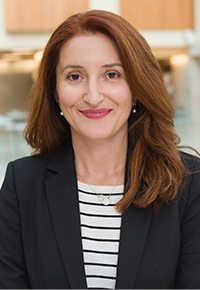
Darejan Dvalishvili

Darejan Dvalishvili

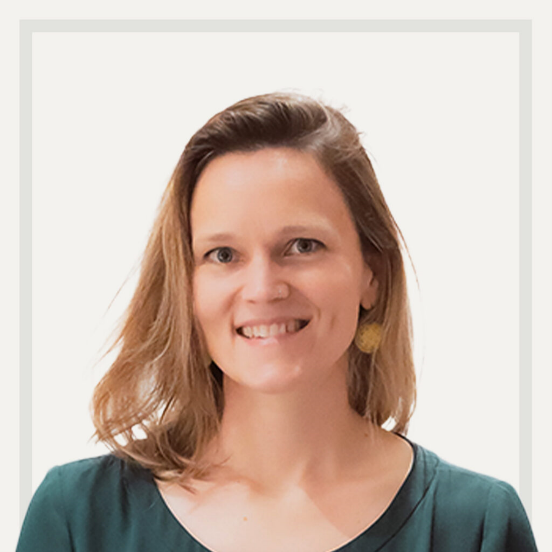
Darejan Dvalishvili is a predoctoral fellow at the Institute for Child and Family Well-Being. She is completing her Ph.D. in social work at Washington University in St. Louis. Her research focuses on intersections of poverty, child maltreatment, and adverse childhood experiences. Following her work with UNICEF and other international and local non-profit organizations, her interests include exploring the impact of various economic interventions on children’s wellbeing both in the US and globally. Darejan earned an MSW from Columbia University (New York, US) and an MD from Tbilisi State Medical University (Tbilisi, Republic of Georgia).

Darejan Dvalishvili
Predoctoral Fellow

Podcast Episodes and Show Notes

Season 4

Last episode, we explored the science and art of how stories really work, how they activate our brains differently than data alone, how they create emotional resonance that moves us to action, and how the strategic craft of storytelling can shift hearts, minds, and ultimately, change systems. But here’s the question that’s been lingering for me throughout this season: We’re not the first people to face entrenched, harmful narratives. We’re not the first to ask how culture changes, how minds shift, how systems bend toward justice.

So what can we learn from those who came before us? From the abolitionists who reframed enslavement as a moral crisis? From the labor organizers who shifted “individual failure” to “collective exploitation”? From the civil rights movement that transformed “separate but equal” into a demand for dignity and belonging? What lessons have our elders left us about how narrative power actually works in the messy, sustained work of social change?

Today, we welcome Rinku Sen, executive director of the Narrative Initiative and social justice strategist who has spent the last several years in the archives, studying these questions.

Rinku and I will explore: How modern narrative change efforts can honor the strategies and lessons learned from the social justice movements of the past; What it means to build narratives that don’t just shift policy, but fundamentally change culture and power dynamics? And in our current moment of deep polarization and information saturation, how we move beyond broadcast messaging to the relationship-building that actually changes hearts and minds?

Welcome to Episode 8: Hearing Our Elders to Build Better Narratives Today


We’ve spent this season talking about narrative change. How dominant narratives shape our mental models, culture, and consequently, systems. How dominant narratives determine who belongs while locking certain families out.

But here’s the question I’d like to start with as we enter our second narrative arc of building better narratives in this season: Do stories really work?

As Jess Moyer would remind us, “Narratives are made up of lots of different stories. So narratives are patterns in stories. And when we tell stories, we are sometimes intentionally, but often unintentionally, reinforcing particular narratives, or in other cases, contesting particular narratives by the kinds of stories that we tell and the ways that we tell those stories.”

So, can telling a different story about an overloaded parent actually change a caseworker’s behavior? Can a personal story shift a legislator’s vote? Can storytelling, something that feels soft, artistic, almost naïve, create the kind of measurable, systemic change we need?

Today, we’re getting into the mechanics. The neuroscience. The evidence. Because if we’re asking people to change how they communicate, to challenge narratives they’ve held their entire lives, we need to show them why it matters. Not just philosophically, but measurably.

This is Episode 7: Do Stories Really Work?


We now know the child welfare system has a long shadow thanks to the history lesson Prudence Beidler Carr shared with us in episode 4. We also heard powerful stories and testimonies from Valerie Frost, Dr. Pegah Faed and others in episode 5 about what happens to individuals and families in those shadows.

Yet, the dominant narrative in our society still suggests that the system exists to protect children from harm. Yet, as we will hear today from our guest Claudia Rowe, a veteran investigative journalist and author of Wards of the State: The Long Shadow of American Foster Care, over half of all children who have been in foster care end up in the criminal justice system. That is a mission not just unfulfilled, but actively harmful to those children and families, and it costs society—and taxpayers—billions in incarceration, mental healthcare, and lost potential, money that could have been invested in strengthening poor and overloaded families to keep them together in the first place.

This is today’s challenge for journalism and all of us as readers. How do we push beyond the simple, often sensational headline to tell the whole story, connecting the dots between how our systems have come up short, their real-life impacts on kids and families, and the solutions that may exist as an alternative?

Today, we welcome Claudia Rowe, who takes us beyond the narratives of ‘monsters’ and ‘heroes’ that dominate headlines and public discourse. She reveals the immense responsibility of journalism to challenge the dominant narratives it often helped create, and the years of patient, contextual work it takes to truly understand a life shaped by systemic trauma.

Welcome to Episode 6: Shining Light on the Long Shadow


For the past four episodes, we’ve been building a foundation. We’ve explored what narratives are, how they work, and why they matter.

We’ve heard how dominant narratives limit our ability to see families clearly and respond to them compassionately.

Today, we’re shifting from the conceptual to the personal. Because dominant narratives don’t just exist in the abstract. They don’t just live in policy briefs or academic journals. They manifest in people’s lives. In doctor’s offices. In school meetings. In a mandated reporters’ decision about whether to call CPS or reach out with support.

They shape who gets to tell their story and whose story gets told for them. Who is seen as an overloaded parent who needs support, and who is labeled as a risk. Who is offered a helping hand, and who has their children taken away.

Today, you’ll hear from people who have lived inside these narratives. People who have felt the weight of them. People who have fought to reclaim their truth.

This is Episode 5: How Dominant Narratives Manifest for Individuals, Families, and Communities.


What happens when a deeply embedded cultural narrative, a story we tell ourselves about unfit parents and unsuitable homes, is codified into federal law? This is the central question that inspired today’s episode. Before we can till the soil and reimagine the narratives and policies that may grow from it, we must first understand the ground we are standing on and how history formed its roots.

Prudence Beidler Carr, Director of the American Bar Association’s Center on Children and the Law, joins us to trace this historical arc that created the modern child welfare system. When I first saw her presentation that she has delivered across the country titled “How Poverty Became Neglect in Federal Law and Policy: A 1961 Magic Trick”, I was both troubled and inspired, so I wanted to bring her on the podcast to explore the narratives and policies that led to the conflation of poverty with neglect and created a legacy of racial disproportionality and systemic harm.

Our conversation asks us to confront difficult questions: How did narratives of ‘unfit’ parents move us from a federal government that invested in families’ economic stability to one that conflated poverty with child neglect? What were the consequences of those harmful narratives and policies for Black and poor families? In turn, how have those legal and policy histories shaped dominant historical narratives in our country? And what might it take to challenge a policy framework that was built upon a false narrative?

Join us for a deep dive into these questions and the hidden history and narratives that built the child protection system.


So far this season, we’ve tracked the big picture, the public narratives that shape our culture. We’ve examined the harmful patterns where radical individualism intersects with caregiving that turns collective crises into personal failures and therefore shrinks our sense of shared responsibility. But today, we’re going inward.

Because these dominant narratives don’t just exist out there in policy or the media. They live inside us. They are the scripts we recite when we look in the mirror, when we look at our neighbors, and when we decide who belongs and who doesn’t.

Jess Moyer and the FrameWorks Institute remind us that these are internalized, creating mindsets that act as filters. Today, we turn inward to examine those internal filters, our mental models, the deeply held beliefs that too often divide us and limit our own capacity for change.

Today, we are asking: What happens when those filters limit us? What happens when the stories we tell ourselves keep us from seeing our own power, or the humanity of the person standing right next to us?

This is Episode 3: The Stories We Tell Ourselves.


Jess Moyer and her metaphors from our first episode still have me thinking. Tilling the soil for social change. Not persuading, not convincing, but rather creating the conditions for new ways of thinking to grow.

But what exactly are we tilling? What lies beneath the surface that needs turning over? What happens when individualism tells us that a child’s outcomes are solely about their parents’ choices? When “care matters most” shrinks what children need down to the walls of a single home? And if narratives are patterns in stories, and framing is about the choices we make in telling those stories, how do we actually make those choices? What does it look like to be intentional about the soil we’re preparing? Understanding these concepts is just the beginning.

Today, Jessica Moyer, Senior Principal Strategist at the FrameWorks Institute, joins me in studio as my co-pilot on our journey to go deeper into the mechanics of narrative change. How do we actually do this work? What are the communication traps that keep us stuck? And how can we make strategic choices in our framing that shift culture and policy? If you’ve been wondering how to apply these ideas in your work, your conversations, or your community, this is the episode where we dig into the how.

Welcome to Episode 2: “We Need Both”: The Science and Stories of Strategic Communication


Over the past three seasons of Overloaded we have explored the forces that overload families, from poverty to social isolation, systemic racism to mistrust of our systems. But this season, we’re looking at something more invisible, the stories behind these forces and how stories shape what we believe, how we act and who we hold responsible.

When those stories get stuck in the past, in fear or in harm, they strengthen those forces and shape the systems and conditions that overload families instead of supporting them. If we want to change outcomes for children and families, we first have to understand the narratives that define how we see them. Those narratives inform our policies and priorities and inspire or shutter what’s possible.

Changing those narratives takes intention, courage and collective effort. Together, we can tell a story that uplifts instead of blames, that prevents harm before it happens. In season four, we’re taking apart the stories that define our families, our communities and our future and building better ones together.

You will hear from the inspiring changemakers that I had the honor of interviewing this past summer at the 2025 Prevent Child Abuse America national conference for their podcast The Shift: Voices of Prevention.

In this episode and throughout the season, you will hear Dr. Nadine Burke Harris, Dr. Bruce Perry, Desmond Meade, Oregon State Representative Annessa Hartman, Samantha Mellerson, and Tshaka Barrows of the Haywood Burns Institute, and Jessica Moyer from the FrameWorks Institute.


The Overloaded: Understanding Neglect podcast returns for its fourth season to change the narrative on how we think about families overloaded by stress and the systems that too often come up short in their greatest times of need.

Too many families experience an overload of stress related to financial insecurity, social isolation, lack of support, or the impact of systemic racism and interpersonal trauma. When overloaded, families need empathy and support, yet dominant, often harmful narratives lead many to meet them with suspicion or mistrust.

Every season of Overloaded has explored those stressors like poverty and social isolation that overload families. But this season, we’re looking at something more invisible, the stories behind those forces; and how stories shape what we believe, how we act, and who we hold responsible.

When those stories get stuck in the past, in fear, or in harm, they shape the systems and conditions that overload families instead of supporting them. If we want to improve outcomes for children and families, we first have to understand the narratives that define how we see them. Those narratives inform our policies and priorities and inspire or shutter what is possible.

Changing those narratives takes intention, courage, and collective effort. Together, we can tell a story that uplifts instead of blames, that prevents harm before it happens. In Season 4, we’re taking apart the stories that define our families, our communities, and our future, and building better ones together.


Season 3

In this final episode of season 3, I invited Kate Luster from Rock County to help us bring many of the strategies from this season together. As you have heard throughout this podcast, too many children and families, especially Black families, are being investigated and separated by child protective services.

As part of our Strong Families, Thriving Children, Connected Communities initiative, we review the data from all the counties across Wisconsin to see what counties are meaningfully addressing issues like racial disproportionality or reducing the number of children separated from their families and placed in foster care for reasons of neglect. This past year, Rock County jumped off the page as we saw a significant decrease in the number of children entering foster care. We wanted to know why and how this had happened. So we reached out to Kate, and she shared the story of Rock Families First, which we will explore today.

While you are listening to Kate, I encourage you to look for examples of how she and Rock County bring to life many of the strategies that you heard earlier this season. How have they disrupted system mindsets? How have they reimagined engagement and embedded community leadership? How have they invested in their workforce? Then, ask yourself, how might we do something like this and where can we start?


As I listened to Bryan Samuels in our last episode, I thought a lot about communities that drove their own transformation by collaborating with and changing the systems that should be serving them. Whether it’s the Harlem Children’s Zone that disrupted intergenerational poverty through community-driven Promise Academies, medical centers, and after-school and job training programs. Or here in Milwaukee where the Lindsey Heights Neighborhood Initiative increased homeownership, household income, and access to healthy food and quality healthcare through its Innovation and Wellness Commons all while empowering its residents rather than displacing them. In turn the community saw a decrease in crime and vacant lots as it trained more and more community leaders.

We’re talking about systems and community transformation that’s more than statistics—though the numbers are powerful. But the true magic isn’t in the data—it’s in the strategies that these communities used to drive real change.

In today’s episode, Bryan will share the 5 key strategies from Chapin Hall’s report “Systems Transformation through Community Leadership” that were developed from reviewing how people and leaders from communities like Harlem and Lindsey Heights changed the odds from the ground up for the kids and families that live there. I encourage you, as Bryan does at the end of today’s episode, to follow along with the bulletins as he brings these 5 key strategies to life. You can find the link in the show notes.


Over the past three episodes with Marlo, Sixto, Anthony, Bryn, and Samantha, we have explored how we might unlock the power of lived experience through true collaboration. Whether through shifts in our mental models as Marlo and Anthony proposed, or through policy and practice changes as Sixto and Bryn shared, or through power-sharing and trust-building as Samantha demonstrated, I hope that you discovered pathways that will lead you to better collaboration with people with lived experience. In these final few episodes of this season, we are going to attempt to bring many of these lessons all together.

I invited Bryan Samuels back to the podcast for the next two episodes to help us do that through Chapin Hall’s years-long review of the best strategies and lessons learned that you can find in their report titled “Systems Transformation through Community Leadership.”

In this first episode, we are going to explore why systems transformation through community leadership is needed, and why the conditions are right now. Bryan will also introduce the 5 key strategies to advance Systems Transformation through Community Leadership.

In the second episode, Bryan will share how to bring these 5 key strategies to life in our communities through shifts in our practices, policies, relationships, and mental models.


Last episode, we learned from national leaders Anthony Barrows, Sixto Cancel, and Bryn Fortune about the power of lived experience through Intersectional Professionals, Ambassadors, and Parent Leaders. Today, we will explore the impacts of a Parent Partner here in Wisconsin.

The history of peer support goes back long before we had formal systems like child protection or mental health. People in ancient societies overcame hardship like religious persecution or famine by coming together through shared experience and creating shared solutions. However, the rise of organized peer support comes in response to many systemic abuses and failures in the 19th and 20th centuries. Inhumane conditions and treatment of people living in asylums with mental health disorders led to groups like the Quakers and later people like Judi Chamberlin to create survivors’ movements that would transform how people with lived experience could organize their voices and advocacy to improve the systems that harmed and failed them.

People struggling with addiction felt judged and stigmatized by the systems that were supposed to help them, so Alcoholics Anonymous was created with peer-to-peer support at its core to validate and empathize with each person’s experience. It wasn’t until fairly recently that these peer support and mentor models were translated to child welfare. So I wanted to learn more about the model that is being implemented in Wisconsin.

Parents Supporting Parents is a peer support program designed in Iowa for parents involved in the Child Protection System that is now implemented here in a handful of counties across Wisconsin.

Samantha Copus is a mother to two children and identifies as a person in long term recovery. Samantha has a variety of lived experiences ranging from mental health, substance use disorders, domestic violence and being a mother who had a child in the child welfare system, all which qualify her now to serve as a parent partner in Jefferson County as part of the Parents Supporting Parents program.


In our last episode, Marlo Nash shared why lived experience is so critical to our work before she talked about the many lessons learned from this past year’s Wicked Problems Institute national convening titled “Unlocking the Power of Lived Experience through True Collaboration,” hosted by Children’s Home Society of America and the Jordan Institute for Families at the University of North Carolina. One of those lessons came in the form of a memorable question – “How do we do this for real, for real?”

Well, today you will get some answers in the form of practical frameworks, strategies, and actions from the three national experts that presented at the Wicked convening. You will hear from Sixto Cancel, Founder and CEO of Think of Us, Anthony Barrows, Founder of the Network of Intersectional Professionals, and Bryn Fortune, Founder of Fortune Consulting and Coordinator for the Nurture Connection Family Network Collaborative.

Unlike last episode’s conversation with Marlo, our episode today was recorded during last year’s Wicked Problems Institute. Each expert brought their unique lived experience along with the models, projects, and strategies that they have developed and/or implemented, so I hope you find practical tools that you can use in your work, organization, and systems to unlock the power of lived experience.


Lived experience, lived expertise, context experts… For the past many years, we have seen a movement towards including or elevating or integrating the voice of lived experience into our work. But what does that really mean? What does that mean for the person that has lived through the child welfare system? What does that mean for the people working in the system? What are we trying to accomplish or change, and how might we do this better?

If you have considered any of these questions or find yourself at a loss as to what the answers might or should be, then you’re in the right place. Over the next three episodes, we will be exploring these questions, many lessons learned as our guests worked through these questions, and the strategies designed and implemented by people with lived experience who, today, are leading others with lived experience.

Today’s episode, along with next week’s, will share what was learned during this year’s Wicked Problems Institute national convening titled “Unlocking the Power of Lived Experience through True Collaboration,” hosted by Children’s Home Society of America or CHSA and the Jordan Institute for Families at the University of North Carolina School of Social Work.

Today you will hear from Marlo Nash, managing director of CHSA, who led the planning and execution of the convening.


In the first half of last century, American children and families faced a crisis. Invisible threats paralyzed society as viruses such as polio paralyzed children, claimed lives, and left communities in despair as they searched for solutions. In response, widespread quarantine shut down schools and public places to prevent the disease from spreading; and iron lungs were used to treat people already impacted by severe respiratory paralysis. But then came a groundbreaking prevention strategy through vaccines, massive public health campaigns, and the mobilization of resources to protect every community and get people back to living their lives without fear. Vaccination efforts eradicated polio from the United States 50 years ago and drastically reduced the burden of other deadly diseases, saving millions of lives, restoring hope for the future, and creating a blueprint for how bold prevention measures can transform society.

Today, children and families face another crisis. In 2022, over 7 million reports of alleged child abuse or neglect were made to Child Protective Services. 3 million families were subsequently investigated, and around 85% of them were living at or below 200% of the federal poverty line. Ultimately, of those 7 million reports, 550,000 were substantiated for maltreatment, or somewhere around 1 of every 10.

How might we apply a similar public health approach that was used to address our polio crisis to address this crisis where too many families are overloaded by stress and vulnerable to child neglect, CPS investigations, and family separation? As we heard last episode from Jennifer Jones, Prevent Child Abuse America has a bold vision for what this could look like: an aligned and comprehensive primary prevention ecosystem that would empower all children and families to live a purposeful and happy life with hope for the future. One of its core aspirations is promoting economic stability, so that all families have the quality housing, childcare, and healthcare that we all need to thrive.

In this episode, we’ll explore how guaranteed income programs and other economic supports that alleviate financial stress might help us move further upstream as an important part of that prevention ecosystem. Over the past six months, I have met many leaders of guaranteed income programs across the country. This journey began when the Bridge Project arrived here in Milwaukee to provide unconditional cash assistance to 100 low-income, pregnant mothers in Milwaukee for the next three years. Today, you will hear my conversation with two of these leaders who I’ve learned from on this journey, Blake Roberts Crall and Dr. Allison Thompson, as we explore the potential of guaranteed income programs as part of this primary prevention ecosystem.


Last year, 39,325 reports of suspected child neglect were made to Wisconsin’s Child Protective Services. In other words, every single day 108 people across Wisconsin felt worried enough about a child to take the time to report them with the belief that they or their family would receive some support or intervention to ensure that the child was safe and well.

Of those nearly 40,000 reports, 88% were unsubstantiated for maltreatment. In fact, over 26,000 or 2 out of every 3 reports of neglect were screened out, which means that they don’t receive any form of service or response to the concerns that the person that reported them had for them in the first place.

These are often reports of struggles with economic insecurity as 85% of families investigated by CPS are living at or below 200% of the federal poverty line. A teacher is concerned because a child comes to school without a winter coat in January or didn’t have dinner last night or shared the that they recently lost their home. But poverty doesn’t equal neglect, and Child Protective Services wasn’t designed to provide services or the resources to prevent neglect, it was designed to intervene once neglect has occurred. So the question becomes: How might we create a better alternative to reporting overloaded families to Child Protective Services, so that they receive the targeted support and resources that they need to thrive?

How might we empower teachers, police officers, social workers, doctors and nurses who are on the frontlines of supporting overloaded families to build trust through referrals and connections to prevention services and resources rather than suspicion through reports to Child Protective Services?

I invited Jennifer Jones to have this conversation today to explore these challenges through the work that she and Prevent Child Abuse America are leading to build an aligned and comprehensive primary prevention ecosystem in the United States.


Over the past 30 years, we have seen a 60% decline in physical and sexual abuse of children across the United States. At the same time, we have only seen a 10% decline in child neglect. We have also seen poverty remain stubbornly persistent while learning that 85% of families investigated by the Child Protective Services live at or below 200% of the federal poverty line. As we have learned over these years about the positive impacts of social connections on our well-being and ability to manage stress and crises, we have also seen social isolation grow across our country.

These realities have motivated us over the past three years of our Strong Families, Thriving Children, Connected Communities initiative and the first two seasons of this podcast series to build a shared understanding of neglect, its underlying roots causes, and the social and systemic critical pathways we may take to advance promising solutions. This year and this season of the podcast, we confront these complex realities where, too often, overloaded families are expected to beat the odds that have been stacked against them; and we explore how we might change the conditions so that we improve the odds for children and families to thrive.

To do that, we must ask, how might we transform our systems, create a prevention ecosystem, and center families as the experts they are and the changemakers they should be? And why now?


In season 3 of Overloaded: Understanding Neglect, we confront the complex challenges of poverty, social isolation, and systemic failures where, too often, overloaded families are expected to beat the odds that have been stacked against them. In this season, we explore how we might change the conditions so that we improve the odds for children and families to thrive. 

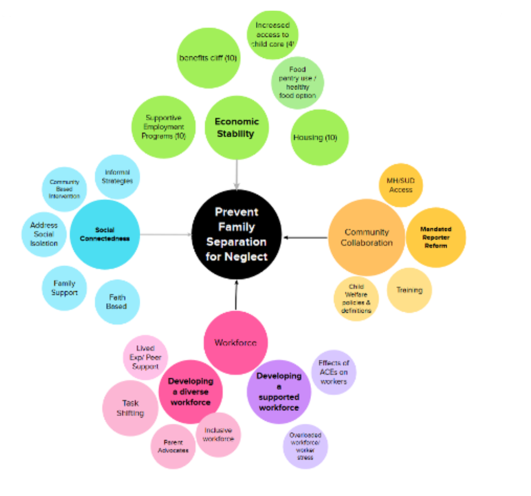
Through conversations with national and local experts and changemakers, we dive into the innovative ideas that aspire to transform our systems through community leadership, build an aligned and comprehensive primary prevention ecosystem, and unlock the power of lived experience through true collaboration. Through the first couple years of our Strong Families, Thriving Children, Connected Communities initiative, which included seasons 1 and 2 of this podcast series, we were able to align the insights and experiences of those who know these issues best with the evidence that has shown promise in advancing meaningful solutions. This collaborative effort identified four critical pathways – Economic Stability, Social Connectedness, Community Collaboration, and Workforce Inclusion and Innovation – that will shape the future of our initiative that aspires to reduce family separations for reasons of neglect.

Join me, Luke Waldo, as I explore how we might change the conditions through systems transformation, a prevention ecosystem, and the power of lived experience with research and policy experts Jennifer Jones (Prevent Child Abuse America), Marlo Nash (Children’s Home Society of America), Bryan Samuels (Chapin Hall), Allison Thompson (UPenn’s Center for Guaranteed Income Research), local practice leaders and experts Kate Luster (Rock County Human Services) and Blake Roberts Crall (Madison Forward Fund), and Lived Experience leaders and experts Anthony Barrows (Project Evident), Sixto Cancel (Think of Us), Samantha Copus (Jefferson County Parents Supporting Parents), and Bryn Fortune (Nurture Connection Family Network Collaborative).

Additionally, we have the honor this season to share many highlights from this year’s Wicked Problems Institute hosted by Children’s Home Society of America and the Jordan Institute for Families at the University of North Carolina.

We believe neglect is preventable. Join us on Wednesday, January 8th when we premiere season 3 wherever you listen to your podcasts.


Season 2

After finishing this second season in which we released two episodes for each of our four Critical Pathways – one with policy and research experts and one with lived experience and practice experts – we’ve decided to share a bonus episode that may serve as a bridge between this season and the future of our Strong Families, Thriving Children, Connected Communities initiative and this podcast series. If you remember back to our first episode of this season, my team at the Institute shared the vision of our Critical Pathways strategy. In Gabe McGaughey’s words, “There are several high quality initiatives focused on prevention policy, and we don’t want to replicate or compete with any of those efforts, but rather connect and elevate them. And in doing so we hope we can accelerate the impact of a collective network.”

As we enter further into the Critical Pathways, broaden our awareness and understanding of the impactful work and systems change efforts happening across our state, and deepen our relationships with those doing that work, we hope to elevate the practices, policies, relationships and mental model shifts that are strengthening families and reducing child welfare involvement in their lives.

As I started this season talking with my Institute team at Children’s, I thought it would be fitting to finish this season in conversation with my Institute colleague at UW-Milwaukee, Josh Mersky, to further elevate one of those promising approaches. In our conversation, we discuss the research Josh has done with our partners from across the state on the impacts of Family Resource Centers and other universal programs that promote family protective factors and social connectedness. We also explore his journey studying resilience and protective factors and what he has learned about the impact of child neglect and, conversely, how social connectedness may reduce the risk of neglect or mitigate its effects.

Dr. Josh Mersky is a founding director of the Institute for Child and Family Well-Being and a professor at the University of Wisconsin-Milwaukee’s Helen Bader School of Social Welfare. Josh’s research interests include child maltreatment and other adverse experiences that undermine health and well-being over the life course. He is dedicated to working with local and state partners to translate evidence into real-world solutions that improve outcomes for vulnerable children and families.

Josh applies his expertise to the design, application, evaluation, and dissemination of effective practices, programs, and policies through Institute projects that include the Strong and Stable Families project that he will discuss today. I encourage you to check out our Institute for Child and Family Well-being website to learn more about those projects.


In Wisconsin, 72,942 reports were made to Child Protective Services last year alone. To make sense of that, 200 children are being reported every day because someone believes they are being abused or neglected. Every single day. To put that in further perspective, that comes out to about 1 out of every 17 children in our state being subject to a child protective services report. Imagine having someone call a government agency to report that your child appears to be unsafe. How might that feel as a parent? Now, of those nearly 73,000 reports, 51,000 of them (or 7 out of every 10) is screened out, meaning that they don’t rise to the level of maltreatment that would require an assessment to be completed by CPS. And finally, just over 3,000 children were separated last year from their parents from those nearly 73,000 initial reports. At the same time this is happening, we have nearly 40,000 non-profits statewide that support our children, families and communities, yet families too often need support or services that are unknown to them or hard to access. So how might we work smarter, not harder, to elevate solutions to ensure all families can access the help they need when they need it? How might we lead with compassion and curiosity to build bridges between service providers, community organizations, and the families we serve, so we can create a more equitable, collaborative, and impactful support network rather than a reporting network? I invited Julie Ahnen, Laura Glaub and Marc Seidl to have this conversation today to explore these questions as they have been on a journey of confronting the challenges of mandated reporting and mistrust of our systems.


In episode 2 of this season with Liz Weaver and Mark Cabaj, they centered the people closest to the problems that we are trying to solve. Liz talked about how their community change efforts driven by Collective Impact frameworks require that there is a balance of participants at the table, meaning that there are as many people with lived experience as professionals and government officials. Mark summoned the Polish constitution from centuries ago that brought us the words that have become synonymous with community voice – “Nothing about us, without us.”

Over the past many years, we have seen a movement within our family serving systems – from substance abuse to mental health to child welfare – to include those impacted most by those systems in the planning and decision-making processes. Organizations like Think of Us have been founded by and for people that have been impacted by the child welfare system. In Wisconsin, Bregetta Wilson, our guest from season 1, leads a team of Parent Leaders at our Department for Children and Families that has advised changes to our state’s child welfare policies and procedures. At Children’s Wisconsin, we have a Parent Advocate, Esmeralda Martinez, who we will be talking with today about her own lived experience that led to the child welfare system, and how that experience informs her role and the support she provides to parents that are living a similar experience to her own.

So how might we support and advance these movements to meet the promise of “Nothing about us, without us”? How might we learn from those with lived experience about what overloads families in the first place, so that we might support them before child welfare and family separation is needed? How might we create the power balance that Liz Weaver talked about where those with lived experience have the influence to make meaningful changes to the decisions and systems that impact them the most? And lastly, how might we support our lived experience partners so that we don’t overload them or cause harm?

I invited Esmeralda Martinez to answer these questions today through her experience and expertise.


20 years ago, I found myself jumping into a dry canal on a hot day in Santa Cruz de la Sierra, Bolivia in an attempt to introduce myself to a group of kids who called the canal home. While my Spanish was in good form after two years designing programs for a nonprofit in Spain. My early attempts at communicating with youth who had been abused and neglected and were now living in the streets had gotten off to a rocky start. I learned quickly that my Spanish and even my ability to articulate what the kids had experienced that led them to the streets didn’t create the opening to enter into their community. So I stood awkwardly on the outside, respectfully observed from a distance and occasionally got an “hola, hermano”, as they assumed I was from the church. I was not.

Days later, a boy known as Choco asked if I wanted to play checkers with his friends. I accepted. I sat under the bridge, introduced myself and asked them their names. Before they even finished introducing themselves, I started my pitch as to why they should leave the streets. Nothing surprising here. The streets are full of danger like traffickers, drugs and disease. I even shared the data that made it clear that they would likely die of tuberculosis or addiction, or end up in jail before their 20th birthday. The kids didn’t flinch. Instead, Choco put his hand on my arm and said, “but the street is my family. They protect me.” In one of the more consequential decisions in my career, I fought my urge to argue with him, and again cite all the evidence as to why leaving the streets would be better for him in his future. Instead, I listened. What I learned in that moment would serve as the foundation of my work for the next two years in Bolivia, and in some ways for the past 20.

Our trusted social connections inform how we see ourselves in our world. If I wanted these boys to leave their only trusted social connections in the streets, I had to build trust with them. And kids see right through you, if you aren’t speaking their language, if you aren’t sitting in their reality with them. So I kept showing up, I kept listening. And soon I spoke their language. I understood that they didn’t want to hear about the dangers of the streets, but the safety of our community and new friendships, the opportunity of school, and most importantly, the promise that I would be there if things got hard. In that single social connection between me and that boy, the conditions that would in many ways dictate his future were changed.

In a way it was that experience and many like it over the years that inspired this podcast series. I wondered, how might we bring the language and expertise of policy, research and systems experts into the same space is the language and expertise of those most impacted by the policies, services and resources the former talk about? It’s my attempt at translating. I hope that there have been moments in these first two seasons that have helped translate the complexity of systems into how they impact the complex lives of real people.

That is my traditionally long-winded way of introducing today’s episode. And what I hope you will reflect on as you listen to two different conversations that we have weaved together for you. As you already heard in the opening clip, Diana Maya speaks Spanish. I chose very intentionally to give the same space to Diana’s voice as I do to all my guests, which means that she will tell her story without interruption. That also means that if you have to dust off your high school Spanish, you may find yourself in the shoes of the boys in Bolivia when I spouted projected outcomes or that of a mother sitting at a table with a half dozen professionals citing statutes right after her child has been separated from her. In the end, you won’t miss anything. I share in English what Diana says after she’s done, but I do hope that it’s an opportunity to reflect on how important shared language and social connection are to building trust, authentic engagement and the opportunity for meaningful change.

I have spent weeks thinking about this episode, what I have learned from listening to Diana and Jessika stories, the power of their connections with Amy and Ayesha and how we can change lives by listening to understand what someone has been through who they are, and who they might become if someone believes in them.

Social Connectedness came alive in these conversations. And one powerful moment I watched as Amy was brought to tears while listening to Diana tell her story. While Amy doesn’t speak Spanish, it was clear that she understood what Diana was experiencing and sharing in that moment. I want to thank that Diana Maya and Jessika Harleston, for sharing their stories with me. I also want to thank my colleagues here at Children’s Wisconsin, Amy Baldus, Ayesha Teague and Micaela Conlon-Bue, who have become part of Diana and Jessika stories do their amazing work and care. I encourage you to learn more about them on our podcast website.


On January 8th, we mark the 60th anniversary of President Lyndon Johnson’s War on Poverty. In his State of the Union remarks, he called poverty a national disgrace and described it as a societal failure. He stated, “The cause may lie deeper in our failure to give our fellow citizens a fair chance to develop their own capacities, in a lack of education and training, in a lack of medical care and housing, in a lack of decent communities in which to live and bring up their children.” He signed into law the Economic Opportunity Act later that year, which would create job training programs, Head Start early childhood education, and a domestic volunteer program – now known as Americorps. It would also attempt to combat racial discrimination, which had marginalized people of color from fair participation in our politics and economy. It would later inspire cash assistance and tax credits that have shown to reduce poverty such as TANF, the Earned Income and Child Tax Credits.

Policies, such as the Economic Opportunity Act, that strengthen family economic stability can go a long way toward reducing childhood adversity and supporting the relationships that help children thrive.

While progress has been made in Johnson’s War on Poverty, it’s clear that there are still many battles before us as child and family poverty have not been eradicated. As Mark Cabaj discussed in our second episode, we often solve one problem only to expose or create another in this infinite game. For example, with our economic safety net, many families find themselves on the benefits cliff as they make too much to be eligible for housing vouchers or cash assistance, but too little to pay for what they need for their families.

So how might we raise the floor on family economic stability, while lowering the ceiling on the cost of living? How might we better support overloaded families so that they may achieve economic stability?

I invited Jessika Harlston to have this conversation today to share her lived experience and her role as a Financial Employability Planner to explore these questions.

Jessika Harlston is a mother of 3 boys and a Financial Career Planner and Case Manager for individuals and families. In Overloaded, she shares her experience of becoming socially isolated that led to child welfare involvement, and then her powerful story of reconnection with her family and support system. Jessika shares that “so many people look at me as this woman who has it all; when in reality, I am just like everyone else. I cry like everyone else, I struggle like everyone else, and of course, I smile like everyone else.”


Earlier this year, Jermaine Reed hosted the Color of Child Welfare conference as he has since 2010, which included a keynote by Dorothy Roberts, the author of Torn Apart, from which Bregetta Wilson read in our first season. Ms. Roberts wrote an article last year titled, “Why End Mandated Reporting”, in which she makes this foundational statement:

“By federal edict, every state must identify people who work in professions that put them in contact with children – such as teachers, health care providers, social services staff, and day care workers – and require them by law to report suspected child abuse and neglect to government authorities.” Consequently, she states, “Poor and low-income families are more likely to come in contact with professionals who are mandated to report child maltreatment. Receiving social services, relying on welfare benefits, living in public housing or shelters, and using public clinics all subject parents to an extra layer of surveillance by government workers who are quick to report when they suspect maltreatment or a family’s needs for services.” As we shared in season 1, this system has led to the deeply troubling reality in which 53% of all Black children and 1 in 3 of all children in the United States are subject to a child maltreatment investigation.

How does our current system of mandated reporting discourage overloaded families from seeking the help that they really need due to fear of ending up in the child welfare system? How does it create moral dilemmas for the many helpers in our community – teachers, social workers, doctors and nurses – who feel compelled to report a family under the weight of the potential consequences if they don’t?
So how might we transform our mandated reporting system into community support and collaboration that lifts overloaded families up and over their challenges? How might we confront the biases that influence reporters’ decisions as to who to report and who to support? And how might we improve our systems and service coordination so that our helpers know who can help and how to connect them to the families that need them when they need them?

I invited Jermaine to have this conversation today to share his expertise and explore these questions. As an added bonus, Jermaine and I begin this conversation discussing his journey as a child welfare professional, which covers some of the topics we explored in the Workforce Inclusion and Innovation discussion we had last week with Tim Grove.


In 2021, amid a global pandemic, a national reckoning on racial justice, and human and environmental devastation from the opioid epidemic, gun violence, and climate disasters, Harvard Public Health published a feature called “The Age of Trauma”. In that feature, they describe these times as “the age of syndemics”, a theory that first emerged in the 1990s during the AIDS epidemic as a way to examine how social ills and medical illnesses collide. In other words, we are again living in a time when those who are most adversely impacted by social ills such as poverty, systemic racism, and trauma, are also most vulnerable to diseases such as COVID.

These syndemic times are devastating for our most overloaded families, which in turn puts even greater stress on the people who are serving and supporting them. In our mental health, child welfare, and family well-being systems, vicarious trauma, moral injury, and burnout have become more prevalent during the past few years as professionals were exposed to not only human suffering but also the impossible decisions as to whose suffering took priority when their resources limited their ability to meet everyone’s need.

These past few years have also exposed the lack of diversity and representation in our workforce, which led to a movement of Diversity, Equity, and Inclusion in and across organizations and systems.

In the face of these challenging times, how might we begin to address the long-standing underlying root causes of these syndemic times that overload families and, in turn, burn out our workforce? How might we create a workforce that is authentically representative of our communities, while also nurturing a work environment that honors and elevates the lived experience of our workforce?

I invited Tim Grove to help answer these questions by sharing his expertise and understanding of the impacts of trauma and moral injury within the child welfare system, and workforce culture through Diversity, Equity, and Inclusion and trauma-informed care frameworks.


On May 3rd, 2023, Dr. Vivek Murthy, the U.S. Surgeon General, released a national plan to fight against our country’s “loneliness epidemic”. In his opening statement, he wrote:
“When I first took office as Surgeon General in 2014, I didn’t view loneliness as a public health concern. But that was before I embarked on a cross-country listening tour, where I heard stories from my fellow Americans that surprised me. People began to tell me they felt isolated, invisible, and insignificant. Even when they couldn’t put their finger on the word “lonely,” time and time again, people of all ages and socioeconomic backgrounds would tell me, “I have to shoulder all of life’s burdens by myself,” or “if I disappear tomorrow, no one will even notice.”
It was a lightbulb moment for me: social disconnection was far more common than I had realized.”

The research supports what Dr. Murthy heard, and the consequences of loneliness and social isolation are troubling.
Recently, about one-in-two adults in America reported experiencing loneliness, nearly 1 in 4 Wisconsinites report that they only sometimes or never get the social and emotional support they need; and even more troubling, caregivers of children, especially mothers and single parents, are more likely to experience feelings of loneliness. And that was before COVID-19 cut off so many of us from our support systems, exacerbating loneliness and isolation. Loneliness is far more than just a bad feeling—it is associated with a greater risk of cardiovascular disease, dementia, stroke, depression, anxiety, and premature death. The mortality impact of being socially disconnected is similar to that caused by smoking up to 15 cigarettes a day.

While these realities are cause for concern, I believe the fact that we are talking about social isolation and its harms is the first important step in confronting it, in shifting the narrative towards how we build and strengthen social connectedness. So how might we build a movement that brings people and organizations together to destigmatize loneliness and change our cultural and policy response to it?

I invited Linda Hall and Rebecca Murray to help answer that question by sharing their expertise on the underlying root causes of social isolation; the positive impacts of social connectedness on child development and family prosperity; and the promising and proven practices and policies that effectively strengthen the social connectedness of families that may be at risk of child neglect and family separation. Their work leading Wisconsin’s Office of Children’s Mental Health and Child Abuse and Neglect Prevention Board has prioritized social connectedness for children and families through research and advocacy, and the promotion of practices and frameworks such as Five for Families, the Five Categories of Social Connectedness for Youth, and Family Resource Centers.


While Wisconsin defines neglect as the failure, refusal, or inability to care for a child for reasons other than poverty, we can’t ignore the fact that 85% of families investigated by our child welfare system live below 200% of the federal poverty line. Earlier this year, Chapin Hall at the University of Chicago published a report on the impacts of poverty on child neglect and abuse. The message was clear. Income supports to families with low incomes, like those provided through the Temporary Assistance for Needy Families (TANF) program, reduce the risk of child maltreatment and the child welfare system involvement that results from it.

What if we were to think about programs like TANF that we commonly think of as anti-poverty programs as child maltreatment prevention programs that keep families together? How might we build partnerships across systems that empower the economic stability of overloaded families? How might we follow the evidence, even if it contradicts how we have always done things, so that we may change the conditions that overload families and make them vulnerable to our most intrusive systems?

Clare Anderson from Chapin Hall joins the podcast to share her expertise on the root causes and role of poverty and their intersection with child neglect, and the practices and policies that effectively address the economic needs of overloaded families that may reduce family separation for reasons of neglect.


In 2019, The New York Times published an opinion column entitled “Winning the War on Poverty. The Canadians are doing it, we’re not.” In the column, they note that Canada reduced its official poverty rate by at least 20% from 2015 to 2017. This accomplishment brought its poverty rate to its lowest in recorded history. My guests today, Liz Weaver and Mark Cabaj were part of this societal transformation. Their leadership and use of methodologies such as Collective Impact and Field Catalyst brought people living in poverty together with business, nonprofit, and government partners in hundreds of communities across Canada. By building authentic relationships, each community would learn from one another and build a shared understanding of what was at the root of their poverty.

So how might we learn from Canada’s transformation so that we might empower communities to overcome poverty or child neglect, and build wealth and child and family well-being? I invited Liz and Mark to have this conversation today to share their wisdom and why these approaches are so vital to community and systems change, how they should be and shouldn’t be used, and what they look like in real life so that we may create transformational change for our children, families and our communities.


Since you last joined us in season one, our team at the Institute for Child and Family Well-being has been busy learning from the experts that you heard here, community changemakers from across our state, and the latest evidence from lots of reading. Through that learning, we developed four critical pathways that will serve as roadmaps to help us focus our efforts, foster deeper relationships across systems and communities and clarify shared goals.

As a small team, we know that we can’t achieve our goal of reducing family separations for reasons of neglect across the state of Wisconsin on our own. So we hope through this podcast, convenings, and ongoing shared learning that we can serve as a catalyst of change. As my team at the Institute has learned this past year and a half, the evidence may take us and you to new places that lead to better outcomes for families. In this first episode, I talk with my team to introduce this season of the podcast so that they can share with us how we got here, where we’re going, and what you can anticipate hearing from our experts in season two.


In season 2 of Overloaded: Understanding Neglect, we will be confronting complex challenges like poverty, social isolation, and systemic racism that overload families as we explore our Strong Families, Thriving Children, Connected Communities’ four Critical Pathways, our roadmaps for discovering and developing innovative solutions to these wicked problems. Through the first year of our Strong Families initiative, which included season 1 of this podcast series, we were able to align the insights and experiences of those who know these issues best with the evidence that has shown promise in advancing meaningful solutions. This collaborative effort identified four critical pathways – Economic Stability, Social Connectedness, Community Collaboration, and Workforce Inclusion and Innovation – that will shape the future of our initiative that aspires to reduce family separations for reasons of neglect.

Join me, Luke Waldo, as I explore these Critical Pathways with research and policy experts Clare Anderson from Chapin Hall at the University of Chicago, Mark Cabaj of From Here 2 There, Tim Grove of Wellpoint Care Network, Linda Hall of Wisconsin’s Office of Children’s Mental Health, my Institute colleague Josh Mersky of the University of Wisconsin-Milwaukee, Rebecca Murray of Wisconsin’s Child Abuse and Neglect Prevention Board, Jermaine Reed of Fresh Start Family Services, Liz Weaver of the Tamarack Institute. Additionally, we will shine a light on these Critical Pathways through the lived experience experts of many of my close colleagues at Children’s Wisconsin’s child welfare and child maltreatment prevention programs and the caregivers with whom they have worked closely.


Season 1

In today’s bonus episode, we brought together some of our Overloaded: Understanding Neglect experts to thank them and celebrate our collective effort that led to this podcast series. But before we went out to celebrate, we sat down to discuss two topics that have become even more relevant, more top of mind for many of us. First, we explored the Legislation and Policy that have been passed, renewed or begun implementation this year. Then, we discussed the challenges and opportunities that we face with our Workforce within our child welfare and maltreatment prevention systems.


In today’s episode, our last in this series, we will be looking back at our previous seven episodes in an effort to elevate our key lessons learned to present a blueprint towards our ultimate goal of supporting overloaded families and reducing family separations for reasons of neglect. We will be looking at them through the lens of the systems change drivers that we have explored over the past many episodes, by looking at the impact of mental models – our beliefs and biases that influence our behavior – and the relationships and power dynamics that connect or divide us in our communities and systems, and how they influence the important policies, practices and allocation of funding and resources that support our systems change strategies and efforts.


In today’s episode, we will be looking at how we might move further upstream from our current child welfare system, with the intent of revealing current strategies, efforts and opportunities to prevent adversity from occurring for children and families. As we discussed in our previous episodes, we will be looking at the impact of mental models – our beliefs and biases that influence our behavior – and the relationships and power dynamics that connect or divide us in our communities and systems, and how they influence the important policies, practices and allocation of funding and resources that support our prevention strategies and efforts.

As you will hear today, there are many prevention strategies that currently exist that we believe, if employed more frequently and effectively, can dramatically lessen the overload that too many families in our communities are carrying. In turn, they can be the nurturing, responsive parents that their children need and deserve; and we can reduce family separations for reasons of neglect.


Today’s episode intends to provide a framework of systems drivers along with some concrete examples of how we might move our child welfare system towards a child and family well-being system. We hope that it provides an initial framework along with some inspiration as to how each of us has the power to influence systems change through the seemingly small acts of compassion and challenging our own biases. Through those small acts real change begins, especially in a system and society where historical inequities and trauma have deep roots that persist today.

How might we challenge those inequities in our policies and practices within our own organizations and communities? How might we share power, leadership and decision-making with those that we serve? And how might we learn from the policies and practices that have allowed families to fall or be separated before we actively supported them? Join us today to hear our experts share their experience with those questions.


In our first four episodes, we explored neglect, three of its underlying root causes in the forms of trauma, systemic oppression, and poverty, and their compounding challenges like housing instability, mental illness, and addiction that further overload families with stress, and can lead to child welfare involvement and family separation. Moving forward, we will shift our focus from the challenges that overloaded families experience to the challenges and opportunities that our complex systems, organizations, and communities face as we aspire to reduce family separations for reasons of neglect.

To begin this shift, we will explore the child welfare system over a two-part episode, beginning today in part 1 as we look more closely at how the system is designed and functions, how policies, which are often created by those furthest away from the most affected communities, dictate practice and resources, and how we are failing overloaded families by not effectively addressing the underlying root causes of neglect that we explored in our first few episodes.


Children thrive when they have regular interactions with responsive, caring adults. Families experiencing significant stressors related to financial insecurity, housing instability, or the impact of systemic racism and trauma can be overloaded with stress, interrupting those interactions. Over time, and without adequate supports, overloaded families can become vulnerable to adverse experiences, ranging from toxic levels of stress to involvement in the child welfare system, and even family separation for reasons of neglect. How might we support and empower overloaded families, so that they may overcome these challenges? How might we see families for their strengths and potential rather than as defined by their darkest moments?


Poverty, like neglect, is a constellation of complex challenges. We are too often investigating families for child maltreatment because other systems are failing. When this happens, a family that may have been experiencing temporary financial insecurity becomes more vulnerable to compounding factors such as homelessness and mounting stress. It’s in these moments that a family becomes vulnerable to a child welfare investigation and potential family separation. So how might we begin to address financial insecurity before it becomes poverty? How might we support families experiencing poverty before it leads to child neglect?


In Wisconsin, family separations disproportionately impact Children of Color. In 2020, Children of Color made up about 31% of Wisconsin’s child population, but 56% of the foster care population in out-of-home care. Nationally, 53% of Black children will experience a Child Protective Services’ investigation before their 18th birthday. In this episode, we explore these disparities and impacts of systemic oppression on children and families, and how these experiences intersect with trauma.


How do we define neglect? How is neglect interpreted and operationalized by our child welfare system, and how many children and families are separated because of it? What are the underlying root causes of neglect that overload caregivers with stress? In this first episode, host Luke Waldo explores these questions and the complexity of neglect with our research and policy, child welfare and child maltreatment prevention, and lived experience experts.


Season 4 Guests

Photo of Tshaka Barrows

Tshaka Barrows

Haywood Burns Institute

Tshaka Barrows is Co-Executive Director and member of the Executive Leadership Team with the Haywood Burns Institute. Tshaka joined the Burns Institute in 2002 as Regional Manager for the Community Justice Network for Youth (CJNY) after graduating from the University of Wisconsin. Previously, he worked to build the CJNY from 35 active member organizations in 2002 to over 200 nationwide today! He developed several curricula including a comprehensive juvenile justice history curriculum, as well as racial and ethnic disparity taskforces in Los Angeles, New York, Boston, Chicago and New Orleans. He is proud to have worked with and supported so many community leaders committed to ‘Stopping the Rail to Jail’.


Photo of Prudence Beidler Carr

Prudence Beidler Carr

American Bar Association’s Center on Children and the Law

Prudence Beidler Carr is the Director of the American Bar Association’s Center on Children and the Law, where she manages a team of attorneys and core staff who work on children’s law projects throughout the country. Prudence joined the ABA Center in July 2016 and brings a background in government, nonprofit management, and children’s advocacy to her role.

Immediately before joining the ABA, Prudence lived in Mexico City where she partnered with JUCONI, a Mexican organization that helps street-living youth reintegrate with their families. Prudence has also worked at the Department of Homeland Security Office of General Counsel, and began her legal career as a law clerk for District Judge Paul S. Diamond in the Eastern District of Pennsylvania.

Prior to becoming a lawyer, Prudence worked on numerous children’s advocacy projects both domestically and internationally, including advocating for children and parents involved in the child welfare system in California, New York and Illinois, expanding access to affordable child care in California and Spain, and helping prosecute child sex abuse crimes.

Originally from Chicago, Prudence now lives in Washington DC with her husband and children. 


Photo of Tori Brasher-Weathers

Tori Brasher-Weathers

Institute for Family

Tori Brasher-Weathers serves as the Program and Partnership Manager at the Institute for Family, part of Children’s Home Society of North Carolina. Tori is passionate about creating spaces where children and families can truly thrive. With a deep commitment to inclusive, supportive, and trauma-informed practices, she believes education has the power to transform lives. 

As Program and Partnership Manager at the Children’s Home Society of North Carolina’s Institute for Family, Tori leads innovative online training and curriculum development for child welfare and allied professionals. Her work centers on elevating family voices and weaving storytelling into learning experiences that inspire empathy and action. She also serves as a storytelling facilitator for the Shine on North Carolina Initiative, helping capture and share lived experiences to influence policies and decisions that shape communities.


Photo of Dr. Nadine Burke Harris


Dr. Nadine Burke Harris

Dr. Nadine Burke Harris is an award-winning physician, researcher and advocate dedicated to changing the way our society responds to one of the most serious, expensive and widespread public health crises of our time: childhood trauma. She was appointed as California’s first-ever Surgeon General by Governor Gavin Newsom in January 2019 and quickly became a trusted leader in the state’s COVID-19 pandemic response.

Dr. Burke Harris’ career has been dedicated to serving vulnerable communities and combating the root causes of health disparities. She is the author of The Deepest Well: Healing the Long-Term Effects of Childhood Adversity.


Photo of Kim Dvorchak

Kim Dvorchak
National Association of Counsel for Children

Kim Dvorchak, JD, has led National Association of Counsel for Children (NACC) since May of 2017. Ms. Dvorchak is responsible for the overall leadership of policy, operations, programs, fundraising, and the strategic development of the organization. Ms. Dvorchak has nearly 30 years of experience in direct representation, policy advocacy, and nonprofit management to advance the rights of children and youth. Under Ms. Dvorchak’s leadership, the National Association of Counsel for Children vastly expanded its programs and services, tripled its budget and staff, and was selected to receive a major multi-year grant to launch a national right to counsel campaign for children and youth in the child welfare system.

Ms. Dvorchak has served as the leader of three nonprofit organizations since 2010. Previously, Ms. Dvorchak was the Executive Director of the National Juvenile Defender Center (now The Gault Center), where she lead the launch of the Gault at 50 Campaign to commemorate the US Supreme Court case establishing children’s right to counsel. Prior to this position, Ms. Dvorchak was the founding Executive Director of the Colorado Juvenile Defender Center, an attorney training and policy center which accomplished monumental reforms to ensure children’s right to counsel, reduce the prosecution of youth in adult court, and build a community of lawyers committed to zealous advocacy for children.

In her legal career, Ms. Dvorchak represented children and youth in delinquency court, criminal court, and on appeal; she has run her own law firm, and served as a public defender in two states. A recognized national expert on juvenile law, Ms. Dvorchak has published multiple policy reports and is a frequent lecturer at policy conferences and continuing legal education seminars. Ms. Dvorchak continues to serve as an expert witness in juvenile law and policy.

In recognition of her advocacy work on behalf of children, Ms. Dvorchak received the Kutak-Dodds Prize for equal justice by the National Legal Aid and Defender Association, the Champions of Children Advocate by the Sewall Child Development Center, the Robert E. Shepherd Jr. Leadership Award for Excellence in Juvenile Defense by the National Juvenile Defender Center, and was named a Colorado Woman of Influence by the Denver Post. Ms. Dvorchak also received the Gideon Award from the Colorado Criminal Defense Bar for her work on an amicus brief in a Colorado Supreme Court case establishing the right to effective assistance of counsel in post-conviction matters.


Photo of Dr. Pegah Faed

Dr. Pegah Faed

Safe and Sound

Dr. Pegah Faed serves as the CEO of Safe and Sound, a San Francisco-based organization working to prevent and reduce the impact of childhood abuse, neglect, and trauma. Last year alone, they supported nearly 14,000 children and caregivers in the Bay Area and beyond. Prior to this role, Dr. Faed gained a depth of experience in establishing programs, policy, and systems change efforts that create lasting change for children and families, in roles at First 5 Marin, working closely with San Francisco Mayor’s Children’s Policy Council and serving on the Center for Youth Wellness’s California Campaign to Counter Childhood Adversity steering committee. 


Photo of Valerie Frost

Valerie Frost

National Lived Experience Leader

Valerie Frost is a parent advocate and systems-change leader whose work is deeply informed by lived experience navigating Kentucky’s child welfare and court systems. With a background in education and over five years of consulting with public agencies and coalitions, her efforts focus on transforming child welfare practices to become more family-centered and prevention-oriented. Her personal journey as a mother impacted by the system due to a lack of adequate support for her children with special needs informs her commitment to embedding lived expertise into policy, practice, and research. She partners with legal professionals, public agencies, and national initiatives to co-design approaches that elevate the voices of families and reduce harm within systems of mandated intervention.

Above all else, Valerie’s proudest accomplishment is being a mother to three beautiful children who have stolen her heart – her greatest advocacy efforts.


Photo of Representative Annessa Hartman

Representative Annessa Hartman

Oregon State Representative Annessa Hartman is a member of the Haudenosaunee, Cayuga Nation, Snipe Clan, and the third Indigenous person elected to the Oregon House of Representatives.

Representative Hartman serves House District 40, including Oregon City, Gladstone, and Unincorporated Clackamas County. Representative Hartman’s legislative focus includes supporting working families, human services, and infrastructure, which stems from her experiences as the child of a single, working mother, and being a Gladstone City Councilor.

Transparency, accessibility, and amplifying historically unheard voices are guiding values that have impacted her work to diligently view policy from an equitable lens, empowering others to speak their stories to local leadership.

Representative Hartman’s background in events and hospitality has enabled her to utilize her strengths in planning, goal setting, collaboration, and communication. Hospitality can be a thankless calling-like leadership that builds small wins and eventually leads to monumental change with diligence, focus, and humility.​


Photo of Megan McGee

Megan McGee
Ex Fabula

Megan McGee is Co-founder and Executive Director of Ex Fabula, a Milwaukee nonprofit that connects Milwaukee through real stories. She has a Master’s degree in Spanish Language and Literature, a Bachelor’s degree in theatre, and a decade of informal study of the neuroscience of storytelling, which she leverages to create storytelling programming that connects individuals, fosters empathy, and amplifies underrepresented voices and stories. Under her leadership, Ex Fabula has received awards including a 2020 MANDI for their Deaf Storytelling work and a 2021 Unity Award from Milwaukee Magazine.


Photo of Samantha Mellerson

Samantha Mellerson

Haywood Burns Institute

Samantha Mellerson is Co-Executive Director with the Haywood Burns Institute. Sam brings over 20 years of experience working with issues of social justice, racial and ethnic equity, education, diversity, youth justice, child welfare and wellbeing. She also brings a depth of knowledge around nonprofit capacity building and is a certified empowerment and diversity coach. Sam has worked across public and private sectors in various capacities such as non-profit direct service and management, local and state government and philanthropy.


Photo of Emerald Mills-Williams

Emerald Mills-Williams

Diverse Dining

Emerald Mills-Williams is a Milwaukee-based business connector and the founder of Diverse Dining and Diverse Dining Market, a food-based vendor incubator and dialogue-driven experience company that helps teams build real relationships across differences. Through curated meals, market programming, and corporate workshops, Emerald equips organizations to strengthen culture, belonging, and engagement. Her work has been featured by FOX (Milwaukee), Spectrum News 1, Milwaukee Magazine, Milwaukee Journal Sentinel, OnMilwaukee, Wisconsin Public Radio, TMJ4, and UWM News.


Photo of Desmond Meade

Desmond Meade
Florida Rights Restoration Coalition

Desmond Meade is a formerly homeless returning citizen who overcame many obstacles to eventually become the President of the Florida Rights Restoration Coalition (FRRC), Chair of Floridians for a Fair Democracy, a graduate of Florida International University College of Law, a winner of the McArthur Genius Award, and recognized by Time Magazine as one of the 100 Most Influential People in the World for 2019.


Photo of Tarik Moody

Tarik Moody

Radio Milwaukee

Tarik Moody is the Director of Strategy and Innovation at Radio Milwaukee. He is the creator of Rhythm Lab Radio, HYFIN, and co‑host of the podcasts “By Every Measure” and “This Bites”. He is a storyteller on culture, tech and community.

Tarik cultivates a platform for Black music and culture through HYFIN, where he leverages his expertise in creative strategy and AI to create a community-focused broadcast experience, which underscores his and Radio Milwaukee’s commitment to promoting diversity and cultural integrity in the media landscape.


Photo of Jessica Moyer

Jessica Moyer

Frameworks Institute

Jessica Moyer is an environmental sociologist and geographer who has been a member of the FrameWorks team since 2017. As Senior Principal Strategist, she combines her experience as a civic-minded researcher with her passion for teaching and commitment to social justice advocacy.

Prior to joining FrameWorks, Jess worked with several social, environmental, and community arts organizations, including The Race Equality Centre, where she provided advocacy support to Black, minority ethnic, immigrant, and asylum seeking communities; The Mighty Creatives, where she matched aspiring young artists from underserved communities with job placements in the culture scene; and the Center for Marine Resource Studies in the Turks and Caicos Islands, where she coordinated conservation, education, and community-building initiatives. Jess has also conducted research in Costa Rica and the Philippines, as well as taught at universities in the United States and the United Kingdom.

In 2019, she co-produced two short-length films, entitled Our Home and The Saving Tree, both of which highlight Filipina women’s relationships to the environment and were shortlisted for Research in Film Awards by the UK’s Arts and Humanities Research Council. Jess holds a bachelor’s degree in fine arts from the University of Delaware, a master’s degree in geography from Western Washington University, and a doctorate in sociology from Queen Margaret University in Scotland.


Photo of Dr. Bruce Perry

Dr. Bruce D. Perry, M.D., Ph.D

Dr. Perry is the Principal of the Neurosequential Network and a Professor (Adjunct) at the School of Allied Health, Human Services and Sport, La Trobe University, Melbourne, Victoria  Australia. 

Over the last thirty years, Dr. Perry has been an active teacher, clinician and researcher in children’s mental health and the neurosciences holding a variety of academic positions. His work on the impact of abuse, neglect and trauma on the developing brain has impacted clinical practice, programs and policy across the world. Dr. Perry is the author, with Maia Szalavitz, of The Boy Who Was Raised As A Dog, a bestselling book based on his work with maltreated children and Born For Love: Why Empathy is Essential and Endangered. Dr. Perry’s most recent book, What Happened to You? Conversations on Trauma, Resilience, and Healing (2021), co-authored with Oprah Winfrey, has been translated into 26 languages and has been on the New York Times Bestseller list for over 100 weeks after becoming #1 on the list in April of 2021.


Photo of Jared Robinson

Jared Robinson

Rally

Jared Robinson is a Senior Accounts Executive at Rally and communications strategist using his experience in storytelling, coalition management, event planning, and project management to fight for progress. Born and raised in Olympia, WA, Jared has worked in partnership with Washington-based organizations on issues ranging from education equity and child welfare to global environmental conservation. Inspired by his time working alongside nonprofits, schools, governments, and foundations, Jared brings a tailored, community-based approach to his work and understands the value of uplifting diverse voices when advocating for change. In his free time you’ll find Jared playing strategy games, enjoying local breweries and exploring the Pacific Northwest.


Photo of Claudia Rowe

Claudia Rowe

National Book Award Finalist & Seattle Times

Claudia Rowe is a National Book Awards finalist for her book, Wards of the State: The Long Shadow of American Foster Care and a member of The Seattle Times editorial board. She has been writing about the places where youth and government policy clash for 34 years. Claudia is the recipient of a Casey Medal for Meritorious Journalism and multiple honors for investigative reporting. Her work has been twice nominated for the Pulitzer Prize in journalism. She has been published in The New York Times, The Seattle Times, Mother Jones, and The Stranger. In 2018, Claudia’s memoir, The Spider and the Fly, won the Washington State Book Award.


Photo of Rinku Sen

Rinku Sen

Narrative Initiative

Rinku Sen is a writer and social justice strategist. She is formerly the Executive Director of Race Forward and was Publisher of their award-winning news site Colorlines. Under Sen’s leadership, Race Forward generated some of the most impactful racial justice successes of recent years, including Drop the I-Word, a campaign for media outlets to stop referring to immigrants as “illegal,” resulting in the Associated Press, USA Today, LA Times, and many more outlets changing their practice. She was also the architect of the Shattered Families report, which identified the number of kids in foster care whose parents had been deported.

Her books Stir it Up and The Accidental American theorize a model of community organizing that integrates a political analysis of race, gender, class, poverty, sexuality, and other systems. As a consultant, Rinku has worked on narrative and political strategy with numerous organizations and foundations, including PolicyLink, and the ACLU. She has a long history of board service in non-profits and foundations; she currently serves on the board of the Center for Investigative Reporting and is the board chair of Hedgebrook, the women’s writing residency. 

In her current role leading Narrative Initiative, she is building a vision of true multiracial, pluralistic democracy, and helping organizers across movements learn how to saturate every story with their ideas.


Photo of Pardeep Singh Kaleka

Pardeep Singh Kaleka

Mental Health America of Wisconsin

Pardeep Singh Kaleka is the Clinical Director at Mental Health America–Wisconsin, a senior anti-hate advocate, and co-author of The Gift of Our Wounds. After losing his father in the 2012 Oak Creek Sikh Temple attack, he became a leading voice for community healing, resilience, and faith. 

With over 25 years of experience in law enforcement, education, mental health, and supporting hate-crime survivors, Pardeep has served with the U.S. Department of Justice–CRS and led the Interfaith Conference. He specializes in communal trauma and helps public health professionals, educators, and law enforcement develop community-oriented strategies to address conflict, hate, and rising targeted violence.


Photo of Shary Tran

Shary Tran

Children’s Wisconsin

Shary Tran serves as the Vice President of Belonging and Workforce Development at Children’s Wisconsin. She is the co-founder of ElevAsian, a collective of Asian American and Pacific Islander’s (AAPIs) in the Greater Milwaukee area who strive to elevate the visibility of people, business and issues in the AAPI community by celebrating the successes and shining a light on the challenges facing their community.

Podcast Contributors

Photo of Luke Waldo

Luke Waldo

Podcast Host and Executive Editor
Director of Program Design and Community Engagement

Luke Waldo is the Host and Executive Editor of the podcast Overloaded: Understanding Neglect, and the Director of Program Design and Community Engagement for the Institute for Child and Family Well-Being.

Luke has dedicated his career to child well-being in Europe, South America and his native Milwaukee where he has worked with children and families adversely impacted by forced migration, homelessness, family violence, and abuse and neglect. He has over two decades of experience working in the complex systems of domestic violence, childhood trauma and well-being, homelessness, education and maltreatment prevention, with a particular focus on engagement and innovative solutions to personal and community challenges. Luke has trained hundreds of child well-being professionals in the areas of domestic violence, toxic stress, adverse childhood experiences, childhood resilience, social innovation and systems change. Prior to joining ICFW’s leadership team, Luke led the Family Support Program, which serves families involved with the child welfare system by providing strengths- and evidence-based interventions.

Luke believes in the power of storytelling, scientific evidence, and their potential to catalyze better outcomes for children and families when brought together effectively.

Luke earned his Master of Science in Cultural Foundations of Education from the University of Wisconsin-Milwaukee. He holds a Bachelor of Arts degree in Psychology and Spanish from the University of Wisconsin-Eau Claire.


Headshot of Gabriel McGaughey

Gabe McGaughey

Podcast Contributor and Interviewer
Co-Director for the Institute for Child and Family Well-being

Gabriel McGaughey serves as the director of well-being for Children’s Hospital of Milwaukee Community Services. In this role, he hopes to push child welfare and other public systems toward a more holistic approach to working with children with the goal of improving their immediate health and long-term well-being.

Previously, Gabriel served as the director of Children’s Child Welfare program, overseeing the implementation of a new program design. With more than 16 years of experience, he has worked at every level of social work from field work at group homes and prevention programs to data analytics and administration. Gabriel joined Milwaukee Child Welfare in 2003 as a case manager, eventually taking on a supervisory role. In 2007, he moved into quality improvement where he created analytic processes to better understand the needs of children and families in foster care.

Gabriel holds bachelor’s and master’s degrees in social work from the University of Wisconsin-Madison.


Photo of Nathan John Fink

Nathan John Fink

Technical Production for Overloaded: Understanding Neglect

Nathan is the Chief Advancement Officer at Family Connects International, an evidence-based, universal newborn nurse visiting program that supports the parents of newborns in overcoming common challenges. Nathan brings more than 20 years of experience to the role in education, advancement, and social norms change through various media. He received a Master of Fine Arts in storytelling from the University of New Hampshire. A fierce advocate of primary prevention and family support strategies, his work in academia, community mental health, and family strengthening initiatives focuses on elevating the stories of everyday people striving to build connection, shared aspirations, and resilient communities. Nathan can be found forever (re)hammering the floor nail of his old house in Durham, New Hampshire, where he lives with his wife and two feral sons. He has asked explicitly that we include the following message: “If you’re reading this, send help. You’ll know which house from the debris.”

ICFW Newsletter, Summer 2025

The mission of the Institute for Child and Family Well-Being is to improve the lives of children and families with complex challenges by implementing effective programs, conducting cutting-edge research, engaging communities, and promoting systems change.

The Institute for Child and Family Well-Being is a collaboration between Children’s Wisconsin and the Helen Bader School of Social Welfare at the University of Wisconsin-Milwaukee. The shared values and strengths of this academic-community partnership are reflected in the Institute’s three core service areas: Program Design and Implementation, Research and Evaluation, and Community Engagement and Systems Change.

In This Issue:


Meet the ICFW

Headshot of Georgia Ecclestone

Georgia Ecclestone is a Master of Social Work student at Concordia University-Wisconsin. She joined the ICFW team for her final internship beginning in August 2025 and ending in April 2026. Georgia obtained her bachelor’s degree at the University of Wisconsin-Platteville in December 2021 where she studied forensic science and criminal justice. She is currently employed at the Lakeshore Regional Child Advocacy Center (LRCAC) as a family advocate and an Multi-Disciplinary Team (MDT) coordinator.

Georgia also holds a private detective license in the state of Wisconsin. Prior to her work at the LRCAC, she worked as a deputy medical examiner in Ozaukee County. Georgia is passionate about the child welfare system and providing trauma-informed care and advocacy to those who need it most. She is excited for the opportunity and experience the ICFW has to offer her. 


Headshot of Chelsea Miller

Chelsea Miller (she/her/hers) is an MSW/MPH student at University of Wisconsin-Milwaukee with a concentration in Community and Behavioral Health. Driven by an interest in primary prevention and early intervention for childhood trauma, she approaches her work through a macro-level lens on the social determinants of health – particularly how trauma both impacts and is shaped by systemic inequities. She is especially interested in advancing racial and economic equity as essential pathways to prevent trauma and foster healthier, more resilient communities.  


Program Design and Implementation

The Institute develops, implements and disseminates validated prevention and intervention strategies that are accessible in real-world settings.

The Social Connectedness Toolkit

Benefits of connectedness graphic that includes financial, physical, and emotional health.

By Meghan Christian

How is it that so many are isolated and disconnected if social connection is crucial to thriving? Social connectedness is incredibly place-based and personal. This creates challenges in replicating what may work in one place to another.

Social connectedness is a human need and benefits our financial, physical, and emotional health. Oppositely, isolation has been compared to smoking 15 cigarettes per day. Times with friends and companions has decreased by about 14 hours per month in the last 20 years. What’s happened and what can be done?

What might you need more of in order to connect? Take the poll!

The Strong Families, Thriving Children, Connected Communities’ (SFTCCC) Social Connectedness critical pathway group developed a customizable toolkit, Social Connectedness Toolkit: Life & Leisure for Well-Being that helps connect, inform and guide people who seek to decrease isolation and loneliness. The goal is for people and organizations to have a usable framework to promote conversations and actions meant to increase social connectedness. Join SFTCCC today to get access now!


Building Brains with Relationships

By Meghan Christian

Building Brains with Relationships graphic with date of November 14

For over a decade ICFW has been working on shifting practice, from focusing on symptoms to asking “what happened here?” and “how might we prevent what happened here?” ICFW also helps other organizations do the same thing: use strategic learning and guide best practices.

Oconto, Juneau, Rock, Racine and Milwaukee County home visitors, foster parents, family support workers and ongoing case managers came together in August to expand their knowledge of brain architecture and functioning, resilience and galvanize their belief in the power of prevention. They also have the chance to regroup soon virtually to best support adult learning.

Building Brains with Relationships is a full day, in-person interactive workshop offered by ICFW. The August workshop was hosted by Wisconsin Child Welfare Professional Development’s extension site in Glendale, WI as is the upcoming November 14th workshop (9am-4pm). The price (FREE) and location, just minutes from beautiful Lake Michigan, make it a great day trip for individuals and teams. To register, log into your PDS account or start a new account here.

Another custom-to-customer training is coming up at Sojourner Family Peace Center. This will be the 2nd custom training of the year. This is a continuation of the last few years that we’ve been supporting Sojourner Family Peace Center implement strategic learning and scale academy-style trainings for new staff from all the partnering agencies.


Research and Evaluation

The Institute accelerates the process of translating knowledge into direct practices, programs and policies that promote health and well-being, and provides analytic, data management and grant-writing support.

Recent ICFW Publications

Janczewski, C. E., Mersky, J. P., & Kaiser, D. (2025). From foster care to incarceration: A prospective analysis of the National Youth in Transition Database. Child Abuse & Neglect164, 107469.

Background: Children in foster care often face significant adversity in adulthood, including a heightened risk of incarceration. Yet, it is uncertain whether adult incarceration rates differ between youth who age out of foster care, youth who are reunified with their families, and those adopted or placed with a legal guardian.

Objective: This prospective study investigates the prevalence of adult incarceration for youth in care at age 17 and examines whether the risk of incarceration varies by foster care exit type, both overall and among different racial/ethnic groups.

Read more about this publication.


Community Engagement & Systems Change

The Institute develops community-university partnerships to promote systems change that increases the accessibility of evidence-based and evidence-informed practices.

Introducing our New Services to Partner for Systems that Work

Partnering For Systems That Work

Complex challenges like neglect, poverty, and social isolation can’t be solved by one sector alone. At the Institute for Child and Family Well-Being (ICFW), we partner with communities to build prevention systems that last. We bring structure, learning, and strategy to help changemakers turn local energy into lasting solutions. Building prevention systems takes more than good ideas. It takes practical tools, strong partnerships, and the right support at the right time. That’s where we come in. Through technical assistance, evaluation, and network-building, we help changemakers turn learning into action and align their efforts for greater impact.

Our Technical Assistance Services

Illustration of a gear.

Community Systems Change Support

Systems don’t change because of a plan; they change when people work differently together. We help communities move from good ideas to shared action, building the local capacity to lead and sustain change. Helping cross-sector partners align around a shared vision to take action on the root causes.

Illustration of a lightbulb.

Learning-Focused Evaluation & Storytelling

Turn learning and data into action. Use stories to drive change. We help communities use strategic learning to make better decisions, strengthen alignment, and tell the story of their impact. Our approach blends reflection, adaptation, and storytelling with evidence and research to support real-time improvement.

Network graphic with illustration of six people

Network Building & Strategic Collaboration

Networks don’t just spread ideas, they build power. We help changemakers build shared language, trusted networks, and aligned strategies across places and systems. Through learning communities, roundtables, and field-level tools, we strengthen the infrastructure that enables collective impact.

Who We Work With

We partner with changemakers who are building better systems for families—those ready to lead change from within their communities. Community-based organizations, local governments, public agencies, coalitions, and national networks turn to ICFW to:

  • Reimagine how systems show up for families
  • Build lasting capacity for learning, adaptation, and coordination
  • Break down silos to tackle complex challenges together
  • Embed equity, trust, and community voice into their strategy

What Guides Us

We are grounded in tested systems change principles and practice-based evidence. At the heart of our approach is relationship building—trust, collaboration, and connection are the foundation for lasting systems change.

  • Systems change happens when relationships shift, not just policies
  • Lived experience belongs in leadership
  • Equity is not an add-on—it’s foundational
  • Learning drives progress
  • Communities already hold the wisdom needed for change

What Success Looks Like

  • Families are thriving—their needs are met earlier, and fewer are overloaded.
  • Communities lead, guided by evidence, accelerated by relationships.
  • Cross-system work aligns, accelerates, and strengthens local strategy.
  • People closest to the challenge—practitioners, lived experience experts, and community leaders—drive the work.

Let’s Work Together

We help changemakers turn momentum into action and ideas into aligned strategy. We bring the tools, partnership, and perspective needed to build systems that truly support families. See our work in action:

Let’s connect and explore what we can build together.


Learning-Focused Evaluation and Storytelling – Child Welfare Lessons Learned

By Megan Frederick-Usoh

The Workforce Innovation & Inclusion Critical Pathway (WII) calls for innovation, inclusion and a commitment to workforce stability. As such, ICFW partnered with the Child Welfare team at Children’s Wisconsin to understand how they successfully reduced staff turnover since their employment crisis of 2021.

Child Welfare Lessons Learned presentation cover.

Over the last several months, we facilitated a reflective process rooted in storytelling and guided by Tamarack’s Most Significant Change method. Through a series of focus groups, and conversations with leadership, we listened to staff and supervisors share their perspective of the staffing crisis, what changed in the last four years and why it mattered.  Ultimately, this partnership sought to surface the lessons behind the progress, what compels staff to stay in challenging roles and what supports are still needed. Several themes emerged, but those most influential were, strong and consistent supervision, flexible work arrangements and culture of transparency and care. These themes were supported by direct quotes and personal stories from staff:

CategoryRepresentative Quote
Communication“My supervisor checks in weekly and always asks how I’m doing personally.”
Flexibility“She lets us shift our schedules if we need to handle family responsibilities.”
Emotional Support“Sometimes just hearing ‘you’re doing great’ keeps me going after a hard week.”
Team Connection“Debriefing as a team after a crisis really helps us stay grounded.”
Recognition“It feels good to hear ‘thank you’ during team meetings – it’s rare but appreciated.”
Training & Mentorship‘When I shadowed her on a tough call, I learned more than from any training.”
Workload Management“They adjusted my caseload when things got overwhelming. That really helped me stay.”

To supplement our focus group data, a follow up survey is currently underway. Once all data is collected, these insights and stories will inform hiring, recognition and retention strategies that reflect those doing the work to support overloaded families.


ICFW at the Prevent Child Abuse America (PCAA) National Conference

By Luke Waldo

Gabe McGaughey and I had the great honor to be part of Prevent Child Abuse America’s Power of Prevention conference in Portland, Oregon in August.

We presented two breakout sessions, “Transforming Neglect Prevention: A Systems Change Framework to Support Overloaded Families” and “Overloaded: Understanding Neglect – Transforming the Narrative through a Podcast Series” to over 250 attendees from all over the country. I also shared our work with the Overloaded podcast when I co-presented with PCAA leaders Jennifer Jones and Irmes Dagba-Craven and Prevent Child Abuse Arizona’s Claire Louge on “Shifting Mindsets: Innovative Projects to Transform Perspectives”.

I also co-hosted the conference’s podcast “The Shift: Voices of Prevention” with Nathan Fink, which produced powerful episodes with the keynote speakers Desmond Meade, Dr. Bruce Perry and Dr. Nadine Burke Harris along with conference presenters Samantha Mellerson and Tshaka Barrows of the Haywood Burns Institute and State Representative Annessa Hartman.

Gabe and I also hosted an exhibit table to unveil the exciting new developments with our new service lines that aspire to partner for systems that work. We are grateful to PCAA for creating an inspiring space for changemakers from across the country to share our transformative work and the power of prevention.


Strong Families, Thriving Children, Connected Communities Announces Its Steering Committee

The Strong Families, Thriving Children, Connected Communities’ (SFTCCC) network has grown nearly 300% since our first full year of the initiative to over two hundred members representing over thirty counties and all five Wisconsin regions. As our team at the ICFW serves as a field catalyst in this initiative, it is important that a steering committee that represents the initiative’s membership works closely with us to provide leadership and direction towards our objectives.

A kickoff meeting was held in July to build relationships and begin basic initiative governance tasks. The steering committee will engage throughout the year through Basecamp and bi-annual meetings.

We are grateful to the changemakers from policy and research, child welfare and prevention, to system leadership and lived expertise who have accepted this role and look forward to working with them to achieve our goal of reducing family separations for reasons of neglect.

Map of SFTCCC participating counties

Recent and Upcoming Events

The Institute provides training, consultation and technical assistance to help human service agencies implement and replicate best practices. If you are interested in training or technical assistance, please complete our speaker request form.

Upcoming Events

Recent Events

ICFW Newsletter, Spring 2025

The mission of the Institute for Child and Family Well-Being is to improve the lives of children and families with complex challenges by implementing effective programs, conducting cutting-edge research, engaging communities, and promoting systems change.

The Institute for Child and Family Well-Being is a collaboration between Children’s Wisconsin and the Helen Bader School of Social Welfare at the University of Wisconsin-Milwaukee. The shared values and strengths of this academic-community partnership are reflected in the Institute’s three core service areas: Program Design and Implementation, Research and Evaluation, and Community Engagement and Systems Change.

In This Issue:


Meet the ICFW

Josh Mersky Awarded Prestigious UWM Research Senior Faculty Award

Josh Mersky

The UWM Research Foundation, in collaboration with the Office of Research, has established the UWM Research Foundation Senior Faculty Awards to recognize researchers who have a long history of significant contributions to their field of research.

ICFW Co-Director Dr. Josh Mersky has been awarded this prestigious award in 2025 for his contributions to research in our field of social work and child and family well-being. Congratulations, Dr. Mersky!

Learn more about the award.

Check out Dr. Mersky’s research.


Research and Evaluation

The Institute accelerates the process of translating knowledge into direct practices, programs and policies that promote health and well-being, and provides analytic, data management and grant-writing support.

New ICFW Issue Brief Highlights the Hello Baby Program

Hello Baby Logo

All families can benefit from some support after a baby is born. This issue brief (PDF) highlights Hello Baby, a postpartum nurse home visiting program that is widely available to families with a newborn baby in Racine and Walworth Counties. Services are offered to all families regardless of their socioeconomic background, though the level of support they receive varies. This approach ensures that services effectively address each family’s needs and that program resources are allocated efficiently.

Read more about this brief. (PDF)


Recent ICFW Publications

Janczewski, C. E., Mersky, J. P., & Kaiser, D. (2025). From foster care to incarceration: A prospective analysis of the National Youth in Transition Database. Child Abuse & Neglect, 164, 107469.

Background: Children in foster care often face significant adversity in adulthood, including a heightened risk of incarceration. Yet, it is uncertain whether adult incarceration rates differ between youth who age out of foster care, youth who are reunified with their families, and those adopted or placed with a legal guardian.

Objective: This prospective study investigates the prevalence of adult incarceration for youth in care at age 17 and examines whether the risk of incarceration varies by foster care exit type, both overall and among different racial/ethnic groups.

Read more about this publication.


Community Engagement & Systems Change

The Institute develops community-university partnerships to promote systems change that increases the accessibility of evidence-based and evidence-informed practices.

Building A Vision During Uncertainty

By Gabe McGaughey

Different colored hands

With significant uncertainties related to federal funding for programs that are intended to support overloaded families, we in the field are often tasked with being observers to narratives about ‘waste’, ‘ineffectiveness’, and ‘inefficiencies’. Thankfully, there are many working to advocate for programs, like Medicaid, that support child health, safety, and well-being. What’s clear in these times of uncertainty, is that new solutions for complex challenges related to health, housing, and poverty are going to be left to states and communities.

It’s easy, and understandable, to worry about how potential cuts could impact our lives not only of the families we serve, but also our community of practitioners, social workers, and changemakers in terms of our ability to support the families we serve, but also our own stability and well-being. This adds stress to an already stressful calling. But as those in positions of influence work to sustain critical funding, we also need to cultivate a new vision for the future. We shouldn’t fight for a broken system, but for the key infrastructure that we need to create a better one.

We are entrusted with the stories of the families we serve, we carry them with us, both good and bad, for the rest of our lives. While families may see us as being present in a specific moment, as we nurture and empower them, we must also honor their stories by creating a vision of a system that creates conditions where all families can thrive.  While we’re advocating for tools and critical funding, that has absolutely made a difference for families, we must also acknowledge the limitations of the status quo. Beyond acknowledgment, we must honor the family stories we’re entrusted with to learn from them, chart a new vision for how we support families overloaded by stress, and by acting together to make real change happen.

If you’re interested in joining a group of collaborative changemakers, join our virtual Strong Families, Thriving Children, Connected Communities network here.


Housing and Its Impacts on Family Economic Stability

By Luke Waldo

Quote reading "The intention with bringing together folks who oftentimes aren't int he same room, or certainly have very different systemic priorities..."

Over the past two months, we have hosted virtual convenings focused on housing and its impacts on child and family well-being. Changemakers from Brown, Burnett, Dane, Milwaukee, Portage, Racine counties, and Illinois who represent the child welfare, child maltreatment prevention, domestic violence, housing, professional development, and community navigation and resources fields shared their personal motivation for joining the convening along with programs and resources that have shown promise in supporting overloaded families with housing.

I have kicked off each convening by sharing why the ICFW’s Strong Families, Thriving Children, Connected Communities initiative sees housing and economic stability as a critical pathway to its north star of reducing family separations for reasons of neglect.

Through data, research, and case studies on how housing instability intersects with child welfare and family economic stability in Wisconsin, we began our conversation about why we are motivated by this complex challenge.

Housing Insecurity illustration

Over these first two convenings, our growing network of diverse changemakers has identified some critical themes that we will continue to explore.

  • Housing Instability’s Impact on Child Welfare Cases
    • Many participants noted how housing challenges directly affect child welfare cases, particularly affecting reunification timelines and case complexity.
  • Systemic Disconnects in Housing Solutions
    • Participants highlighted inconsistencies in how housing assistance is approached across different stages of child welfare involvement.
  • Housing as a Complex Resource Issue
    • Multiple participants described how difficult securing adequate housing can be, especially for vulnerable populations.
  • Poverty vs. Child Safety Dilemma
    • Several participants addressed the complicated relationship between poverty, housing instability, and child safety concerns.
  • Need for Cross-System Collaboration
    • The convening itself represented the goal of bringing different perspectives together to address housing issues.
  • Promising Initiatives and Resources Exist
    • Multiple promising pilot programs underway (Family Keys, DV Housing First) using flexible funding to prevent family separations due to housing.

Join us to continue the conversation and action at our third convening on Housing and Its Impacts on Family Economic Stability at 2pm on June 2nd, and sign up to join a group of collaborative changemakers through our virtual Strong Families, Thriving Children, Connected Communities network here.


Advancing Social Connectedness

By Meghan Christian

In honor of the Global Loneliness Awareness Week starting June 9th, two new interactive tools will be shared in the next few weeks on social media and Strong Families, Thriving Children, Connected Communities forums. The tools will be available on our website in the coming months.

Meeting Loneliness Together Week June 9-15, 2025
  1. Social Connectedness Toolkit – Because social connectedness is incredibly place-based, the toolkit will have some space to customize to a location or agency. In addition to scalable tools, a brief education on the benefits and features of social connectedness will be included.
  2. Social Connectedness Jeopardy – Created for people to learn about social connectedness and to elevate a lesson ICFW has long-since learned (games amp up learning), Social Connectedness Jeopardy is a free and fun way to open or wrap up a discussion. Find Social Connectedness Jeopardy here!

If you were to observe Global Loneliness Awareness Week, what might you do? Need ideas? Here’s a few:

The Global Initiative on Loneliness and Connection is hosting a webinar on Poverty & Social Connection on June 10th. Learn more and RSVP here.

Strong Families, Thriving Children, Connected Communities will be having a live, virtual meeting on Social Connectedness on June 11th at 12 CST. This meeting is great for people who want to un-silo their work, think creatively and experiment.

What would need to change for you to be more socially connected within the year? If you’re interested in joining a group of collaborative changemakers who are collectively working on that question, join our virtual Strong Families, Thriving Children, Connected Communities’ Social Connectedness network here.


Recent and Upcoming Events

The Institute provides training, consultation and technical assistance to help human service agencies implement and replicate best practices. If you are interested in training or technical assistance, please complete our speaker request form.

Upcoming Events

Recent Events

Adverse childhood experiences and health-related outcomes in early adulthood: Evidence from the Korean Welfare Panel Study

Choi, C., & Mersky, J. P. (2025). Adverse childhood experiences and health-related outcomes in early adulthood: Evidence from the Korean Welfare Panel Study. Children and Youth Services Review, 108158.

Abstract

Research has reliably shown that adverse childhood experiences (ACEs) are highly prevalent and consequential, though scientific progress has been hindered by the frequent use of retrospective, cross-sectional study designs. As a result, there is limited knowledge of when ACEs are most likely to occur, and there are lingering questions about causal inferences and effect sizes. This study aimed to estimate the period prevalence of ACEs in early-, mid-, and late-adolescence, and to compare cross sectional and longitudinal associations between ACEs and health-related outcomes in adolescence and early adulthood. Using a panel study of 353 participants and their caregivers from 2006 to 2021 in South Korea, eight ACEs were measured across three time periods: ages 10–12, 13–15, and 16–18. Descriptive analyses produced estimates of period prevalence, while correlational and path analyses generated direct and indirect associations between ACEs and health-related outcomes (chronic illness; depressive symptoms) in late adolescence and early adulthood. Results showed that period prevalence estimates ranged from 53 % to 67 %. ACEs were associated with more robust effects on depressive symptoms in late adolescence than early adulthood and in cross-sectional analyses than longitudinal analyses. Conversely, significant associations with chronic illness were only observed prospectively in early adulthood. The link between ACEs and adult depressive symptoms was partly mediated by depressive symptoms in late adolescence, whereas paths between ACEs and adult chronic illness were unmediated. The findings confirm that ACEs are highly prevalent and harmful. Future ACE research should explore the extent to which findings are influenced by method effects.

Link to publication

Qualitative assessment of interprofessional knowledge gaps in the setting of child physical abuse

Cleek, E. A., Sheets, L. K., Mersky, J. P., Totka, J. P., & Haglund, K. L. (2025). Qualitative assessment of interprofessional knowledge gaps in the setting of child physical abuse. Wisconsin Medical Journal. Advance online publication. E1-E7.

Abstract

Health care professionals can protect children by identifying and reporting injuries concerning for child physical abuse, such as sentinel injuries (bruising and intra-oral injuries in precruising infants). Citing knowledge and collaboration barriers, health care professionals sometimes fail to recognize sentinel injuries as concerning for abuse. Interprofessional education may be an ideal format to improve health care professional’s responses to sentinel injuries. However, it is traditionally limited to health care professions, while responding to suspected child physical abuse requires collaboration between health care professionals and non-health care professionals. This study’s purpose was to understand if an interprofessional education framework could support the need and development of interprofessional education for child physical abuse beyond health care professions.

Link to Publication

Advancing the study of adverse adult experiences:  A validation study of the Adult Experiences Survey

Mersky, J. P., Plummer Lee, C., Liu, X. (2025). Advancing the study of adverse adult experiences:  A validation study of the Adult Experiences Survey. Journal of Family Violence. 1-13. Advance online publication.

Purpose

Extending research on adverse childhood experiences (ACEs), this study examined the occurrence, co-occurrence, and associated outcomes of adverse adult experiences (AAEs). We also explored subgroup differences in the effects of AAEs and responses to the Adult Experiences Survey, a seminal assessment of AAEs.

Method

Survey data were collected between October 2021 and May 2023 from more than 2,000 Wisconsin adults who enrolled in the Strong and Stable Families Study, a prospective investigation of risk and resilience in families with children. Descriptive analyses produced sample prevalence estimates of AAEs overall and by race/ethnicity, income, and gender. Analyses were performed to test bivariate associations among AAEs and to calculate the mean number of additional adversities associated with each AAE. Multivariate regressions were conducted to test associations between AAE scores and indicators of mental health and well-being along with the moderating effects of race/ethnicity, income, and gender. A multigroup confirmatory factor analysis with an alignment optimization procedure was used to assess measurement invariance by race/ethnicity, income, and gender.

Results

More than 75% of participants reported at least one AAE, and more than 25% reported four or more AAEs. Higher levels of cumulative adversity were reported by non-White than White adults, women than men, and adults from lower-income than higher-income backgrounds. All 10 AAEs were significantly intercorrelated, and specific AAEs such as sexual abuse, violent crime victimization, and homelessness were linked to especially high levels of cumulative adversity. Adult adversity scores were positively associated with depression and anxiety symptoms and negatively associated with quality of life and life satisfaction ratings. Significant adversity-by-race and adversity-by-income interaction effects were observed. Response patterns to AAE questions were similar across racial/ethnic, income, and gender subgroups, providing support for measurement invariance of the Adult Experiences Survey.

Conclusions

Like ACEs, AAEs are common, correlated, and consequential events and conditions. The findings are discussed in light of their significance for research on life course and intergenerational adversity and their implications for practice and policy.

Link to publication

Criminal justice experiences among families receiving home visiting services: A scoping review of the literature

Shlafer, R., Mohammed, Z., Hasan, A., Reardon, E. E., Mersky, J. P., Davis, L., West, A., & Jackson, D. B. (2025). Criminal justice experiences among families receiving home visiting services: A scoping review of the literature. Prevention Science. 1-22.

Abstract

Each year, millions of families with children in the United States (US) come into contact with the criminal legal system (CLS), the deleterious consequences of which are well documented. Families exposed to the CLS often face many stressors and may benefit from supports and services designed to enhance parent–child relationships and connect them to health-promoting resources and services. Early childhood family home visiting (FHV) is a two-generation strategy to support pregnant women and families with infants and young children, many of whom encounter the CLS. Yet, little is known about the CLS experiences of families receiving FHV. This scoping review summarizes the published research on CLS experiences among FHV-enrolled families in the US. Seven online databases were used to identify research published between 1967 and 2022. Following PRISMA guidelines, articles were required to focus on FHV and CLS involvement. Twenty-eight articles met inclusion criteria; five were systematic reviews or meta-analyses, 22 were primary sources with quantitative measures of CLS, and one was a qualitative study. Among the primary quantitative sources, more than half (55%) included CLS measures to describe the sample and the others included CLS variables as outcomes. CLS involvement was a common experience among families receiving FHV services. This scoping review provides an important first step in describing the existing research on FHV participants’ CLS involvement and can inform future efforts to serve this group of families.

Link to publication

A validation study of the Evidence-based Practice Attitude Scale-36 in a U.S. Sample of trauma-responsive treatment providers

Mersky, J. P., Bacalso, E., & Plummer Lee, C. (2025). A validation study of the Evidence-based Practice Attitude Scale-36 (EBPAS-36) in a U.S. Sample of trauma-responsive treatment providers. Implementation Science Communications, 6(47), 1-12

Background

Mental health providers’ attitudes toward evidence-based practice are likely to influence what interventions they learn, implement, and sustain over time. A 36-item version of the Evidence-Based Practice Attitude Scale (EBPAS) was recently developed to assess provider attitudes in 12 domains. Research suggests the EBPAS-36 is a promising tool, though inconsistencies across studies signal the need to reexamine its validity and reliability along with the correlates of provider attitudes.

Methods

This study assessed the factorial structure of the EBPAS-36, the intercorrelations and reliabilities of its subscales, and correlates of practice attitudes in a U.S. sample of 445 practitioners who received training in trauma-focused cognitive behavioral therapy.

Results

A confirmatory factor analysis (CFA) verified that the EBPAS-36 fits a 12-factor model representing each of its subscales. Reinforcing prior results, the subscales of the EBPAS-36 were weakly to moderately correlated, indicating that the 12 domains are related yet distinct. A hypothesized second-order CFA model with three overarching latent factors was not validated, but an alternative second-order model with two factors fit the data adequately. Most subscales demonstrated good-to-excellent internal consistency, though values for certain subscales ranged from marginally acceptable to poor. Provider attitudes varied by gender, professional experience, and discipline. Practitioners who more frequently assessed client trauma symptoms reported more positive EBP attitudes, and those who expressed greater concerns that trauma assessments may cause harm reported more negative attitudes.

Conclusions

Taken together with previous findings, the results show the EBPAS-36 performs well overall, though some subscales may benefit from refinement. Further validation tests of the EBPAS-36 in diverse samples are warranted.

Link to publication

From foster care to incarceration: A prospective analysis of the National Youth in Transition Database

Janczewski, C. E., Mersky, J. P., & Kaiser, D. (2025). From foster care to incarceration: A prospective analysis of the National Youth in Transition Database. Child Abuse & Neglect164, 107469.

Background: Children in foster care often face significant adversity in adulthood, including a heightened risk of incarceration. Yet, it is uncertain whether adult incarceration rates differ between youth who age out of foster care, youth who are reunified with their families, and those adopted or placed with a legal guardian. 

Objective: This prospective study investigates the prevalence of adult incarceration for youth in care at age 17 and examines whether the risk of incarceration varies by foster care exit type, both overall and among different racial/ethnic groups. 

Participants and settings: The sample consists of 24,573 youth in foster care who participated in the National Youth in Transition Outcome Survey shortly after their 17th, 19th, and 21st birthdays. Methods: The study utilizes prevalence reporting and logistic regression analyses. Regression models include interaction terms to assess whether race/ethnicity moderates the impact of foster care exit type on adult incarceration. 

Results: Over 30 % of youth reported incarceration by age 17, and nearly 30 % experienced incarceration between 17 and 20. Compared to youth who aged out of care, youth who reunified had a higher risk of incarceration while youth who were adopted or placed in guardianship had a lower risk. Compared to White males, Black males faced a higher risk of incarceration, while Hispanic females were less likely than White females to be incarcerated. Primary race/ethnicity categories did not significantly moderate the effect of exit type. 

Conclusions: Although considerable attention has been given to youth aging out of care, this study highlights the need for greater attention to the well-being of youth who reunify with their families.

Link to publication

Unpacking Overloaded: A Podcast Discussion with Bryan Samuels

April 30, 2025

Join us to unpack the Overloaded: Understanding Neglect podcast and its seventh and eighth episodes, Systems Transformation Through Community Leadership with Bryan Samuels. Watch after listening to the episodes for an interactive and inspiring conversation with Bryan Samuels, Director of Chapin Hall, and changemakers from across the country to reflect on ideas presented in ICFW’s Overloaded: Understanding Neglect Podcast. Hear Bryan answer questions about the best practices and lessons learned from Chapin Hall’s “System Transformation Through Community Leadership” bulletins.

Listen to podcast with Bryan Samuels Part 1 and Part 2.

Watch the conversation with Bryan Samuels

Overloaded: Understanding Neglect podcast cover with Bryan Samuels photo

EMPath webinar with CHSA and ICFW “Collaborating with Lived Experts: Practical Strategies for Workplaces”

March 12, 2025

Join Luke Waldo along with the EMPath: Economic Mobility Pathways Exchange in collaboration with Children’s Home Society of Americaand the Wicked Problems Institute for an exploration of how organizations can truly support and value intersectional professionals – those who bring both lived experience and professional expertise to the systems they now work within.

Our panel discussed how to create a working environment that encourages and supports intersectional professionals to authentically and impactfully use their lived experience to bolster programs, organizations, and the lives of those we serve.

Unpacking Overloaded: Experts Series – Guaranteed Income: Rethinking Poverty and Prevention with Blake Roberts Crall and Dr. Allison Thompson

March 14, 2025

Join us to unpack the Overloaded: Understanding Neglect podcast and its third episode, Guaranteed Income: Rethinking Poverty and Prevention with Blake Roberts Crall and Dr. Allison Thompson. Watch after listening to the episode for an interactive and inspiring conversation with Blake Roberts Crall, Program Manager for the Madison Forward Fund, and Dr. Allison Thompson, Executive Director of Penn’s Center for Guaranteed Income Research, and changemakers from across the country to reflect on ideas presented in ICFW’s Overloaded: Understanding Neglect Podcast. Hear Blake and Allison answer questions about about Guaranteed Income and how we might think differently about poverty and prevention.

Listen to the episode here

Watch the conversation with Blake Roberts Crall and Dr. Allison Thompson

Podcast cover with photos of Blake Roberts Crall and Dr. Allison Thompson

Unpacking Overloaded: Experts Series – Prevent Child Abuse America’s Theory of Change for a Primary Prevention Ecosystem with Jennifer Jones

March 10, 2025

Join us to unpack the Overloaded: Understanding Neglect podcast and its second episode, Changing the Odds: Building an Aligned and Comprehensive Prevention Ecosystem with Jennifer Jones. Watch after listening to the episode for an interactive and inspiring conversation with Jennifer Jones, Chief Strategy Officer of Prevent Child Abuse America, and changemakers from across the country to reflect on ideas presented in ICFW’s Overloaded: Understanding Neglect Podcast. Hear Jennifer Jones answer questions about Prevent Child Abuse America’s Theory of Change for a Primary Prevention Ecosystem.

Listen to the episode here

Watch the conversation with Jennifer Jones

Podcast cover with photo of Jennifer Jones

ICFW Newsletter, Winter 2025

The mission of the Institute for Child and Family Well-Being is to improve the lives of children and families with complex challenges by implementing effective programs, conducting cutting-edge research, engaging communities, and promoting systems change.

The Institute for Child and Family Well-Being is a collaboration between Children’s Wisconsin and the Helen Bader School of Social Welfare at the University of Wisconsin-Milwaukee. The shared values and strengths of this academic-community partnership are reflected in the Institute’s three core service areas: Program Design and Implementation, Research and Evaluation, and Community Engagement and Systems Change.

In This Issue:


Meet the ICFW

Meet Our New Predoctoral Fellow

The ICFW continues to support a predoctoral fellowship training program that provides mentorship and funding to doctoral students whose research can be applied to promote better and more equitable outcomes for children and families.

Photo of Yuanyuan Yang

We are proud to announce our newest predoctoral fellow Yuanyuan Yang. Her research focuses on applying data science methods to advance economic and health equity for children and families in resource-limited settings. She is committed to developing innovative interventions that address child poverty and improve mental and behavioral health outcomes for vulnerable children and adolescents.

Yuanyuan holds a master’s degree in public policy from New York University and is currently pursuing her doctoral degree in social work at Washington University in St. Louis

Learn more about the ICFW Predoctoral Fellowship.


Program Design and Implementation

The Institute develops, implements and disseminates validated prevention and intervention strategies that are accessible in real-world settings.

Building Brains with Relationships

By Meghan Christian

Building Brains with Relationships is an in-person, interactive, skill-building day at the Wisconsin Child Welfare Professional Development System. The day starts with building a shared understanding about human brain development and then transitions into a game, the Brain Architecture Game, to visualize the role of experiences on brain development: what promotes it, what derails it, and the larger impacts across a single lifespan. Then participants practice interaction skills that are shown to strengthen relationships and create partnerships because social connectedness has been shown to make the largest impact on resilience.

Register for the May 15th or the August 14th date at this link. The training runs from 9am-4pm.

Building Brains with Relationships Community of Practice takes place next on March 18th at noon. Email mchristian@childrenswi.org for the link to join.


Research and Evaluation

The Institute accelerates the process of translating knowledge into direct practices, programs and policies that promote health and well-being, and provides analytic, data management and grant-writing support.

Recent ICFW Publications

Addressing Maternal and Child Health Disparities Through Perinatal Home Visiting

Mom and baby

Using data from an ongoing statewide evaluation of Wisconsin’s Family Foundations Home Visiting (FFHV) Program, ICFW recently published a study in the Wisconsin Medical Journal that shows the potential of the FFHV Program to promote maternal health equity. The paper was published by Drs. Joshua Mersky and Colleen Janczewski in collaboration with Davin Hami, a medical student and fellow in the TRIUMPH program at UW-Madison. Get more information on the study.


Community Engagement & Systems Change

The Institute develops community-university partnerships to promote systems change that increases the accessibility of evidence-based and evidence-informed practices.

Workforce Inclusion and Innovation

Logo for the 21st Century National Research Agenda with ICFW, Chapin Hall, and CHSA

By Megan Frederick-Usoh

Research has shown that a stable, well-supported workforce is more than just beneficial, it is the backbone of thriving communities! Without this foundation, families face instability, and critical relationships between case workers and families are disrupted. Furthermore, workforce turnover can undermine trust, delaying critical interventions and affect permanency outcomes.

In our Workforce Inclusion and Innovation Critical Pathway, we are laying the groundwork for transformative change. By partnering with the Children’s Home Society of America (CHSA) and Chapin Hall, we are simultaneously addressing community-based prevention and workforce gaps outlined in the National Research Agenda for a 21st Century Child and Family Well-Being System. This partnership is particularly unique and beneficial as it allows us to utilize Chapin Hall’s research, the Institute for Child and Family Well-Being’s (ICFW) transformational knowledge and strategies, and CHSA’s direct access to children and families to shift from research to action. Our proposal uses this relationship to integrate professional development, cultural training, and workforce retention strategies to operationalize the research, create a lasting impact.

As we look to the future, we acknowledge that our work in this space is far from over and that we need your input to help shape future conversations and strategies. By taking approximately 10-15 minutes of your time to complete the attached survey, you will directly influence our planning in this pathway, ensuring that our future activities reflect your opinions. Your voice matters, help us plan and move forward together!


Strong Families, Thriving Children, Connected Communities (SFTCCC) and Transformative Scenario Planning

By Gabe McGaughey

Transformative Scenario Planning: A Blueprint for Systems Change in SFTCCC

The Strong Families, Thriving Children, Connected Communities (SFTCCC) initiative is a collaborative effort to reimagine how communities prevent family separation due to child neglect. At its core, SFTCCC recognizes that child neglect is a complex problem, deeply tied to systemic issues such as economic instability, siloed responses to overloaded families, and social isolation. Addressing these challenges requires a fundamental shift in how we think about and respond to families overloaded by stress. This is why we have embraced Transformative Scenario Planning (TSP) as a guiding framework to drive systemic change.

Why Are We Focusing on Neglect?

Neglect is the most common reason families are referred to Child Protective Services (CPS). Nationally, 25% of all children will experience a neglect investigation before the age of 18. In Wisconsin, neglect accounted for 61% of all screened-in CPS reports in 2023. However, 87% of neglect investigations were unsubstantiated, underscoring a fundamental flaw in the system: over-reliance on investigations rather than support. Families facing neglect reports are often struggling with chronic poverty, inadequate housing, and a lack of community resources. Without addressing these root causes, we cannot meaningfully reduce neglect or prevent unnecessary family separation.

Neglect as a Complex Problem

Neglect is not simply a matter of parental failure—it is the outcome of multiple, interwoven systemic issues. Families who lack stable housing, childcare, or adequate wages are often overwhelmed by stress, making it difficult to provide consistent care. These challenges do not exist in isolation, and their solutions cannot be found in one sector alone. A cross-sector, systems-change approach is essential.

Why Systems Change?

Traditional child welfare responses focus on individual interventions or responding differently within the context of the Child Protection System (CPS), rather than addressing the broader conditions that push families into crisis. Our work in SFTCCC aims to shift the conversation from blame to support—ensuring that families receive the resources they need before neglect occurs and community members know how to connect families to resources they need. This requires collaboration across child welfare, housing, healthcare, education, law enforcement, and economic systems to create lasting, preventative solutions.

How Transformative Scenario Planning Aligns with SFTCCC

Transformative Scenario Planning (TSP) provides a structured yet adaptive way to address the complex and unstable nature of neglect. Developed by Adam Kahane, TSP is designed for situations where existing approaches have failed, and where collaboration among diverse stakeholders is needed to create meaningful change.

The process involves five key steps:

  1. Convening a diverse group of stakeholders who are invested in addressing the issue.
  2. Observing what is happening by gathering data and insights from different perspectives.
  3. Constructing stories about what could happen—plausible future scenarios that explore how neglect might evolve under different conditions.
  4. Identifying what we must do to create the best possible future and mitigate the worst-case scenarios.
  5. Continuing to act and learn—implementing change strategies and adapting based on new insights.

Where We Are and Where We’re Headed

SFTCCC has focused on Steps 1 and 2 since its launch in 2022— building a diverse team and observing what is happening. Through roundtables, storytelling cafes, and data analysis, we have deepened our collective understanding of how neglect manifests across different communities. During these, and all of our activities, we work to build relationships with and between those participating and supporting the share energy of the community in learning communities (Mandated Reporting, Social Isolation), projects (Cost Analysis), and information sharing in our online Basecamp community. This year, we will continue to invite new perspectives in and collectively learn, while also transitioning into Step 3—constructing future scenarios. These scenarios will help us anticipate challenges, identify leverage points, and design solutions that align with the realities faced by families and service providers.

How You Can Get Involved

We invite you to join us in shaping the future of child welfare prevention. Whether you are a practitioner, policymaker, advocate, or community member, your insights and collaboration are invaluable.

  • Engage in our online community discussions to contribute ideas and stay informed.
  • Share your experiences and expertise by joining monthly discussions on issues like reimagining mandated reporting and addressing social isolation.

If you have questions or would like to get involved, join our Basecamp virtual community.


Announcing Overloaded: Understanding Neglect Season 3 and Unpacking Overloaded: A Podcast Discussion Series

By Luke Waldo

Announcing season 3 of Overloaded: Understanding Neglect, a podcast series from the Institute for Child and Family Well-being.

In season 3 of Overloaded: Understanding Neglect, we confront the complex challenges of poverty, social isolation, and systemic failures where, too often, overloaded families are expected to beat the odds that have been stacked against them. In this season, we explore how we might change the conditions so that we improve the odds for children and families to thrive. 

Through conversations with national and local experts and changemakers, we dive into the innovative ideas that aspire to transform our systems through community leadership, build an aligned and comprehensive primary prevention ecosystem, and unlock the power of lived experience through true collaboration.

Unpacking Overloaded Podcast Discussions cover

Through the first couple years of our Strong Families, Thriving Children, Connected Communities’ initiative, which included seasons 1 and 2 of this podcast series, we were able to align the insights and experiences of those who know these issues best with the evidence that has shown promise in advancing meaningful solutions. This collaborative effort identified four critical pathways – Economic StabilitySocial ConnectednessCommunity Collaboration, and Workforce Inclusion and Innovation – that will shape the future of our initiative that aspires to reduce family separations for reasons of neglect.

Join me as I explore how we might transform systems and change the conditions for children and families with research and policy, practice, and lived experience experts Samantha Copus (Jefferson County Parents Supporting Parents), Jennifer Jones (Prevent Child Abuse America)Kate Luster (Rock County Department of Human Services)Marlo Nash (Children’s Home Society of America)Blake Roberts Crall (Madison Forward Fund)Bryan Samuels (Chapin Hall), and Allison Thompson (Center for Guaranteed Income Research at University of Pennsylvania).

We also have the honor this season of highlighting the many changemakers that presented at this year’s Wicked Problems Institute hosted by Children’s Home Society of America and the Jordan Institute for Families at the University of North Carolina. Anthony Barrows (Project Evident), Bryn Fortune (Nurture Connection Family Network Collaborative), and Sixto Cancel (Think of Us) present their powerful lived experience and frameworks to Unlock the Power of Lived Experience through True Collaboration.

We believe neglect is preventable. Subscribe and Listen to the season today wherever you listen to your podcasts.

Then join us at an upcoming Unpacking Overloaded: A Podcast Discussion Series for a guided and inspiring conversation with changemakers from across the country to reflect and act on questions and ideas presented in the Overloaded: Understanding Neglect podcast. See dates and registration information below in Upcoming Events.


Recent and Upcoming Events

The Institute provides training, consultation and technical assistance to help human service agencies implement and replicate best practices. If you are interested in training or technical assistance, please complete our speaker request form.

Upcoming Events

Addressing Maternal and Child Health Disparities Through Perinatal Home Visiting

Mother and baby

Using data from an ongoing statewide evaluation of Wisconsin’s Family Foundations Home Visiting (FFHV) Program, ICFW recently published a study in the Wisconsin Medical Journal that shows the potential of the FFHV Program to promote maternal health equity.  The paper was published by Drs. Joshua Mersky and Colleen Janczewski in collaboration with Davin Hami, a medical student and fellow in the TRIUMPH program at UW-Madison. Learn more about the study.

Addressing Maternal and Child Health Disparities Through Perinatal Home Visiting

Mersky, J., Janczewski, C., & Hami, D. (2025). Addressing Maternal and Child Health Disparities Through Perinatal Home Visiting. Wisconsin Medical Journal, 123, 6.

Abstract

Introduction: Perinatal home visiting is a popular strategy for promoting maternal and child health in the United States. Despite considerable research on home visiting programs, little is known about the extent to which they engage populations that are disproportionately affected by health inequalities and their social determinants.

Methods: Administrative data were obtained for 6327 households served by Wisconsin’s Family Foundations Home Visiting (FFHV) program from October 1, 2016, to September 30, 2023. Analyses were performed to calculate the proportion of households representing priority populations at risk of poor maternal and child health outcomes, yielding comparisons with similar estimates in the general population. A service saturation analysis also was performed to explore the extent to which evidence-based home visiting services reach low-opportunity communities across Wisconsin.

Results: The findings confirmed that the FFHV program largely directs resources toward disadvantaged and marginalized populations. For instance, nearly two-thirds of the households served were below the federal poverty level, more than a third had a history of substance misuse, and more than half had a current tobacco user – exceeding comparative estimates in the general population by roughly 3-fold to 5-fold. Primary caregivers served were twice as likely to be Black or Hispanic and 5 times as likely to be American Indian or Alaska Native as they were to be White. Whereas 36.5% of Wisconsin ZIP codes were categorized as low-opportunity areas, 69.1% of families served were living in a low-opportunity ZIP code.

Conclusions: The FFHV program targets services to populations and communities at risk of maternal and infant health disparities. Additional strategies should be considered to bring home visiting to scale in Wisconsin and nationwide.

Link to publication

Season 3 Guests

Photo of Anthony Barrows

Anthony Barrows

Managing Partner and Founder, Center for Behavioral Design and Social Justice

Anthony is a jack of all trades and a master of some, with a background in behavioral design, child welfare, public policy, and fine arts. As someone with personal experience of foster care, public housing, juvenile justice, and safety net programs, Anthony brings lived expertise to his systems change work in the nonprofit and public sectors.

He spent almost 9 years at the applied behavioral science firm ideas42, where he led the economic-justice portfolio, and over 10 years in child welfare, spanning positions from direct service to system improvement.

Anthony is a 2018 Aspen Institute Ascend Fellow, and holds an MPA from the Harvard Kennedy School, where he was a Gleitsman Fellow at the Center for Public Leadership, an MFA from the San Francisco Art Institute, and a BA from UMass Boston.


Photo of Sixto Cancel

Sixto Cancel

Founder & CEO, Think of Us

Sixto Cancel is a nationally recognized leader driving systems change in child welfare, working across tech, service delivery, research and data, and state and federal policy to improve outcomes for youth and families. He has a proven track record of mobilizing cross-sector partnerships and lived-expertise to drive effective innovation at the local, state, and federal levels to solve both entrenched and emergent challenges.


Photo of Samantha Copus

Samantha Copus

Parent Partner, Jefferson County Parents Supporting Parents

Samantha Copus is a mother to two children and identifies as a person in long-term recovery. Samantha has a variety of lived experiences ranging from mental health, Substance Use Disorders, Domestic Violence, and being a mother who had a child in the child welfare system. All things that qualify her now to serve as a Parent Partner in Jefferson County as part of the Parents Supporting Parents Program.


Photo of Bryn Fortune

Bryn Fortune

Fortune Consulting & Nurture Connection Family Network Collaborative

Bryn Fortune is the Coordinator for the Nurture Connection Family Network Collaborative, focusing on empowering authentic parent voices and advancing early relational health. Fortune Consulting is a professional services firm that provides strategic consulting and advisory services to help organizations achieve their goals.


Photo of Jennifer Jones

Jennifer Jones

Chief Strategy Officer, Prevent Child Abuse America

Jennifer Jones serves as the Chief Strategy Officer at Prevent Child Abuse America (PCA America) where she develops, implements, and advocates for an integrated strategic framework to help grow PCA America’s leadership role consistent with national prevention priorities, and serves as the lead on regional and national strategic partnerships.

Prior to her current role, Jennifer was the Director of the Change in Mind Institute and the Co-Director of the Safety and Resilience Impact Area at the Alliance for Strong Families and Communities. Our team at the Institute worked closely with Jennifer as part of Change in Mind. Jennifer has also worked at the Wisconsin Children’s Trust Fund and the Department of Children and Families.

Jennifer is an affiliate of the Institute for Child and Family Well-Being, in recognition of her collaborative spirit and shared values. Jennifer received her master’s in social work from the University of Wisconsin-Madison and bachelor’s in social work from Marquette University.


Photo of Kate Luster

Kate Luster

Director, Rock County Department of Human Services

Kate Luster is the Director of Human Services for Rock County, Wisconsin. Kate has over 25 years’ experience in public sector social work practice and administration. In recent years, Kate’s leadership has centered around family-centered systems change in Rock County’s child welfare services by prioritizing prevention, promoting workforce wellbeing, and committing to parent-driven, community-based solutions for families. 

Kate holds a B.A. in Psychology from the University of Notre Dame and a Master of Social Work from the University of Chicago. 


Photo of Marlo Nash

Marlo Nash

Managing Director, Children’s Home Society of America

Marlo Nash is a systems change strategist who is passionate about working with people to achieve big wins over intractable problems. In her role as the managing director of the Children’s Home Society of America (CHSA) nationwide network, she collaborates with CHSA members, public sector leaders, researchers, national partners, philanthropists and lived experts to find ways to build well-being and ensure equity for children and families, and their communities.

Drawing on her certification in results-based leadership, she helps CHSA and its partners use data, landscape analyses, trends, systems culture insights, and an assessment of the Six Conditions of Systems Change to create pathways that establish and achieve meaningful outcomes. One avenue for this work is the Wicked Problems Institute, which is hosted by CHSA and the Jordan Institute for Families at the University of North Carolina School of Social Work. In her role with CHSA, Marlo has the opportunity to help shape the direction and work of Wicked. 

Her career has featured work to facilitate connections among federal and state policymakers and public agencies, private human services organizations, issue coalitions and national networks for policy development, advocacy campaigns, systems change leadership, constituent mobilization, and more. She brings a background of advancing policies and systems changes designed to build and restore well-being for children and families through early childhood and child welfare systems. While in the role of Senior Vice President of Public Policy and Network Mobilization at the Alliance for Strong Families and Communities (now DBA as Social Current), she led the Alliance network in a collective effort to develop evidence- and practice-informed contributions to the language of the Family First Prevention Services Act of 2018, the most significant federal child welfare reform law in decades.

Marlo brings a significant background and personal interest in working on behalf of young children and their families. She took her first national role after being recruited to the United Way of America to lead Success By 6, the nation’s largest network of local and state public-private early childhood partnerships at that time. She has also served in leadership roles for Voices for America’s Children and the National Foster Youth Institute.

Before making contributions nationally, Nash spent 10 years with the Oklahoma Institute for Child Advocacy, where she served as the Director of Oklahoma KIDS COUNT and Director of Early Childhood Solutions. She was appointed to the Governor’s Task Force on School Readiness, then helped start the Task Force-recommended Oklahoma Partnership for School Readiness as the lead strategist working with a bi-partisan cadre of corporate leaders and legislators. Early in her career, she held senior level positions in Oklahoma’s childcare resource and referral system and the Department of Defense’s child care program in Monterey, CA.

Nash lives on the Virginia side of Washington DC with her husband and high school sweetheart, David, with her two adult daughters as neighbors, and their beloved dog, Yogi, who is her running and yoga partner. Her two-year-old god daughter lives in Michigan and she gets great joy from spending time with a growing group of “neighbor grandchildren.”


Photo of Blake Roberts

Blake Roberts Crall

Program Manager, Madison Forward Fund

Blake Roberts Crall is the Program Manager for Madison’s guaranteed income research program, the Madison Forward Fund. She is based at the Institute for Research on Poverty at UW-Madison.

Blake is passionate about revolutionizing our social safety net and using direct cash policies as a tool for economic justice. She comes to this work with years of experience on the ground as a Supplemental Nutrition Assistance Program (SNAP) and Medicaid navigator, managing low-income tax clinics, and with 15 years of experience designing and implementing programs that tackle income inequality and poverty. Her work in public policy focuses on basic/guaranteed income, low-income tax credits, and early childcare systems.


Photo of Bryan Samuels

Bryan Samuels

Executive Director, Chapin Hall

Bryan Samuels is the Executive Director of Chapin Hall, a nonprofit policy research institute focused on connecting research to action. Under Bryan’s leadership, Chapin Hall is actively working in more than 40 states in building knowledge and creating solutions with and for public system partners, community leaders and members, and families—all with an aim to improve the wellbeing of children and youth, and ensure all families thrive.

Across his career, Bryan’s work has centered on identifying and addressing inequities using evidence in policymaking. Key accomplishments include the creation and application of a well-being framework based on the best developmental understanding of normal childhood development; formation of a shared and actionable understanding of the effects of exposure to violence, trauma, poverty, and adverse childhood experiences on the mental, emotional, behavioral, and physical health of children; and emphasis on the importance of building the capacity of public and private child- and family-serving systems and organizations to focus on and produce positive outcomes.

Bryan was appointed by President Obama as the Commissioner of the Administration on Children, Youth, and Families (ACYF), where he served from 2009 to 2013 and leveraged the work of federal departments including Health and Human Services, Justice, and Education, among others, on behalf of children in foster care, youth experiencing housing instability, and families impacted by domestic violence. Bryan’s voice, experience and expertise can be heard throughout the first season of this podcast series; and he has also contributed generously to our Institute’s vision and growth through his partnership and guidance over the past decade.


Photo of Allison Thompson

Allison Thompson, MSS, PhD

Executive Director, UPenn’s Center for Guaranteed Income Research

Dr. Allison Thompson is the Executive Director of Penn’s Center for Guaranteed Income Research (CGIR), which is an applied research center specializing in cash-transfer research, evaluation, pilot design, and narrative change.

Dr. Thompson has nearly 20 years of experience in applied research, program evaluation, and leadership in operations and management. Prior to her leadership at the CGIR, Dr. Thompson was appointed as the Senior Research Officer for Philadelphia’s Office of Children and Families, where she created and led a research team designed to produce actionable data to guide government leaders in decision-making and policy development with a focus on promoting racial equity, mitigating disparities, and utilizing a public health approach to supporting families and communities.

She has experience working with city, state, and county level policymakers, securing and managing multi-million dollar grants, budgets, and contracts, and her work has been featured as a model for best practice by major foundations and federal agencies, such as Casey Family Programs and the Department of Health and Human Services’ Children’s Bureau.

Dr. Thompson earned her PhD in Social Welfare from Penn’s School of Social Policy & Practice (SP2) in 2017 and her Master of Social Service from Bryn Mawr College in 2008. She teaches policy, research, and strategic planning courses for the MSW program at SP2.

Postpartum anger among low-income women with high rates of trauma exposure

Plummer Lee, C., Mersky, J. P., & Liu, X. (2024). Postpartum anger among low-income women with high rates of trauma exposure. Journal of Traumatic Stress.

Abstract

Few studies have examined anger concerns among postpartum women despite their risk of mood dysregulation. This study examined the performance of the Dimensions of Anger Reactions-5 (DAR-5) scale, a brief screen for problematic anger, in a sample of 1,383 postpartum women in Wisconsin who received perinatal home visiting services. We aimed to analyze the discriminant validity and measurement invariance of the DAR-5, the occurrence of problematic anger symptoms and their co-occurrence with mental health concerns, and the association between elevated anger levels and exposure to potentially traumatic events in childhood and adulthood. Descriptive statistics for anger symptoms and their associations with depression, anxiety, and PTSD were calculated. Psychometric properties of the DAR-5 were assessed via confirmatory factor analyses, and associations between trauma exposure and anger were evaluated as bivariate and partial correlations. Approximately 21% of the sample exhibited problematic anger based on an established DAR-5 cutoff score (≥ 12). Anger symptoms co-occurred with posttraumatic stress disorder (PTSD), depressive, and anxiety symptoms, though the DAR-5 sufficiently distinguished anger from these correlated symptom profiles. The DAR-5 also demonstrated acceptable measurement invariance across levels of trauma exposure. Higher levels of trauma exposure in childhood and adulthood significantly increased the risk of problematic anger even after controlling for PTSD, anxiety, and depressive symptoms, partial γγ pb range: .07-.16. The findings suggest the DAR-5 is a valid brief screen for anger in postpartum women. Increased attention should be paid to elevated anger and the co-occurrence of other mental health concerns following childbirth.

Link to publication

ICFW Newsletter, Fall 2024

The mission of the Institute for Child and Family Well-Being is to improve the lives of children and families with complex challenges by implementing effective programs, conducting cutting-edge research, engaging communities, and promoting systems change.

The Institute for Child and Family Well-Being is a collaboration between Children’s Wisconsin and the Helen Bader School of Social Welfare at the University of Wisconsin-Milwaukee. The shared values and strengths of this academic-community partnership are reflected in the Institute’s three core service areas: Program Design and Implementation, Research and Evaluation, and Community Engagement and Systems Change.

In This Issue:


Meet the ICFW

Meet Our New Research Assistants

Photo of Isabel Hernandez-White

Isa Hernández-White

Isa Hernández-White is a research assistant with the Institute for Child and Family Wellbeing. She is working on IV-E, Families and Children Thriving (FACT), and Strong and Stable Families.

Isa is a social work student pursuing clinical licensure and a trauma-informed certification at UW-Milwaukee. Her interests include mental health, healthcare systems, working with Spanish-speaking communities, and community-engaged program evaluation. In her undergrad, Isa worked as a research assistant for a relationship violence lab and guaranteed income project.

Isa holds a BA in Psychology and Chicano/a/e and Latino/a/e Studies from UW-Madison.


Yessra Sankari

Yessra Sankari is a research assistant with the Institute for Child and Family Wellbeing. She is working on the Family Foundations Home Visiting (FFHV) program, Nurturing Hope project, and the Strong and Stable Families (SSF) project.

Yessra is a doctoral student in Social Welfare at the University of Wisconsin Milwaukee. She graduated from Ripon College with a B.A. in Chemistry-Biology. Despite her love for the natural sciences, she found herself gravitating towards advocacy and community involvement. She moved on to receive her master’s in Public Administration (MPA) at the University of Wisconsin Oshkosh. During her MPA studies, she worked at the Oshkosh Area School District as a grant manager for programs targeting students with refugee backgrounds. The majority of her time was spent advocating for inclusion of the students, along with implementing programs that benefit the integration of the refugee students. Later, she worked for the Wisconsin Department of Children and Families (DCF) as a Refugee Program Coordinator, impacting a wider array of refugee community members throughout the state. Her initial interests lie in better understanding the trauma that refugee and immigrant families experience and how it can affect their integration.


Research and Evaluation

The Institute accelerates the process of translating knowledge into direct practices, programs and policies that promote health and well-being, and provides analytic, data management and grant-writing support.


The Institute for Child and Family Well-being is at the forefront of research that explores new frontiers related to adverse childhood experiences (ACEs).

Below are examples of seminal work that explores disparities in the experience and impact of life course adversity:

Here are recent examples of ACE research that advances our understanding of intergenerational transmission:


Community Engagement & Systems Change

The Institute develops community-university partnerships to promote systems change that increases the accessibility of evidence-based and evidence-informed practices.


Title IV-E Scholars and Community Partners Conference: Parental Substance Misuse in Child Welfare

On October 4, 2024, the University of Wisconsin – Milwaukee Title IV-E Public Child Welfare Training Program hosted the Title IV-E Scholars & Community Partners Conference: Parental Substance Misuse in Child Welfare. A keynote address from Robyn Ellis and Judge Mary Triggiano and a community panel of child welfare professionals shared about efforts underway to address parental substance misuse in Southeastern Wisconsin, highlighting Family Drug Treatment Courts, drug affected infants, and the amazing work of our Title IV-E Scholars and community partners. More details and a recording of the event are available here.

Robyn Ellis and Judge Mary Triggiano

Strong Families, Thriving Children, Connected Communities Initiative: Advancing Scenario Planning to Transform Mandated Reporting

By Gabe McGaughey

In our ongoing journey to reimagine mandated reporting within Wisconsin, the Strong Families, Thriving Children, Connected Communities (SFTCCC) Initiative is stepping towards a critical new phase—transformative scenario planning (TSP). This phase aims to envision and explore a variety of plausible futures for how mandated reporting could evolve, supporting a vision that better meets the needs of families while acknowledging the complex realities we face.

In our last update, we shared our commitment to rethink mandated reporting and highlighted the ways that systemic change can reduce unnecessary involvement in the child welfare system, ultimately improving family well-being. Since then, the SFTCCC Initiative has made strides in creating a foundation for transformative scenario planning—an approach originally used to navigate significant societal changes in post-apartheid South Africa and civil war-torn Colombia.

Transformative Scenario Planning: Building a Shared Vision

Transformative Scenario Planning (TSP) is a collaborative method that brings together stakeholders from various backgrounds, even those with differing viewpoints, to imagine and strategize for multiple future scenarios. This approach allows us to create a shared understanding of the possibilities that lie ahead, focusing on key challenges, drivers, and strategies to transform complex issues. Through recent stakeholder meetings, we’ve emphasized the importance of including a wide variety of perspectives in this process. Our team is actively building relationships with professionals across different fields—educators, healthcare providers, legal experts, law enforcement, child welfare abolitionists, and others—as well as those with lived experience in the child welfare system. Their insights are instrumental in envisioning futures that are equitable and responsive to community needs.

Leah Cerwin, one of our project team members, has been diligently curating resources and literature shared across our meetings. We’ve developed a thematic literature review capturing insights from Colorado, California, New York, and even the upEND movement in Texas, which challenges conventional child welfare frameworks. This knowledge base will support our scenario planning discussions, giving us a rich landscape of ideas and best practices from which to draw inspiration.

Expanding Inclusion: Diverse Voices at the Table

One of the foundational aspects of TSP is bringing together stakeholders who may not always see eye to eye—those who view mandated reporting in vastly different ways. Recent conversations have underscored the value of adding voices from law enforcement, legal representatives, and professionals resistant to change. These perspectives are crucial to understand both the opportunities for transformation and the potential resistance we may encounter. We’re also working to amplify the voices of those directly impacted by the child welfare system. Parent leaders and individuals with lived experience have been instrumental in shaping our understanding of the current system’s impact, and we are exploring ways to ensure their experiences are included in scenario planning. By involving these voices, we aim to build an inclusive and just approach to family support that moves beyond the “one-size-fits-all” method.

Looking Forward: Imagining Future Scenarios

Photo of girls running outside.

The next few months are about creating the conditions to support meaningful scenario planning sessions—including developing partnerships, engaging in one-on-one conversations with new stakeholders, and expanding our collective understanding of what change might look like. Our hope is to convene an in-person event where these scenarios can be explored fully, with a diverse array of participants who bring both their expertise and their humanity to the process. We recognize that the current system of mandated reporting often serves to react rather than prevent. With TSP, we hope to move toward a more proactive, supportive framework that keeps children safe while empowering families with the resources they need before crisis strikes. Together, we’re building the scaffolding to reshape how we understand family well-being in Wisconsin—not just through policy, but through the relationships and shared vision we create as a community.

Stay Engaged

We’re committed to keeping you informed and involved as this work unfolds. If you’re interested in participating, contributing resources, or simply learning more, please reach out to us. Your voice is a vital part of shaping the future of child and family well-being. Keep an eye out for our next update, where we will share insights from our first round of scenario planning and the emerging visions for mandated reporting in Wisconsin.

FAQ: Strong Families, Thriving Children, Connected Communities Initiative

  • What is SFTCCC?
  • What is Transformative Scenario Planning (TSP)?
    • A collaborative process that gathers diverse stakeholders to envision multiple future scenarios and plan for change.
  • Who is involved in the planning process?
    • Stakeholders including educators, healthcare providers, law enforcement, legal experts, those with lived experience, and child welfare reform advocates.
  • Why focus on mandated reporting reform?
    • To move from a reactive to a proactive system that prevents crises by supporting families before issues escalate.
  • What’s next for SFTCCC?
    • Preparing for in-person scenario planning by expanding partnerships and including more diverse perspectives.
  • How can I get involved?
    • Participate, contribute resources, or stay informed. Reach out to the SFTCCC team to learn more.

Shifting the Child Welfare Narrative: Understanding the Costs of Unsubstantiated Neglect

By Gabe McGaughey

The Cost Analysis project, part of the Strong Families, Thriving Children, Connected Communities (SFTCCC) initiative, aims to explore the  use of resources allocated to unsubstantiated neglect investigations. Far too often, families in distress are subjected to investigations that yield no substantiated findings, leaving a lasting impact by eroding trust between communities and the systems meant to support them. In collaboration with our partner counties and UWM, this project aims to pilot a model to shed light on the financial toll these investigations take on our communities and generate questions about how we might better allocate resources to truly support overloaded families.

Why Focusing on the Cost of Unsubstantiated Neglect Is Important

Graph of Unsubstantiated vs Substantiated neglect investigations in Wisconsin

Child Protective Services (CPS) investigations are incredibly common, more than a third of children will experience a CPS investigation before they turn 18, yet only a fraction of these investigations end in substantiated maltreatment. In Wisconsin neglect is the most common form of maltreatment investigated. Over the past five years there have been approximately 114,289 investigations into neglect allegations. Over that same period, those neglect substantiations have only been substantiated 13% of the time, leaving 99,158 cases that were ultimately unsubstantiated. These unsubstantiated cases require staff time and resources, often without leading to concrete outcomes for families. These repeated, unsubstantiated investigations not only consume limited resources but also contribute to a breakdown in trust between families and community supports that could be essential in supporting those same families.

By understanding the cost of the current state, we can better consider what a shift toward prevention and early support might look like. The Cost Analysis project seeks to create a model to quantify these expenses and to demonstrate the opportunities for more preventive, supportive interventions in the current approach.

The progress of the Cost Analysis project is driven by the commitment of our partners. Brown, Dane, Rock, and Waukesha counties have each stepped forward to play an essential role in piloting this work. Their contributions in co-designing this project will be critical to uncovering the cost of unsubstantiated neglect and identifying better ways to support families. Along with our ICFW UWM research partner, this collaboration ensures that we are not only gathering data but also working collaboratively to build a system that is reflective of the needs and realities of the communities we serve. By partnering with these counties, we are laying the groundwork for meaningful change that will make a difference both locally and across the state. This data-driven approach will offer:

List of Cost Analysis Project Partners
  • Detailed Insights into the financial resources dedicated to unsubstantiated investigations;
  • Strategic Resource Allocation to invest where our efforts will have the most impact;
  • Evidence-Based Advocacy to strengthen our case for policy change and funding towards prevention;
  • Practical insights from staff feedback on practice implications.

The Cost Analysis project began in the summer of 2024, with our partner counties stepping up to develop a comprehensive framework for understanding these costs. Together, we are building a data collection system that ensures effectiveness without overwhelming our staff on the ground. As we launch this pilot in January 2025, we anticipate uncovering insights that will inform not only our understanding of financial inefficiencies but also guide future strategies for more empathetic and effective responses to families’ needs.

Stay tuned as we share findings that we believe will provide a clearer path to reshaping child welfare—a path that prioritizes family well-being, reduces unnecessary investigations, and supports strong, resilient communities.

Frequently Asked Questions (FAQ)

  • What is the Cost Analysis project? The Cost Analysis project is an initiative under the SFTCCC framework to understand the financial costs of unsubstantiated child neglect investigations and explore better resource allocation.
  • Why is focusing on unsubstantiated neglect important? It helps identify inefficiencies and find ways to better support families before crises occur.
  • How common are CPS investigations for neglect? More than a third of children experience a CPS investigation before 18; in Wisconsin, only 13% of 114,289 neglect investigations were substantiated.
  • What role do community partners play? Dane, Rock, Waukesha, and Brown counties are piloting this project, helping with data collection and co-designing solutions.
  • What outcomes are expected? Insights into financial costs, better resource allocation, and strengthened advocacy for preventive policies.
  • How will this project contribute to child welfare reform? By providing data to support a shift from reactive measures to proactive, prevention-focused strategies.
  • When does the pilot begin? The pilot phase will start in January 2025.
  • How can I stay updated? Updates will be shared through newsletters and reports—stay tuned for insights and progress.

Milwaukee Independent Column Featuring Strong Families, Thriving Children, Connected Communities Initiative

By Luke Waldo

Photo of parent and baby sleeping

Beginning in January of this year, I was given the honor to share the work that we are doing in Milwaukee and across our state with our Strong Families, Thriving Children, Connected Communities initiative through a monthly column in the Milwaukee Independent. Read my latest columns below.

May’s column: Why Mandated Reporting is not Supporting Children and Families in Wisconsin

June’s column: Why Reimagining the Workforce Across Wisconsin Will Better Support Overloaded Families

August column: The Promise of a Guaranteed Income for the Economic Stability of Milwaukee Families

October column: A Reunion In Spain with Lifelong Friends Shows the Essential Nature of Social Connectedness


Overloaded: Understanding Neglect Season 3 Coming Soon!

By Luke Waldo

Overloaded Understanding Neglect cover logo

In season 3 of Overloaded: Understanding Neglect, we will be exploring how we might transform systems and change the conditions for overloaded families. Informed and inspired by our Strong Families, Thriving Children, Connected Communities’ initiative and the first two seasons of this podcast series, we now shift from the underlying root causes of neglect and the system challenges and failures that hold them in place to the systems transformation, primary prevention ecosystems, and integration of lived expertise to guide us towards meaningful and sustainable change in the conditions that overload families.  

Join me, Luke Waldo, as I explore how we might transform systems and change the conditions for children and families with research and policy, practice, and lived experience experts Samantha Copus (Jefferson County Parents Supporting Parents), Jennifer Jones (Prevent Child Abuse America), Kate Luster (Rock County Department of Human Services), Marlo Nash (Children’s Home Society of America), Blake Roberts Crall (Madison Forward Fund), Bryan Samuels (Chapin Hall), and Allison Thompson (Center for Guaranteed Income Research at University of Pennsylvania).

We also have the honor this season of highlighting the many changemakers that presented at this year’s Wicked Problems Institute hosted by Children’s Home Society of America and the Jordan Institute for Families at the University of North Carolina. Anthony Barrows (Project Evident), Bryn Fortune (Nurture Connection Family Network Collaborative), and Sixto Cancel (Think of Us) present their powerful lived experience and frameworks to Unlock the Power of Lived Experience through True Collaboration.

We believe neglect is preventable. Take a journey with us through systems transformation and primary prevention ecosystems to discover some of the strategies that can help us change the conditions and make that belief a reality for our families and communities. The conversations begin on Wednesday, January 8th when we premiere the first episode of season 3 of Overloaded: Understanding Neglect wherever you listen to your podcasts. Then come back each week on Wednesday to listen to the rest of the series. And if you haven’t already, listen to seasons 1 and 2 to better understand neglect, its root causes, and the critical pathways to change the conditions for overloaded families.


Recent and Upcoming Events

The Institute provides training, consultation and technical assistance to help human service agencies implement and replicate best practices. If you are interested in training or technical assistance, please complete our speaker request form.

Upcoming Events

Recent Events

Title IV-E Scholars & Community Partners Conference: Parental Substance Misuse in Child Welfare

October 4, 2024

Parental substance misuse has been described as a critical “missing link” that stands in the way of safety, permanency, and well-being for many families. Substance misuse is prevalent among child welfare-involved families, yet historically, child welfare systems have been ill-equipped to respond to the complex behavioral health needs facing these families. Growing state and national attention to prevention and family preservation has led to promising policy and practice innovations. Join us for a discussion about efforts underway to address parental substance misuse in Southeastern Wisconsin, highlighting Family Drug Treatment Courts, drug affected infants, and the amazing work of our Title IV-E Scholars and community partners.

Cover of Parental Substance Misuse in Child Welfare presentation

Agenda


Keynote Address

Headshot of Robyn Ellis

Robyn Ellis

Robyn Ellis is first and foremost a person in recovery, graduating from Milwaukee’s Family Drug Treatment Court and Meta House in 2014. After getting some life experience as a sober mom, Robyn decided to pursue her passion in giving back and helping others. In 2017, she became a certified Peer Support Specialist at Meta House, where she was able to use her own experience to professionally assist women who were beginning their recovery journey. She continued her career path at Meta House and moved into the position of Recovery Community Coordinator, overseeing all transitions in and out of the housing program. Robyn also facilitated a support group for participants of Family Drug Treatment court from 2018-2020. Since graduating from Family Drug Treatment Court in 2014, Robyn has had the opportunity to travel and share her personal experience with many professionals around the state alongside Judge Mary Triggiano and Rebecca Foley. Robyn also continued her education throughout this time and graduated from UW-Milwaukee in August 2024 with her master’s degree in Social Work. She has since moved into a therapist role at Meta House’s residential program.

Headshot of Judge Mary E. Tiggiano

Judge Mary E. Triggiano
Director, Andrew Center for Restorative Justice
Marquette University Law School
Former Chief Judge, Milwaukee County

Judge Mary Triggiano is the current director of the Andrew Center for Restorative Justice at Marquette University Law School. She was the Chief Judge of Milwaukee County Circuit Court until joining the law school in June of 2023.

Mary Triggiano is a graduate of UW-Madison Law School and was a Milwaukee County Circuit Court Judge from August 1, 2004 – June 2023. She served as judge in Children’s Court for nine years of those years.  At Children’s Court, Judge Triggiano led the Family Drug Treatment Court and created the first of its kind in Wisconsin – Healthy Infant Court. She was also assigned to the Domestic Violence Court and Civil Division at various times. Judge Triggiano was Deputy Chief Judge for Chief Judge Maxine White for over four years. In February 2020, the State Supreme Court appointed her the Chief Judge, District 1 Milwaukee County. She held that position until June 2023.


Community Panel Presentation

Headshot of Laura Baker

Laura Baker

Laura Baker has been employed with the Division of Milwaukee Child Protective Services for the past 14 years. She has 17 years working in child welfare. Ms. Baker is currently an Initial Assessment Supervisor for a unit specializing in substance exposed infant and neonates and drug endangered children. She has worked in this capacity since 2015. Ms. Baker partners with local community agencies, Milwaukee County Behavioral Health and the Milwaukee County Overdose Public Health and Safety Team to be able to forge ongoing relationships in the county to best serve those with SUD’s.

Headshot of Ashley Hoople

Ashley Hoople

Ashley Hoople has been working in Child Welfare in Milwaukee for the last 10 years as a Case Manager for 7 years and currently on Ongoing Supervisor for the last 3. Ashley has worked within the Family Drug Treatment court for 8.5 of her 10 years of employment and is the current liaison between Wellpoint Care Network and the FDTC program. Ashley has been involved with policy writing and training at the agency level surrounding the FDTC and case management participation.

Headshot of Alison Mansky

Alison Mansky

Alison Mansky is licensed as an Advanced Practice Social Worker in the state of Wisconsin. She attended University of Wisconsin Whitewater and obtained a Bachelor’s of Science degree in Social Work in 2008. In 2018, Alison earned her Master of Social Work from Aurora University at George Williams College. Alison has spent the last 15 years working for Walworth County Department of Health and Human Services. Alison worked as a child protective service social worker doing direct practice for 11 years and has been a supervisor in Child Welfare for the past 4 years. Alison specializes in working with families impacted by child abuse and neglect along with substance use. Alison has been working with the Walworth County Family Treatment Court since it’s inception. In her free time Alison enjoys traveling with her husband and two children.

Headshot of Jacob Meyer

Jacob Meyer

Jacob Meyer is a field coach on the training team at Wellpoint Care Network. He was a Child Welfare case manager on the Family Drug Treatment Court team in Milwaukee Children’s Court from 2016-2022. He has been on work groups and helps write policies for Family Drug Treatment court and SUD related topics for Wellpoint.

Headshot of Eileen Sperl

Eileen Sperl

Eileen Sperl has provided clinical services to children, youth and families impacted by Substance Use Disorders, Behavioral Health issues, and trauma for over 35 years. She earned an MSW at UW-M and then earned an LCSW in 1988. She is also a Registered Play Therapy Supervisor and an endorsed Infant Family Reflective Supervisor. Eileen is the Director of Child and Family Services at Meta House Inc. and has supervised BSW and MSW students from UW-M for the past 20 years.

ICFW Newsletter, Summer 2024

The mission of the Institute for Child and Family Well-Being is to improve the lives of children and families with complex challenges by implementing effective programs, conducting cutting-edge research, engaging communities, and promoting systems change.

The Institute for Child and Family Well-Being is a collaboration between Children’s Wisconsin and the Helen Bader School of Social Welfare at the University of Wisconsin-Milwaukee. The shared values and strengths of this academic-community partnership are reflected in the Institute’s three core service areas: Program Design and Implementation, Research and Evaluation, and Community Engagement and Systems Change.

In This Issue:


Meet the ICFW

Meet Our New Predoctoral Fellow

Photo of Jane eun (Janie) Park

The ICFW continues to support a predoctoral fellowship training program that provides mentorship and funding to doctoral students whose research can be applied to promote better and more equitable outcomes for children and families.

We are proud to announce our newest predoctoral fellow Jae eun (Janie) Park. Her research broadly focuses on identifying the risk and protective factors that influence vulnerability or resilience in children and mothers exposed to violence. Her overarching goal is to contribute to the development and implementation of culturally sensitive interventions that improve parenting, mental health, and child development outcomes.

Janie holds a master’s degree in Behavioral Health from Tulane University and is currently pursuing her doctoral degree in Clinical Psychology at the University of Notre Dame.

Learn more about the ICFW Predoctoral Fellowship.


Meet our new MSW Interns

Photo of Ashley Ross

Ashley Ross is currently in the MSW program at UW- Milwaukee. Her areas of interest are in community-based social work and services related to children, families, and trauma informed care. She is excited to get involved with SFTCCC as well as the Overloaded: Understanding Neglect podcast hosted by the ICFW. Through her internship at ICFW, she hopes to learn more about the gaps in the community and initiatives that ICFW are working on to close these gaps.

Ashley also works part time at Rogers Behavioral Health where she has worked for the last 5 years. She has a BSW, and with her MSW she hopes to work in a macro setting to advocate for clients in her community who are in need of mental health services.


Photo of Jessica Thomas

Jessica Thomas is currently studying for her MSW at Louisiana State University, Geaux Tigers! She has a mixed bag of experience through her previous studies, receiving her first degree, a BBA in Marketing from Boise State University, and later receiving her teaching license in elementary education.

Jessica is currently an academic interventionist whose interactions with her students sparked her interest in social work, specifically social-emotional development, mental health, and education reform. As a mother of a 10- and 14-year-old and a teacher for students who struggle academically, Jessica has witnessed and understands the importance of healthy and supportive environments for adequate child development. She is excited to be working with the ICFW on their initiatives to support Wisconsin’s families in overcoming adversity due to failing systems and policies, and is also most excited to be involved in their work that directly impacts the health and well-being of Wisconsin’s youth.


Photo of Annie Van Hoof

Annie Van Hoof is currently studying for her MSW at the University of Wisconsin – Milwaukee with a focus on macro level work. Her main areas of interest focus on advocacy for current and future social workers and investing in building the workforce to be able to provide better servicing to the community. Annie is also interested in helping to find preventative ways to alleviate families having ongoing involvement in the child welfare system who might not need it.

Annie currently works as an Options Counselor for Wraparound Milwaukee and has been in this role for just over 3 years. She previously attended UW-Milwaukee where she received her bachelor’s degree in Social Work. Since then she has been working in multiple direct service roles in juvenile justice, child welfare, and crisis stabilization. 


Program Design and Implementation

The Institute develops, implements and disseminates validated prevention and intervention strategies that are accessible in real-world settings.

Translational Design Workshop

By Megan Frederick-Usoh

Welcome to the Institute for Child and Family Well-being (ICFW) online Translational Design Workshop!

Do you have a longstanding problem facing the families in your community? Is your agency or organization seeking innovative ways to influence the narrative surrounding child welfare, poverty or other systemic issues in your community? If so, this workshop is for you!

Translational Design Workshop logo

This workshop will strengthen your ability to translate the latest science and evidence into innovative solutions, work across sectors to identify points of convergence and foster the community collaboration essential for widespread implementation. It will ultimately serve as a structured space to connect, ideate and tackle challenging problems together to produce solutions that will uplift families and your community.

Learning Environment:

The Translational Design workshop consists of two 3-week training periods and is structured to meet the needs of busy schedules. At your own pace, you will complete weekly activities and exercises that are focused on creating tangible opportunities for knowledge application. Each workshop is customized to meet the needs of the attendees, with relevant activities that promote thinking about your “big question” and help you prototype solutions.

Each weekly session will be supplemented with instructor-led practice sessions, where you can ask questions and build a community of practice with your peers. Teamwork is encouraged and teams can be as large as four people.

As a result of this workshops, innovators will be able to:

  • Brainstorm and design solutions to longstanding challenges
  • Engage content and context experts in the design and improvement processes
  • Build a Community of Practice which can serve as a learning collaborative and supportive capacity-builder
  • Identify and frame the challenges concerning complex issues that have been standing in the way of program-and client level success
  • Move your program or current research more quickly into practice (a new program, service, curriculum, tool, etc.)

Registration fee: $400 for a team of up to four people. Scholarships available!

If you are interested in learning more about the workshop or registering for this upcoming cohort, contact Megan Frederick-Usoh at mfrederick-usoh@childrenswi.org or Luke Waldo at lwaldo@childrenswi.org.


Research and Evaluation

The Institute accelerates the process of translating knowledge into direct practices, programs and policies that promote health and well-being, and provides analytic, data management and grant-writing support.

Recent ICFW Publications

Romain Dagenhardt, D., Sharif, S., Belasco, E., & Topitzes, J. (2024). Examining the strengths and challenges of a Smart Reentry Program: Lessons learned. Journal of Social Service Research.

Berger, L., Topitzes, J. & Di Paolo, M. (2024). Training master of social work students in brief intervention for unhealthy alcohol use: Results of a validated adherence assessment. Substance Use & Addition Journal, 45(2).


Community Engagement & Systems Change

The Institute develops community-university partnerships to promote systems change that increases the accessibility of evidence-based and evidence-informed practices.

Strong Families, Thriving Children, Connected Communities Initiative – Reimagining Mandated Reporting

By Leah Cerwin

The Institute for Child and Family Well-Being (ICFW) hosts learning sessions involving various invested parties to address the challenges of mandated reporting training and laws in meeting the needs of overloaded families. People from various counties across the state have come together to address how family separations resulting from neglect are frequently linked to poverty. The practice of mandated reporting can create surveillance and trauma for these families without offering the necessary support and resources.

The Mandated Reporting Reform workgroup, comprising members from Dane, Walworth, Waukesha, Rock, Brown, and Milwaukee Counties, has identified common themes in the experiences of mandated reporters. They have also highlighted opportunities for fostering connections to drive positive change.

Chart of CPS Neglect Reports in 2022

Over the past many months, we have hosted presentations from medical social workers, school social workers, and child welfare trainers who have shared their lived experience with mandated reporting in medical and school settings as well as with systemic racism and bias.

In the coming months, we will be identifying the gaps in perspectives that exist within our network before transitioning into some initial scenario planning that may lead to new proposed actions and solutions to the challenges presented by mandated reporting’s current state. Now is a great time to consider joining the conversation and network to share your experience and learn from changemakers from across our state and systems.

If you are interested in joining us, please email Leah Cerwin at lcerwin@childrenswi.org or Luke Waldo at lwaldo@childrenswi.org.

Join our Strong Families, Thriving Children, Connected Communities’ Critical Pathways journey here.


Milwaukee Independent Column Featuring Strong Families, Thriving Children, Connected Communities Initiative

By Luke Waldo

Beginning in January of this year, I was given the honor to share the work that we are doing in Milwaukee and across our state with our Strong Families, Thriving Children, Connected Communities initiative through a monthly column in the Milwaukee Independent. Read my latest columns below.

May’s column: Why Mandated Reporting is not Supporting Children and Families in Wisconsin

June’s column: Why Reimagining the Workforce Across Wisconsin Will Better Support Overloaded Families

August column: The Promise of a Guaranteed Income for the Economic Stability of Milwaukee Families

Parent and baby sleeping

Recent and Upcoming Events

The Institute provides training, consultation and technical assistance to help human service agencies implement and replicate best practices. If you are interested in training or technical assistance, please complete our speaker request form.

Upcoming Event

Recent Events

Examining the Strengths and Challenges of a Smart Reentry Program: Lessons Learned

Romain Dagenhardt, D., Sharif, S., Belasco, E., & Topitzes, J. (2024). Examining the strengths and challenges of a Smart Reentry Program: Lessons learned. Journal of Social Service Research.

Abstract

Although reentry programming has grown, little is known about the process of developing reentry programming that utilizes peer support. Peer support is commonly utilized along side evidence-based practices in other service delivery areas (e.g., mental health), and is increasingly used during reentry, yet little is known about whether this practice is effective at reducing recidivism. This study examines a Smart Reentry program in an urban, Midwestern city. Drawing on 18 interviews with peer guides and family support specialists across two time points, and program participants at one time point, the authors examine the challenges and strengths related to staff training and development, program culture, and participant engagement. Results demonstrate the strengths of a family-centered model of reentry programing, and the challenges of working with the department of correction staff and paraprofessional peer guides within a professional environment. Suggestions are offered for programming utilizing similar models of paraprofessionals.

Link to publication

Training Master of Social Work Students in Brief Intervention for Unhealthy Alcohol Use: Results of a Validated Adherence Assessment

Berger, L., Topitzes, J. & Di Paolo, M. (2024). Training master of social work students in brief intervention for unhealthy alcohol use: Results of a validated adherence assessment. Substance Use & Addition Journal, 45(2).

Abstract

Background: Many social workers receive limited training in working with clients engaged in unhealthy substance use. As a result, national organizations and agencies such as the Council on Social Work Education and individual social work programs are beginning to address this need by incorporating training into higher education social work programs. The purpose of this study was to examine Master of Social Work (MSW) students’ adherence to a brief intervention protocol for unhealthy alcohol use.

Methods: A total of 91 MSW students consented to the assessment of their digital, audio-recorded class assignment by independent raters.

Results: Although 90% of MSW student participants were found to be overall adherent to the protocol, gaps in training quality were also identified.

Conclusions: Lessons learned for addressing the gaps are discussed, along with future directions for teaching and learning in social work related to substance use.

Link to publication

Milwaukee Independent Column

Beginning in January of this year, Luke Waldo was given the honor to share the work that we are doing in Milwaukee and across our state with our Strong Families, Thriving Children, Connected Communities initiative through a monthly column in the Milwaukee Independent.

The Milwaukee Independent is an award-winning and advertising-free daily news magazine that advocates for inclusive social understanding in Milwaukee by publishing positive news content that covers a wide range of topics as a catalyst for community development. With a heavy emphasis on photojournalism and analytical reporting to fulfill this mission, our editorial staff is focused to being translators and storytellers more than traditional news correspondents.


ICFW Newsletter, Spring 2024

The mission of the Institute for Child and Family Well-Being is to improve the lives of children and families with complex challenges by implementing effective programs, conducting cutting-edge research, engaging communities, and promoting systems change.

The Institute for Child and Family Well-Being is a collaboration between Children’s Wisconsin and the Helen Bader School of Social Welfare at the University of Wisconsin-Milwaukee. The shared values and strengths of this academic-community partnership are reflected in the Institute’s three core service areas: Program Design and Implementation, Research and Evaluation, and Community Engagement and Systems Change.

In This Issue:


Program Design and Implementation

The Institute develops, implements and disseminates validated prevention and intervention strategies that are accessible in real-world settings.

Translational Design Workshop

By Megan Frederick-Usoh

The Institute for Child and Family Well-being warmly welcomes the April 2024 cohort of Translational Design (TD). This workshop brings together human-centered design and evidence-based practice to develop innovative, sustainable solutions that support children and families.

Our current cohort is a unique representation of the child and family servicing field, including participants from Healthy Start and family preservation programs as well as leadership in residential treatment for youth. By harnessing the strengths of human-centered design, translational research, and strategic co-creation, this diverse cohort is poised to make significant strides toward developing sustainable solutions that will empower our communities.

Translational Design Workshop at a glance

Translational Design Workshop logo with brain

TD prioritizes human-centered, system-responsive solutions that foster resilience in our -communities. By bridging cutting-edge research with practical interventions, TD seeks to mitigate the unique challenges faced by children, families, and service providers. The design follows a three phase process:

  1. Shared Understanding: Participants establish a unified perspective on the issues at hand. A common understanding of challenges creates a clear target for efficient solutions.
  2. Co-Creation: By engaging both professionals and those with lived experiences, participants will design and test innovative solutions that can be effectively implemented within their systems.
  3. Capacity-Building: The cohort will gain the tools and knowledge necessary for sustained implementation, including program materials, training, and coaching.

Stay tuned for the inspiring innovations that will emerge from this cohort. If you are interested in learning more about the TD workshop or registering for future cohorts, contact Megan Frederick-Usoh at mfrederick-usoh@childrenswi.org or Luke Waldo at lwaldo@childrenswi.org.


Research and Evaluation

The Institute accelerates the process of translating knowledge into direct practices, programs and policies that promote health and well-being, and provides analytic, data management and grant-writing support.

New Project Enhancing School-Centered Mental Health Services

By Allison Amphlett

This project is designed to strengthen and evaluate Lutheran Social Services (LSS) of Wisconsin and Upper Michigan’s School-Centered Mental Health (SCMH) model, which combines traditional school-based counseling with in-home support provided by a family coach. Through screening, referral, and service coordination, family coaches address social determinants of health and enhance family stability, reinforcing the impact of school-based clinical services on children’s mental health and well-being.

With funding from the Wisconsin Partnership Program at the University of Wisconsin School of Medicine and Public Health, the ICFW UWM and LSS teams will collaborate on a multi-method evaluation gathering data from students, families, and program staff to support continuous improvement and refinement of the program model in anticipation of future dissemination and implementation research.


Community Engagement & Systems Change

The Institute develops community-university partnerships to promote systems change that increases the accessibility of evidence-based and evidence-informed practices.

Strong Families, Thriving Children, Connected Communities (SFTCCC) Initiative Progress and Updates

By Gabe McGaughey

We began our Strong Families, Thriving Children, Connected Communities (SFTCCC) journey in 2022 with the belief that bringing people together, sharing ideas, and building relationships can drive systems and policy changes to prevent family separation due to neglect. The past six months have been especially energizing as we continue to connect with passionate changemakers, learning from many along the way. We’re building a shared understanding around key issues in our critical pathways, striving to strengthen local capacity, elevating local efforts, highlighting innovative ideas, and fostering strong relationships. Here are some highlights since our last newsletter:

Arrows indicating moving from build shared understanding to strengthen capacity to elevate local initiatives to move systems to catalyze change

Neglect is a Local Challenge

We convened roundtables across the state to understand how neglect manifests in different communities. Neglect is closely tied to local issues such as poverty, and the unique interests and resources in each community make it a distinctly local challenge. While common issues exist, challenges like ‘inadequate safe and affordable housing’ vary significantly from Milwaukee to Black River Falls.

Together for Children Conference

In April, during Strengthening Families Month, the Institute for Child and Family Well-Being (ICFW) facilitated a seminar at the Together for Children Conference titled “Empowering Communities: Innovative Strategies for Preventing and Responding to Child Neglect.” The seminar focused on collaborative and innovative approaches to address child neglect. It highlighted the critical role of partnerships, particularly with public organizations like Wisconsin’s Department of Children and Families (DCF) and local county programs, in fostering systemic changes and supporting stressed families. The event emphasized the importance of community engagement, shared learning, and co-designed solutions to prevent family separations due to neglect.

Mandated Reporting Shift

Ongoing discussions in our Basecamp forum and monthly Zoom meetings have focused on rethinking mandated reporting in our state. How can we encourage those making referrals to reconsider the role of Child Protection? Insights from medical social workers on reporting in their settings have been particularly valuable. Upcoming discussions will delve deeper into this topic. See Leah Cerwin’s article below for more information on this effort.

Season 2 of Our Podcast Wraps

Season 2 of “Overloaded: Understanding Neglect” has concluded, delving deeper into the systemic issues contributing to child neglect. The season explored the interplay between societal structures and individual circumstances, featuring experts, including social workers, policymakers, and families. The episodes discussed innovative strategies to prevent neglect and strengthen community support systems, emphasizing collaborative solutions and community engagement to create lasting change for vulnerable families.

QR Code for Strong Families, Thriving Children, Connected Communities

The road to accomplishing our goal is long, and we understood this from the start. What keeps us optimistic is the positive response from people connecting around issues and efforts to move upstream. As we learn more about what works and what still needs to happen, we move closer to writing a new narrative about neglect prevention in Wisconsin. If you’re interested in joining the conversation, join our Basecamp community here or through the QR code.

Frequently Asked Questions (FAQs): Strong Families, Thriving Children, Connected Communities (SFTCCC) Initiative

Q1: What is SFTCCC?

A1: The Strong Families, Thriving Children, Connected Communities (SFTCCC) initiative, launched in 2022, aims to prevent family separation due to neglect by fostering collaborations and building relationships across various sectors.

Q2: How does SFTCCC address child neglect?

A2: SFTCCC tackles child neglect by promoting partnerships, shared learning, and innovative strategies tailored to local community challenges, such as poverty and inadequate housing.

Q3: What are the recent updates from SFTCCC?

A3: Recent highlights include roundtables on local neglect challenges, a seminar at the Together for Children Conference, ongoing discussions about mandated reporting, and the conclusion of Season 2 of the podcast “Overloaded: Understanding Neglect.”

Q4: Why is child neglect a local challenge?

A4: Neglect is a local challenge because its causes and solutions vary widely between communities, requiring tailored, community-specific approaches.

Q5: What was discussed at the Together for Children Conference?

A5: The seminar focused on innovative strategies to prevent child neglect, emphasizing partnership, local dynamics, and storytelling to create conditions for change.

Q6: What are the discussions on mandated reporting about?

A6: The discussions aim to rethink when to refer to CPS, encouraging better support for families and more effective referral practices with community partners.

Q7: What themes were covered in Season 2 of the podcast?

A7: Season 2 explored systemic issues contributing to neglect, featuring experts discussing collaborative solutions and community engagement with policy, practice, and lived experience experts.


Strong Families, Thriving Children, Connected Communities Initiative: Reimagining Mandated Reporting in the Community Collaboration Pathway

By Leah Cerwin

The Institute for Child and Family Well-Being (ICFW) hosts learning sessions involving various invested parties to address the shortcomings and challenges of mandated reporting training and laws in meeting the needs of Milwaukee families.

Individuals from various counties across the state have come together to address how family separations resulting from neglect are frequently linked to poverty. The practice of mandated reporting can create surveillance and trauma for these families without offering the necessary support and resources.

The Reimagining Mandated Reporting workgroup, comprising members from Dane, Walworth, Waukesha, Rock, Brown, and Milwaukee counties, has identified common themes in the experiences of mandated reporters. They have also highlighted opportunities for fostering connections to drive positive change.

These themes have included improving mandated reporter training, collaborating across systems, addressing gaps in community resources, and incorporating parent voice.

The ICFW is currently hosting Inquiry Based Learning Sessions, in which guest speakers from identified sectors attend to discuss what mandated reporting looks like in their area of practice. April speakers included those in medical settings, and future topics and speakers are being identified by the group for subsequent sessions.

Join our Strong Families, Thriving Children, Connected Communities’ Critical Pathways journey here.


Join the Conversation: Moving Towards a More Inclusive and Innovative Workforce

By Megan Frederick-Usoh

In a political paradigm that is marked by rapid social and economic shifts, the conversation around workforce inclusion and innovation has never been more urgent. As such, we have asked ourselves, stakeholders and those with lived experience many challenging questions.

Most recently, in a conversation with our partners, we asked, “How might we leverage preexisting systems to diversify, support and expand our workforce?” This question is loaded with opportunity and offers many routes for advancement and points for exploration. As one of many actionable solutions, we conducted a deep dive into the role of paraprofessionals in the workforce and proposed the following innovation.

Support the expanded role of paraprofessionals in prevention efforts by prioritizing evidence-based interventions suitable for them in the IV-E Clearinghouse, offering technical assistance, disseminating best practices for their deployment, and providing training for adapting these interventions for paraprofessional delivery.


Lack of accessibility to child and family health interventions is ubiquitous. However, with the expansion of the paraprofessional workforce, we can at a minimum, increase opportunities for peer support, shorten waitlist for drug treatment and mitigate workforce shortages.

Paraprofessionals possess experiential knowledge that injects a sense of connectivity and specificity into the intervention, attributes that are often absent in the professional healthcare workforce. With over 40% of paraprofessionals identifying as nonwhite[1], they bring essential racial and ethnic diversity to the field. This diversity enhances the workforce’s ability to implement interventions that are culturally and contextually appropriate, thereby bridging gaps in person centered service delivery to the families they serve.

Paraprofessionals as peer support are informed and empathetic, and uniquely positioned to form meaningful connections and foster supportive environments that can enhance mental health outcomes.[2] As drug addiction counselors, they increase accessibility and affordability of necessary treatments. According to Goldstrom et al (2006), mutual support groups and self-help organizations “run by and for mental health consumers” are more numerous, thereby shortening waitlist and increasing the timeliness of access to mental health services. 

By providing essential services locally, at a lower cost and in greater numbers, paraprofessionals fill workforce gaps in rural areas, strengthen community ties and enhance sustainability of interventions in underserved service areas.[3]

As a part of our Strong Families, Thriving Children, Connected Communities initiative, we seek to build a shared understanding around family separations due to reasons of neglect. Our ongoing dialogue aims to explore and implement actionable solutions to challenges facing overloaded families in local communities as well as address overarching systemic issues. 

By engaging those with lived experience, industry experts and various stakeholders such as yourselves, we can co-create solutions that lead to a more inclusive and innovative workforce. Your input is invaluable and we want to hear from you.

Are there other ways workforce initiatives could help families prevent neglect?

Join us on Basecamp here to share your thoughts on our proposed innovation and/or the question above. Together, let’s shape a workforce that is not only equipped to handle the challenges of today but is also empowered to innovate for tomorrow.


[1] Zippia (2024). Education paraprofessional demographics and statistics in the US.

[2] Bryan, A. E., & Arkowitz, H. (2015). Meta-analysis of the effects of peer-administered psychosocial interventions on symptoms of depression. American journal of community psychology55, 455-471.

[3] Bryan & Arkowitz, Meta-Analysis of the Effects of Peer Administered Psychosocial Interventions on Symptoms of Depression


Milwaukee Independent Column Featuring Strong Families, Thriving Children, Connected Communities Initiative

By Luke Waldo

Man and child wrapped in a blanket

Beginning in January of this year, I was given the honor to share the work that we are doing in Milwaukee and across our state with our Strong Families, Thriving Children, Connected Communities initiative through a monthly column in the Milwaukee Independent. Read the latest columns below.

January’s column:  Why the Root Causes of Child Neglect Have Overloaded Families in Milwaukee and Across the State

February’s column: How the Weight of Poverty and Systemic Failures are Overloading Families

April’s column: A Journey through India and its Lessons of Social Connectedness for Milwaukee

May’s column: Why Mandated Reporting is not Supporting Children and Families in Wisconsin


Recent and Upcoming Events

The Institute provides training, consultation and technical assistance to help human service agencies implement and replicate best practices. If you are interested in training or technical assistance, please complete our speaker request form.

Upcoming Events

  • Reimagining Mandated Reporting – Overloaded: Understanding Neglect Podcast Event – May 14th
  • Community Collaboration Critical Pathway Meeting – Mandated Reporting in Medical Settings – May 31st
  • Transforming Narratives on Child Neglect: A Workshop on Framing, Storytelling, and AI – June 26th

Recent Events

Enhancing School-Centered Mental Health Services

This project is designed to strengthen and evaluate Lutheran Social Services’ School-Centered Mental Health (SCMH) model, which combines traditional school-based counseling with in-home support provided by a family coach. Through screening, referral, and service coordination, family coaches address social determinants of health and enhance family...

Hello Baby

Hello Baby is a free, voluntary program that provides families with in-home support from a public health nurse soon after the birth of a child. The Racine County Public Health Division and Walworth County Department of Health and Human Services partnered with ICFW to develop this evidence-informed program, which aims to enhance maternal and child...

ICFW Newsletter, Summer 2023

The mission of the Institute for Child and Family Well-Being is to improve the lives of children and families with complex challenges by implementing effective programs, conducting cutting-edge research, engaging communities, and promoting systems change.

The Institute for Child and Family Well-Being is a collaboration between Children’s Wisconsin and the Helen Bader School of Social Welfare at the University of Wisconsin-Milwaukee. The shared values and strengths of this academic-community partnership are reflected in the Institute’s three core service areas: Program Design and Implementation, Research and Evaluation, and Community Engagement and Systems Change.

In This Issue:


Meet the ICFW

Join us as we celebrate our MSW interns. The ICFW team would like to say thank you and congratulations to our most recent interns!

During their time with us, each one demonstrated an ability to think critically, a wealth of mental agility when tasked with new challenges and a true passion for the work and the families we serve. Their unique skill sets and experiences were integral to the advancement of our Strong Families, Thriving Children, Connected Communities (SFTCCC) initiative.

We wish each of them much success in their future endeavors!

Headshop of Sylvia Onyeiwu
Headshot of Jill Finnel
Headshot of Andrea Bailey

If you are interested in joining our team as a Master’s-level intern with a focus on systems, please contact Luke Waldo at lwaldo@childrenswi.org.


Program Design and Implementation

The Institute develops, implements and disseminates validated prevention and intervention strategies that are accessible in real-world settings.

Translational Design Workshop

By Megan Frederick-Usoh

Do you have a longstanding problem facing the families in your community?

We all know that accomplishing a positive shift in mindsets is both lofty and daunting, but essential to everlasting policy and systems change. If your organization is seeking innovative ways to influence the narrative surrounding child welfare, poverty or other systemic issues in your community, this workshop is for you!

Translational Design Workshop cover

The Translational Design workshop is a six-week training course that is structured to meet the needs of busy schedules. At your own pace, you will complete weekly on-line activities and exercises that are focused on creating tangible opportunities for knowledge application. Each weekly session will be supplemented with instructor-led practice sessions, where you can ask questions and build a Community of Practice with your peers.

Translational Design is a process that draws on different disciplines, from Human Centered Design (PDF), Common Elements Approach, and Implementation Science into a three-phase process.

Learning Objectives:

  • Brainstorm and design solutions to longstanding challenges
  • Engage content and context experts in the design and improvement processes
  • Build a Community of Practice which can serve as a learning collaborative and supportive capacity-builder
  • Identify and frame the challenges concerning complex issues that have been standing in the way of program- and client- level success
  • Move your program or current research more quickly into practice

Join us as we create meaningful prototypes and tangible solutions.

Registration fee: $400 for a team of up to four people. Scholarships available.

Register here to begin your innovation journey!


Building Brains with Relationships at Sojourner Family Peace Center

By Meghan Christian

Building Brains with Relationships (BBR) is a one-day workshop with continued skill building in an optional virtual Community of Practice. The power of social connection is explored through the lens of trauma, economic supports and interpersonal relationships. Sojourner Family Peace Center, Wisconsin Child Welfare Professional Development System and Wisconsin Association of Family and Children’s Agencies (WAFCA) have hosted several workshops in 2023.

Cover for Hope and Healing for Children who Experience Domestic Violence report

Sojourner Family Peace Center is currently partnering with our team as part of their “Hope & Healing for Children Who Experience Family Violence” (PDF) initiative, funded by the Department of Health & Human Services – Substance Abuse & Mental Health Services Administration. The initiative seeks to “increase capacity at the Family Peace Center to provide evidence-informed services to children who have experienced family violence thereby improving their wellbeing including increased safety, decreased PTSD, improved behavior, and increased hope.” Building Brains with Relationships has been delivered to over 40 staff members from executive and program leadership to group facilitators and shelter and legal advocates. Our collaboration strives to build capacity so that Sojourner can expand its “Child Witness to Domestic Violence” and “Moms & Teens for Safe Dates” program.

Participants:

  1. Build a shared understanding of the power of relationships and connection on brain architecture by playing the Brain Architecture Game;
  2. Add to their protective factors, sometimes called strengths, by practicing skills that are shown to strengthen relationships, create partnerships and increase desired outcomes.

Although the topics are serious, it’s a high value experience. The dozens of participants in 2023 have had time to practice divergent and convergent thinking, communication skills, coping skills and systems design ideation. Participants have ranged from juvenile justice workers, to parents, teachers, domestic violence advocates and home visiting parenting aids. People within the same organization have used this time to think, talk and design around community issues in ways that they’re everyday-work does not allow. They can then continue conversations and relationships in the virtual Community of Practice offered monthly.

The last two in-person sessions in 2023 are October 2nd in Eau Claire, WI (visit WAFCA.org to register) or November 15th in Glendale, WI (create an account here and after that, email wcwpds-mke@uwm.edu to reserve your seat for the 11/15 event).


Research and Evaluation

The Institute accelerates the process of translating knowledge into direct practices, programs and policies that promote health and well-being, and provides analytic, data management and grant-writing support.

Recent ICFW Publications

T-SBIRT: Improving the lives of those exposed to serious trauma

The work of Dimitri Topitzes, ICFW Director of Clinical Services, on T-SBIRT (trauma, screening, brief intervention, and referral to treatment) was highlighted in Research Features in May 2023. “T-SBIRT can help individuals exposed to traumatic events and situations by reducing their distress, making them aware of their experiences and reactions, providing them with support, and – if required – referring them for treatment. As Topitzes explains, ‘T-SBIRT has two main aims, to help individuals gain insight into the extent and effects of their trauma exposure, and to enhance their motivation to engage in positive coping, such as seeking behavioural or mental health services.’”


Intergenerational Trauma

Two new ICFW papers uncover the intergenerational consequences of trauma.

ICFW predoctoral fellow, Anthony Gómez, headed a study that called attention to the lasting effects of maternal incarceration on children’s social and emotional development.

Gómez, A. Mersky, J. P., Plummer Lee, C., Zhang, L., Shlafer, R. J., & Jackson, D. B. (2023): The long arm of maternal incarceration. Child and Adolescent Social Work Journal.

Dr. Colleen Janczewski, ICFW policy and practice analyst, showed that childhood adversity predicts adult experiences of domestic violence and involvement in the child welfare system.

Janczewski, C. E., Mersky, J. P., & Lee, C. P. (2023). Intergenerational transmission of child protective services involvement. Child Abuse & Neglect.


Community Engagement & Systems Change

The Institute develops community-university partnerships to promote systems change that increases the accessibility of evidence-based and evidence-informed practices.

Strong Families, Thriving Children, Connected Communities Initiative – Introducing the Critical Pathways

By Luke Waldo

Children thrive when they have regular interactions with responsive, caring adults. Families experiencing significant stressors related to financial insecurity, housing instability, or the impact of systemic racism and interpersonal trauma can be overloaded with stress, interrupting those interactions. In the United States 1 in 3 of all children will experience a Child Protective Services (CPS) investigation, 1 in 10 will have confirmed or substantiated instances of maltreatment, and in Wisconsin 70% of all children in foster care were separated from their families with neglect cited as a removal reason.

We believe that neglect is preventable. The goal of the Strong Families, Thriving Children, Connected Communities (SFTCCC) initiative is to prevent family separation due to neglect by establishing a network of changemakers aligned on core, collaboratively developed, critical pathways. The SFTCCC strategy aims to empower potential by coordinating efforts, elevating local initiatives, inspiring new ideas, and catalyzing policy and systems change through collective action. It promotes learning for effective problem-solving, supports co-created solutions, connects networks, and highlights local innovations. Through innovation and collaboration, this initiative aims to work across systems, bridge silos, and engage diverse changemakers through four phases, which can include concurrent activities.

Building a Shared Understanding of Neglect

In the first phase, Building a Shared Understanding, the Children’s Wisconsin ICFW team hosted roundtables, a data walk (PDF), storytelling cafes, and produced the Overloaded: Understanding Neglect podcast to explore the root causes of neglect. We’ve relied on valuable input from SFTCCC participants through roundtable discussions, a data walk, and other targeted feedback opportunities. Through this process, we were able to align the insights and experiences of those who know the issues best with the evidence that has shown promise in advancing meaningful solutions. This collaborative effort identified four critical pathways that will shape the future of SFTCCC activities.

Map of how to prevent family separation for neglect

Critical Pathways are specific problem/priority spaces that are focal points for elevating or designing specific and actionable system-level solutions. Through a series of seven roundtables, four Conversation Cafes, and a Data Walk during the past year, we’ve worked with staff at Children’s Wisconsin, community organizations, and people with lived experience to identify systemic challenges, risk factors, and barriers to supporting families overloaded by stress. We have analyzed the data that we have collected through these community events along with the emerging research in the field to develop our four Critical Pathways.

  1. Economic Stability
  2. Social Connectedness
  3. Community Collaboration
  4. Workforce Inclusion and Innovation

Even if you haven’t been to any SFTCCC events before, now is a great time to get involved as we begin the collaborative journey on our Critical Pathways to identify and design system-level solutions that will support overloaded families and keep them together. By joining the Critical Pathways journey, you will:

  • Build relationships with key stakeholders – organizational and community leaders and staff, people with lived experience – from around the state to better understand these complex issues, surface priorities, and guide solution design;
  • Gain broader access to tools, workshops, webinars, and events;
  • Discover and share ideas with the many local initiatives across the state;
  • Identify levers and advocate for policy and systems change.

If you are interested in learning more and/or joining this initiative, please visit the SFTCCC project page or sign up here.

If you would like to attend an upcoming Critical Pathways Virtual Convening, please register here:

Economic Stability: September 13th from 10:00-11:00am

Community Collaboration: September 20th from 11:30-12:30pm

Workforce Inclusion and Innovation: October 4th from 1:00-2:00pm

Social Connectedness: October 10th from 1:00-2:00


Where is Strong Families, Thriving Children, Connected Communities Going Next?

By Gabe McGaughey

Understanding the type of challenges we are facing is critical for effective and efficient change efforts. Simple problems, for example, are like baking bread. Even if someone hasn’t done it before, it’s been repeated throughout history. Complicated challenges take specific technical or training expertise, but are repeatable, like going to the moon. While significant resources, time, and expertise on a variety of levels were needed, it was repeated several times. Complex challenges are like raising kids. The same approach may not work for two kids, even siblings, regardless of how similar the conditions might be.

Table of Simple, Complicated and Complex Problems
Source: Drs. Glouberman and Zimmerman; Image credit: Valeria Maltoni

Neglect is a complex challenge with several dynamic contributing factors, which can diffuse prevention efforts. The SFTCCC community worked over the past year to build a shared understanding about neglect and identify priority issues within neglect prevention through sharing stories, harvesting lessons learned, and exploring research and data. Through this process we identified four critical pathways to prioritize our work: Economic Stability, Community Collaboration, Social Connectedness, and Workforce Inclusion and Innovation.

While learning will be ongoing, and new participants will always be welcomed, SFTCCC is building towards trying to make sense of what’s going on in the system now. Our next step will be focused on understanding the current efforts or challenges surrounding the four critical pathways. This means exploring current trends, identifying innovative practices and policies within and outside of the SFTCCC community, and challenging assumptions about the current context and a potential future state.

We aren’t attempting to create a comprehensive model of all the occurrences within and surrounding the system, as this would be an unfeasible task. Instead, the goal is to organize and deepen the dialogue within your team about current events, extending beyond mere observations of patterns and events to include theories about underlying structural elements. The more adept you become at viewing systems from a structural standpoint, the more empowered you are to understand and influence those systems.

Our endeavor is to forge consensus about what’s certain and uncertain by employing disciplined, transparent observation of the existing state, coupled with methodical and patient probing of the fundamental systemic structures. The emphasis will remain on potential developments rather than on preferred outcomes.

Following this, we will create a set of meaningful scenarios reflecting possible developments within the system. To serve their purpose, these scenarios must be pertinent, thought-provoking, feasible, and unambiguous. We will then explore the implications and conclusions that can be drawn from these scenarios, focusing on what actions are viable and necessary, what goals can be pursued, and who might be the partners in achieving those objectives.

Join us at an upcoming Critical Pathways Virtual Convening, please register here:

Economic Stability: September 13th from 10:00-11:00am

Community Collaboration: September 20th from 11:30-12:30pm

Workforce Inclusion and Innovation: October 4th from 1:00-2:00pm

Social Connectedness: October 10th from 1:00-2:00


The Epidemic of Isolation in America: Weaving a Tapestry of Social Connection in Wisconsin

By Sylvia Onyeiwu

When I first arrived in America, I was astounded by Atlanta International Airport’s massive size and buzzing life. People walked quickly and conversed on the move. It was a stark contrast to my homeland, Nigeria, where spontaneous interactions may keep people set in one spot for an extended amount of time, and a simple “Hello” can lead to valuable connections. People seek refuge within themselves in the face of financial uncertainty, poor governance, restricted access to resources, and a lack of quality education. Individuals voluntarily offer childcare, food, and emotional support without a price tag, creating a unique spirit of communal living. Nigerians, as we say, “turn up” for one another. Survival instincts refined by adversity, an impermeable network of solidarity, and strong social interactions are key pillars that define our resilience.

As I embarked on my American study experience, the predominant perception I carried from home was of an isolated American culture – a culture that seemed to suggest “Rely on yourself, enjoy your own company.” This perspective was swiftly shattered when I felt the warm embrace of my course adviser, Dr. Linda Britz, who not only welcomed me at the Milwaukee airport when I first arrived in Wisconsin, but also helped me through my first days in a new land. This was an unanticipated America; one that replaced prejudices with genuine compassion and personal connections.

As I learned more about Wisconsin and its people, I observed the deliberate infrastructures woven into this community for forging meaningful bonds. A simple act such as my friend, Liz, encouraging me to use the public library, spoke volumes. In Nigeria, the dream to access a nearby public library was a distant one. The nearest library is twenty miles away from my Lagos home. Not to mention the logistics and financial barriers involved in accessing this resource. The library closest to where I live in Milwaukee is roughly a twenty-minute walk away. The clear difference highlights the importance of easily accessible resources, in building connections and living a healthy life. On my first visit, Ms. Jennifer, the lovely security lady at the Milwaukee Public Library on Mitchell Street, greeted me with a warm smile. She’d then ask how I was doing and what I was learning in school. She encouraged my choice of the Social Work profession and shared that her daughter was studying to be a teacher. This discussion was around fifteen minutes long, but it served as a reminder to stay on course and work towards my goals. One time, I didn’t visit the library as often as I usually would. Ms. Jennifer noticed my absence and inquired about about my well-being the next time she saw me. Her “Hello” left a memorable impression on me.

Chart of "How are you feeling today?"

The key to developing connections with others is in the little details. Community Meetings are my favorite at the Institute. Before the meeting begins, we take turns checking in with each other, describing our current mood, aligning our tasks, and requesting help as needed. This practice has made me more comfortable asking for and receiving support. I, too, am aware of the stigma associated with seeking assistance. Even if our “Hello” goes beyond civility and acts as an open invitation to tell someone you trust how you genuinely feel, asking for and accepting help can be daunting in Nigeria. Stigma, anxiety, and uncertainty are frequently unseen barriers that keep people from seeking support, perpetuating isolation even in times of need. ‘Would they understand me?’, ‘Would they be able to provide this assistance?’, ‘What if I get into more trouble?’, ‘What if they mock me?’, ‘What if I lose my job or family?’ are all valid concerns. As professionals, using lived experiences to create and cultivate safe environments in which vulnerability is seen as strength rather than weakness, aids in removing the stigma associated with getting help.

My passion for social justice derives from the realization that long-term change requires systems change. This was my motivation for pursuing my internship at the Institute, and my supervisor, Luke Waldo, enabled me to succeed. While the pandemic led to a significant transition from in-person to virtual work spaces, Luke made efforts to meet with me in person for supervisions. During our sessions, we went to various coffee and tea shops. These meetings gave me the opportunity to share my lived experiences while also learning from Luke’s. We bonded over coffee, stories from our travels, and our mutual appreciation for Senator Elizabeth Warren.

Policy is personal. I quickly resonated with this statement put forward by Elizabeth Warren when I got involved in the SFTCCC initiative. During the data collection phase of this project, I was drawn to the Critical Pathways of social connectedness and community collaboration. Reflecting on both Critical Pathways brought back memories of my own arrival in America, and comparing the support I received to the possible isolation that could have awaited me, it is beyond doubt that meaningful connections can improve lives and help people thrive. The accumulation of all the support I’ve received fuels my commitment to provide the same intentional care to others, and pave their paths with the same compassion and understanding.

My resilience in adapting to my new surroundings is sustained by my in-person environment, not by the country I was born in. I am thriving in America because a group of people, as well as a loving community, Milwaukee, have provided me with the guidance I have needed each step of the way. I am thriving because I did not rely solely on myself and my personal space. Rather, I am connected with those who have embraced me and given me a voice. My academic ambitions are supported by my faculty and instructors at the Helen Bader School of Social Welfare. Liz, Janet, Jill, and Andrea have been extremely responsive in ensuring I have what I need to succeed both academically and socially. This is the Wisconsin I have come to know and love. This is how I made it through despite the difficulties of adjusting to my new environment.

Children, too, are learning to adapt to their surroundings.  A strong network of caring adults who purposefully provide support to adolescents as they navigate life, results in positive outcomes. Caregivers who are overloaded with stress are adversely impacted by social inequities and financial insecurity, making it far more difficult to provide the much needed resources for children. Human service organisations and professionals are working around the clock to assist overloaded families. However, they are frequently met with burnout and restricted access to resources, when providing this assistance.

As Helen Keller appropriately puts it, “Alone we can do so little, together we can do so much.” The approach to reducing social isolation does not lie in working in silos. We can collectively come together to take a single action while also tending to our corners.  Sharing knowledge and lived experiences, as well as leveraging existing resources to foster a culture of togetherness and community engagement is a bold step towards propelling systems change, and developing a workforce that better serves our communities. At our SFTCCC introduction event, it was interesting to learn about the unconventional ways that other organizations are utilizing to address social isolation in their communities. One of such is using libraries to establish meaningful interactions between families and their children.

It’s been a year since I have lived in Milwaukee, and I can only imagine how different my experience would have been if I had lived in isolation and had to navigate being in America alone. Children require this support, and more to succeed. My professional goals are closely aligned with the Institute’s mission. I, too, am keen on driving systems change that strengthens family preservation and well-being. For me, this is personal.


ICFW Podcast Headlining National Convening

By Luke Waldo

On September 28th & 29th, the Children’s Home Society of America (CHSA) will partner with the Jordan Institute for Families and the Children’s Home Society of North Carolina to host the 11th Annual Wicked Problems of Child Welfare Convening. The event will be held in-person at The Duke Endowment: The Mary Duke Biddle Trent Semans Conference Center in Charlotte, North Carolina.

The theme for this 11th annual Institute is: Prevention in Action: Building Equitable Pathways to Child and Family Well-Being. CHSA members and invited experts from across the country will collaborate to build shared understanding of systemic factors that can overload families, such as generational trauma, poverty, and structural inequities and gaps caused by historical and current realities. A generative working session, the Institute will focus on actionable, implementable solutions.

The Convening will be using the Overloaded: Understanding Neglect podcast as source material for the working sessions, and will be opening its first day with a panel discussion with podcast host Luke Waldo and podcast participants Jennifer Jones, Bryan Samuels, and Bregetta Wilson.


Recent and Upcoming Events

The Institute provides training, consultation and technical assistance to help human service agencies implement and replicate best practices. If you are interested in training or technical assistance, please complete our speaker request form.

Critical Pathways – Economic Stability

Economic security plays a crucial role in reducing stress, contributing to a sense of well-being, and fostering healthy parenting and parent-child interactions. When discussing the biggest challenges that put families at risk for child welfare involvement due to neglect, SFTCCC participants consistently pointed to ‘poverty’, its associated struggles, and the stress it generates as the key obstacles to family functioning and child well-being. Child neglect is more likely in families that are experiencing an overload of stress related to the weight of poverty, which can overload parents’ abilities to provide the supportive relationships children need.

The Ripple Effects of Poverty on Parenting and Family Dynamics

Since the first roundtable, SFTCCC participants have identified poverty as the biggest challenge facing the families they work with, one that people working in family preservation programs feel like they lack tools to address. The stressors of poverty are complex and represent a constellation of challenges, from housing insecurity, economic shocks, lack of access to childcare, food insecurity, and navigating the benefits cliff.

While Wisconsin law states that family separation due to neglect should only happen for reasons other than poverty, economic insecurities are common among families with children entering the foster care system. Nationally, nearly 85% of families investigated by CPS earn below 200% of the poverty line. Children from economically insecure households are more likely to face maltreatment and neglect (Drake, 2014).

Poverty can lead to chronic stress, which negatively impacts parenting and parent-child interactions.

High levels of stress caused by poverty can result in parents becoming more irritable, less patient, and exacerbate mental health and substance use challenges. Parents experiencing financial strain may have limited time and resources to focus on their children’s needs, affecting the quality of their interactions.

When parents are overloaded by the stressors of poverty, it can negatively affect their ability to engage in healthy parenting practices, it harms their mental health, child development, and wellbeing. This includes being less responsive to their child’s needs, having difficulty setting boundaries, and exhibiting harsher discipline methods.

Breaking the Cycle: Supporting Family Economic Stability

To improve parent-child interactions and overall parenting, it is essential to address the root causes of poverty-induced stress and support family economic stability. This includes increasing access to resources such as affordable housing, healthcare, and education, as well as implementing policies to reduce income inequality.

Learning from innovative new initiatives in this space, broadening our network, and collectively advancing policy solutions are all opportunities for SFTCCC participants to contribute to moving forward. By creating a more supportive environment for families, we can help alleviate the stressors associated with poverty, thereby promoting healthy parenting and fostering stronger parent-child relationships.

Download Economic Stability PDF

Critical Pathways – Workforce Inclusion & Innovation

A stable and diverse family preservation workforce ensures continuity of care, fosters expertise and experience, preserves institutional knowledge, promotes cultural competence, encourages collaboration and innovation, and enhances representation and trust. These factors contribute to the effectiveness and impact of programs that support families overloaded by stress.

Stabilizing and Supporting our Workforce

Surpassing the average for all occupations, employment growth for social workers is expected to increase 9% from 2021-2031, with many separations resulting from workers transferring to other occupations or exiting the labor force (U.S. Bureau of Labor Statistics, 2022). Turnover in our workforce is costly to families, staff, and the organizations that serve and employ them. Home-visiting workforce turnover and attrition rates are high, with similar shared challenges contributing to separations. Faced with a shortage of resources and 28.9% of workers leaving to take jobs with increased compensation, home-visiting programs will continue to struggle with recruitment and retention (Fitzgerald et. al, 2020).

We believe that innovation plays a pivotal role in shaping our future workforce, yielding stability as it brings forth fresh perspectives and diverse experiences to empower, equip, and support our families and those serving them. Through cultivating and prioritizing an environment that fosters creativity, collaboration, and growth, we can build a resilient and adaptable workforce today that is ready to tackle the challenges of tomorrow.

Diversity Representation and Family Voice in the Workforce

Diversifying our present workforce and elevating and recognizing the contribution of families and staff with lived experience in both prevention services and the child welfare system, is essential for change moving forward. Our current social services workforce still lacks representation from the populations it serves. According to the 2015 American Community Survey, 68.8% of our social work workforce is White (Salsberg et al., 2017). Specifically in prevention, in 2020, 63% of our home-visiting workforce were White (Fitzgerald et. al, 2020). Finally, the most recent State of WI workforce report reveals that within the Department of Children and Families, only 29.2% of its workforce are racial and ethnic minorities.

Peer Support: A Powerful Tool in Prevention

The use of peer supports or paraprofessionals in the workforce could ease struggles around workforce recruitment and make services more accessible. It also offers potential solutions to a workforce lacking in diversity, language skills, and cultural understanding of those it serves. Concurrently, by valuing and developing a career pathway for those with lived experience, use of a peer support model also functions as an economic stability intervention.

The Workforce of the Future

In conclusion, workforce innovation plays a pivotal role in shaping our future workforce, as it brings forth fresh perspectives and diverse experiences. By including individuals with lived experience and providing ample support to our staff, we cultivate an environment that fosters creativity, collaboration, and growth. Therefore, it is crucial that we prioritize these elements in order to build a resilient and adaptable workforce of the future.

Download Workforce Inclusion & Innovation PDF

Critical Pathways – Social Connectedness

The Importance of Social Connectedness

A child’s community plays a critical role in fostering their growth. For children to truly thrive, they need safe, responsive connections with caring adults. When the adults in their lives have their own needs met, they’re better equipped to respond to the social and emotional needs of their kids.

According to the Centers for Disease Control and Prevention, social connectedness is defined as the relationships people or groups have, which lead to a sense of belonging, being cared for, valued, and supported. When individuals are socially connected, they are better able to navigate life challenges and cope with stress, trauma, adversity, anxiety, and depression.

The Toll of Social Isolation
Graphic that reads: Benefits of Social Connectedness Improved mental health and resilience: Being connected to others can help reduce feelings of loneliness and isolation, and can provide support during difficult times, leading to better mental well-being and the ability to confront and overcome challenges. Greater sense of belonging: Feeling valued and accepted by a community can foster a sense of purpose and identity. Healthier habits: Being part of a supportive group can encourage individuals to make healthier choices, physically, mentally and socially.

Social isolation is the absence of connectedness to people, community, and therefore, influence and power. Social isolation creates barriers to developing supportive relationships and communities, sharing personal and communal experiences, or forming part of the bigger whole that can build a sense of individual and collective identity.

The toll of social isolation has been shown in recent studies in which nearly 1 in 4 Wisconsinites report that they only sometimes or never get the social and emotional support they need; and only 4 in 10 American adults said that they feel very connected to others in 2022. Even more troubling, caregivers of children, especially mothers and single parents, are more likely to experience feelings of loneliness.

So, what is causing the increased social isolation across our communities? A few examples:

  • Declines in meaningful connection, trust and membership in religious groups, social clubs, and labor unions due to the increase in use of smart phones, social media, remote work and political polarization;
  • Disruption of communities due to loss of industries such as farming and manufacturing;
  • Increased demands on lower-wage earners’ time and energy due to working longer hours and having less money to spend on transportation, social activities, etc.

When we are socially isolated, our health becomes vulnerable to heart attacks, dementia, depression, and early death. Recent studies have compared its impact to smoking nearly a pack of cigarettes a day. Additionally, when caregivers are socially isolated, they are less likely to have the coping skills AND community such as family and friends to support them when they become overloaded by stress. In these critical moments, children become vulnerable to neglect.

The Path to Social Connectedness

How might we strengthen social connectedness for our communities, caregivers, and children? Social connectedness occurs through family, school, work, and recreational and faith communities. More formally, it occurs through community and cultural events, support groups, and social services. Strengthening social infrastructure is crucial for enhancing community health, resilience, safety, and prosperity.

The goal of SFTCCC is to create and support a movement that shares knowledge and strategies, elevates one another’s efforts, and collaborates intentionally to co-design and advance policy and practice solutions that prevent and reduce social isolation by refocusing our efforts on building community and strengthening social connectedness for families, so that we may reduce family separations for reasons of neglect.

Download the Social Connectedness PDF

Critical Pathways – Community Collaboration

Embracing Authentic Community Collaboration

Authentic community collaboration brings together a diverse group of changemakers to share power and learning that animates co-design of solutions for social change that directly impacts their respective communities. By engaging the lived experience of families, communities, service providers, mandated reporters, and organizational and systems leaders, together we can improve systems and service coordination that prioritizes family empowerment and support over mandated reporting. To accomplish this, we will need to reach across many systems, build trust through power-sharing with each other and the families that we serve, so that we may amplify our impact. Together, we can advocate for policy changes, share best practices, and create a network of support that fosters the well-being of families, particularly families of color who have been disproportionately affected by family separations.

Essential Ingredients for Authentic Community Collaboration

  • Open communication: Encourage honest and transparent conversations among changemakers to promote understanding and empathy.
  • Shared language and goals: Establish common language and objectives that everyone can share and understand, ensuring collective efforts are rooted in lived experience and evidence, and focusing on achieving meaningful change.
  • Inclusive decision-making: Involve all those impacted in the decision-making process, respecting the diverse perspectives and experiences they bring to the table.

The Need for Systems Change and Coordination

In Wisconsin, families of color experience disproportionate rates of family separation and longer stays in foster care. Native American and Black families make up about 13% of our population, and yet make up 27% of all reports to Child Protective Services (CPS), 34% of all CPS investigations, 38% of all family separations, and a staggering 47% of group home placements. To truly combat historical inequities that are further exacerbated by family separation, we must advocate for systems change that addresses the root causes of these issues. At the same time, we have nearly 40,000 non-profits statewide that support our children, families and communities, yet families too often need support or services that are unknown to them or hard to access. Our greatest challenges, therefore, lie in how we coordinate our services to ensure that they are meeting the real needs of all that seek them. We must work smarter, not harder, to elevate solutions to ensure all families can access the help they need when they need it. By building bridges between service providers, community organizations, and the families we serve, we can create a more equitable, cohesive, and impactful support network.

The Path to Community Collaboration

By fostering authentic and inclusive community collaboration among our systems, service providers, communities, and families, we can effectively address the historical inequities that have resulted in disproportionate rates of family separations among families of color and poor families. Through co-design with families and service providers, we can shift more efforts and resources towards community empowerment and maltreatment prevention, improve our systems and service coordination, and strengthen social connectedness and trust, which can alleviate the stress that overloads families and reduce the risk of neglect and family separation.

Download Community Collaboration PDF

Adverse adult experiences and health outcomes: Racial and ethnic differences in a low-income sample

Mersky, J. P., Plummer Lee, C., & Janczewski, C. E. (2023). Adverse adult experiences and health outcomes: Racial and ethnic differences in a low-income sample. Stress & Health. Advance online publication. https://doi.org/10.1002/smi.3212

Extending research on adverse childhood experiences (ACEs), this study aimed to investigate whether the prevalence of and outcomes associated with adverse adult experiences vary among racial and ethnic subgroups. Survey data were collected from 1566 low-income women in Wisconsin using the Adult Experiences Survey (AES). Ten major adult adversities were assessed, including items that reference an intimate partner or household member (e.g., physical or emotional abuse, substance use) along with other social and economic stressors such as homelessness and discrimination. Adverse adult experiences were highly prevalent overall, but even more so among non-Hispanic Whites than their Black and Hispanic counterparts. The results reinforce prior research on ACEs in low-income populations. Lending further credence to these findings, tests of measurement invariance indicated that the AES demonstrated acceptable configural and scalar invariance across racial and ethnic groups. As expected, greater exposure to adult adversity was significantly related to poorer physical and mental health. These associations manifested cross-sectionally and longitudinally for observed and latent measures of adult adversity—even after controlling for ACEs. Associations between adult adversity and health were not moderated by race/ethnicity. In sum, adverse adult experiences were unequally distributed across racial/ethnic groups, but the consequences associated with adversity appeared to be evenly dispersed.
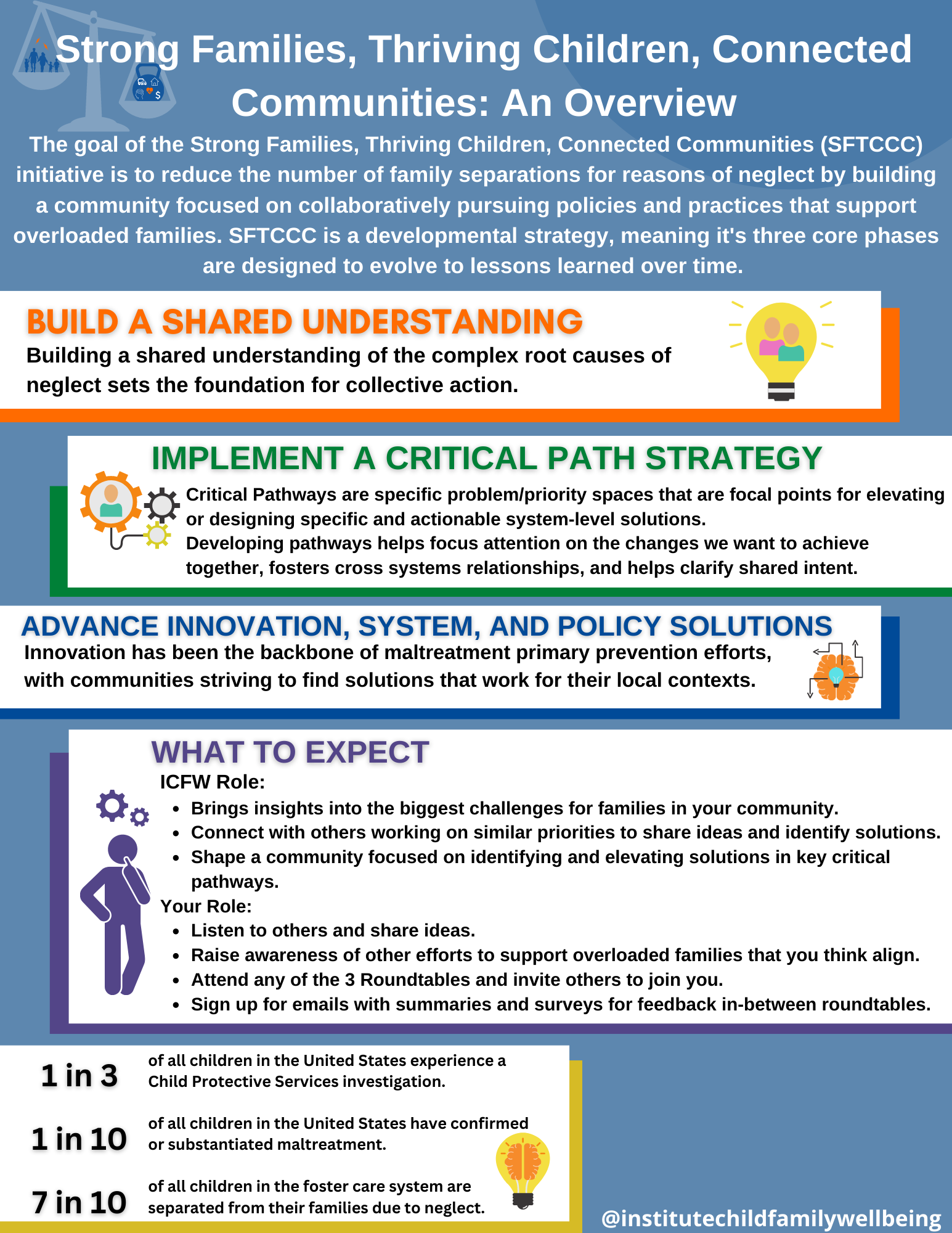
Link to publication

Life course adversity and sleep disturbance among low-income women with young children

Mersky, J. P., Plummer Lee, C., & Jackson, D. B. (2023). Life course adversity and sleep disturbance among low-income women with young children. Sleep Health. Advance online publication. https://doi.org/10.1016/j.sleh.2023.02.007

Objectives: This study explored whether patterns of lifetime adversity are associated with sleep disturbance and tested whether adult adversity mediates the relationship between childhood adversity and sleep.

Methods: A sample of 1510 postpartum women in Wisconsin who received home visiting services completed assessments of childhood adversity, adult adversity, and sleep disturbance; 989 women completed another sleep assessment about one year later. Latent class analysis was used to identify classes of lifetime adversity, which were then used to predict later sleep ratings while controlling for earlier sleep ratings and demographic variables. A path analysis was conducted to explore whether adult adversity mediated the association between childhood adversity and sleep.

Results: Adverse childhood and adult experiences were highly prevalent, and greater life-course adversity was associated with sleep disturbance. The association between childhood adversity and sleep was significantly mediated by adult adversity.

Conclusions: Sleep quality appears to correspond with life-course adversity, pointing to ongoing opportunities for prevention and intervention.

Link to publication

The long arm of maternal incarceration

Gómez, A. Mersky, J. P., Plummer Lee, C., Zhang, L., Shlafer, R. J., & Jackson, D. B. (2023). The long arm of maternal incarceration: Indirect associations with children’s social-emotional development. Child and Adolescent Social Work Journal. Advance online publication. https://doi.org/10.1007/s10560-023-00924-1

A growing body of research reveals a connection between maternal incarceration and various child development outcomes. Even so, little is known about how the timing of maternal incarceration may shape the social–emotional development of young children and the role of maternal mental health in mediating this association. Using a sample of 1097 mothers (18–52 years old, 47.6% white) and children (aged 12–48 months) receiving home visiting services in Wisconsin, this study examined the intergenerational effect of incarceration before a child’s birth on child social–emotional development, and whether this association was mediated by maternal mental health. While incarceration prior to a child’s birth was not directly associated with child social–emotional outcomes, path analysis revealed an indirect association between mother’s incarceration prior to a child’s birth and child social–emotional problems through maternal mental health problems. Findings suggest that formerly incarcerated mothers may experience long-lasting mental health concerns that can undermine child social–emotional development. To optimize outcomes, practitioners may consider services that address the mental health, social support, and instrumental needs of mothers and children who have been impacted by mass incarceration.

Link to publication

Linking adverse experiences to pregnancy and birth outcomes

Mersky, J. P., Jeffers, N. K., Plummer Lee, C., Shlafer, R. A., Jackson, D. B, & Gómez, A. (2024). Linking adverse experiences to pregnancy and birth outcomes: A life course analysis of racial and ethnic disparities among low-income women. Journal of Racial and Ethnic Health Disparities. Advance online publication. https://doi.org/10.1007/s40615-023-01647-w 

Racial and ethnic disparities in birth outcomes have persisted in the United States for decades, though the causes remain poorly understood. The life course perspective posits that poorer outcomes of Black birthing people stem from heightened exposure to stressors early in life and cumulative exposure to stressors over time. Despite its prominence, this perspective has seldom been investigated empirically. We analyzed longitudinal data gathered from 1319 women in low-income households in Wisconsin who received perinatal home visiting services. Variable- and person-centered analyses were performed to assess whether 15 adverse childhood experiences (ACEs) and 10 adverse adult experiences (AAEs) were associated, alone and in combination, with pregnancy loss, preterm birth, and low birth weight among Hispanic (i.e., Latinx) and non-Hispanic Black and White participants. As expected, there were disparities in preterm birth and low birth weight, and both ACEs and AAEs were linked to poorer pregnancy and birth outcomes. Unexpectedly, bivariate and multivariate analyses showed that the associated effects of ACEs and AAEs were most robust for non-Hispanic White women. A latent class analysis produced four patterns of life course adversity, and multigroup latent class analyses confirmed that, compared to White women, higher-adversity class assignments were associated with less robust effects for Hispanic women, and even less robust effects for Black women. We discuss interpretations of the paradoxical findings, including the possibility that alternative sources of stress such as interpersonal and structural racism may better account for the reproductive disparities that disproportionately affect Black birthing people.

Link to publication