Bugs without Bios IX

Bugs without Bios celebrates the small-but-mighty insects that, mostly unsung, sneak below our radar daily. Today’s catch have three things in common – their identifications are all “probable;” they’re all carnivores; and on each of the three, the BugLady’s Google search ran out in fewer than ten pages.

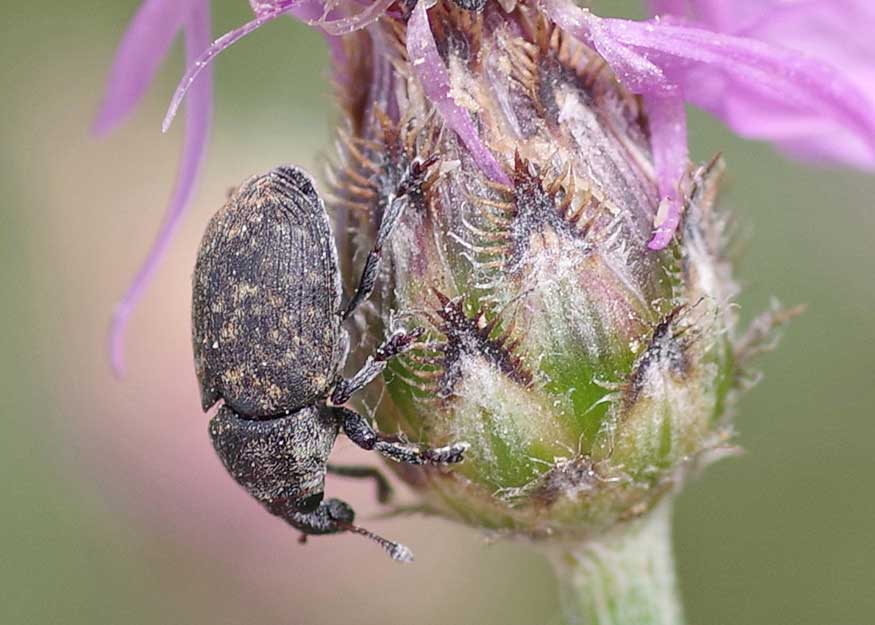
Texas Ironclad Beetle

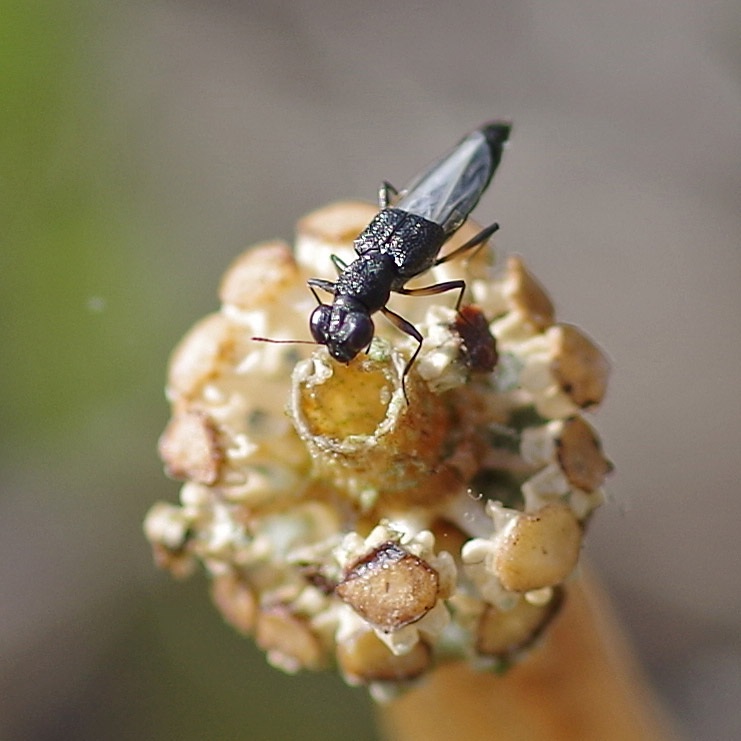
When BugFan Kine sent this “what is it” picture, the BugLady’s first reaction was to raise her hand and say “Teacher, teacher! Ask me! Ask me!” She didn’t recall its name, but she knew she had seen a picture of it in Kaufman’s Field Guide to Insects of North America (it’s also in the Audubon Society Field Guide to North American Insects and Spiders).

Wasp Mantidfly

A number of years ago, BugFan Tod sent the BugLady a “what-is-it” picture of a mantisfly on a door-jamb, and she confesses to feeling a twinge of envy. This fall, BugFan Tom shared this shot, taken by his wife Andrea, and the BugLady got a little greener. She seriously wants to see one of these curious insects. We’ll take a look at the Wasp Mantidfly in more detail.

Neokolla hieroglyphica Leafhopper

Although this cute little leafhopper has several names – Neokolla hieroglyphica and, formerly Graphocephala gothica, it doesn’t have a common name. It’s in the leafhopper family Cicadellidae (sik-ah-DELL-ih-dee), a group that the BugLady used to call “pop-bugs” in her youth because they landed on her jeans in the fields, and when she touched their rear ends, they popped away.

Small Magpie Moth Mystery

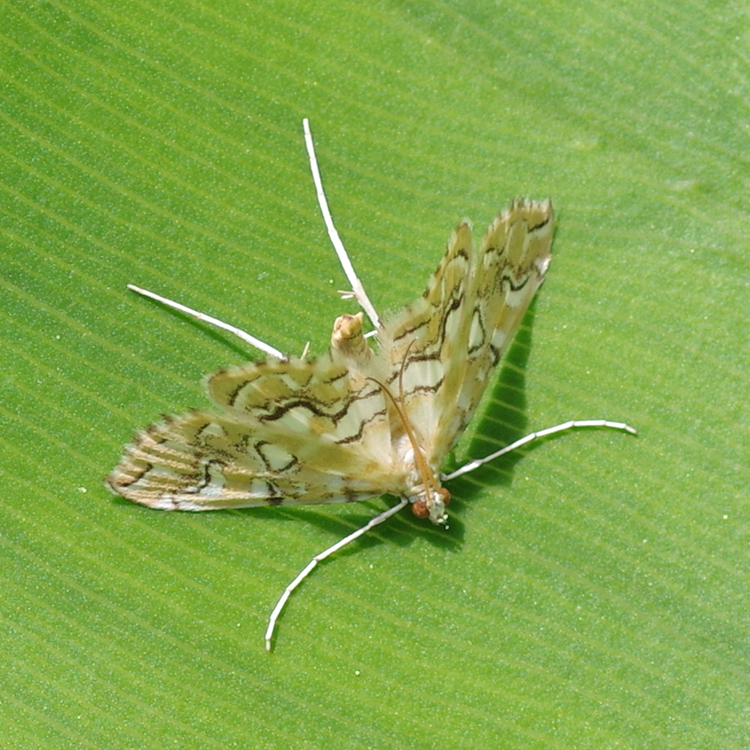
A few days ago, the BugLady was mulling over which insect she was going to feature in the next BOTW. She headed out the door to hike to the mailbox, and there, on the inside of the storm door, trapped between it and the back door, sat this beautiful Small magpie moth.

You’ll Be Lichen This Article

The BugLady is recovering (slowly) from some computer issues, her convalescence complicated by the fact that she doesn’t speak the language. This article is modified from one she wrote for the Winter, 2014 issue of The BogHaunter, newsletter of the Friends of the Cedarburg Bog. Crusty green or gray growths that look like they’ve been pounded or sprayed onto rocks and tree trunks. Small, shrubby clumps attached to tree branches. Tiny gray-green chalices or gnarled, red-topped fingers. Brilliant orange cups and tongues appropriately named “sunburst.” What are those things?

Elm Sawfly

The BugLady got a few “what’s this dynamite caterpillar?” pictures from a friend toward the end of summer – one of a larva, and one of a pupal case in not-very-good shape. She usually gets “what’s this wasp/fly?” pictures of the equally-distinctive adult in June. Sawflies are small, primitive wasps (ancestral sawflies were around 250 million years ago) that most people have never heard of, and they usually carry out their business below the radar.

Spinybacked Orbweaver– A Spider for Snowbirds

This episode is dedicated to BugFan Tom. Tom has a day job, practices suburban agriculture afterwards, and conducts field research by night, so the BugLady really appreciates his fitting spider studies into his off time. He has an insatiable curiosity – and a camera – and he provided many pictures and lots of wonderful running commentary and deep thought about a cast of backyard spiders that he got to know personally (his BugFan wife suggested that he may have taken more pictures of those spiders than of his offspring’s childhood, a complaint that the BugLady’s parents would have been sympathetic to).

And Now for Somethinga Little Different VII – Attack of the Killer Shrews

This is a revised version of an article that the BugLady wrote for the winter, 2013-14 issue of The BogHaunter, the newsletter of the Friends of the Cedarburg Bog, an organization that partners with UWM and the DNR to educate people about the Bog and to preserve it. The Bog is the BugLady’s church and her shrink.

The Twelve Bugs of Christmas 2019

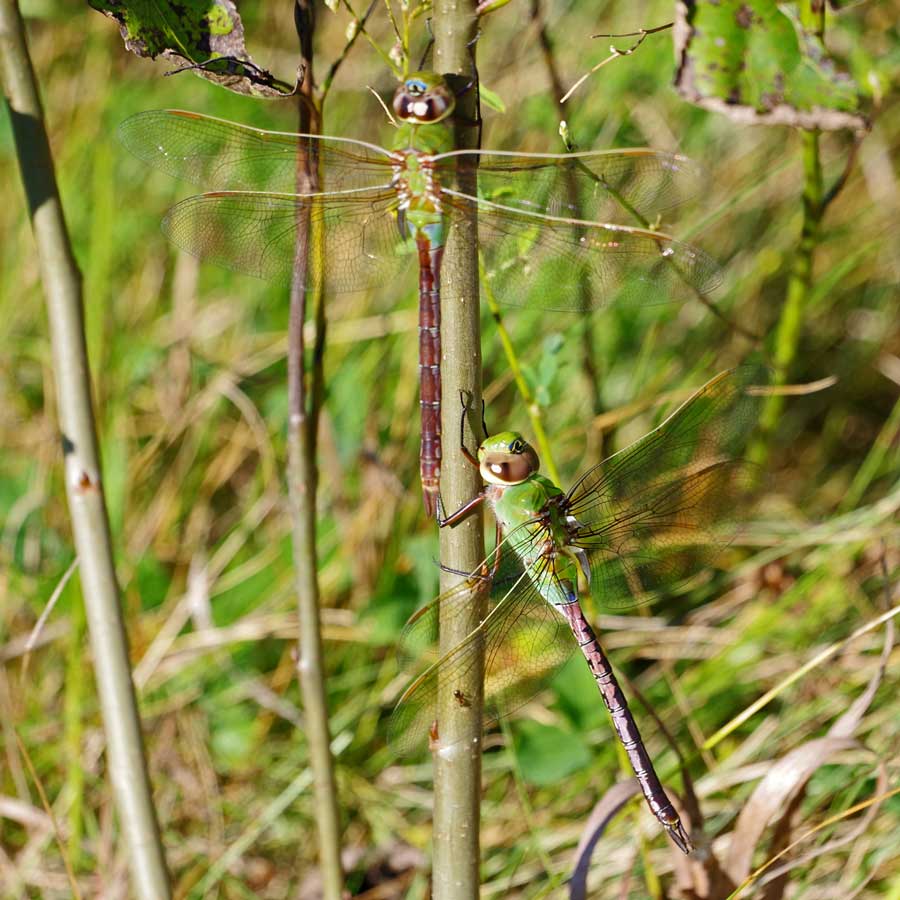
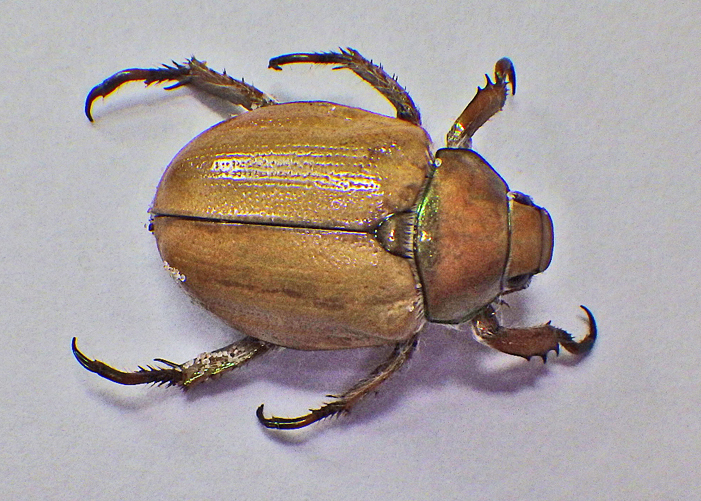
Let’s celebrate the (almost bugless) Season with a dozen bugs that were photographed this year. Down through the centuries, various regional versions of the classic Christmas carol have included hares a-running, ducks quacking, badgers baiting, bulls a-roaring, biting cows, bears a-beating, cocks a-crowing, asses racing, starlings, plovers, goldspinks (goldfinches), sides of meat, ponies, deer, stalks of corn, cheese, windmills, and an Arabian Baboon. Never any bugs, though, so it’s up to us.