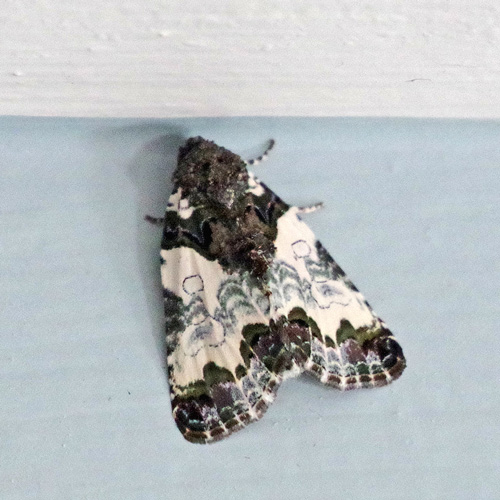
Tufted Bird-lime Moth

The BugLady was visited by another moth recently, this time a Tufted Bird-lime/Tufted Bird-dropping Moth/Cherry Agate (Cerma cerintha) that appeared in her bathroom and, later, in her kitchen. It’s a lovely little moth with a one inch-ish wingspan, in the Owlet moth family Noctuidae.
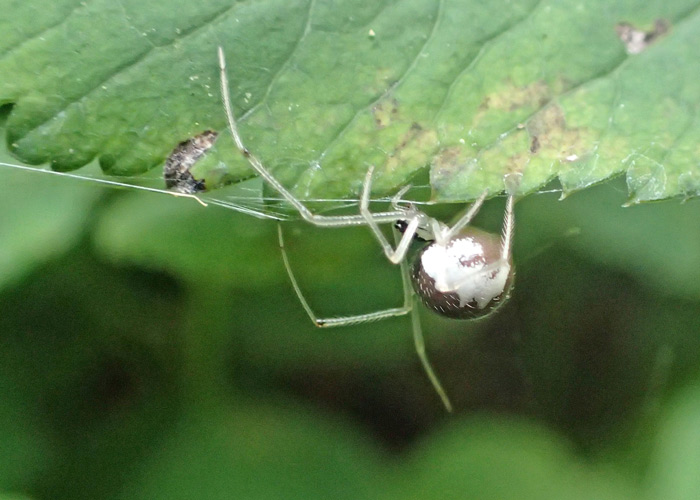
Eastern Long-legged Cobweaver

The BugLady’s message to people who are pining for the wildflower season to begin is this: Get thee to a wetland and watch the non-flowering plants. Mosses, especially, are going crazy these days, their green leaflets (the gametophyte part of the plant) bristling with the stalks of sporophytes, topped by variously-shaped spore capsules. They’re happier now than when the canopy above leafs out and casts them into shade. Ground-hugging liverworts are covered by reproductive pits and umbrellas, and any day now, cinnamon ferns will push up through the dead leaves and dried fronds that top the wetland hummocks. It’s beyond life-affirming.

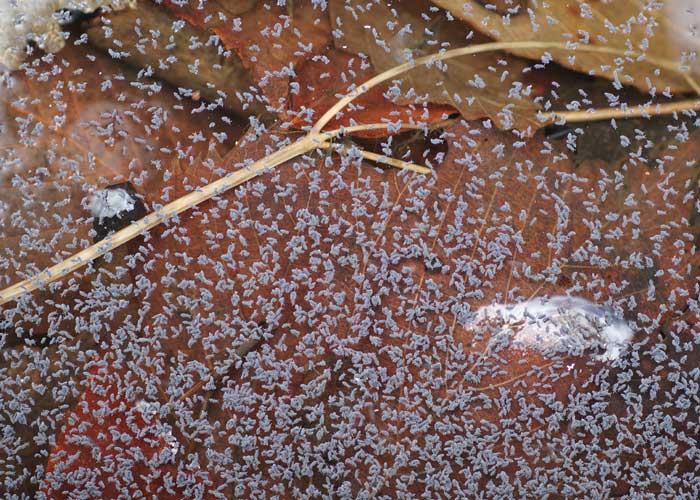
A Sproing of Springtails

The BugLady was working on this week’s episode about a lovely little spider, but then she took a walk at the north end of the Bog and encountered a mob of springtails. She searched for a collective noun for springtails and found a few on-line discussions about it. “Mass aggregation” is the science-y choice, but other suggestions were clusterswarmsprinkle (for a small swarm), furcula (in honor of the springtail’s jumping appendage – teachable moment), and sproing.

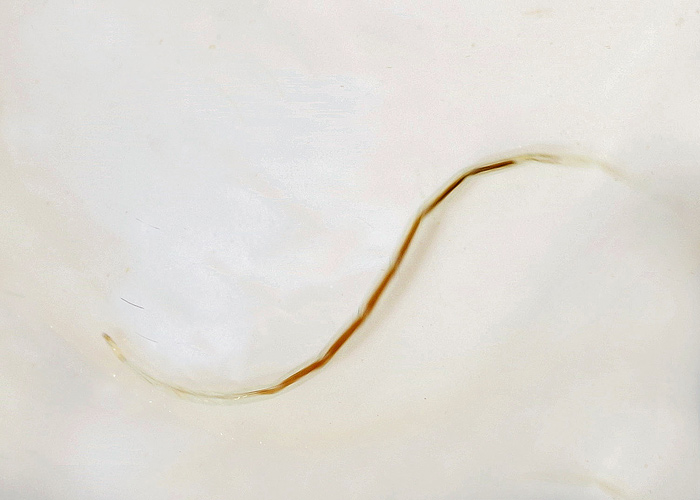
Nematodes for Poets

The BugLady has been elbow deep in her tax packet, and she’s bummed by the global pandemic (as one author put it, we’ll probably learn a lesson from this affair, but probably not the lesson that needs learning), so she offers this rerun from 2014, which includes an suggestion of what the earth might look like if we vanish from the face of it (the Beat, BugFan Tom, will go on).

Bugs without Bios IX

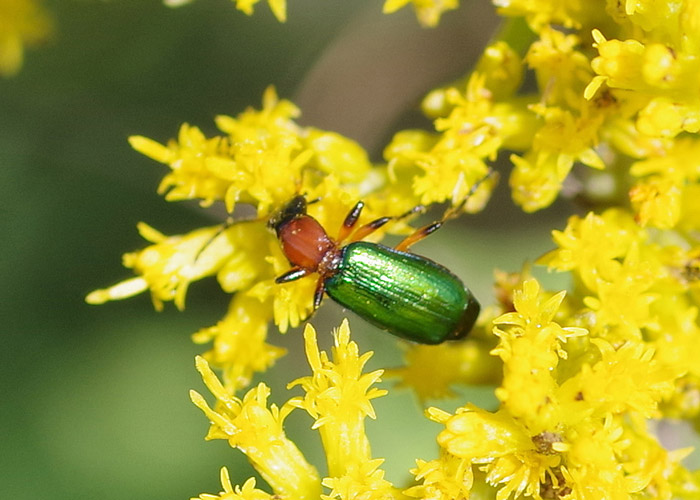
Bugs without Bios celebrates the small-but-mighty insects that, mostly unsung, sneak below our radar daily. Today’s catch have three things in common – their identifications are all “probable;” they’re all carnivores; and on each of the three, the BugLady’s Google search ran out in fewer than ten pages.

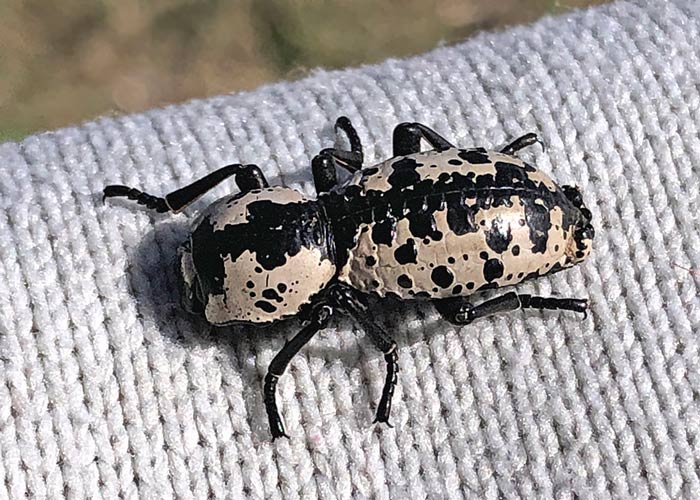
Texas Ironclad Beetle

When BugFan Kine sent this “what is it” picture, the BugLady’s first reaction was to raise her hand and say “Teacher, teacher! Ask me! Ask me!” She didn’t recall its name, but she knew she had seen a picture of it in Kaufman’s Field Guide to Insects of North America (it’s also in the Audubon Society Field Guide to North American Insects and Spiders).

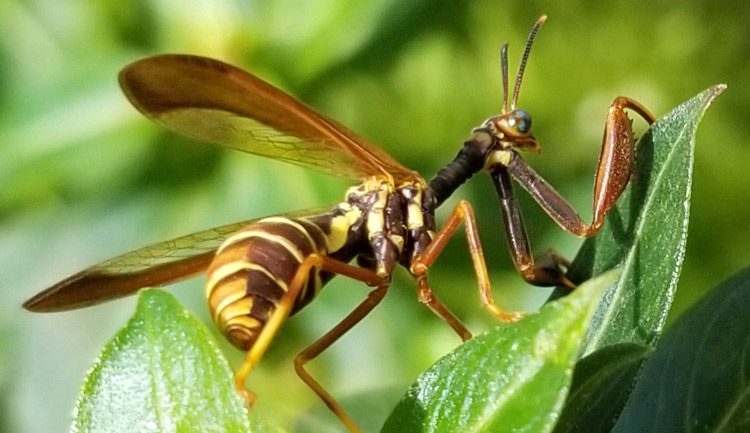
Wasp Mantidfly

A number of years ago, BugFan Tod sent the BugLady a “what-is-it” picture of a mantisfly on a door-jamb, and she confesses to feeling a twinge of envy. This fall, BugFan Tom shared this shot, taken by his wife Andrea, and the BugLady got a little greener. She seriously wants to see one of these curious insects. We’ll take a look at the Wasp Mantidfly in more detail.

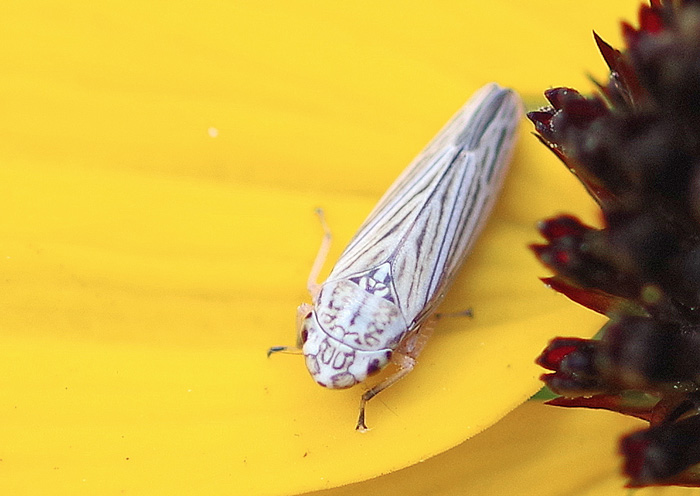
Neokolla hieroglyphica Leafhopper

Although this cute little leafhopper has several names – Neokolla hieroglyphica and, formerly Graphocephala gothica, it doesn’t have a common name. It’s in the leafhopper family Cicadellidae (sik-ah-DELL-ih-dee), a group that the BugLady used to call “pop-bugs” in her youth because they landed on her jeans in the fields, and when she touched their rear ends, they popped away.

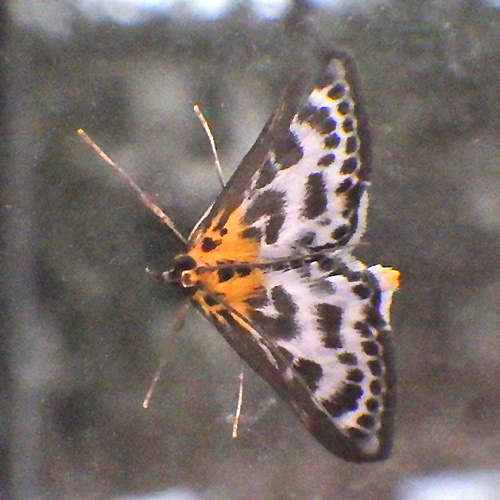
Small Magpie Moth Mystery

A few days ago, the BugLady was mulling over which insect she was going to feature in the next BOTW. She headed out the door to hike to the mailbox, and there, on the inside of the storm door, trapped between it and the back door, sat this beautiful Small magpie moth.

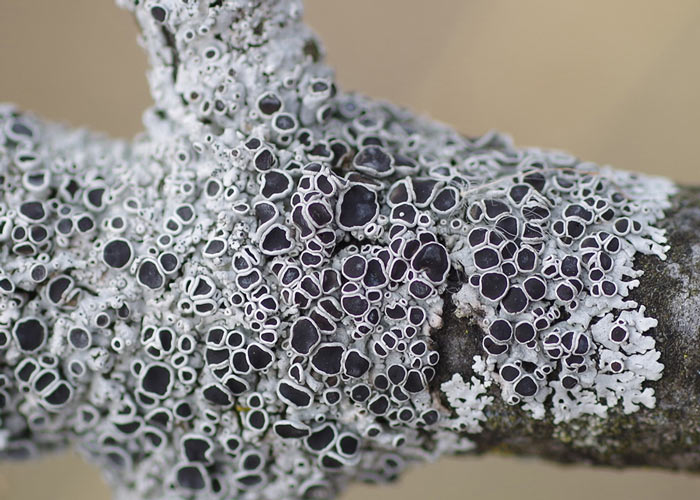
You’ll Be Lichen This Article

The BugLady is recovering (slowly) from some computer issues, her convalescence complicated by the fact that she doesn’t speak the language. This article is modified from one she wrote for the Winter, 2014 issue of The BogHaunter, newsletter of the Friends of the Cedarburg Bog. Crusty green or gray growths that look like they’ve been pounded or sprayed onto rocks and tree trunks. Small, shrubby clumps attached to tree branches. Tiny gray-green chalices or gnarled, red-topped fingers. Brilliant orange cups and tongues appropriately named “sunburst.” What are those things?

UWM Land Acknowledgement: We acknowledge in Milwaukee that we are on traditional Potawatomi, Ho-Chunk and Menominee homeland along the southwest shores of Michigami, North America’s largest system of freshwater lakes, where the Milwaukee, Menominee and Kinnickinnic rivers meet and the people of Wisconsin’s sovereign Anishinaabe, Ho-Chunk, Menominee, Oneida and Mohican nations remain present.   |   To learn more, visit the Electa Quinney Institute website.