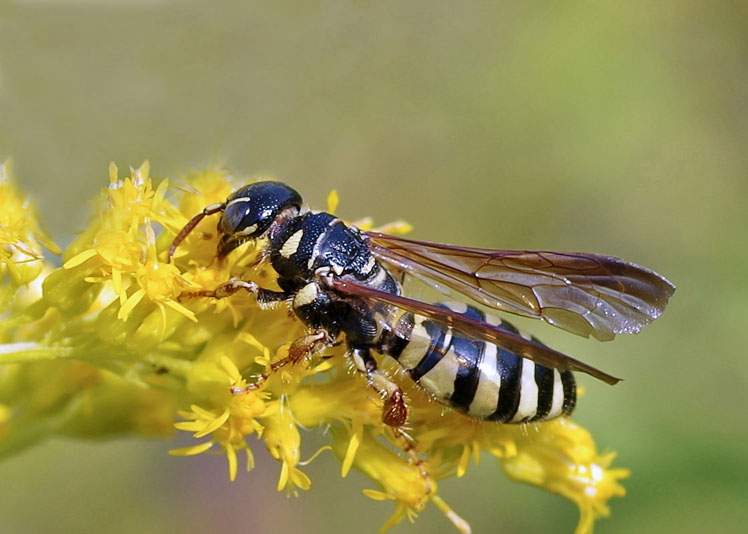
Five-Banded Tiphiid Wasps

Greetings, BugFans, The BugLady had fun in a rabbit hole recently. OK, it was a cold, gray day, threatening snow/rain, and the light from the monitor was brighter than the light from outside, but it’s a rabbit hole she had …

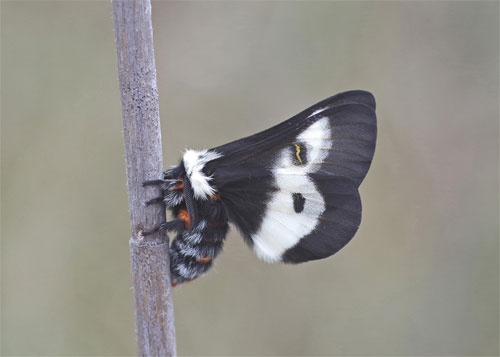
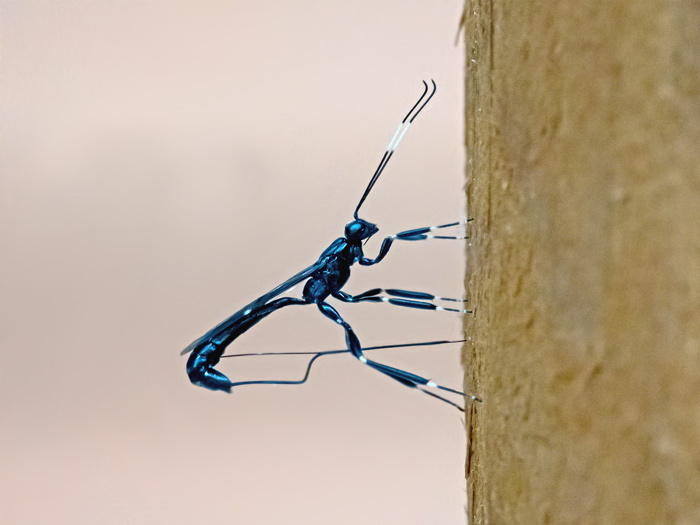
Xorides Stigmapterus Wasp

This summer, the BugLady got a “what is this?” email from BugFan Debra that contained a picture of this beautiful black wasp with white spats that she took in northern Wisconsin (thanks, Debra!). The posture was reminiscent of our local Giant Ichneumon wasps, but there are only four species in that genus, and this wasn’t any of them. So, the BugLady suggested that Debra send the picture to the entomology department at UW-Madison, where almost-BugFan PJ identified it. He noted that its “dapper black & white appearance is pretty distinctive” and ID’d it as Xorides stigmapterus.

Whirligig Beetle Redux

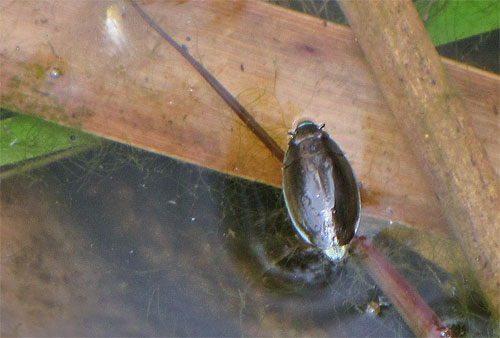
Howdy, BugFans, Here’s an updated BOTW from 10 years ago (more words). Whirligig beetles are referred to in Kaufman and Eaton’s Field Guide to Insects of North America as the “bumper cars of the beetle world.”  Looking like dark watermelon …

Zebra Caddisfly

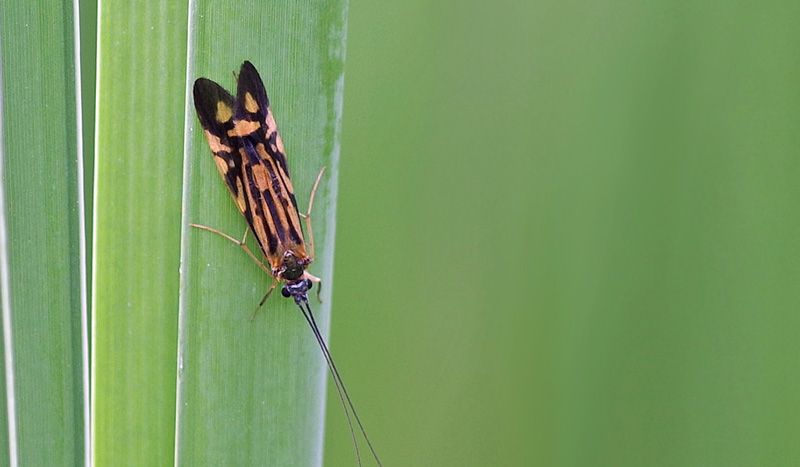
Another week, another zebra. The BugLady had fun chasing this dynamite little insect along the banks of the Milwaukee River at Waubedonia Park in mid-summer (it likes to perch on the undersides of leaves). She had never seen one before, but after a few false starts, she discovered that it’s a Zebra Caddisfly.

Zebra Caterpillar

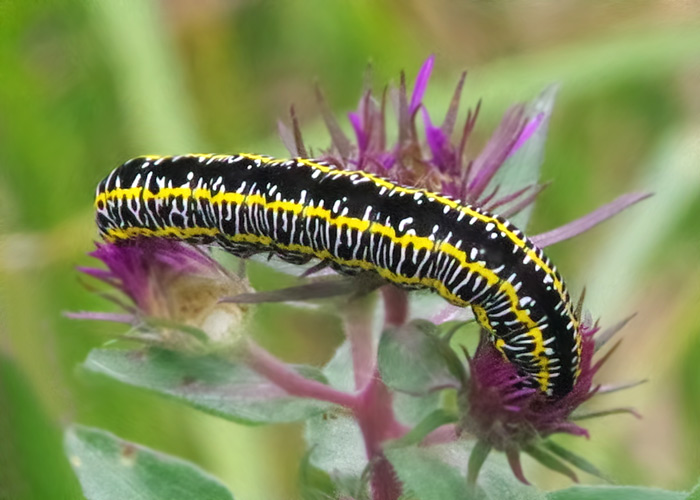
The BugLady photographed these beautiful caterpillars on a cold and blustery day at the start of October, a day when nearby New England asters were topped by sluggish bumblebees (bumblebees are sometimes called, only half-jokingly, a “warm-blooded bees”). The caterpillars weren’t too active, either. They’re called Zebra Caterpillars (of course!),

Raspberry Crown Borer

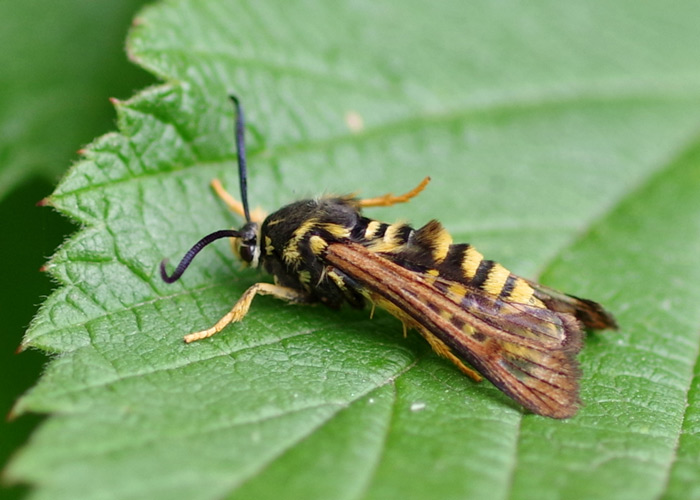
Once again, the BugLady fell for an insect’s disguise. It sure looked like a sluggish yellowjacket sitting on a raspberry leaf, and it wasn’t until she took a picture of it that she noticed all of its hairs/scales. The Raspberry crown borer/Blackberry clearwing borer is a moth in the Clear-winged moth family Sesiidae.

Bugs in the News VII

There’s a wild and wonderful world of bugs out there. Here are some interesting reports from around the globe.

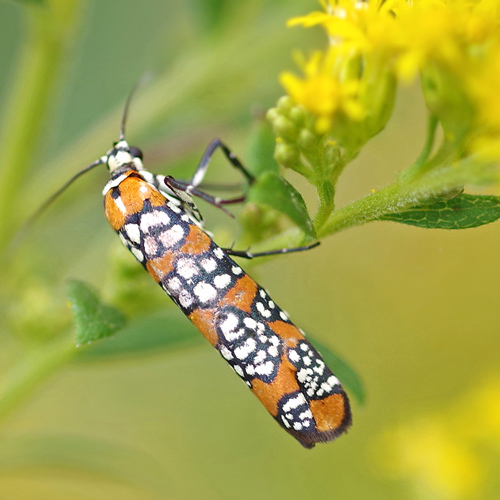
Ailanthus Webworm Moth

It’s always a treat to find one of these jewel-like insects nectaring, usually on goldenrod. They are day-flying moths, though their tendency to sit with wings wrapped around their bodies makes them look like beetles, and their bright colors make them wasp-like in flight. Ailanthus webworm moths (Atteva aurea) (“aurea” means “golden”) are in the family Attevidae, the tropical ermine moths. And tropical they are, except for the AWM (Ailanthus webworm moth, not “angry white men”), which has shed some of its southern proclivities.
September Scenes

The leaves are starting to fall here in God’s Country, the birds are moving, and as of yesterday it’s officially autumn (Yikes!). But there are still some bugs out there – like wildflowers, some species of insects bloom in the spring, some in the summer, and others in the fall. The imperative to reproduce is strong as the days get shorter; most insects live for about a calendar year, mainly in their immature stages, with a short-but-productive adult stage. Most leave behind eggs or pupae or partly-grown offspring to weather the winter.

Adventures at Forest Beach

Forest Beach Migratory Preserve is a repurposed golf course north of Port Washington (WI), owned by the Ozaukee Washington Land Trust. It’s mainly grassland, with woods and some brushy areas, and it was designed to serve as a stopover/refueling “bed and breakfast” for migrating birds. Water hazards were turned into small ponds, more ponds were dug, and tall grass prairie plants were planted.