*School visits are $75. **If possible, there should be 1 adult for every 4 children aged 4-6 years old and 1 adult for every 10 children aged 7-17 years old. For example, the number of chaperones for 30 middle schoolers would be 3.
Blast off to the International Space Station where we investigate what causes night and day. Experience what night and day are like on other planets such as Mars.
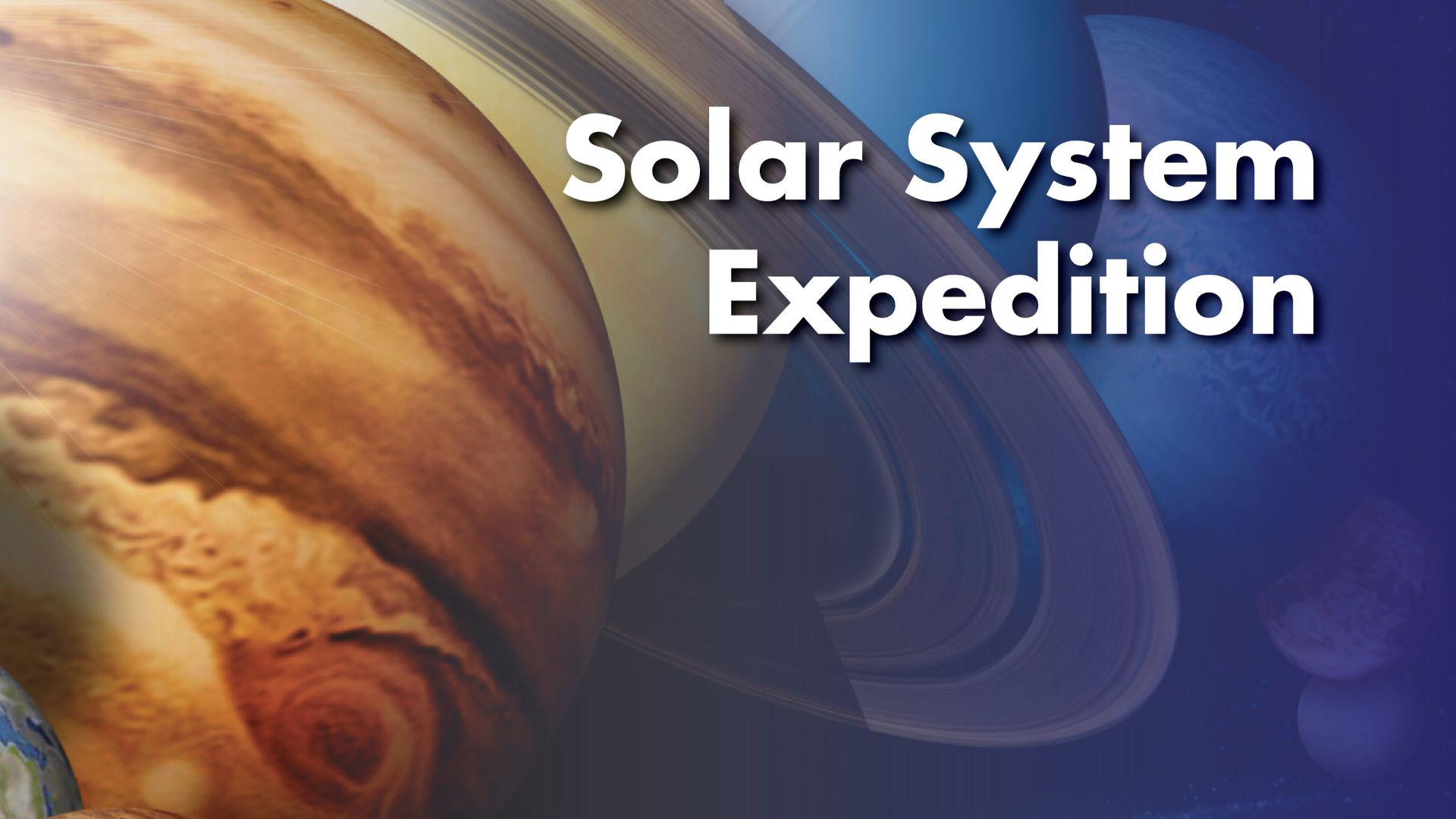
Explore the solar system and marvel at the Sun’s powerful flares, Jupiter’s swirling storms, and some intriguing moons. Travel to the icy worlds of the Kuiper Belt and behold the latest discoveries from Juno and New Horizons.
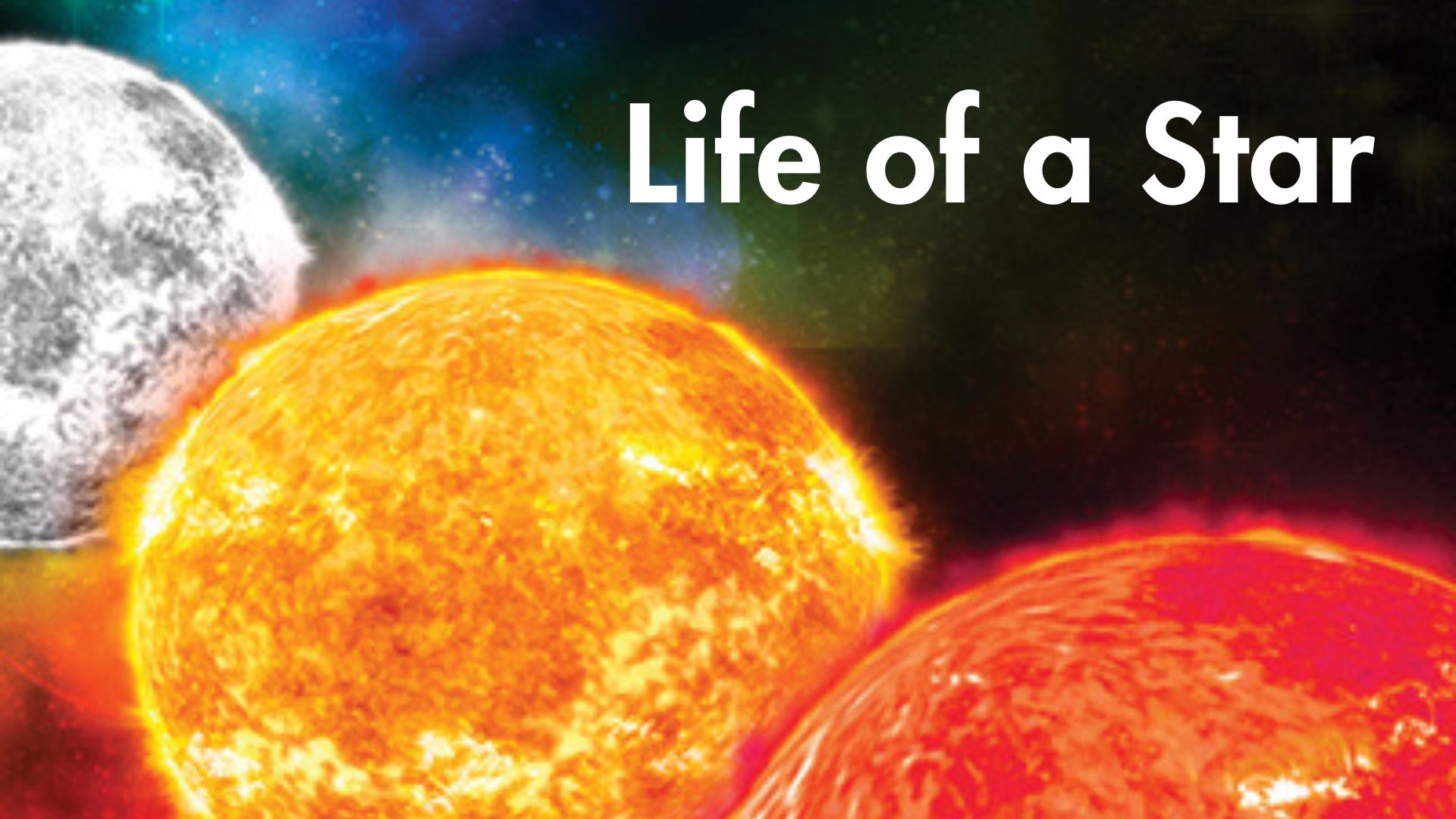
Marvel at the dramatic changes of stars as they transform from stellar nurseries to exotic objects such as white dwarfs, neutron stars, and black holes. Discover how stars fused the chemical elements in our bodies.
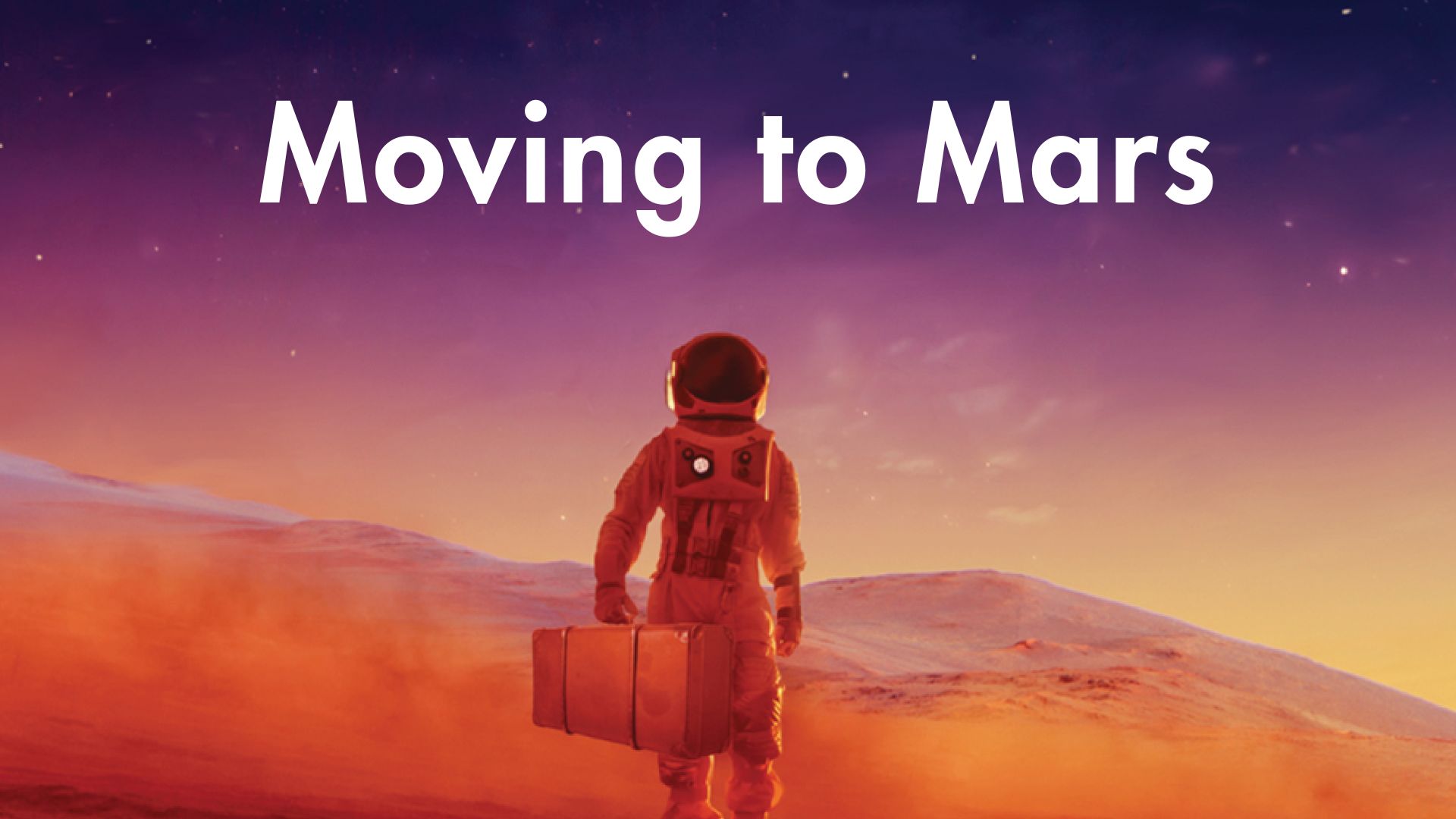
Explore what we have learned about Mars, especially the potential for life on the red planet and the obstacles we need to overcome to send humans to Mars in the 2040s.
Enjoy the radiance of the night sky and colorful displays of dancing lights with a behind-the-scenes tour of the science behind one of nature’s most remarkable light shows.
Our Earth belongs to the solar system, which is part of the Milky Way galaxy. This galaxy is one of trillions of galaxies in the universe. Amazing visuals will help you grasp the size of the cosmos in an enlightening and accessible way.
Are you open to the public? What kinds of shows do you do?
Our live public events are open to everyone! We offer a range of planetarium shows, stargazing with telescopes on select dates, and more. For a full list of events see our Calendar. We also book private reservations for schools and other groups.
Most of our planetarium shows, which include stargazing and questions, last approximately 60 minutes. We also have other events with shorter 15- to 30-minute planetarium shows. For a full list of events see our Calendar.
Do I need to purchase tickets in advance?
For ticketed events, we recommend purchasing tickets in advance as our shows often sell out. We also sell tickets at the door starting 30 minutes before the stated start time. If tickets are sold out, you can have your name added to a waitlist at the door. Unfortunately, we cannot guarantee admission to waitlist attendees.
Free planetarium shows are first come first serve. Check in at the ticket table in the hallway outside of the Planetarium starting as early as 30 minutes before the show start time to reserve your free spot.
How much do your shows cost?
Ticketed events are usually $6 general admission and $5 for UWM students. Other events are free.
Where do I park?
Parking instructions and maps are available on our Plan Your Visit page.
Are your programs appropriate for children?
Yes! We recommend that your child is 4 years or older and comfortable to sit in their own chair in the dark.
Is the planetarium wheelchair accessible?
Yes! There is one wheelchair-accessible entrance via the path between the Physics building and EMS building off Cramer St. There is room for up to three wheelchairs in the planetarium theater. Visit the Plan Your Visit page to see maps and more information.
You can purchase a membership online, by mail (PDF), or in person before a public show.
What is the seating capacity of your planetarium?
We can seat 63 people.
Where is stargazing with your telescope held?
Stargazing with our telescope is held on the 5th-floor observing deck of the UWM Physics building on select dates, weather permitting. For the schedule of dates, see Stargazing.
We ask that you stay seated until the end of the show because opening the door will ruin the beautiful dark sky for the rest of the visitors. Visitors are encouraged to use the restroom in advance.
What should I wear?
Our planetarium is indoors. We suggest that you dress in layers because sometimes the theater can be too warm or too cold. We also ask that you avoid light-up shoes.
Very engaging and professional presenter . . . The scouts asked a lot of good questions.