- yinan@uwm.edu
- Mitchell Hall B83 A
- He / Him
Yinan Wang
- Lecturer, Film, Video, Animation and New Genres
Education
- MFA, Film & Media Arts, Temple University
- BFA, Film, UW-Milwaukee
Biography
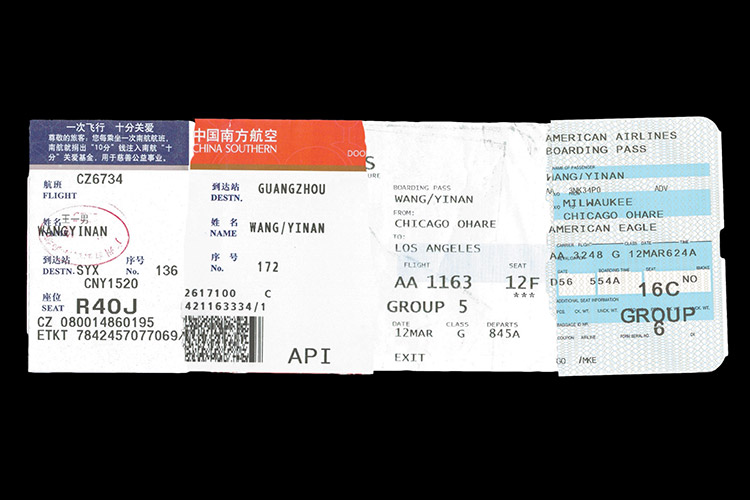
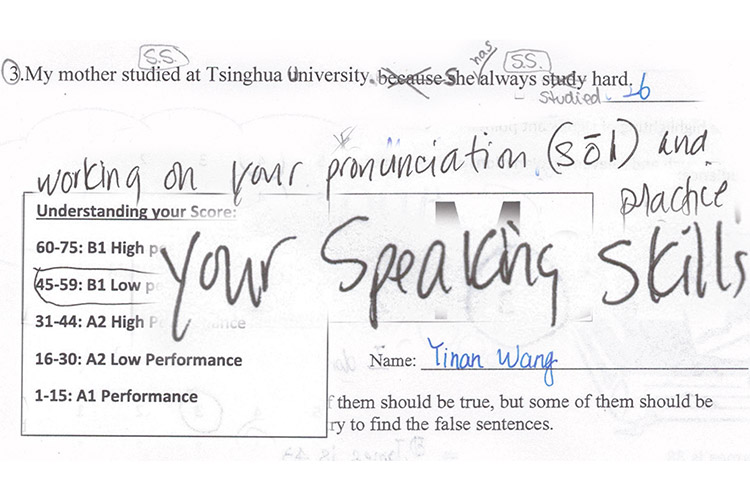
I was born and raised in Beijing, where my filmmaking began through experimental ethnographic practices grounded in observation and immersion. After relocating to the United States, I continued this approach in Milwaukee and Philadelphia—two cities whose contrasts have deepened my sense of identity, displacement, and belonging.
My work dwells in the in-between: spaces where cultures meet, blur, and resist one another. Drawing on the playful use of everyday materials and the layering of memory and history, I turn to humor, ritual, and silence as sites of meaning.
Through moving images, I trace how memory, language, and food shape our sense of home, following the shifting contours of cultural identity formed as much by migration as by longing.
My recent work, Thick & Sweet, revisits Yen Ching, a beloved Chinese restaurant in Milwaukee that operated for over forty years before its demolition. Composed of cutouts, reenactments, found footage, and fragments of earlier films, the piece reconstructs personal and collective memory while probing stereotypes within Asian American representation.
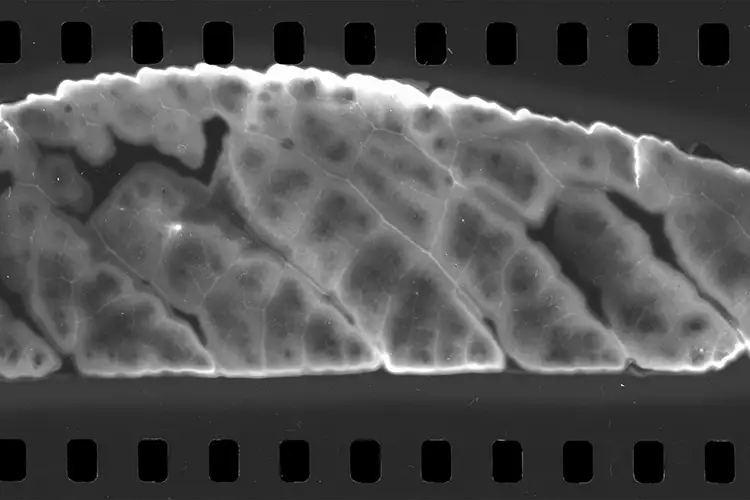
I am currently developing three projects: a portrait of a Chinese laundry in Milwaukee’s Bronzeville; a return to Beijing after a decade away; and Bing Cherry, which centers on Ah Bing, who cultivated the Bing cherry in 1875 in Milwaukie but was barred from reentering the United States after visiting China. For Bing Cherry, I am experimenting with phytogram techniques to explore how material processes can shape moving images.
Links
Recent Work