Supervisor; Director, UWM Psychology Clinic

Dr. Nye is clinical faculty at UWM. As the director of the Psychology Clinic, she oversees all of the training in the clinic and supervises the clinical psychology graduate students in the treatment of mood and anxiety issues, as well as eating and/or body image issues, such as Anorexia Nervosa, Bulimia Nervosa, Binge Eating Disorder and Avoidant/Restrictive Food Intake Disorder. We serve medically stable adults, adolescents and children who are seeking outpatient treatment or those who have recently stepped down from more intensive treatment programs. Often we will ask prospective clients to have a medical exam to help determine eligibility for outpatient care.
We employ the most up-to-date evidence-based treatment approaches that include Cognitive Behavioral Therapy, Family Based therapy and Health at Every Size. These behaviorally based treatments focus on teaching you the skills you need to interrupt disordered eating cycles while improving quality of life. You will learn how to normalize your eating and successfully manage triggering situations and difficult emotions. Underlying/related issues such as poor body image, low self-esteem, and perfectionism will also be addressed.
Supervisor

Dr. Haworth supervises the PhD graduate students in the evaluation and treatment for those that have mental health concerns that are related to symptoms of depression. We focus on treating adults that struggle with a depressed mood, sadness, hopelessness, and/or a lack of motivation. We take an evidence-based approach to assess a client’s needs, track treatment progress, and conduct treatment planning. Our clinic primary uses Behavioral Activation (BA) as a treatment for depression. Behavioral Activation is an evidence-based treatment that focuses on helping clients increase engagement in their lives by identifying activities that align with their values, scheduling in these activities, and addressing barriers that get in the way. To effectively address these barriers, we may utilize various therapeutic techniques and skills-based training. Below are a few examples of how we might incorporate other therapeutic methods:
- Dialectical Behavior Therapy skills training to address difficulties with dysregulated emotion and interpersonal difficulties
- Acceptance and Commitment Therapy to change the relationship with difficult thoughts and beliefs
- Exposure-based Therapies to address social anxiety
Therapy is conducted by graduate students in our clinical psychology PhD program under the supervision of Dr. Haworth.
Supervisor

Please note that the the Equity Clinic is not taking new clients during the 2024-2025 academic year.
Dr. Nagy supervises doctoral students at the UWM Psychology Clinic in the delivery of CBT-based psychosocial interventions aimed at enhancing mental health and strengthening family relationships. Guided by a population health approach, our team places a significant emphasis on mental health prevention and health promotion, working closely with local community agencies to deliver brief, evidence-based interventions that serve as essential first steps in mental health care. Using a “stepped model of care” framework, we connect individuals to additional, long-term support and community resources as needed. These services are provided across multiple community sites through partnerships with the UWM Psychology Clinic, allowing us to address the mental health needs of the Milwaukee community effectively and broadly.
Supervisor
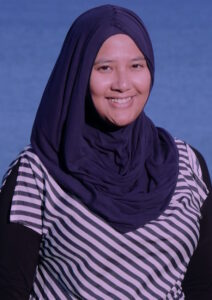
Dr. Ajeng Puspitasari is a licensed psychologist who specializes in psychotherapy for depression, anxiety, suicidal and self-injurious behaviors, and perinatal mood and anxiety disorders. She is board-certified in Cognitive and Behavioral Therapy (CBT) and has extensive training in Acceptance and Commitment Therapy (ACT), Behavioral Activation (BA), Exposure Therapy, and Dialectical Behavior Therapy (DBT).
Dr. Puspitasari’s clinical team primarily treats adults with mood and anxiety disorders using a growing approach called process-based CBT (PBT). The therapist and each client collaborate to identify key issues that maintain these disorders, such as avoidance, unhelpful behaviors, difficulties managing emotions, problematic thinking, and challenges in relationships and communication.
These challenges, common in many mood and anxiety disorders, are addressed using evidence-based strategies from various CBT-oriented protocols, such as Acceptance and Commitment Therapy, Dialectical Behavior Therapy, and Exposure Therapy. This approach also considers each individual’s environment, lived experiences, and intersecting identities that influence treatment and recovery. Therapy is guided by a multicultural, recovery-oriented, and trauma-informed approach.
Supervisor; Chair, Department of Psychological & Brain Sciences

Dr. Davies supervises all child psychotherapy cases that come into the clinic. He utilizes Cognitive Behavioral psychotherapy and other evidence based tools.