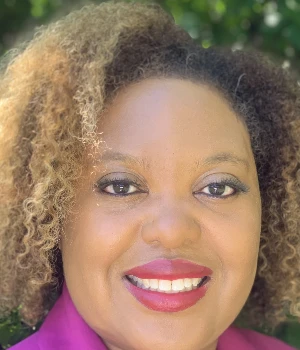
Photo of Alicia Barr

Alicia Barr

  • Teaching Assistant Professor, Psychological and Brain Sciences

Education

Ph.D., Medical College of Wisconsin, 2014

Teaching Schedule

Course Num Title Meets
PSYCH 254-201 Introduction to Neuroscience No Meeting Pattern
PSYCH 454-201 Psychopharmacology and Addiction No Meeting Pattern
PSYCH 611-001 Current Topics: Cannabis and the Brain TR 1pm-2:15pm
PSYCH 692-002 Field Placement in Psychology No Meeting Pattern

Courses Taught

  • PSYCH 233: Neuropsychology
  • PSYCH 254: Physiological Psychology
  • PSYCH 454: Psychopharmacology
  • PSYCH 611: Cannabis and the Brain

Teaching Interests

My commitment as an educator is to inform and educate students on the philosophies of psychology and neuroscience in a way that is understandable, relatable, and culturally relevant. This idea underlies how I view my role as an educator. At the end of the semester when a student leaves my class, I want them to have more resources than on the day they walked in. Ideally, they’ll be a little more confident in psychology and neuroscience. This is fundamental to teaching at any level but especially important for classes that make up the foundation/general education requirements. Just as importantly, I want each student to take with them the facts and principles of psychology and neuroscience but to also understand the framework that led this discovery or principle to occur. Students will take with them critical thinking skills that will help them in an increasingly diverse, global, and complex world.

Selected Publications

Harris, J. C., Wallace, A. L., Thomas, A. M., Wirtz, H. G., Kaiver, C. M., & Lisdahl, K. M. (2022). Disrupted Resting State Attentional Network Connectivity in Adolescent and Young Adult Cannabis Users following Two-Weeks of Monitored Abstinence. Brain sciences, 12(2), 287. https://doi.org/10.3390/brainsci12020287
Sullivan, R. M., Maple, K. E., Wallace, A. L., Thomas, A. M., & Lisdahl, K. M. (2022). Examining Inhibitory Affective Processing Within the Rostral Anterior Cingulate Cortex Among Abstinent Cannabis-Using Adolescents and Young Adults. Frontiers in psychiatry, 13, 851118. https://doi.org/10.3389/fpsyt.2022.851118
Wade, N. E., Thomas, A. M., Gruber, S. A., Tapert, S. F., Filbey, F. M., & Lisdahl, K. M. (2020). Binge and Cannabis Co-Use Episodes in Relation to White Matter Integrity in Emerging Adults. Cannabis and cannabinoid research, 5(1), 62–72. https://doi.org/10.1089/can.2018.0062
Wallace, A. L., Maple, K. E., Barr, A. T., & Lisdahl, K. M. (2020). BOLD responses to inhibition in cannabis-using adolescents and emerging adults after 2 weeks of monitored cannabis abstinence. Psychopharmacology, 237(11), 3259–3268. https://doi.org/10.1007/s00213-020-05608-7
Maple, K. E., Thomas, A. M., Kangiser, M. M., & Lisdahl, K. M. (2019). Anterior cingulate volume reductions in abstinent adolescent and young adult cannabis users: Association with affective processing deficits. Psychiatry research. Neuroimaging, 288, 51–59. https://doi.org/10.1016/j.pscychresns.2019.04.011
Shollenbarger, S., Thomas, A. M., Wade, N. E., Gruber, S. A., Tapert, S. F., Filbey, F. M., & Lisdahl, K. M. (2019). Intrinsic Frontolimbic Connectivity and Mood Symptoms in Young Adult Cannabis Users. Frontiers in public health, 7, 311. https://doi.org/10.3389/fpubh.2019.00311

UWM Land Acknowledgement: We acknowledge in Milwaukee that we are on traditional Potawatomi, Ho-Chunk and Menominee homeland along the southwest shores of Michigami, North America’s largest system of freshwater lakes, where the Milwaukee, Menominee and Kinnickinnic rivers meet and the people of Wisconsin’s sovereign Anishinaabe, Ho-Chunk, Menominee, Oneida and Mohican nations remain present.   |   To learn more, visit the Electa Quinney Institute website.