Office of Research/UWM Foundation Research Awards
2023
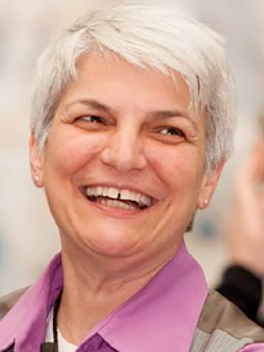
Felipe Alberto
Associate Professor
Dept. of Biological Sciences
Felipe Alberto’s research focuses on the genetic structure and molecular genetics of kelp forests of the Pacific Coast, with an emphasis on the consequences of global change. His original research, utilizing genetic evolutionary markers and Geospatial Information Systems, has delivered insights into kelp population and growth. Alberto is the lead PI on nearly $4 million in NSF and DOE grants studying the ecology and genetics of the ecosystem-building organisms giant kelp and bull kelp, and how they might best be used in biofuel production. His insights into the microevolutionary processes shaping these populations have been game changing in the field.

Kelsey Autin
Associate Professor
Dept. of Educational Psychology
Kelsey Autin is recognized not only as a highly productive member of her department with 45 peer-reviewed articles and five book chapters, but for her cutting-edge ideas and scholarship in her field of vocational psychology. Autin’s co-development of the ‘decent work’ theory (addressing work experiences of marginalized populations) has been described by her peers as “transform(ing) how vocational psychologists think about the institutional structures that constrain work development and experiences” and expect her early work to continue to be relevant for years to come.

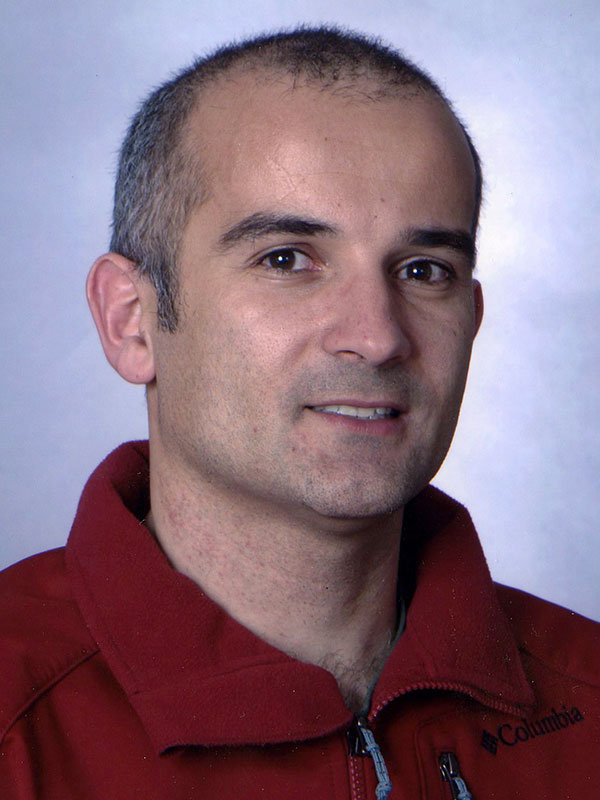
Roshan D’Souza
Associate Professor
Dept. of Mechanical Engineering
Roshan D’Souza leads groundbreaking research to develop accurate and consistent non-invasive quantification of hemodynamic factors from blood flow imaging. His team employs cutting-edge technologies, such as physics-informed neural networks, to improve MRI-based blood flow images for clinical use. His research has the ultimate goal of deepening our understanding of hemodynamics and its impact on cardiovascular diseases. Dr. D’Souza has risen to become one of the most well-funded professors in his college, bringing in $3.1M in federal funding, including the prestigious NSF CAREER award. His ability to identify new research areas, quickly acquire expertise, and establish collaborations with researchers at other institutions has been instrumental in making meaningful contributions to his field.
2022
Rachel Bloom-Pojar
Associate Professor
Dept. of English
Rachel Bloom-Pojar is a rising star in her interdisciplinary field of translanguaging—the ability to move fluidly between languages – as exemplified by the acceptance of her book, Translanguaging Outside the Academy: Negotiating Rhetoric and Healthcare in the Spanish Caribbean, in a Studies in Writing and Rhetoric Series with only a 4% acceptance rate. Her work on translingualism—especially in the high-stakes field of healthcare—has been applauded by her peers as highly important and insightful contribution to the field of rhetoric of health and medicine. Thanks to her groundbreaking work, Bloom-Pojar is often referred to as one of the most important young scholars in her field, and further described as having the stature of a more senior scholar. Her consistent publications and presentations have earned her the respect of peers in the field as well as a recent promotion to Associate Professor. Her interdisciplinary work between the humanities and social sciences is broadly respected by peers and her work with UWM’s Center for 21st Century Studies’ Collaboratory Fellowship has led to even further interdisciplinary theory and publication.

Celeste Campos-Castillo
Associate Professor
Dept. of Sociology
Celeste Campos-Castillo is recognized as a prolific scholar on the sociology of trust and privacy in the medical informatics space. Campos-Castillo’s CV boasts dozens of journal papers, book chapters, and invited presentations since she began at UWM (and beforehand), including five refereed journal articles in 2021 alone. Dr. Campos-Castillo’s research is distinguished as inherently anti-racist, as it implements anti-racist methods by engaging specifically with minority communities to both identify and implement theoretically and empirically based interventions designed to disrupt the reproduction of systematic discrimination and, in its place, promote health equity and inclusivity. Additionally, Campos-Castillo is recognized for her extraordinary efforts in teaching and mentoring, having mentored and chaired or participated in dozens of graduate examination committees as well as taking a number of undergraduate students under her wing.
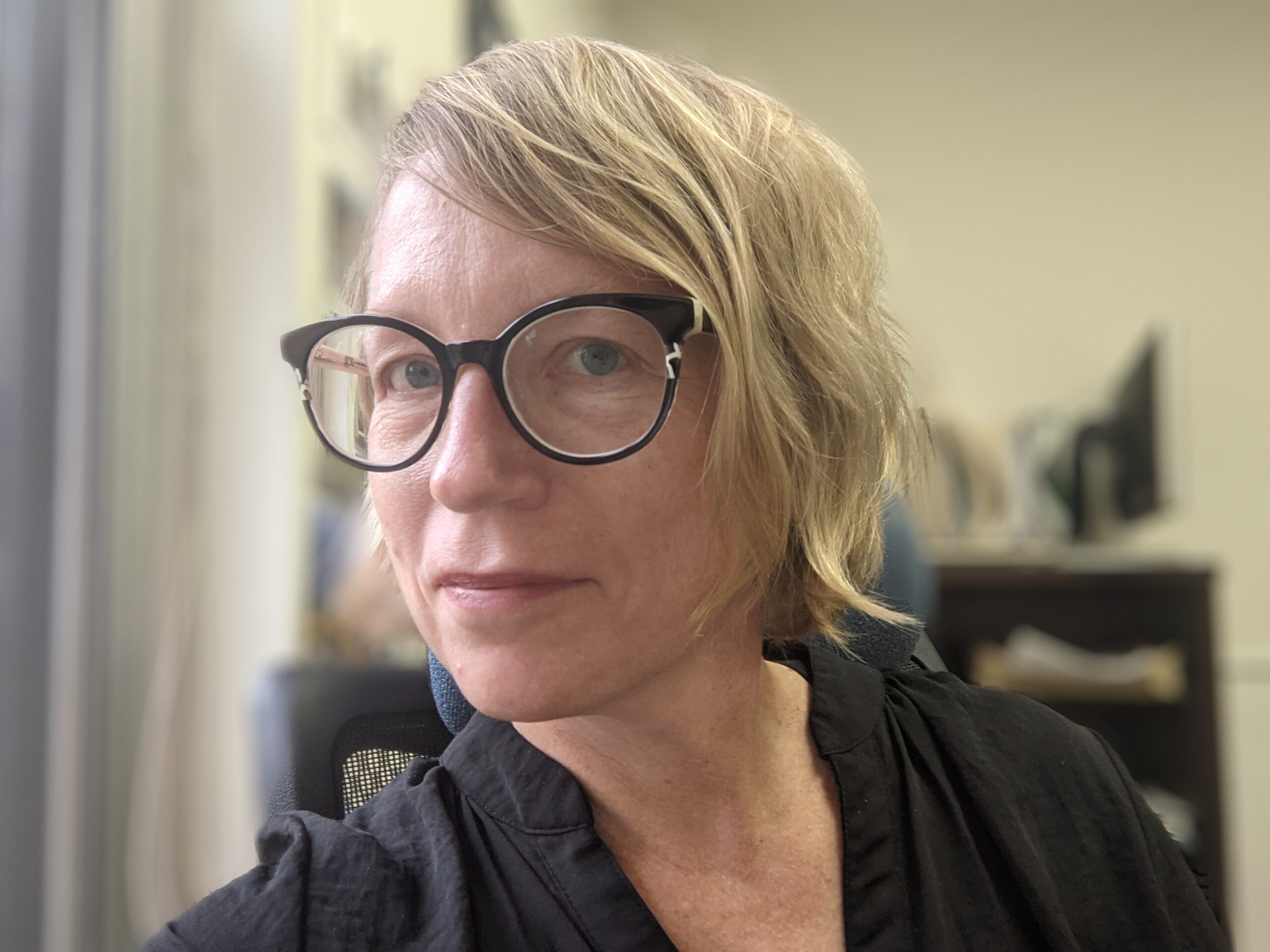
Anne Pycha
Associate Professor
Dept. of Linguistics
Anne Pycha brings both quantity and quality of publications not only in her own field of linguistics, but also branching out to the adjacent fields of cognitive neuroscience, mental lexicon, psychology, and sociology. Her work on COVID-related speech with a facemask was both timely and enlightening to the field at large. Dr. Pycha is recognized not just for her great volume of high-quality scholarship in linguistics but also for her dedication to dissemination of her science to the lay public with publications in both Scientific American and Scientific American Mind. She does service to her field by continuously publishing in broad and interdisciplinary subjects in the highest-rated journals, and by serving as a reviewer for many journals and symposia. Additionally, Pycha has shown great departmental leadership in teaching and mentorship by offering flagship undergraduate and graduate courses and serving as advisor for many students.
2021
Ira Driscoll
Associate Professor
Dept. of Psychology
Ira Driscoll studies how changes in the brain can predict cognitive deficits and dementia, and the role for hormones and genetic background as modulators of age-related cognitive decline. Focusing on the function of the hippocampus and the nature of amnesia in aging and Alzheimer’s disease, she employs a multi-level investigative approach combining neurogenetics, neuroimaging, and cognitive tasks that allow for cross-species comparisons. She has also done research suggesting that while obesity in middle age is associated with a heightened risk for cognitive impairment in post-menopausal women, weight gain in elderly women may help preserve cognitive function. A reviewer at Wake Forest University notes that “Dr. Driscoll has built a clear and impressive trajectory in her research aimed at understanding how Alzheimer’s disease develops.” Recognition of her accomplishments includes the 2014 Alzheimer’s Association of Southeastern Wisconsin Investigator Award and the 2006 National Institute on Aging Fellows Award for Research.
Carolyn Eichner
Associate Professor
Dept. of History
Carolyn Eichner is an internationally recognized scholar of French feminist history, particularly women and gender in 19th-century French political and social movements. Eichner has published extensively on revolutionary women, feminism, imperialism, and gender in France and its empire. UWM History Department chair Joseph Rodriguez writes, “Her work is cutting edge—revealing the stories of French women who previously languished in historical obscurity. The freshness and originality of her work has attracted an international audience, and much of her work has been translated into French. Her first book is regularly used in women and gender and French history courses.” Eichner’s French translation of her 2004 book on women in France’s revolutionary civil war, Surmounting the Barricades: Women in the Paris Commune, was a finalist for the prestigious Prix Augustin Thierry, given by the City of Paris to recognize historical work focusing on the period between Antiquity and the late 19th century. Her second and third books, The Paris Commune: A Brief History and Feminism’s Empire, are forthcoming in 2022.
Clark Evans
Associate Professor
Dept. of Mathematics
Clark Evans has expertise in weather analysis, forecasting, and numerical modeling, particularly their transition into extratropical storms when they reach higher latitudes. This transition phase is very challenging to predict, and can bring surprisingly severe weather. His 2017 review paper described the global climatology of extratropical transitions, their predictability and societal impacts, and provided recommendations for future research. The paper has been cited over 85 times in the academic literature. Clark’s award nominators cite his extensive record of conducting societally relevant, extramurally funded research on high-impact weather in collaboration with the National Weather Service and its Storm Prediction Center, as well as the National Hurricane Center. He is a principal investigator on $4 million in research grants. At the American Meteorological Society, Evans is chair of the Committee on Weather Analysis and Forecasting and the Annual Meeting Oversight Committee. He is also an editor of the Monthly Weather Review.
Nicolas Silvaggi
Associate Professor
Dept. of Chemistry & Biochemistry
Nicholas Silvaggi is internationally recognized for fundamental contributions in enzymology and structural biology. His expert X-ray crystallography has helped determine molecular structures in complex biological systems—essential knowledge for characterizing binding sites for small molecules, which provides crucial insight into the rational design of potential drugs. His expertise contributed to the 2011 founding of the Milwaukee Institute for Drug Discovery at UWM. A highly sought-after collaborator at regional research institutions and at UWM, Silvaggi collaborated with UWM Professor David Frick to expand knowledge about the structure and possible therapeutic approaches to SARS-CoV-2, the virus that causes COVID-19. Continuously funded by the National Science Foundation since 2012, Silvaggi has attracted three major research grants, been a co-investigator on two NSF major instrument proposals and has received NIH funding. Silvaggi has served on more than 30 PhD and five master’s committees—chairing five of them—and advised 41 undergraduates. He is also a mentor for the Milwaukee School of Engineering’s SMART team high-school outreach program.
2020
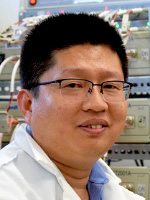
Junjie Niu
Associate Professor
Dept. of Materials Science & Engineering
Junjie Niu is helping to create the next generation of fast-charging lithium-ion batteries. His novel electrode material allows rapid charging without damaging the battery and delivers far more energy than existing technology. In addition, the material would allow consumers to use their devices longer and drive electric cars much farther between charges. In 2019 he received the UWM College of Engineering & Applied Science’s Outstanding Research Award in recognition of his water and energy research, which includes finding new ways to decontaminate drinking water and waste discharged from sewage lines, as well as creating self-cleaning coatings for a wide variety of surfaces, saving water and energy used in traditional cleaning methods. Niu’s expertise in electrochemistry and materials and their applications in energy storage and water technology—as well as his strong academic background—led to his hiring at UWM in 2014 from a pool of hundreds of applicants. Niu has published more than 80 papers in top journals, with more than 8,200 citations and an H-index of 41. He has been awarded one U.S. patent and more than four provisional patents. He earned the 2019 Best Presentation Award from the Materials Research Society, and received a 2018 UWM Foundation Technology Licensing Award.
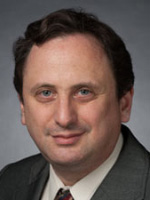
Michael Nosonovsky
Associate Professor
Dept. of Mechanical Engineering
Michael Nosonovsky’s research deals with fundamental mechanisms and models of friction and the interaction of liquids with rough surfaces. These new models have led to improvements in water-repellent surfaces, ranging from concrete to coatings for the freshwater industry as well as a better understanding of natural phenomena, such as microdroplet clusters. Nosonovsky is addressing problems in tribology—the science of friction, wear and lubrication—through biomimicry, which is the emulation of models, systems and elements of nature for the purpose of solving complex human problems. For example, scientists are studying sharkskin, which stays free of algae and barnacles while moving through the ocean, to develop similarly water resistant and self-cleaning hulls on ships. His research has been published in prestigious journals such as Nature, and the world’s oldest scientific research journal, Philosophical Transactions of the Royal Society, which published work by Isaac Newton, Charles Darwin, Benjamin Franklin, and Stephen Hawking. Nosonovsky has authored or co-authored more than 100 papers and three books and been cited more than 8,500 times in scientific literature.
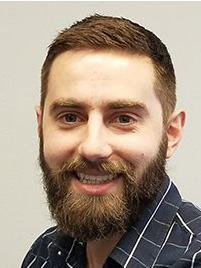
Ryan Shorey
Assistant Professor
Dept. of Psychology
Ryan Shorey studies risk factors for, and consequences of, intimate partner violence, as well as substance use disorders and treatment. Integrating these two lines of research, he examines substance-related intimate partner violence and the effectiveness of substance use treatment in reducing the occurrence of intimate partner violence and sexual assault. His goal is to develop and implement prevention and intervention programs that reduce intimate partner violence, sexual assault and substance use disorders. Accolades for Shorey from his peers in his field include “the most talented researcher of his generation,” “an extraordinary scientist” and an early-career researcher possessing “absolutely astonishing” and “truly unparalleled” productivity. Shorey has also been praised for his interest in treating sexual minority young adults, an extremely vulnerable and understudied population. Shorey has published 166 peer-reviewed articles, including 80 as first author. Since 2014, he has been principal investigator on seven grants, many from the National Institutes of Health (R01 or R21), totaling more than $3.7 million. Since joining UWM in 2018, he has established the Substance Use and Relationship Factors Lab, which includes two PhD student members who hold competitive fellowships from the UWM Graduate School.
UWM Research Foundation Senior Faculty Awards
2023

John Berges
Professor
Dept. of Biological Sciences
John Berges is applauded by his department for his contributions to the ecology and cellular biology of aquatic organisms by way of his highly-cited 47 peer-reviewed journal publications and 9 book chapters in his over 20 years at UWM. Berges’ laboratory addresses questions on nutrient cycling and lifecycle patterns of aquatic organisms, focusing on phytoplankton and utilizing a range of biophysical, physiological, biochemical, and molecular tools both in the field and in the lab. Understanding these biochemical processes allows Berges to better characterize the ecological responses of algae to environmental stressors and changes, putting him at the forefront of efforts to predict and mitigate harmful algal blooms that affect the Great Lakes and beyond. Dr. Berges is highly respected in his field. His scientific contributions have been recognized at national and international levels and have brought positive recognition to UWM.
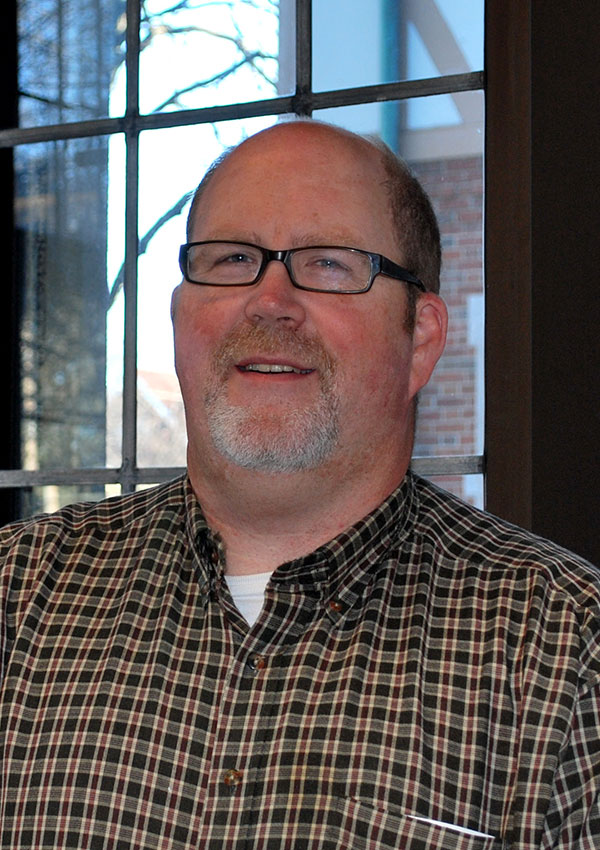
W. Hobart Davies
Professor
Dept. of Psychology
W. Hobart Davies is recognized as an extraordinary clinician-scientist, with a long history of significant research contributions to the field of pediatric health psychology. No discussion of Dr. Davies’ accomplishments could overlook the striking quantity of peer-rated publications, (142, 54 of which as primary author, with nearly 6,000 citations) surrounding psychosocial wellbeing of patients, family members, and care teams, with a focus on pediatric pain care and management. He is known for his insightful and collaborative approach to research and willingness to mentor others (His CV also boasts supervising 32 senior theses, 26 master’s theses, and 26 doctoral dissertations). He has been named a Fellow of both of the major pediatric psychology associations, the Society of Child Clinical and Adolescent Psychology, and the Society of Pediatric Psychology. His work has been vital in highlighting the importance of psychological factors in the course and severity of illness, intervention outcomes, and patient-provider communication and is perhaps best summarized by this acclamation: “He is a fantastic researcher, no doubt, but even rarer, he makes those around him exponentially better.”
Laodong Guo
Professor
School of Freshwater Sciences
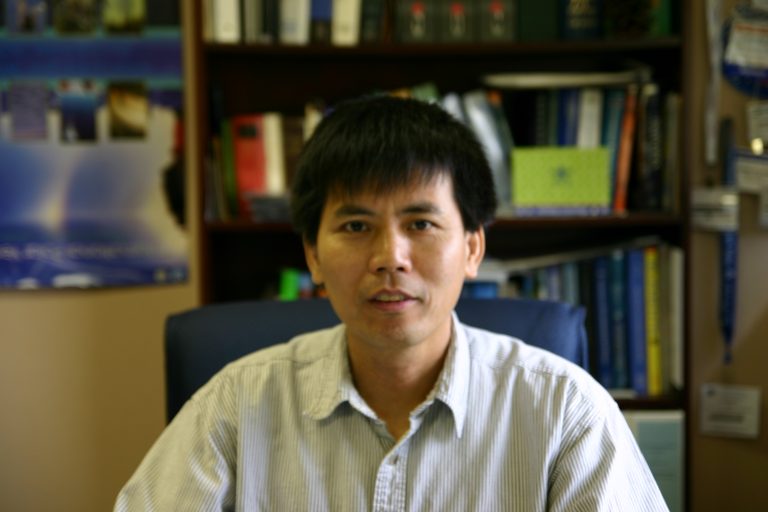
Laodong Guo is well known within the oceanographic and water science communities as a leading geochemist. He has published over 100 peer-reviewed articles in his last 10 years as a professor at UWM—a staggering quantity in field sciences like oceanography and limnology. His most important work may lie in investigations into microplastics and other modern contaminants’ seepage into endangered biospheres. He has also made major scientific contributions through research in the Arctic, one of the most rapidly warming global regions, with a focus on permafrost, peatlands and arctic river systems. Permafrost contains large amounts of greenhouse gases and organic matter that are subject to major alterations upon warming. Dr. Guo is recognized as one of the most productive and active members of the School of Freshwater Sciences who continues to pursue new and highly relevant research questions. He has also played a significant role as a mentor, hosting several post doctoral scholars and international visiting scholars and working with dozens of UWM SURF and REU students in his laboratory.
2022
David Frick
Professor
Dept. of Chemistry & Biochemistry
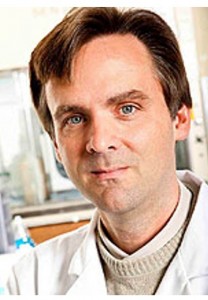
David Frick’s fundamental research on the biochemistry of viral proteins has led to substantial contributions to the understanding of such human diseases as Hepatitis C, Dengue Fever, West Nile Virus, and SARS-CoV-2 (the virus that causes COVID-19), and to drug discovery for their treatment. A prolific publisher, Frick has over 75 publications in highly esteemed peer-reviewed journals, plus countless conference presentations, PubChem BioAssay entries, and invited lectures. Through his NIH, NSF, and internal grant awards, Frick has brought nearly $2.4 million in funding to his department while serving as advisor to post-docs, graduate students, and undergraduates. His work at UWM is distinguished by his interdisciplinary collaboration, sharing grants and publications with faculty from departments across campus (including Biological Sciences, Physics, and Engineering) and is highly regarded by his peers for his mind for scientific inquiry and collegial persona.

Krista Lisdahl
Professor
Dept. of Psychology
Krista Lisdahl is a clinical psychologist specializing in the neurocognitive effects of adolescent substance use, and the Milwaukee-site PI of the NIH’s Adolescent Brain Cognitive Development (ABCD) project—the largest multi-site pediatric neuroimaging study of its kind. Lisdahl is nationally recognized as a leader in this field with over 4900 citations from her over 88 peer-reviewed papers (including 31 since 2020 with 12 more in review). Her contributions to the field of neuroscience and substance abuse have garnered her such prestigious awards as the Presidential Early Career Award for Scientists & Engineers (2012), the Nelson Butters Award from the National Academy of Neuropsychology, the National Academy of Science’s Kavli Fellowship, and fellowships from the American Psychological Association’s Society for Clinical Neuropsychology and Society of Addiction Psychology. Lisdahl’s work in youth substance use and addiction research incorporates advanced brain imaging techniques, toxicology, and neuropsychological assessment to study the effects of repeated exposure to cannabis, alcohol, nicotine, and ecstasy on adolescent brain development. This field is of increasing interest to researchers given the changing landscape in legalization of cannabis and growing use of e-cigarettes by youth. Lisdahl is further recognized for her teaching and mentoring of doctoral and master’s students, many of whom appear as first author on their co-authored publications.
2021
Anne Basting
Professor
Dept. of English
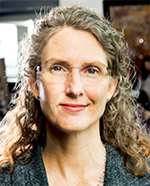
Anne Basting is a scholar and artist whose work focuses on the potential for the arts and humanities to transform our lives as individuals and communities. For over 20 years, Basting has researched ways to infuse the arts into care settings, with a particular focus on people with cognitive disabilities like dementia. In 1998 she founded the award-winning non-profit TimeSlips Creative Storytelling, an international alliance of artists and caregivers bringing meaning to late life through creativity. TimeSlips has over 900 certified facilitators in 48 states and 20 countries. The aim of creative storytelling, Basting says, is to replace pressure to remember with freedom to remember, imagine, and inspire improvisational expression. In all her work, she is striving toward a moment when meaning-making is fully infused into care systems. In 2016, Basting became the first MacArthur Fellow at UWM. She has published many books, articles, and chapters, and the longtime theater professor has also written or produced nearly a dozen plays and public performances, one of which was professionally staged at a long-term care community.
Bonnie Klein-Tasman
Professor
Dept. of Psychology
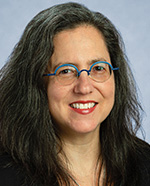
Bonnie Klein-Tasman has earned a national and international reputation for her developmental work on children with rare genetically based neurodevelopmental conditions, particularly Williams syndrome and neurofibromatosis type 1. She takes a sophisticated approach to incorporating projects that capture the interplay of social, neuropsychological, and developmental factors in predicting child outcomes. To collect the large amounts of necessary data from youth who are relatively hard to find in the first place, Klein-Tasman’s team has become very creative about locating and connecting with these families. This data can help identify emerging patterns of specific difficulties at specific developmental periods—valuable information for is unavailable for most genetic conditions. Klein-Tasman has a strong commitment to training future scientists; she has chaired 13 Ph.D. committees, 13 master’s committees, and eight senior thesis committees. Grants supporting her research have come from the National Institutes of Health, Williams Syndrome Association, UWM Research Growth Initiative, and many others.
2020
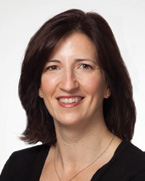
Christine Larson
Professor
Dept. of Psychology
Recognized as both scientifically rigorous and community engaged, Christine Larson’s collaborative research is dedicated to understanding the neural bases of healthy and pathological emotional processing, as well as predicting risk factors and early warning signs of anxiety-related disorders, such as post-traumatic stress disorder. Her work is further distinguished by her interest in learning about trauma risk factors that are unique to ethnic and racial minority communities. One of the biggest challenges in trauma research is identifying recent victims of trauma, which Larson achieved through a partnership with Froedtert Hospital, where victims are sent almost immediately after a violent incident or other event resulting in traumatic injury. That partnership grew into the Milwaukee Trauma Outcomes Project, a regional consortium co-founded by Larson dedicated to improving the lives of those affected by trauma through research, intervention, prevention, education and outreach. Larson’s innovative approaches have attracted more than $10 million in research funding—more than $7 million as principal investigator—including several R01 grants from agencies such as the National Institute of Mental Health, as well as three UWM Research Growth Initiative awards.
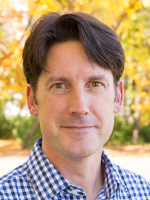
Scott Strath
Professor
Dept. of Kinesiology
As director of the Center for Aging and Translational Research, Strath and his research team focus on the intersection between physical activity and public health. Specific research interests include the relationship between physical activity and cardiovascular health; physical activity interventions and promotional strategies; physical activity assessment; community and national physical activity patterns; and environmental determinants of physical activity behavior. He has held continual National Institutes of Health funding since 2005, with his latest $3.1 million grant received in 2017. The focus of that grant is to develop new machine learning algorithms for use in wearable technology, ultimately to better assess physical activity behaviors in adults with and without functional movement disorders. This includes adults who have arthritis, multiple sclerosis or Parkinson’s disease or have had a stroke. Strath continues to work on projects to increase the awareness of the benefits of physical activity and regularly works with the community on promoting the use of available community resources to help seniors increase their physical activity, strength and physical function and maintain their community independence. A colleague wrote that Strath’s achievements exemplify scholarship at its best and are a credit to him and to the university. Strath holds affiliate appointments with the Medical College of Wisconsin, as well as the University of Wisconsin-Madison.
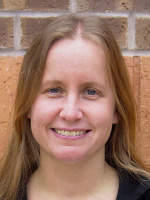
Lindsay McHenry
Professor
Dept. of Geosciences
Lindsay McHenry is unraveling the remarkable history of hominid sites in Tanzania. Her analysis and dating of volcanic ash preserved within sedimentary layers at Olduvai Gorge and other important archaeological sites has yielded a robust chronology for the region’s fossils and stone tools associated with human evolution. Her meticulous field and laboratory work has helped unite scientists who previously had conflicting hypotheses on the evolution and behavior of early hominins. McHenry’s research has focused on analyzing volcanic ash preserved within sedimentary layers at such important archaeological sites. Studying the ash within the layers can create frameworks to look at important evolutionary and cultural changes throughout a region. She also studies Mars geology, looking at the minerals, sediments and geochemistry of the Martian surface, particularly how altered volcanic and sulfate materials may relate to places on Earth where materials have formed under similar conditions. McHenry has attracted more than $4.1 million in research funding, more than 85% of that as principal investigator.
Research in the Humanities Award (Biennial)
2023
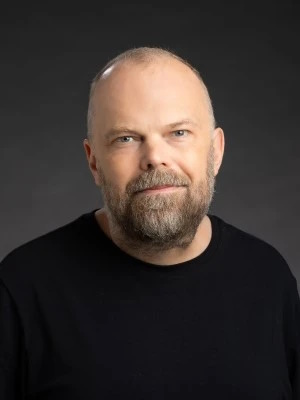
Blain Neufeld
Professor
Dept. of Philosophy
Blain Neufeld is recognized for his 2022 monograph, Public Reason and Political Autonomy: Realizing the Ideal of a Civic People, an ethical-political examination of Rawlsian theory in the face of peoples’ fractured perception of justice in modern democracy—a work resoundingly celebrated by his peers. Neufelds’ arguments propose a ‘public reason’ justification for modern political liberalism as opposed to the dominant “respect-based” reasoning, viewed as a breakthrough in the modern theory that consensually endorsed principles are not only compatible with, but indeed enhance autonomy. His position is well-defended; his scholarship meticulous and carefully debated to deliver an opus in the examination of social justice in the modern day.

Nigel Rothfels
Professor
Dept. of History
If Dr. Rothfels had established himself over the last three decades as one of the world’s foremost historians of animals and human-animal relations, his 2021 book, Elephant Trails cements his place there. From a cross-disciplinary perspective, Rothfels shares the history of human-elephant interaction: “Spanning from ancient natural history accounts to colonial ivory hunting, to shifting husbandry practices in the zoo industry, (Trails) offers complex and compelling analysis, particularly on polarizing issues such as the history and future of elephant hunting and captivity”. His work demonstrates the significance of a humanities approach to biological and ecological questions. Dr. Rothfels is recognized for this work of top-tier academic excellence. “His combination of extensive archival work and tenacious field research in zoos and museums enables him to offer the layered storytelling and nuanced analysis that is often lacking in animal history.”
2021
Elana Levine
Professor
Dept. of English
Since the debut of These Are My Children in 1949, the daytime television soap opera has been foundational to the history of television as an economic, creative, technological, social, and cultural institution. In her 2020 book, Her Stories: Daytime Soap Opera and US Television History, Elana Levine draws on archival research and critical analysis to provide an in-depth history of the daytime television soap opera as a uniquely gendered cultural form and a central force in the economic and social influence of network television. A Glasgow University fellow calls it “crucial reading for media studies scholars and anyone interested in the social and cultural history of the United States in the twentieth century.” A UW-Madison professor considers it “one of the best books to be published in the field of television studies in the past decade—the sort of book most scholars aspire to complete during the course of a career.”
Mark Netzloff
Professor
Dept. of English
Mark Netzloff’s book, Agents Beyond the State: The Writings of English Travelers, Soldiers, and Diplomats in Early Modern Europe, provides the first book-length study of the connections between literary writing and the emergence of the English state in the early modern period. In the book, published in 2020 by Oxford University Press, Netzloff argues that the early modern state was defined not through the elaboration of theoretical models of sovereignty, but rather as an effect of the literary and social practices of its extraterritorial representatives. Focusing on four groups of agents—travelers and intelligence agents, Catholic exiles, mercenaries, and diplomats—Agents Beyond the State examines their material practices of writing, networks of association, modes of affect and sociability, and formulations of agency and critique. A professor at the University of Minnesota writes that the book “ will seal his reputation as one of the top scholars working in the field.”
2019
Jocelyn Szczepaniak-Gillece
Assistant Professor
Dept. of English
Between the 1920s and 1960s, U.S. movie theaters evolved from massive, ornate palaces to intimate, streamlined venues that encouraged immersive movie watching. In her 2018 book, The Optical Vacuum: Spectatorship and Modernized American Theater Architecture, UWM Assistant Professor Jocelyn Szczepaniak-Gillece follows this transformation through the work of its champion, New York architect Benjamin Schlanger, whose theory of neutralized theaters informed his minimalist, modern designs. In its close examination of Schlanger’s work and of changing patterns of spectatorship, The Optical Vacuum reveals that the essence of film viewing lies not only in the text, but in the spaces where movies are shown. She explores topics often ignored in film and media studies, such as seat construction and placement, wall decoration, sight lines, lighting, curtains, and screen position. Richard Grusin, UWM Distinguished Professor and director of the Center for 21st Century Studies, writes of Szczepaniak-Gillece, “She has the amazing ability of turning what might seem to be rather dry archival material into interesting, even at times gripping, prose. Her prose is simultaneously erudite and funny.”
2017
David DiValerio
Associate Professor
Dept. of History
David DiValerio’s book, The Holy Madmen of Tibet, is a study of a peculiar and surprising strain of Buddhism that also offers a unique lens on the study of religion. DiValerio’s subjects are yogins who burst forth from their 15th century monastic lives to shock their communities with bizarre behavior quite at odds with the common view of Buddhist monks as serene contemplatives. One contemporary account describes a yogin whose “naked body was rubbed with ashes from a human corpse, daubed with blood, and smeared with fat. He wore the intestines of someone who had died as a necklace…” DiValerio places this behavior in the context of political, religious and cultural battles taking place in Tibet when these yogins flourished. His translations of biographies from the period give a unique authority to his critical examination of the lives of these Tibetan “madmen.” Andrew Quintman, associate professor of religious studies at Yale University, called the book “a major and lasting contribution to the study of Tibetan religious and cultural history.”
Christine Evans
Associate Professor
Dept. of History
An avid scholar who digs deeply into texts others might overlook and whose writing shows clarity and liveliness whether on the op-ed pages of the New York Times or in a richly researched account of Soviet-era television, Christine Evans is the 2017 recipient of the Robert A. Jones and Mary B. Jones Award for Research in the Humanities. A history professor and coordinator of the Russian and Eastern European Studies Certificate Program, Evans also is author of “Between Truth and Time: A History of Soviet Central Television” (Yale University Press, 2016). Rigorous scholarship is one indicator of the book’s prominence: oral histories are referenced, and popular Soviet television programs “Seventeen Moments of Spring” and KVN are accounted for and compared to similar genres of television across Eastern and Western Europe. “I found (the book) one of the richest and most dependable resources on socialist mass culture,” writes one reader and nominator. The creative, engaging style and structure of Evans’ book also earns praise from readers and scholars. “Deploying an impressive industry, intelligence and imagination, [Evans] takes the reader into the interior of a world largely unstudied,” writes a fellow historian. “By mining a variety of archives, she has come up with a work of profound originality that is a major contribution to the study of the postwar Soviet Union.”
Outstanding Creative Research Achievement Award (Biennial)
2022

Jessica Meuninck-Ganger
Associate Professor
Dept. of Art & Design
Jessica Meuninck-Ganger is recognized by her department as an exemplary artist, scholar, and teacher, noting her unceasing willingness to participate and excel as Head of Print & Narrative forms in the Peck School of the Arts. Meuninck-Granger has proudly presented two solo exhibitions in as many years as well as curating another “eerily prescient” national exhibition titled Aesthetics of Loss at the Ukrainian Institute of Contemporary Art. Professor Meuninck-Granger’s research is characterized as community-engaged and includes a public print workshop/creative laboratory designed to link print media, art education, and social engagement, as well as several past community-involved workshops and collaborative spaces. Notably, Meuninck-Granger worked as part of a team that secured $2.8 million in funding from the National Science Foundation for her project, WaterMarks: an Art/Science Framework for Community Engaged Learning and Environmental Stewardship.
Sheila Feay-Shaw
Professor
Department of Music
Sheila Feay-Shaw’s scholarship extends beyond digital humanities to explore the vital task of transcribing traditional Ojibwe Native American songs from recordings to musical staff notation. This daunting task involves collaboration and immersion in the culture of the Ojibwe people and Anishinaabe language. Important in this undertaking is a sensitivity to cadence and rhythm, inflection, and intrinsic musical qualities of the language itself. Dr. Feay-Shaw’s long-term research in multicultural education uses music as a vector to understanding cultures, and has included collaboration with the English Department, local Native American communities, and local high schools to disseminate these traditional songs usually passed-down through group singing, now transcribed for posterity.
2020
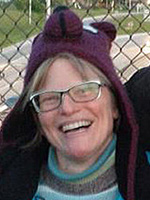
Lisa Moline
Associate Professor
Department of Art & Design
For more than 20 years, Moline has focused her creative research on the complex relationship—sometimes complementary, sometimes conflicting—between humans and the natural world. This involves an ongoing investigation of habitat, and explorations of where nature resides with increasing urbanization and globalization. Her work encompasses many forms, from intimate prints to large-scale installations, from video and audio environments to activist interventions. Moline’s most recent ongoing project is the Overpass Light Brigade, an episodic performance in contested zones of public space, and a navigation of the tactics of visibility. Since its formation in 2011, the brigade has engaged in more than 400 actions, reached millions on social media, inspired numerous national and international Light Brigade chapters, and become an official tactic of political engagement. Her work has been exhibited in the Brooklyn Museum, the Milwaukee Art Museum, the California Academy of Sciences, the Field Museum, Science Gallery (Trinity College, Dublin) and Eyebeam gallery (New York City). Her videos have been screened at London’s Cinema Museum and other international venues. Her performance-based activist projects have been featured in national and international news media.
2018
Chris Cornelius
Associate Professor
Architecture
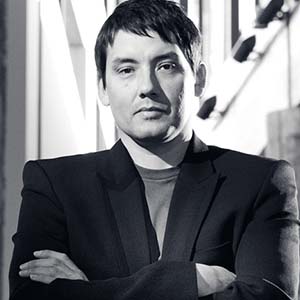
Chris Cornelius, an enrolled member of the Oneida Nation of Wisconsin, focuses his research and practice on the architectural translation of Native American culture. Cornelius is widely acclaimed for his drawings, as evidenced by awards from the prestigious KRob Architectural Delineation Competition, the American Society of Architectural Illustrators, and the American Institute of Architects, whose 2009 Design Excellence Award recognized his work as collaborating designer of Indian Community School of Milwaukee. Cornelius also earned the J. Irwin and Xenia S. Miller Prize, which recognizes international leaders in their fields who bring unique perspectives in connecting people to place and community. His drawing “Wiikiaami”—designed as a gathering place and to mark the autumnal equinox—was built in 2017 outside the First Christian Church in Columbus, Indiana. Cornelius has also designed several buildings at the Oneida Nation near Green Bay. As Karl Wallick, associate professor and chair of the Department of Architecture, points out, “This drawing research has crossed over into the realm of physical construction where his ideas are being tested in new scales and dimensions.”
Kimberly Cosier
Professor
Art & Design
Kim Cosier’s research addresses the interconnected issues of anti-racist and anti-biased teacher education, urban education, alternative education for at-risk youth and underserved populations, and art and education for social justice. Programs she has established include ArtsECO, which partners with nonprofit arts organizations and schools to develop teachers as change-makers; the Milwaukee Visionaries Project, an award-winning media literacy, video, and animation production project for middle and high school students in Milwaukee; and the Kenilworth Gallery Community Engagement Initiative, an arts-based community engagement laboratory in the Kenilworth Square East gallery. Professor and chair of the Department of Art & Design Kyoung Ae Cho observes, “These programs have been … building the reputation of the Peck School as one that is committed to arts and social justice through service and art-making within the community.”Cosier’s work is supported by grants from such organizations as the Wisconsin Arts Board, Margaret A. Cargill Philanthropies, Greater Milwaukee Foundation Nohl Fund, and Milwaukee Public Schools Arts and Humanities Partnership. She also co-edited the 2016 book Rethinking Sexism, Gender, and Sexuality.