In the Biological Chemistry & Structural Biology Division, we use recombinant DNA technology to isolate macromolecular complexes to investigate how proteins and RNA catalyze life’s most critical chemical reactions, using crystallography, NMR, EPR, UV/vis, CD, and fluorescence spectroscopy. Some of our ongoing projects include:
- Nonribosomal Peptide Synthetases (NRPSs)
- Biosynthesis of Enduracidin and Mannopeptimycin Antibiotics
- Advanced Crystallography
- Antiviral Research
- Nudix Hydrolase Class of “House-cleaning” Enzymes
- High-Throughput Screening (HTS)
- Tuberculosis Treatments Targeting Nudix Proteins and Truncated Hemoglobin N (trHbN)
- Nitrogen Cycle & Ecology
- Redox-Active Centers
- Molybdenum Enzymes
- Radical SAM Enzyme
Faculty Research

David N. Frick’s research at the University of Wisconsin-Milwaukee focuses on antiviral drug discovery, specifically investigating the biochemistry of viral proteins to identify new therapeutic targets. His work encompasses a broad range of pathogens, including the Hepatitis C virus (HCV), Dengue virus, and SARS-CoV-2. Beyond virology, Dr. Frick explores the Nudix hydrolase superfamily, a group of “house-cleaning” enzymes involved in maintaining cellular health and preventing cancer and bacterial pathogenesis. His research is interdisciplinary, utilizing high-throughput screening, molecular modeling, and steady-state kinetics to translate basic science into potential clinical treatments.
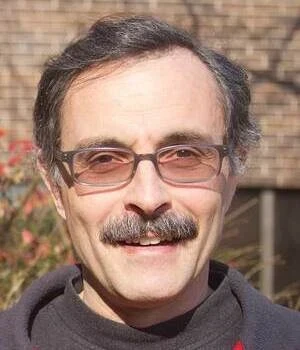
Research interests primarily focus on heme containing enzymes with two active projects: 1) the investigations into the mechanism of nitrite conversion to ammonia in a heme containing enzyme with focus on characterization of reaction intermediates by various kinetic and spectroscopic methods, and 2) Investigations of a Mycobacterium tuberculosis protein known as truncated Hemoglobin N (trHbN). The protein neutralizes nitric oxide produced by the immune system to kill bacteria, thus helping M. tuberculosis to evade the body’s defenses.
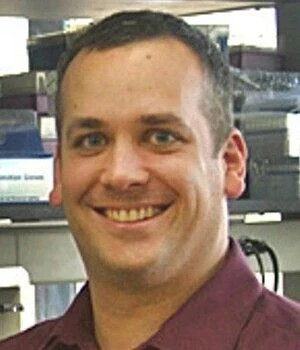
- Professor, Chemistry & Biochemistry
- Assistant Chair, Chemistry & Biochemistry
The focus of the Silvaggi Lab is the interrelationship of enzyme structure, function, and dynamics. We use X-ray crystallography, steady-state and pre-steady-state enzyme kinetics, and hydrogen-deuterium exchange mass spectrometry to study enzymes of bacterial secondary metabolism. Currently, we are focused on the PLP-dependent L-Arg oxidases, which are involved in a number of antibiotic biosynthetic pathways.

Research interests include molybdenum containing enzymes, the radical S-adenosyl Methionine (SAM) superfamily, heme reactivity, and technique development/application in EPR spectroscopy. Generally, all of our projects focus on the interplay between cofactor and peptide investigating the role of the primary and secondary coordination environment in tuning the functionality of metalloenzymes. In one project we are developing an artificial metalloenzyme to better understand the role of the peptide averment in a highly controllable/tunable (peptide and cofactor) environment.