
Faculty Exhibition Opening Reception & Presentation: Iris Xiaoxue Ma
An exhibition showcasing Iris Xiaoxue Ma's teaching and research work from 2025-2026 supported by UWM SARUP’s Fitzhugh Scott Faculty Fellowship.
An exhibition showcasing Iris Xiaoxue Ma's teaching and research work from 2025-2026 supported by UWM SARUP’s Fitzhugh Scott Faculty Fellowship.
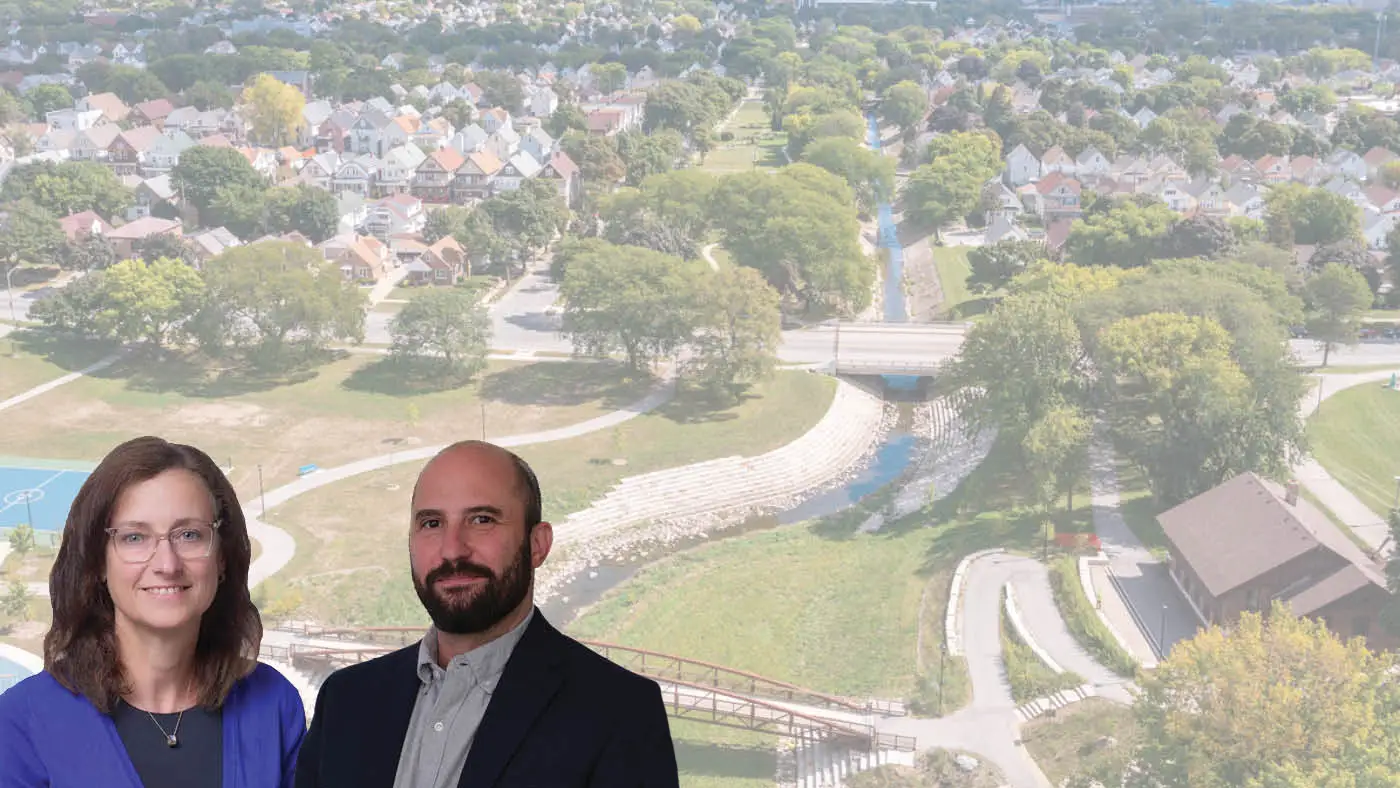
As extreme rain events become more frequent, communities are rethinking how stormwater moves across urban landscapes. This session explores the use of overland flow paths—subtle, landscape-based features within neighborhoods and public rights-of-way that temporarily store, slow, and convey stormwater without relying on expensive tunnels or lift stations.

The UW-Milwaukee School of Architecture and Urban Planning offers an opportunity for high school students to experience architecture education through our architecture summer camp, which we have proudly offered for over two decades.
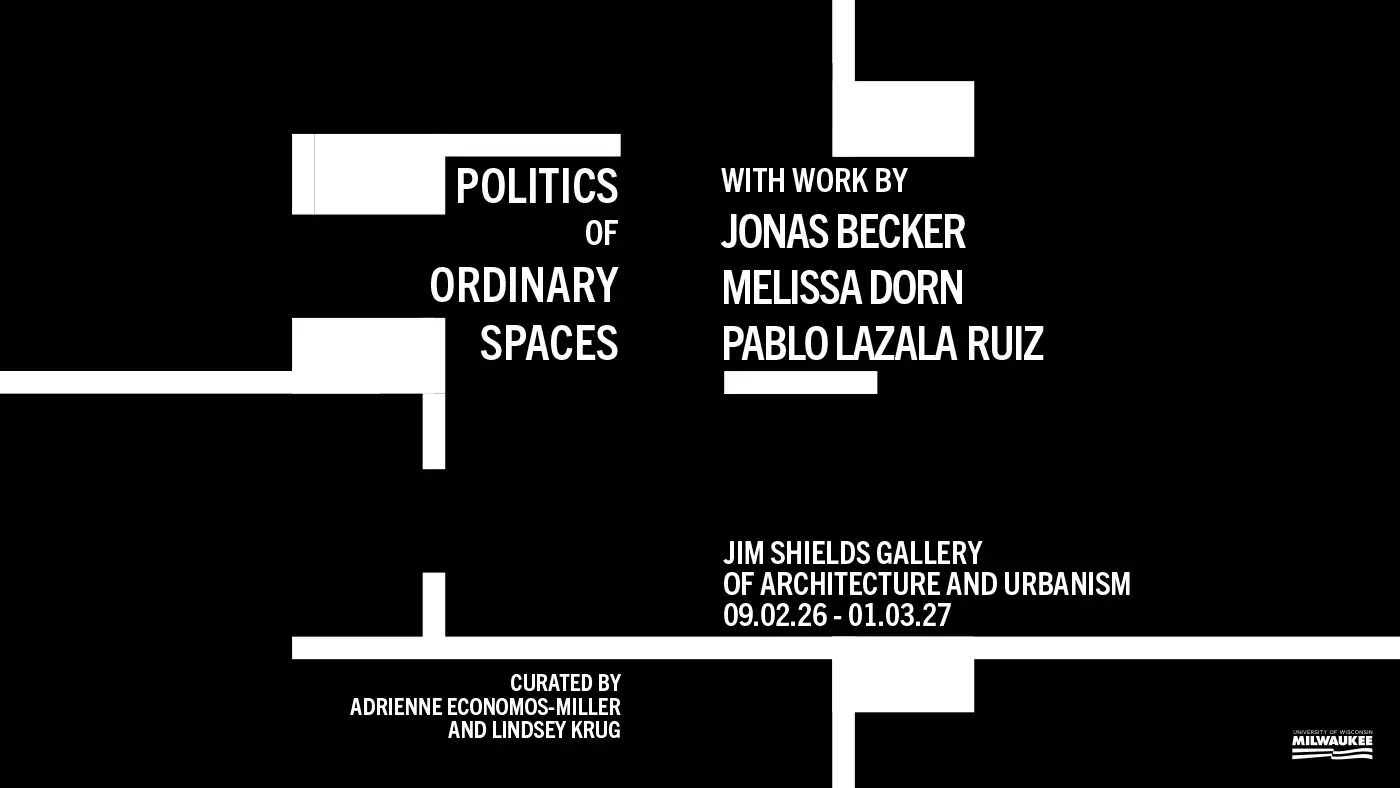
Politics of Ordinary Spaces implicates the political dimensions of the often-ignored, ordinary spaces of nation, economy, and body that make up much of the contemporary world. The exhibition, curated by Lindsey Krug and Adrienne Economos-Miller, brings together three artists—Jonas Becker, Melissa Dorn, and Pablo Lazala Ruiz—who are interpreting and revealing the content of these spaces hidden by convention and habit.
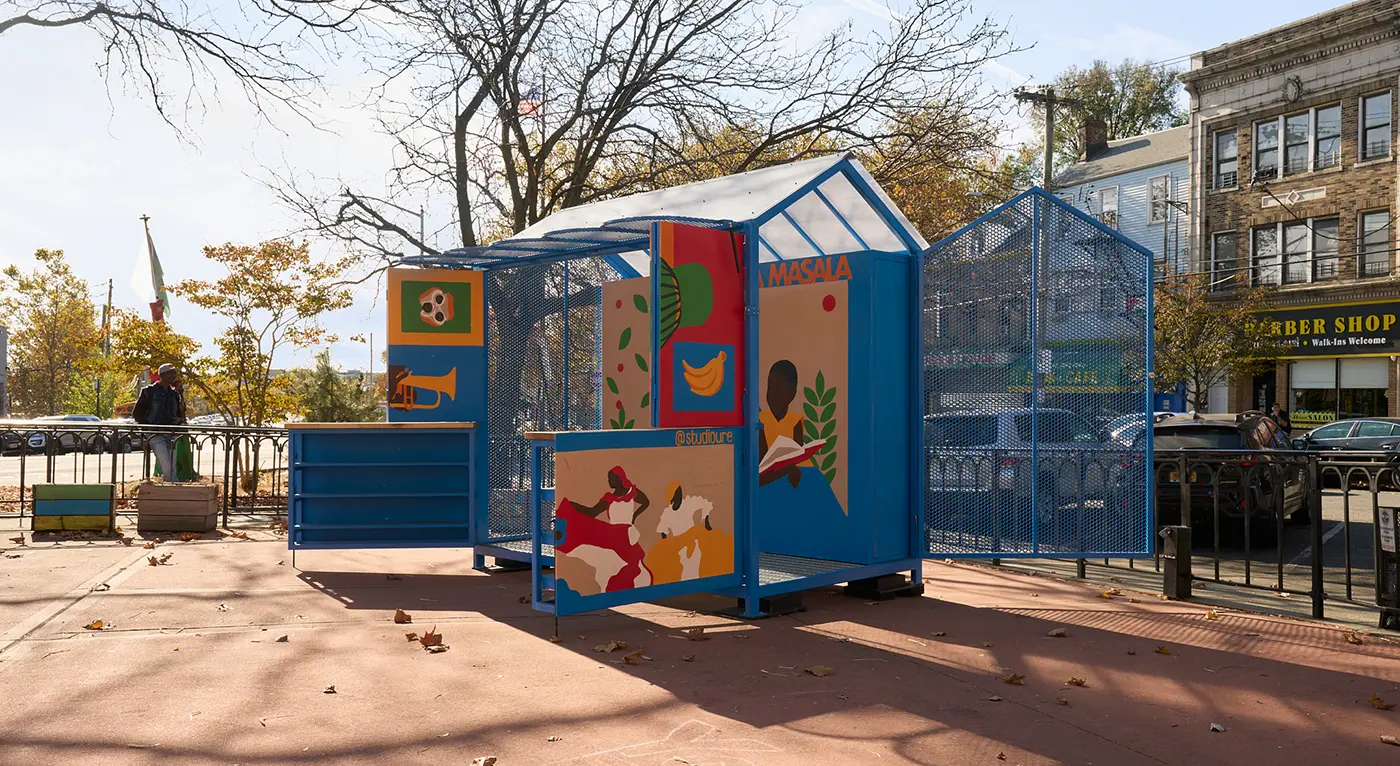
A+A+A is a New York based design studio working across North America and Asia. Founded by Andrea, Arianna, and Ashely, the studio designs buildings, interiors, exhibitions and experiences that make space for people – emotionally, culturally, and physically.
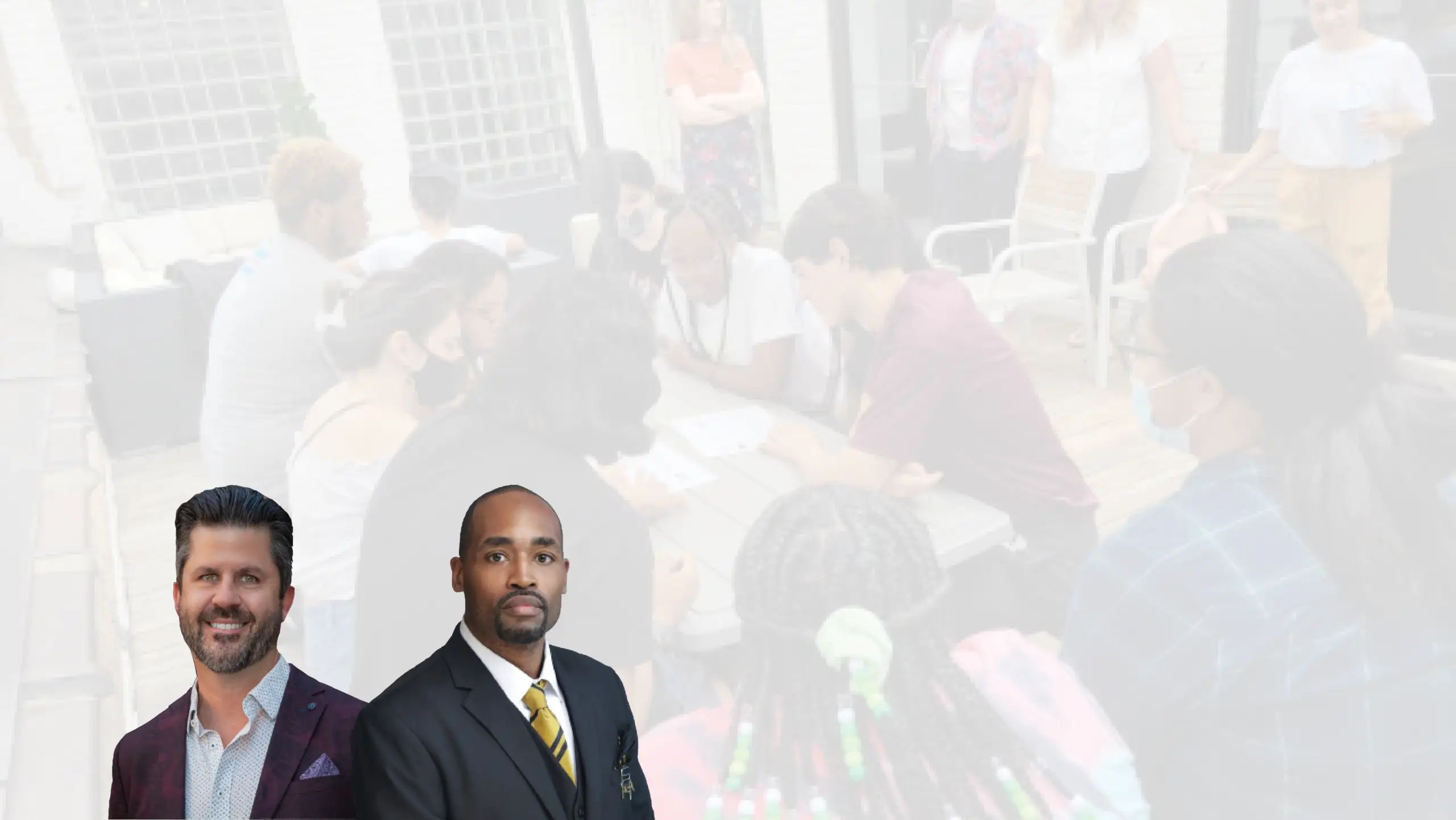
Learn how meaningful youth participation can transform planning, design, and community development. Through case studies from communities across the United States and Territory NFP in Chicago, speakers will demonstrate innovative strategies for engaging young people using hands-on workshops, creative activities, and youth-led initiatives that foster leadership and translate ideas into tangible neighborhood improvements.
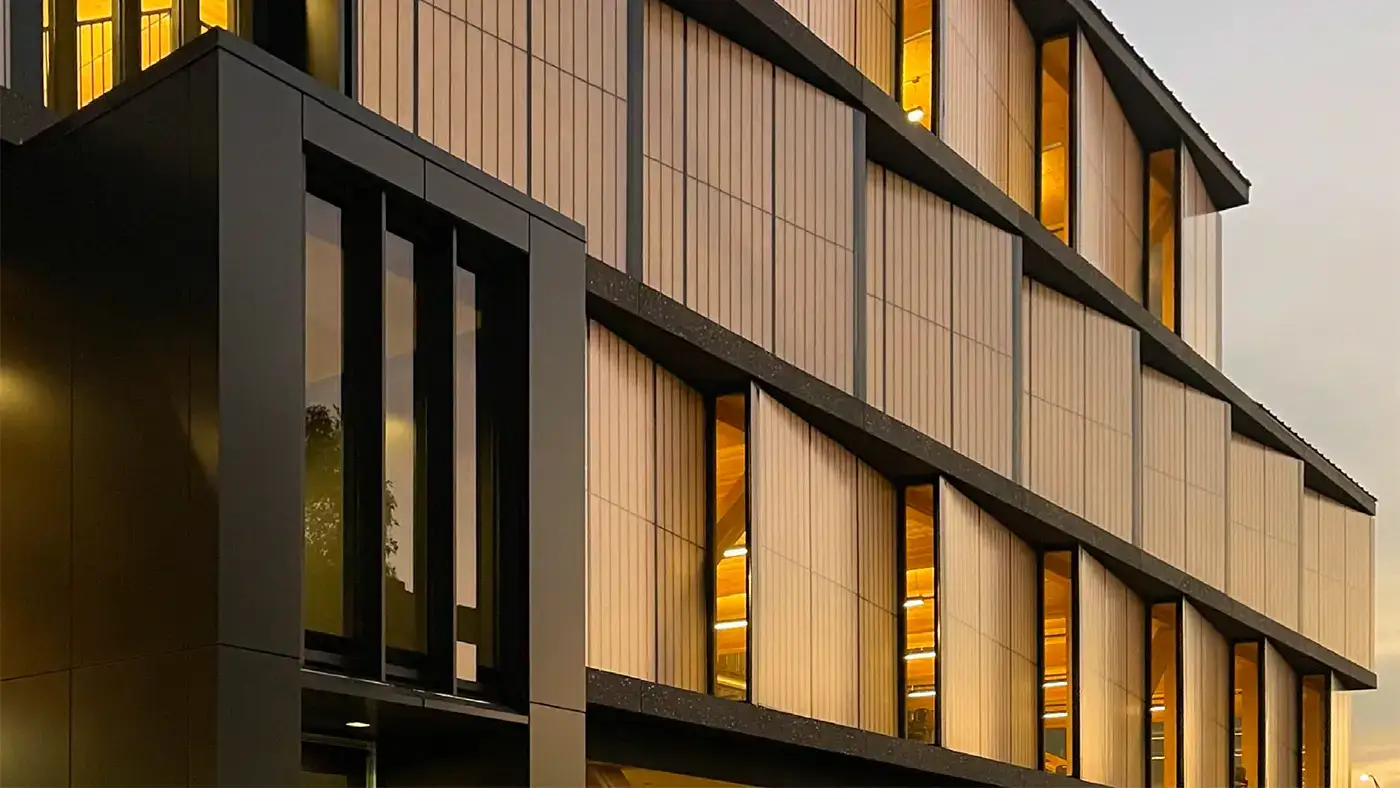
For his “contributions to architecture as an art,” Nader Tehrani is the recipient of The American Academy of Arts and Letters’ Arnold W. Brunner Memorial Prize, the highest form of recognition of artistic merit in the United States.
Paul Dolick is a Canadian-American architectural designer whose professional experience includes work with leading design practices across Chicago, Rotterdam, and Toronto.
Community wayfinding systems do much more than direct people from one destination to another—they shape how residents and visitors experience a place. This lecture explores the planning, design, and implementation of community wayfinding programs, beginning with downtown business districts and expanding to neighborhoods, parks, regional trail systems, and community gateways.
The SARUP Graduate Info Session is a wonderful opportunity to learn about the possibilities and potential of a graduate degree with us, tour our facilities and student studio spaces firsthand, as well as meet with faculty, staff, and current students.
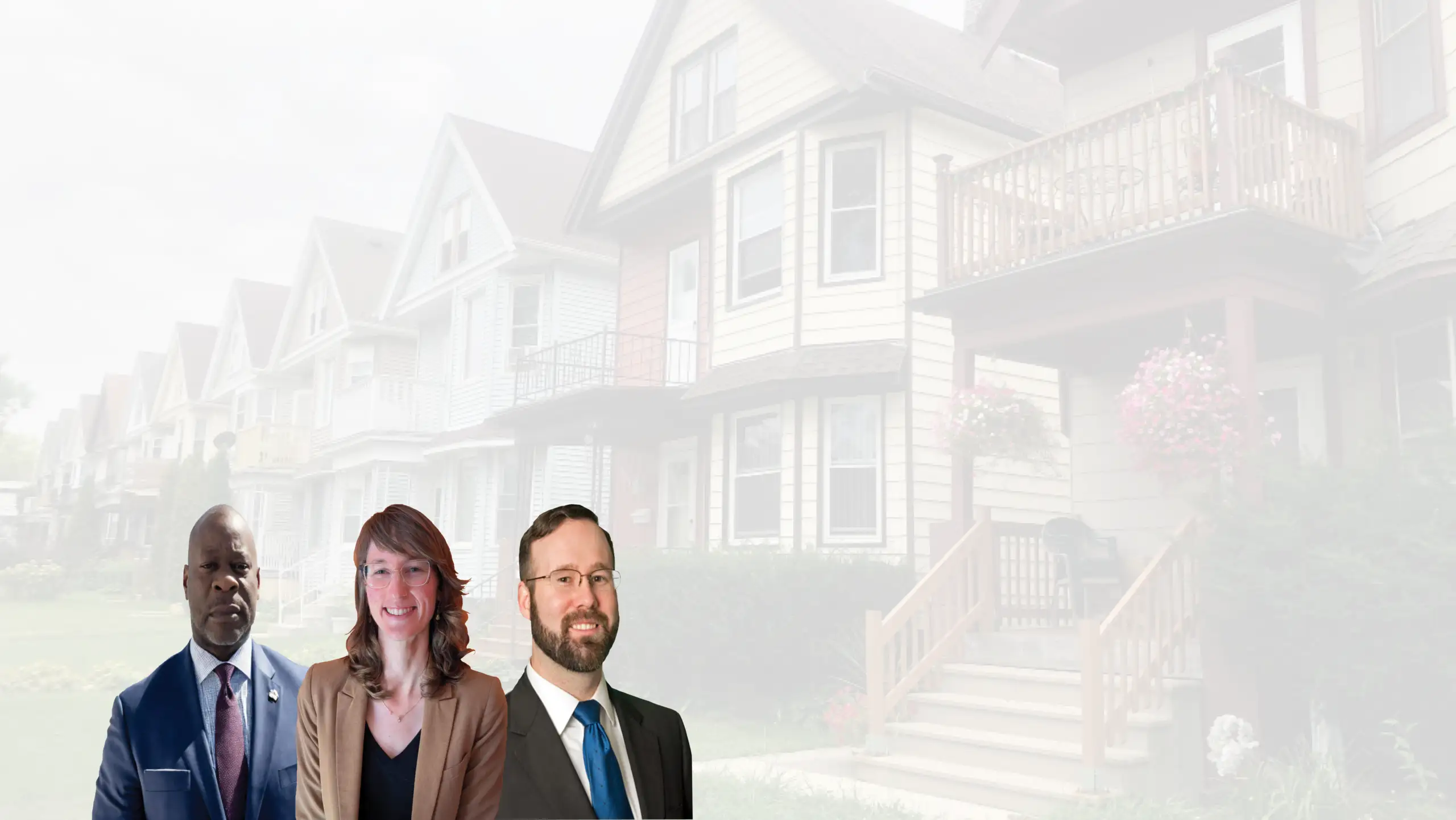
Community land trusts (CLTs) are emerging as one of the most effective tools for creating permanently affordable homeownership while building long-term community wealth. This session provides an overview of the community land trust model, including how nonprofit organizations, municipalities, financial institutions, and for-profit developers can partner to expand affordable housing opportunities.
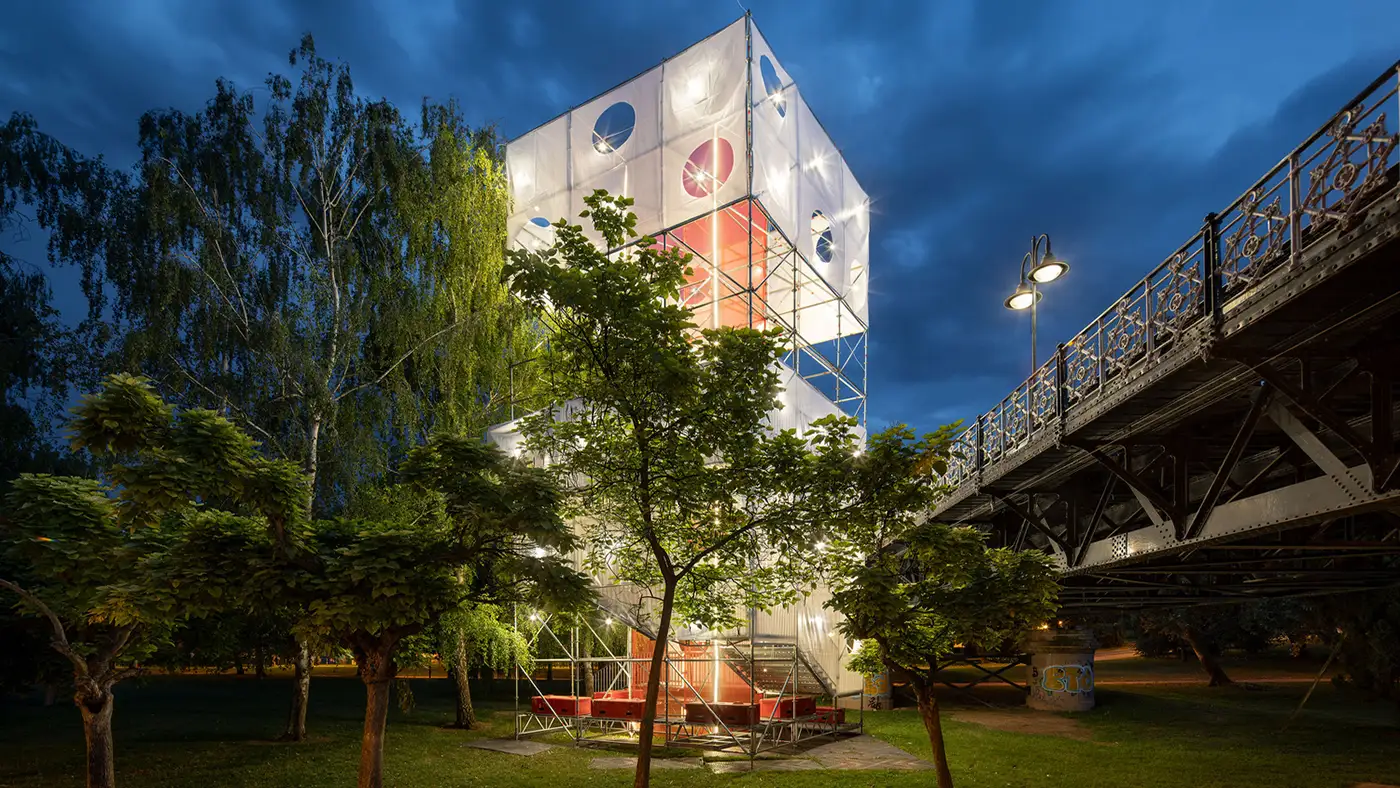
Founded by Ann Lui and Craig Reschke in 2015 and joined by principal Linda Chávez Baca in 2023, Future Firm works across spatial scales with a focus on arts and culture organizations, non-profits, and mission-driven businesses. Future Firm operates on the core belief that architecture and design is a key ingredient in the building of a more equitable and vibrant city, for everyone.

This talk will explore the role of curiosity, experimentation, and temporality through the work of two landscape architecture educators. It will use written, instructed, and built projects to make a case for a research and design practice that is more open to and inclusive of the spatial and temporal dynamics that make landscapes such delightful collaborators.
This exhibition presents an evolving investigation into technotonics: the relationships among architecture, sound, vibration, bodies, technology, and collective life. The project brings together architectural research on underground sonic communities, experimental work with sound and material sensing, and research into ambience, camp, and practice-based, auto-theoretical experiences drawn from my work within Chicago’s gay nightlife and entertainment industry.
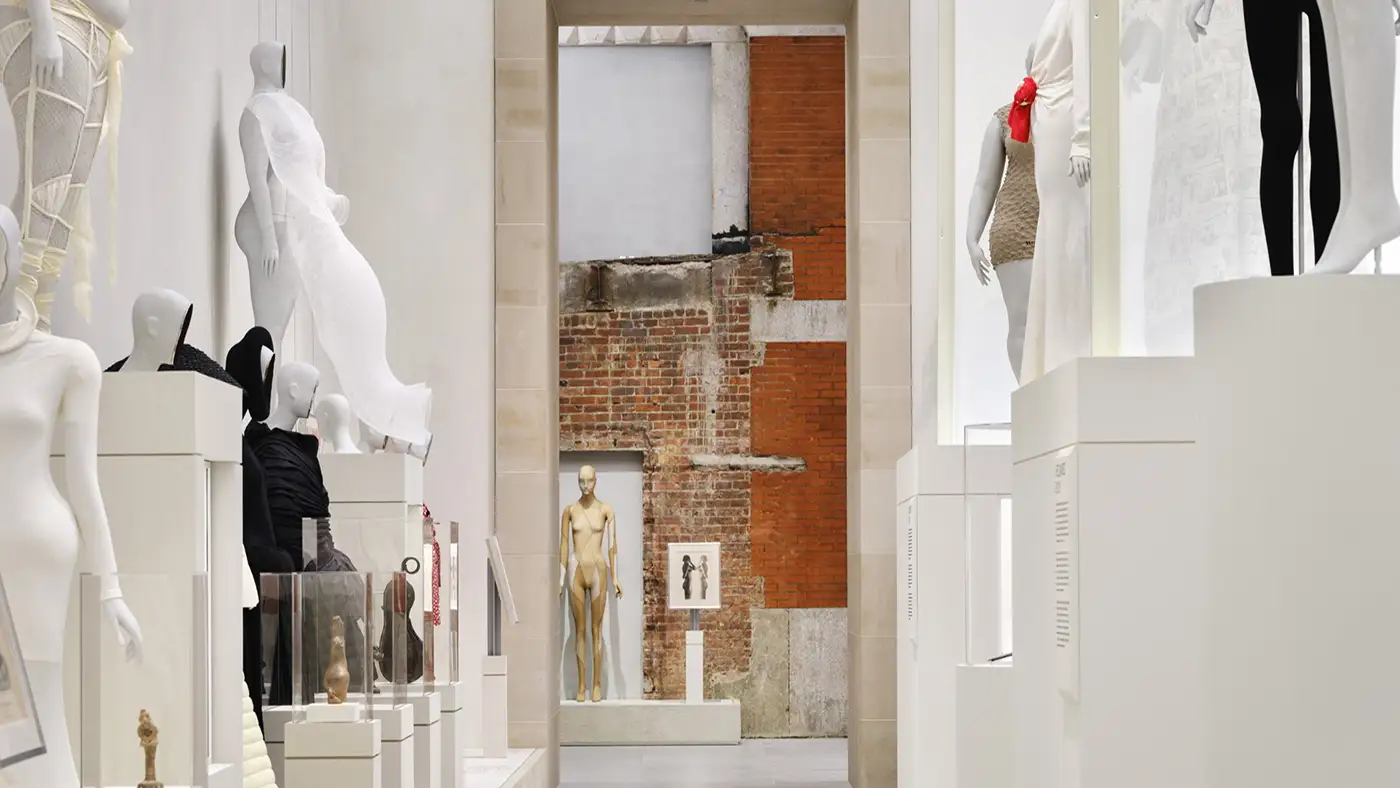
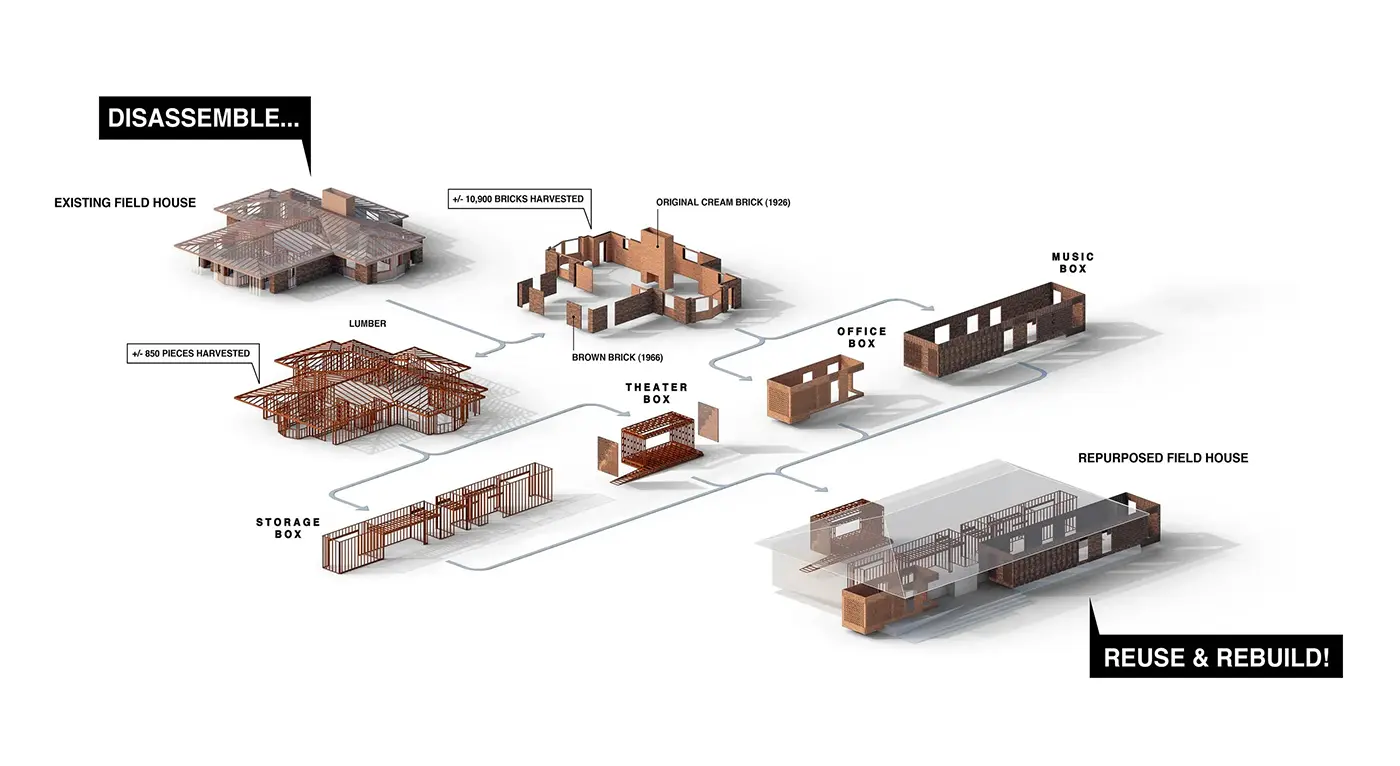
We like to say that buildings tell stories. The goal is always to find a thread between what a building or a site has been and what it can become—adding something new and distinctly contemporary without erasing what came before. In practice, this means new architecture layered within old, and materials reused rather than discarded—finding value in what is already there. The lecture will highlight projects that try giving people a more complex relationship with history: not as something finished and separate, but as something alive that we actively engage with, reinterpret, and continue.

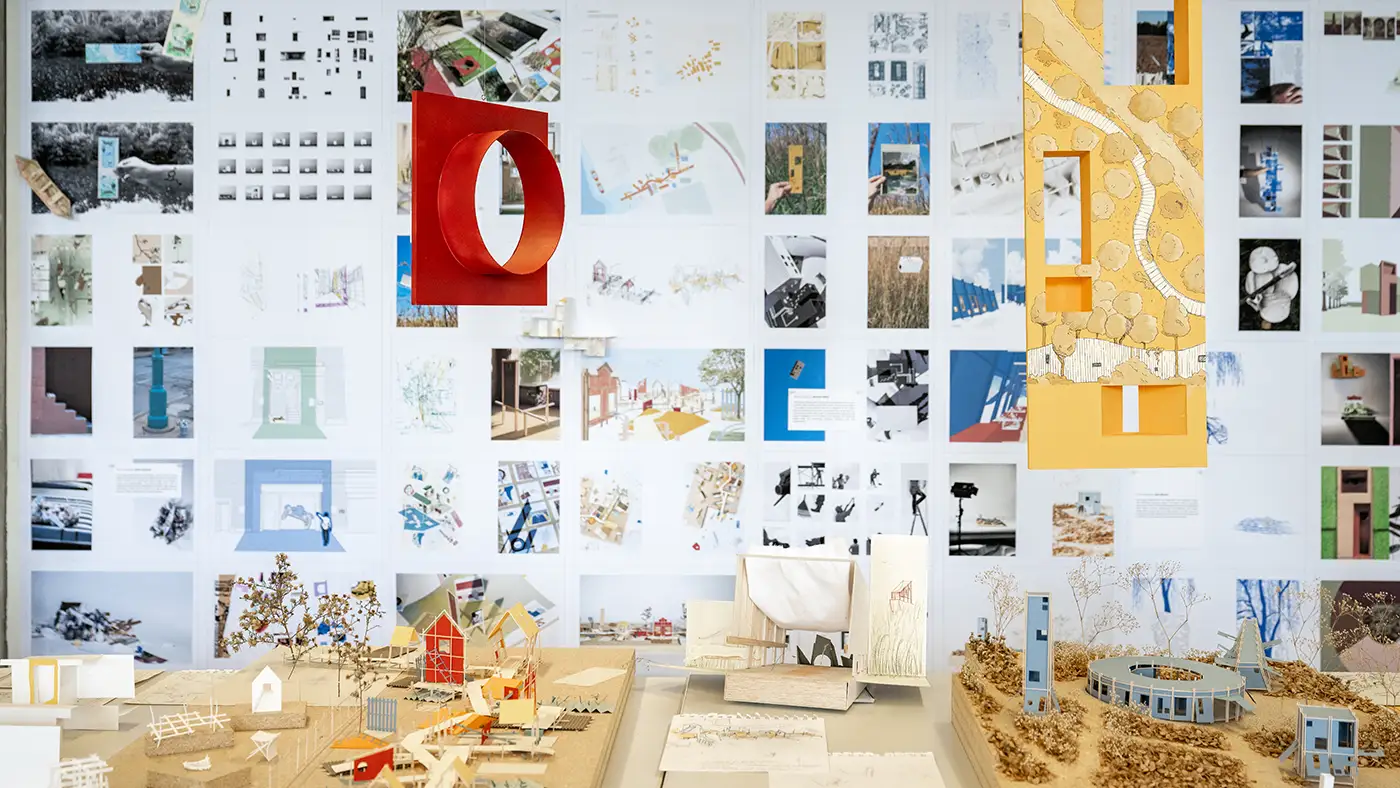
SUPERjury is a day-long review and celebration of the most provocative undergraduate and graduate projects in the school. With projects nominated for consideration by both students and faculty, the goal of SUPERjury is to foster self-reflection and stimulate a conversation about the state of architecture within the school and how our work relates to contemporary issues in practice and the world.