As the U.S. population ages, the number of citizens over 65 is expected to double in the next 30 years. Aging is often linked to high levels of sedentary behavior, reduced physical activity, and increased frailty, disability, and healthcare costs. Research indicates that older adults spend approximately 8.5 hours a day in sedentary activities, with only 1 in 5 meeting recommended levels of physical activity.
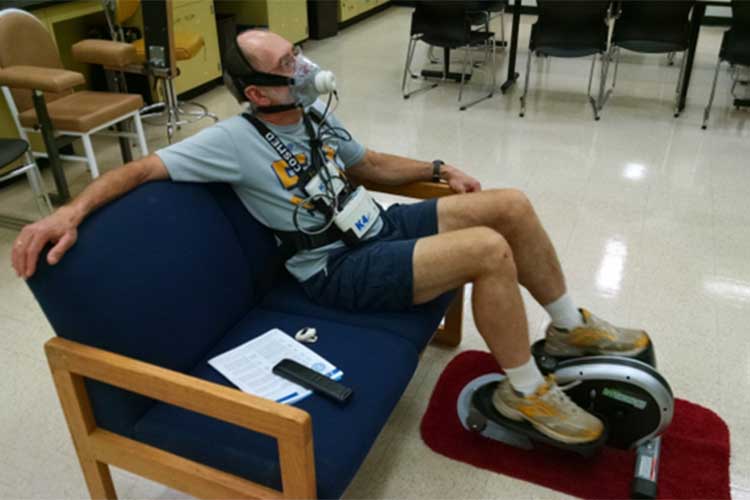
To address this, a new study funded by the Zilber Family Foundation, will test a novel intervention called Active Sitting, which is designed to reduce sedentary behavior and increase physical activity in low-functioning adults. Unlike traditional time-based approaches, Active Sitting incorporates environmental changes and individualized strategies, offering a more personalized and effective solution to breaking up prolonged sitting.
This 12-week, randomized controlled trial is comparing the Active Sitting intervention to a standard of care approach in low-functioning adults. Using wearable sensors and physical function assessments, the study will measure the impact on sedentary behavior, physical activity, and physical function. The goal is to determine whether environmental cues that promote movement, without conflicting with other daily tasks, can lead to greater improvements in physical activity and function.
Zilber College faculty Ann Swartz, PhD; Scott Strath, PhD; and Christy Greenleaf, PhD are partnering with Harwood Place, an Independent Living facility, to begin data collection. The study will expand to other independent living facilities to continue collecting data.
The results of the study will provide valuable insights into the role of environmental changes alongside behavioral interventions for reducing sedentary behavior and enhancing physical health in elderly populations. If successful, this scalable intervention could benefit a wide range of individuals, improving overall health and functionality in older adults.