From Wisconsin’s brewing past to postwar Europe and even the world of science fiction, UWM faculty and affiliates are producing work that brings new perspectives to familiar stories. Their latest publications highlight the depth, creativity and impact of the university’s academic community.
Beer Ghosts: In Search of Lost Hops and the Women Who Grew Them
by Jennifer A. Jordan, affiliate professor of history
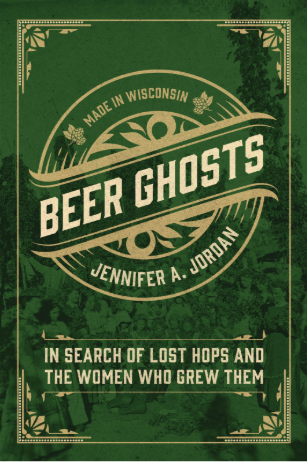
Jennifer A. Jordan brings to light a largely forgotten chapter of American brewing history. Set in nineteenth-century Wisconsin, Beer Ghosts explores the critical role women and girls played in harvesting hops, an essential ingredient in beer production. At the height of the 1860s hop boom, tens of thousands of seasonal laborers traveled to farms across the state, creating a vibrant yet temporary community centered on agricultural labor.
Through rich archival research, including agricultural records and the diary of a young hop picker named Ella, Jordan reconstructs this fleeting industry and the lives behind it. The book not only deepens our understanding of beer history but also restores visibility to the women whose labor made the industry possible.
The Postwar Antisemite: Culture and Complicity after the Holocaust
by Lisa Silverman, professor of history
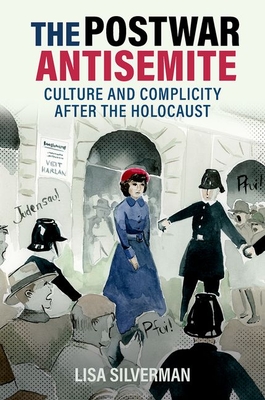
Lisa Silverman’s work examines how societies grappled with the aftermath of the Holocaust. Rather than confronting widespread complicity, many in postwar Austria and Germany turned to a symbolic figure—the “Antisemite”—as a way to externalize guilt and reshape national identity.
Drawing on trials, films, literature, and cultural narratives, Silverman argues that this figure became a convenient tool that allowed societies to distance themselves from responsibility while avoiding deeper reflection on persistent antisemitism. The book offers a critical lens on memory, denial and the complexities of moral reckoning in the postwar era.
I’d Just as Soon Kiss a Wookiee: Uncovering Racialized Desire in the Star Wars Galaxy
by Greg Carter, associate professor of history

Greg Carter turns to the Star Wars universe to explore how science fiction reflects real-world ideas about race and gender. While set in a distant galaxy, Carter argues that the franchise mirrors American social structures, particularly in its portrayals of hierarchy, servitude and racial boundaries.
By analyzing both the films and their fandoms, Carter uncovers how themes like racialized labor, restrictions on interracial relationships, and assumptions of dominance are embedded in the narrative. The book also considers how audience interpretations have evolved over time, revealing the complexities of race and representation within popular culture.
Village, Town, City, Suburb: Commemorating Glendale at 75
by Amanda Seligman, professor of history; Kimberly Hernandez, senior teaching faculty; Martha Bergland; and Nancy A. Herrick

This collaborative work celebrates the rich and layered history of Glendale, Wisconsin, marking the city’s 75th anniversary. The book traces Glendale’s transformation, from ancient Indigenous settlements and agricultural land to a modern suburban community.
Blending historical research with community voices, the authors explore how Glendale has evolved socially, economically and culturally. Featuring photographs, maps, and personal perspectives from local leaders, the book captures the essence of the city’s past while offering insight into its present and future. The Milwaukee River, a constant presence throughout Glendale’s history, serves as a unifying thread in the narrative.