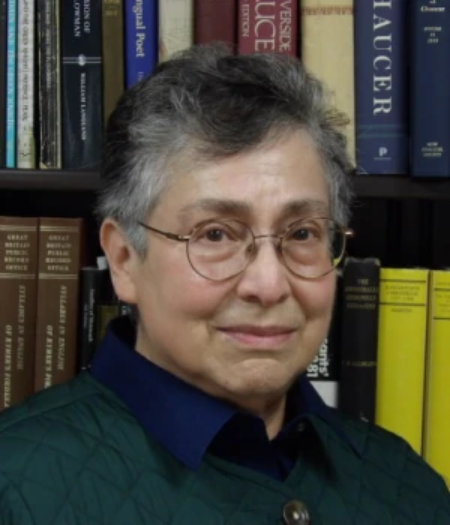
Martha Carlin is a Distinguished Professor in the Department of History at the University of Wisconsin-Milwaukee, where she has been a faculty member since 1990. Over more than three decades at UWM, she has become a deeply respected historian and a consistent, welcoming presence in the department. She was named Distinguished Professor in 2023, recognizing a long career shaped by curiosity, care and dedication to both students and colleagues.
Her work focuses on medieval England, especially the lives of everyday people. Instead of only studying kings or major political events, she has spent her career looking closely at how ordinary life worked-what people ate, how homes were organized, how towns functioned and how daily routines shaped the wider world. She is especially skilled at working with old historical sources written in languages like Latin, Anglo-Norman and Middle English, which allows her to uncover details about medieval life that are often overlooked.
What stands out about her work is how she brings the past to life through these small, human details. Her writing shows how something as simple as food, housing, or household routines can reveal much larger stories about society and change over time. She has also made important discoveries while working in archives, including previously unknown documents connected to William Shakespeare and research that sheds light on early merchant communities in London. Her work on Shakespeare and the Tabard Inn even reached audiences beyond history specialists, showing how closely literature and everyday life can be connected.
Beyond her individual research, she has played an important role in collaborative digital projects, including work with the Medieval and Early Modern Data Bank, which supports historical research around the world. Colleagues often see her as someone who not only produces important work herself, but also helps create tools and spaces that allow others to do better research too.
At UWM, Martha has also been a dedicated teacher and mentor. She is known for helping students understand that history is not just distant events, but something rooted in real human lives. In her classes, topics like food, homes, and daily routines become ways to understand much bigger historical patterns. She has supported generations of students, always combining high expectations with genuine care and encouragement.
Within the department, she has also helped build a strong sense of community. She played a key role in creating the History Department Common Room in Holton Hall, which has become a place where faculty and students regularly gather, talk, and work together. Many colleagues remember her as someone who often stopped by, asked thoughtful questions, and helped turn everyday conversations into meaningful intellectual exchange.
She is also warmly remembered for the personal touches she brought to department life-her gardens, which she generously shared with colleagues, and her well-loved deviled eggs that became a highlight of departmental gatherings. These little details reflect something many people in the department feel about her: she has always contributed not just through her work, but through kindness, presence and care for the people around her.
As she retires after a long and meaningful career, Martha Carlin leaves behind a lasting impact. Her work has changed how people understand medieval life, and her presence has shaped the community at UWM in lasting ways. She will be remembered for her insight, her generosity and the many ways she helped others learn, grow and connect.