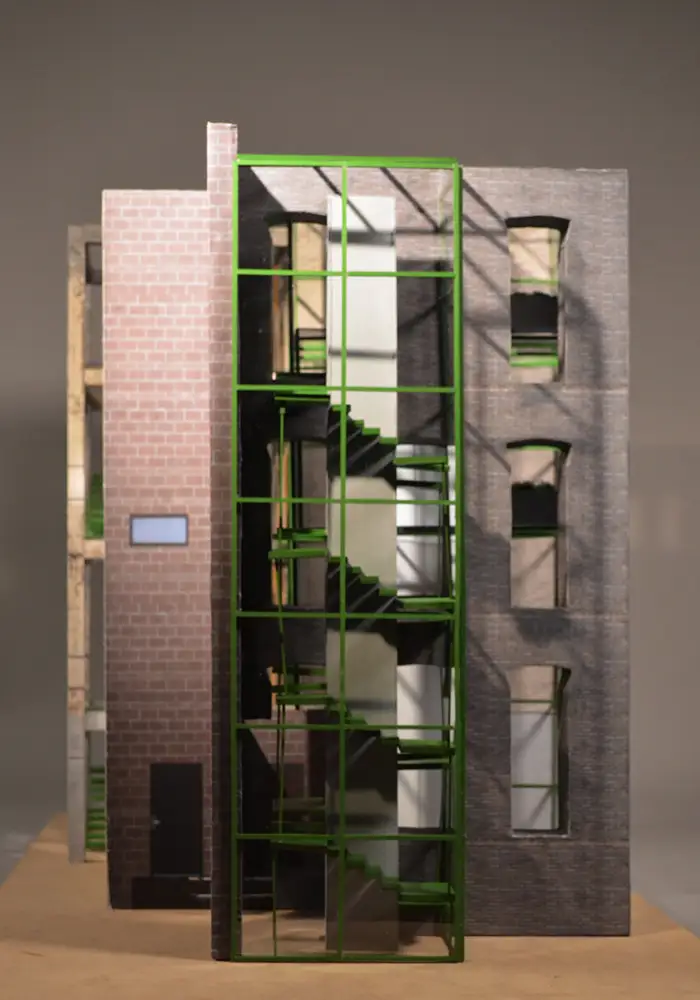
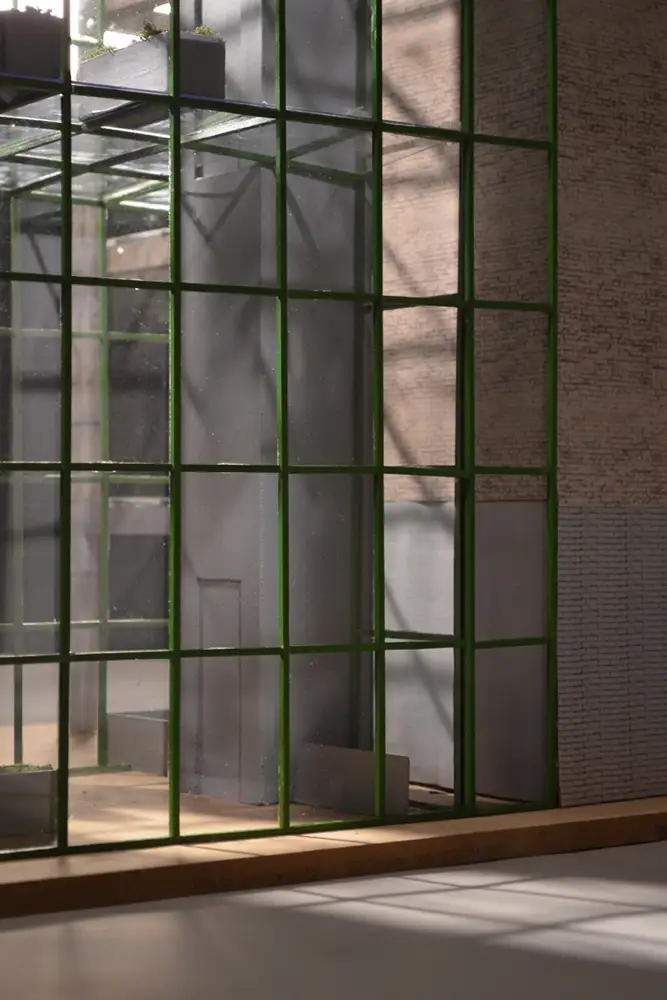
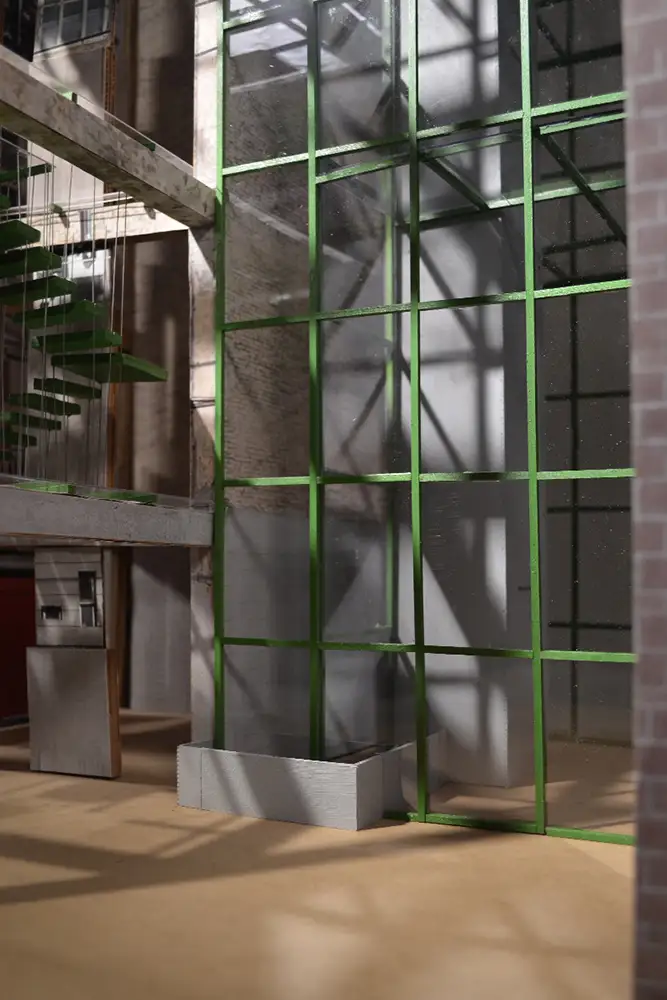
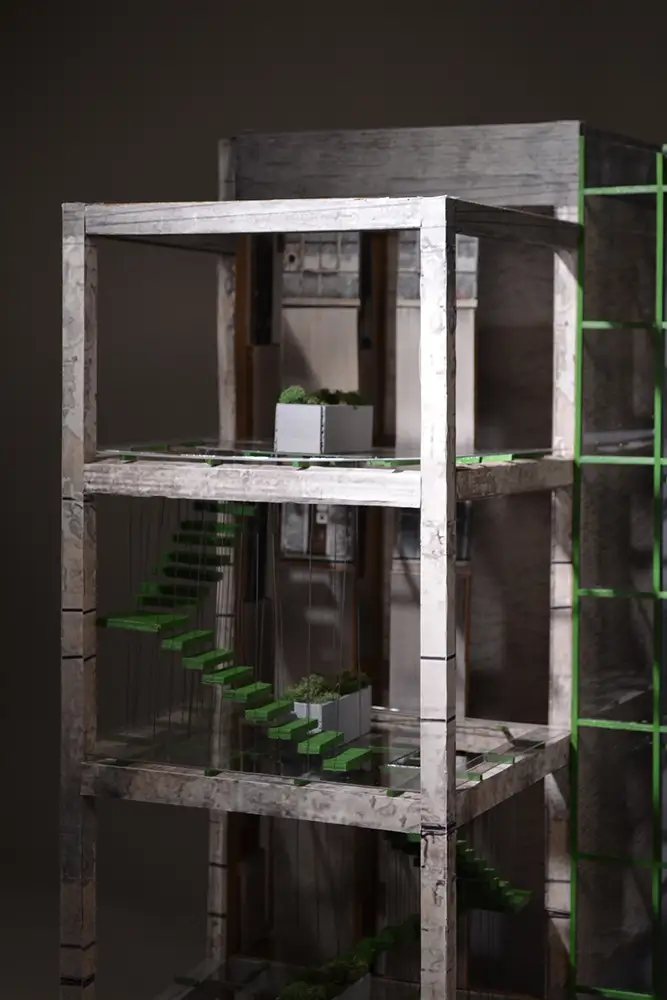
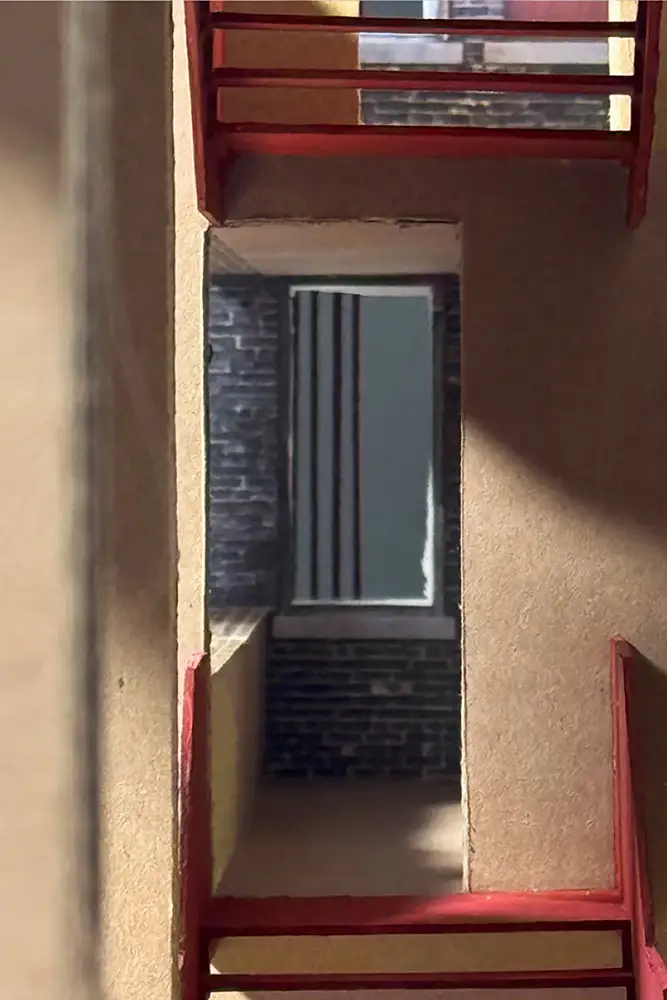
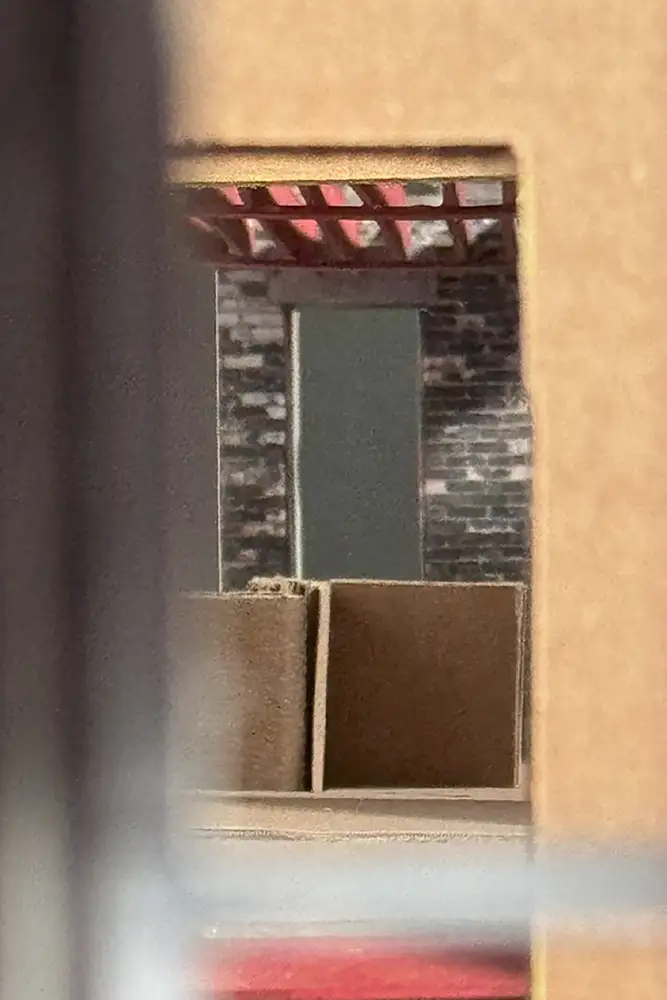
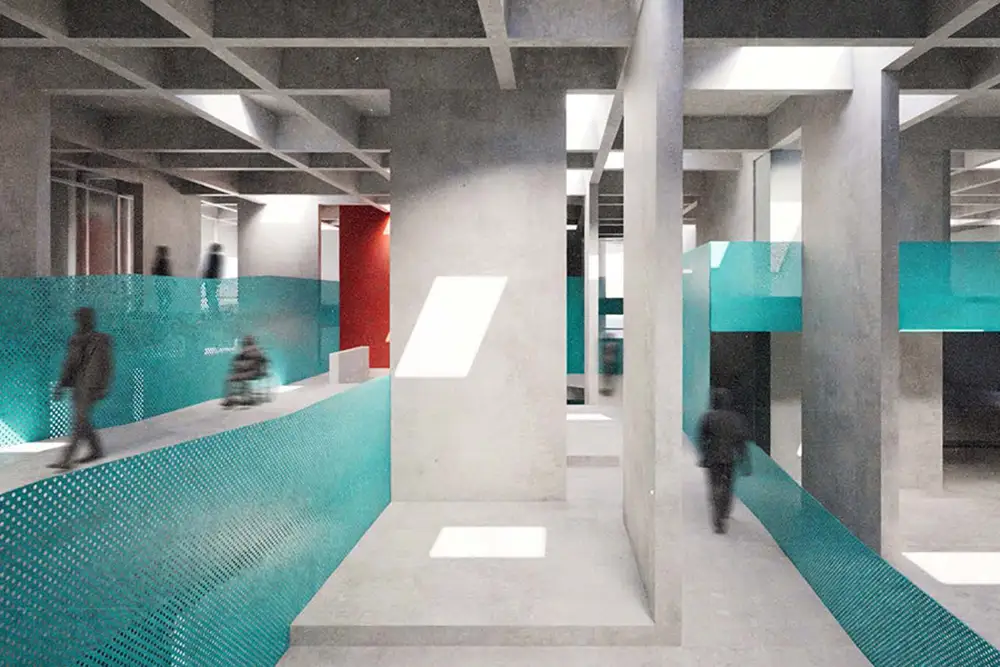
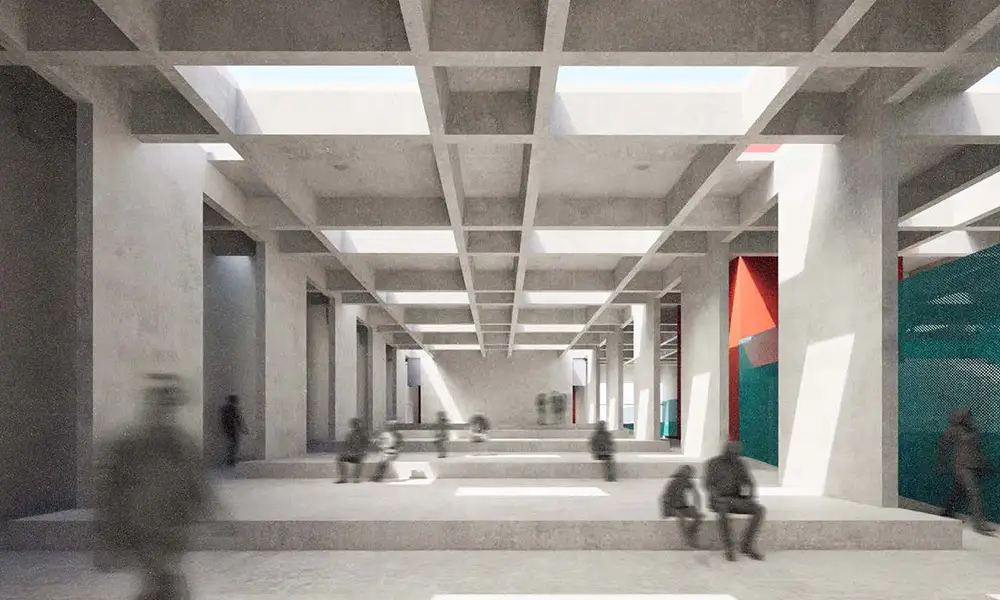
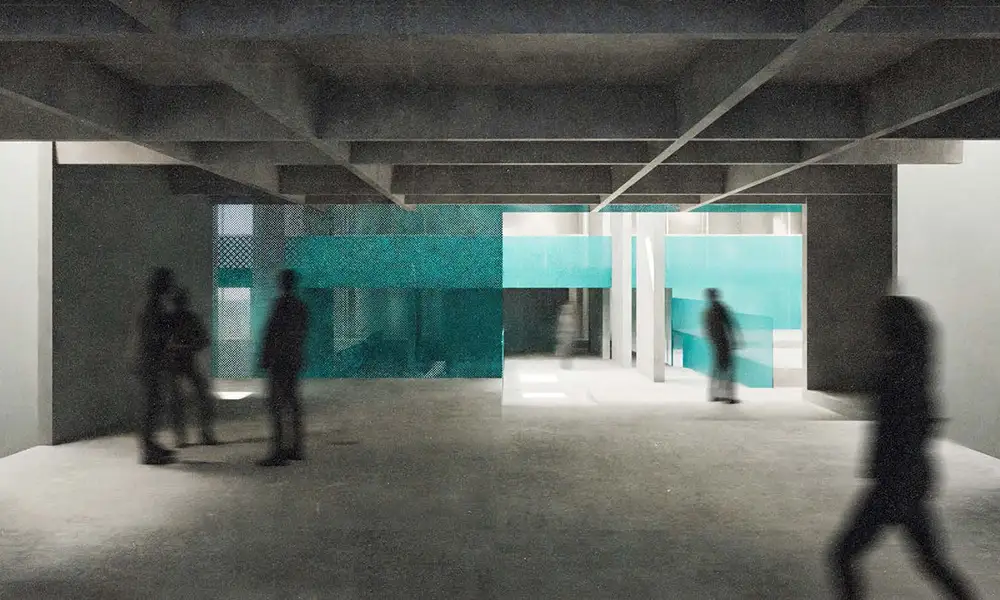
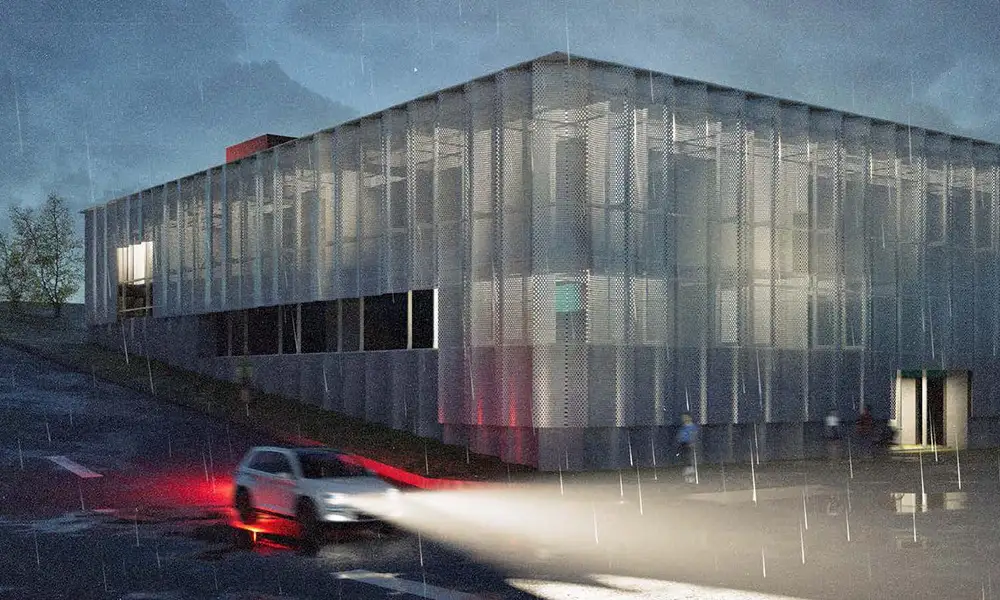
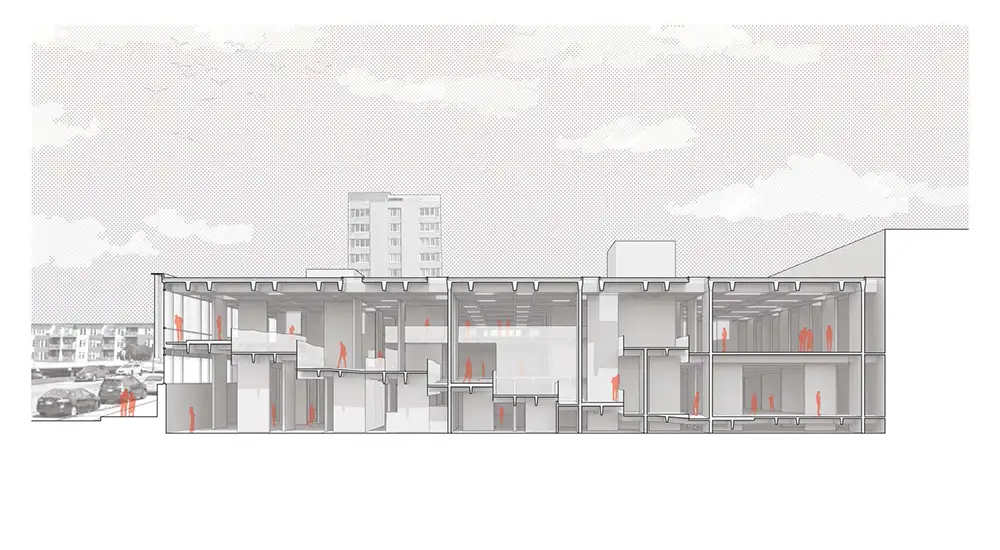
An architecture studio with renderings on the wall and on desks.

Studios are the heart of an architectural education, and studio culture thrives on experimentation and dialogue. You’ll work alongside peers with diverse perspectives and share your ideas through open critique and collaboration. These interactions build more than better designs. They build deep understanding of architecture’s impact on people, places and the planet.

What to Expect in Studios

Studio learning connects conceptual thinking with tangible outcomes. Faculty mentors guide your growth while encouraging you to push boundaries and follow your curiosity.

Core Studios

Core studios build foundational skills in design, drawing, modeling and critical thinking. You’ll progress from spatial understanding to complex architectural problems. Students typically complete core studios in their junior year.

Elective Studios

Elective studios offer advanced, topic-specific investigations ranging from affordable housing to speculative futures. You’ll pursue personal interests while exploring diverse methods, materials and cultural contexts with faculty.

Kaylee Bertrand smiles while resting against a weathered exterior of a building.

My favorite thing about studying at UWM SARUP is the studio culture! Studios are such a fundamental part of architectural education. At SARUP, there’s a strong sense of community among students and a diverse range of faculty and staff who make for an engaging and challenging experience.


Kaylee BertrandArchitecture student

Sponsored Studios

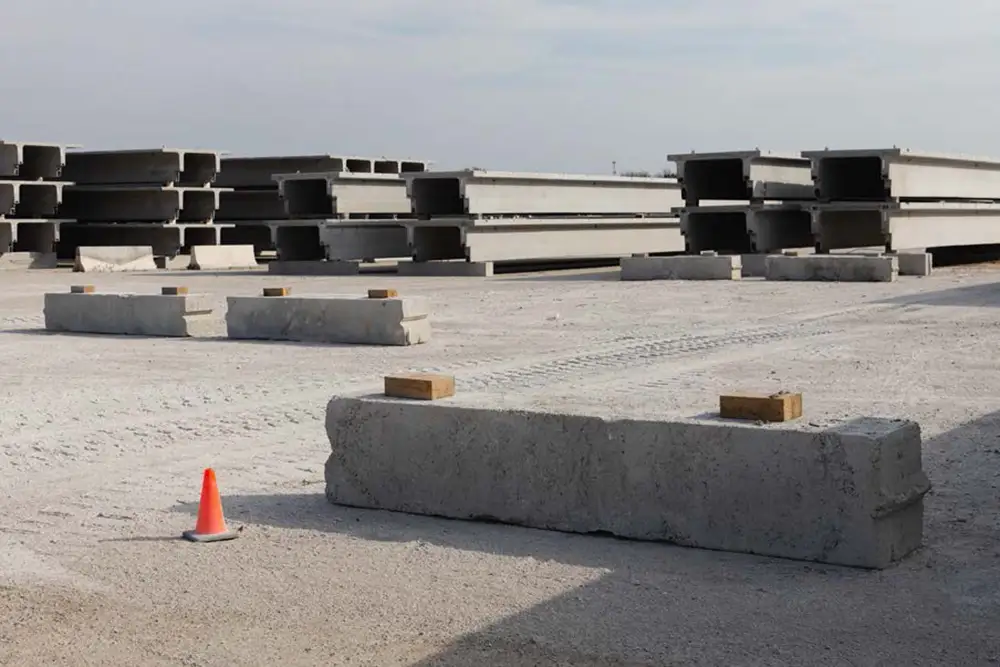
Wells Precast Concrete Studio
Wells and the PCI Foundation
Students explore innovative precast concrete design and construction methods in one of SARUP’s longest-running industry-supported studios.
Living Well Studio
Capri Communities, Direct Supply, and AG Architecture
Students imagine age-integrated communities that promote active living and enable people to pursue purposeful and meaningful lives.
Historic Preservation Studio
David & Julia Uihlein
The Historic Preservation Institute offers students hands-on studios in historic preservation and adaptive reuse.
Learn More
HGA Studio
HGA
Through design problems grounded in real projects, this studio offers students collaborative opportunities and direct insight into the methods and culture of professional practice.
Chipstone Studio
The Chipstone Foundation
Focused on form, composition and material exploration, this studio encourages students to develop their own design language while examining historical and cultural influences.
Docomomo Seminar
Docomomo US
This seminar connects students with preservation experts to explore research methods used in the documentation and conservation of buildings, sites and neighborhoods.
Marcus Prize Studio
Marcus Corporation Foundation
Students work closely with internationally recognized architects on design challenges that explore architecture’s global impact, urban complexity, and cultural relevance.
Learn More
Urban Edge Studio
Wisconsin Preservation Fund
This studio emphasizes bold design thinking for transitional urban areas, encouraging students to propose solutions that address contemporary challenges in evolving cityscapes.
Learn More

Undergraduate Core Studio Themes

Each studio theme introduces a critical lens for design thinking. Students build fluency in systems, aesthetics, context and collaboration through progressive, hands-on investigations.
Scaffolds

Scaffolds are structured frameworks that prioritize systems and order in design education. They shape foundational exercises that introduce core design principles like symmetry, pattern, and material.

Operations

Operations are intentional design actions that are traceable and repeatable. Students engage in aesthetic play and experimentation, translating abstract ideas into physical models and spatial forms.

Scenarios

Scenarios apply operations to specific conditions. Students test ideas through design exercises grounded in real-world complexity, preparing for site-specific thinking and future project contexts.

Thresholds

Thresholds focus on the body in space. Students study architectural boundaries and their social implications, designing with empathy for all physical experiences and human interaction.

Tectonics

Tectonics engages material, assembly and labor. Students explore how construction choices shape architectural form and expression and how those choices impact people and the environment.

Territories

Territories explore land, ecologies and histories. Students address colonization, stewardship and the climate crisis through multi-scalar research that connects regional context with global systems.

Collectives

Collectives confront the housing crisis through design. These studios embrace spatial justice, inclusive policies and community-driven solutions, positioning architecture as a force for social change.

Synthetics

Synthetics integrate prior themes into comprehensive, professional preparation. Students develop design fluency, synthesize ethics and aesthetics and transition from studio culture to architectural practice.

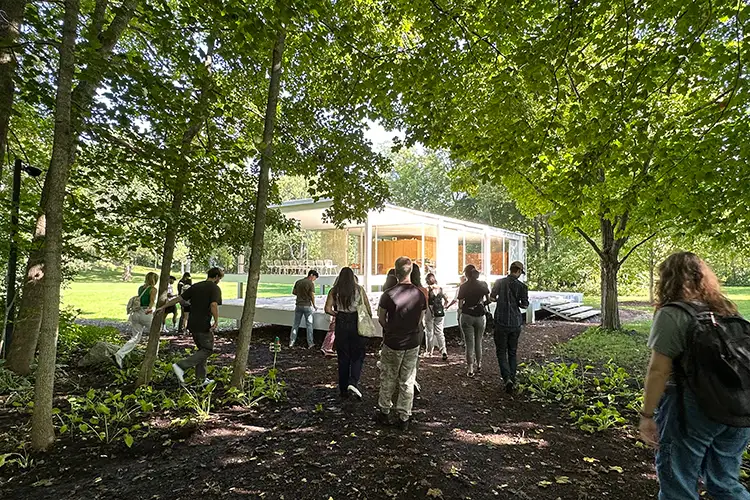
Students walk toward a building surrounded by trees.

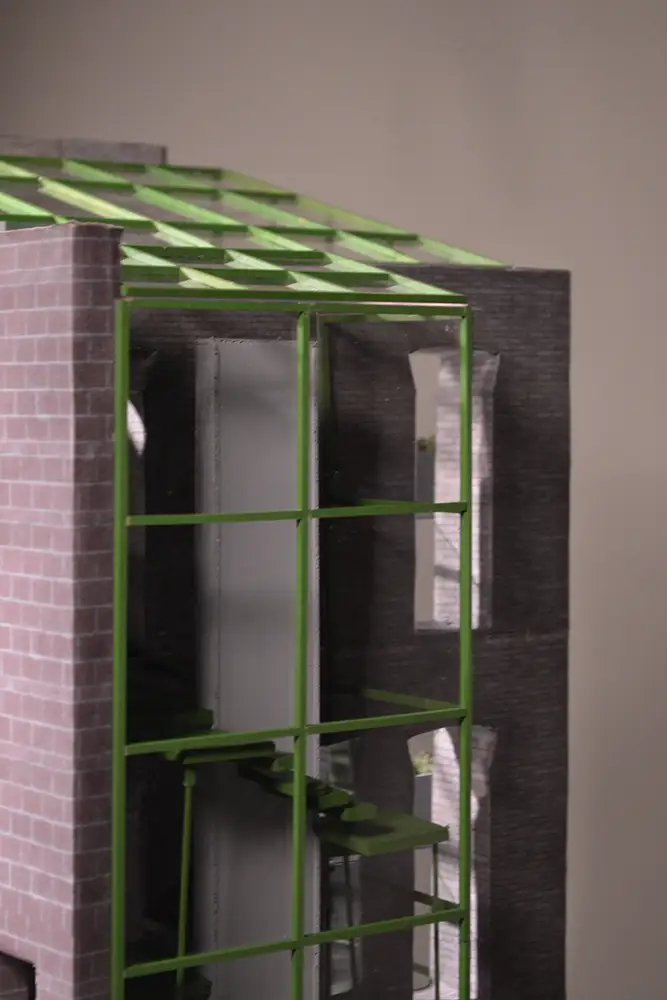
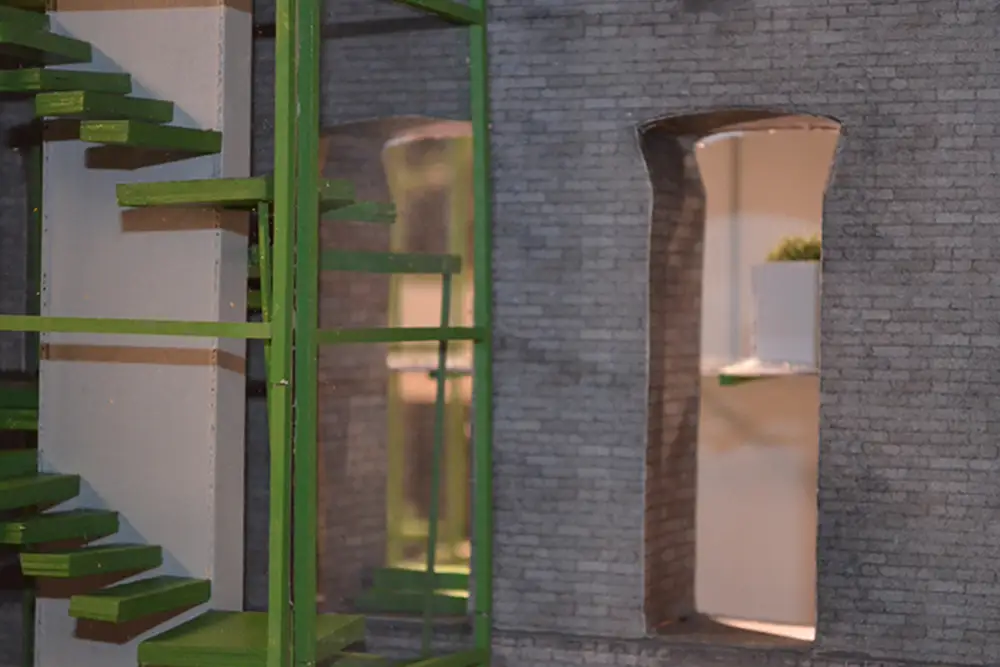
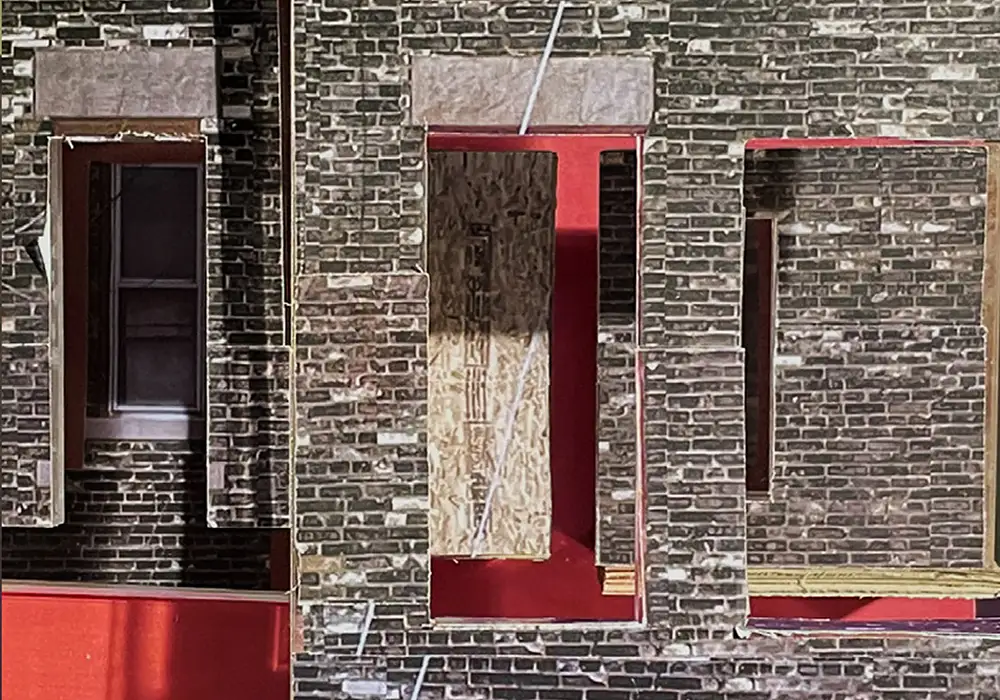
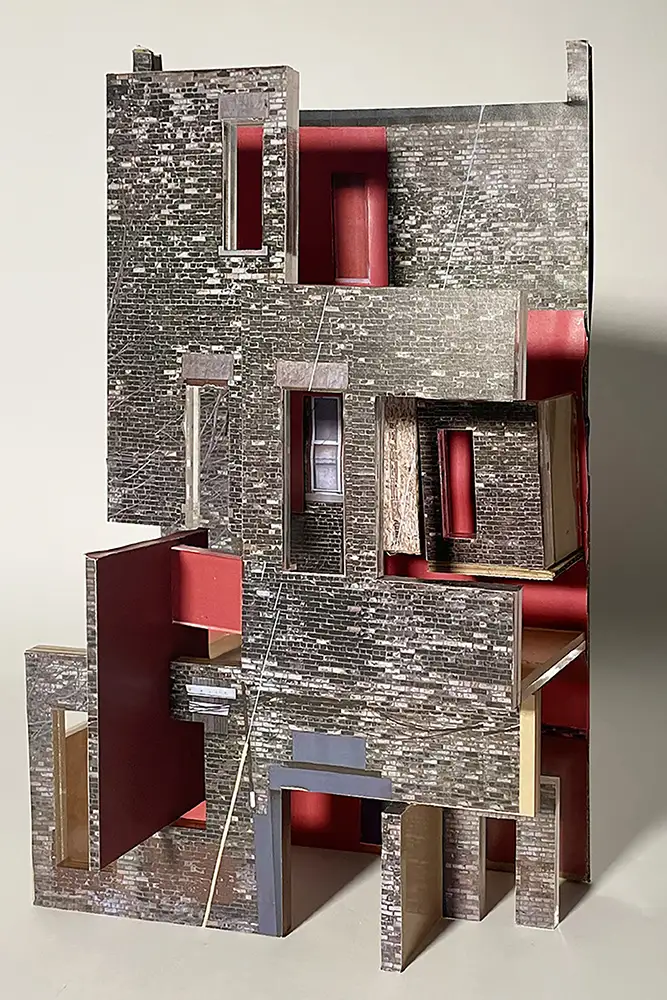
Student Work

Evelyn Gruber and Isabelle Poole

Undergraduate
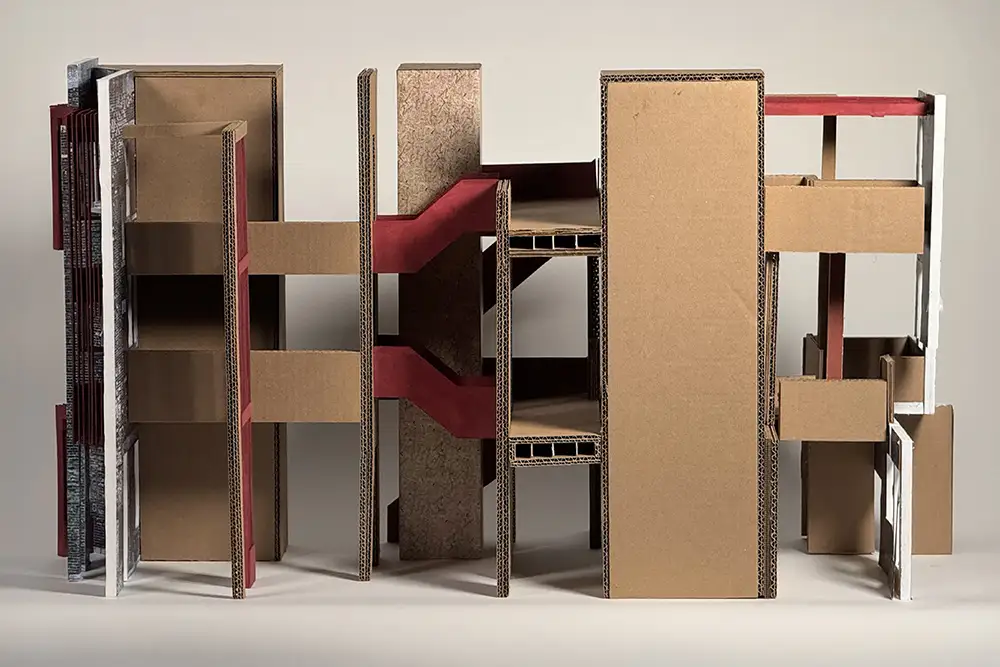
Maya Gonigle Yandell and Noah Schaller

Undergraduate

Spencer Smolen

Undergraduate