Bridging the Housing Gap: Stories from Two Midwest Communities

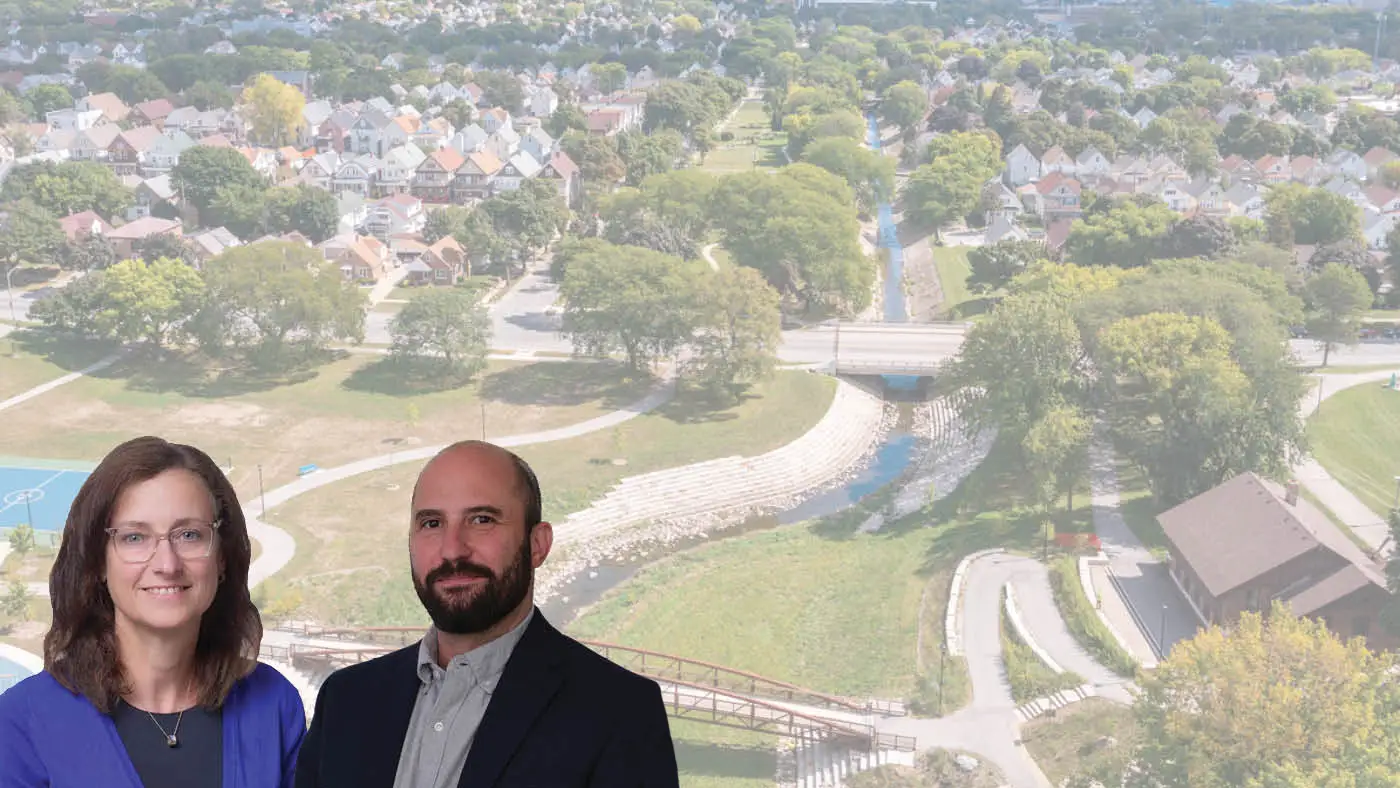
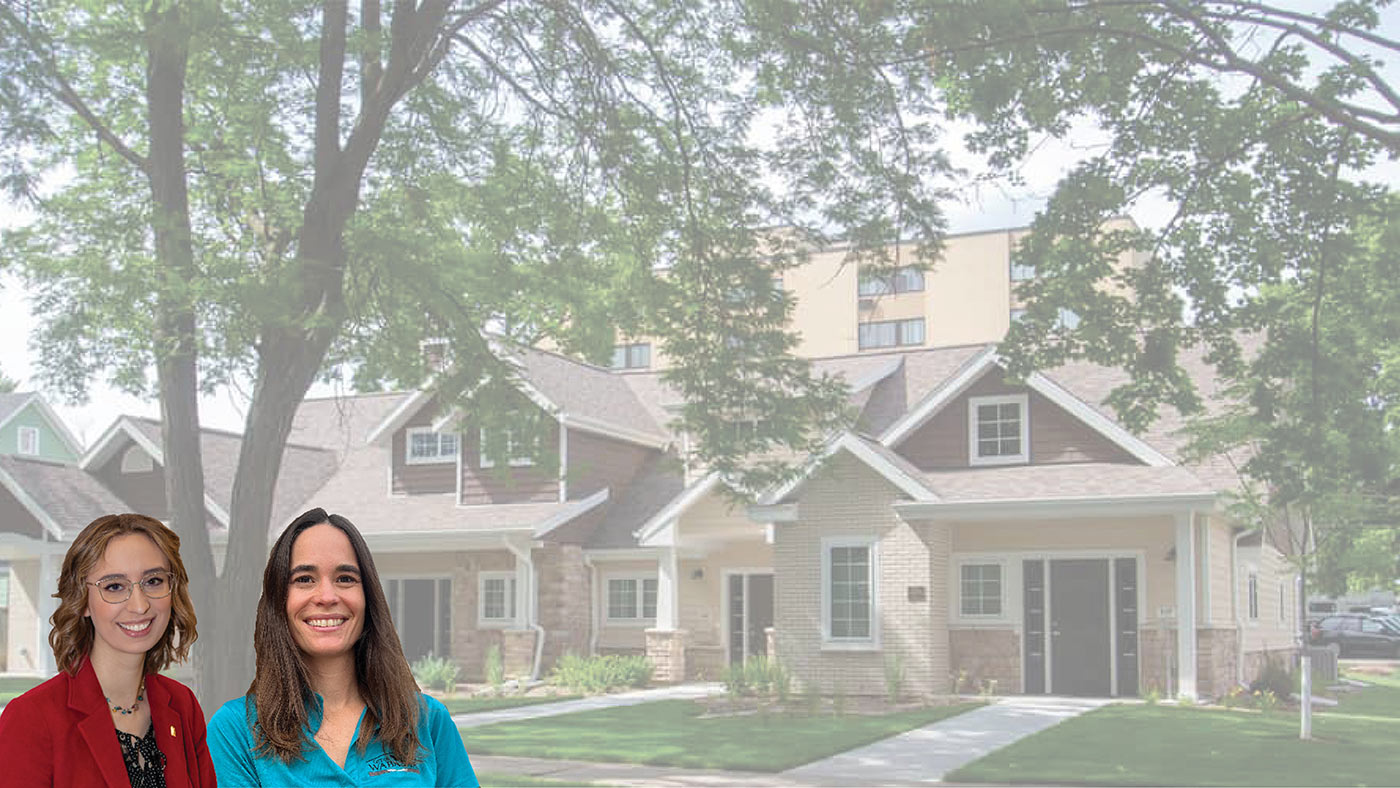
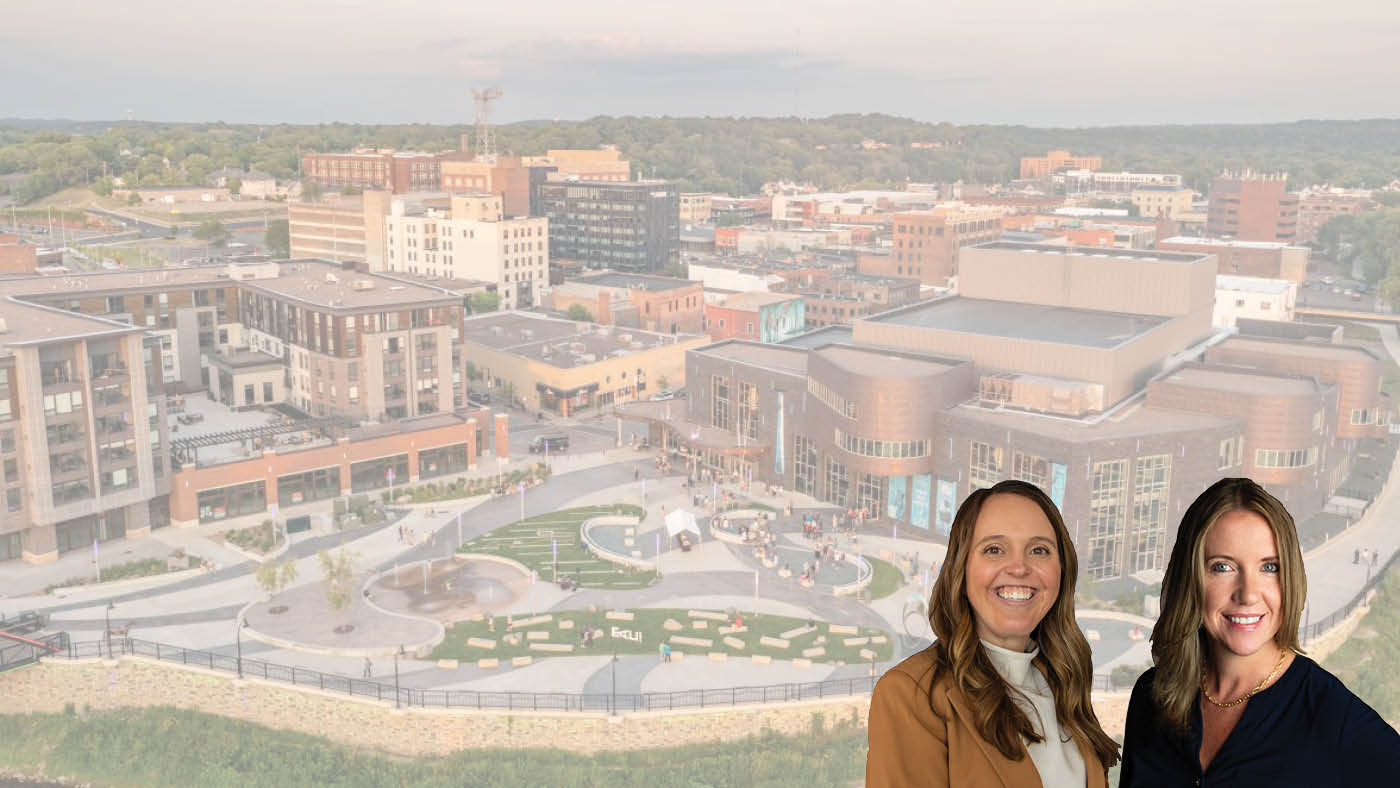
Communities of every size are facing mounting housing shortages—from overall supply constraints to the lack of affordable options. This session explores practical strategies for expanding housing availability through the experiences of a mid-sized Wisconsin city (La Crosse) and a small Minnesota community (Wabasha).

Preparing Communities for Data Center Development

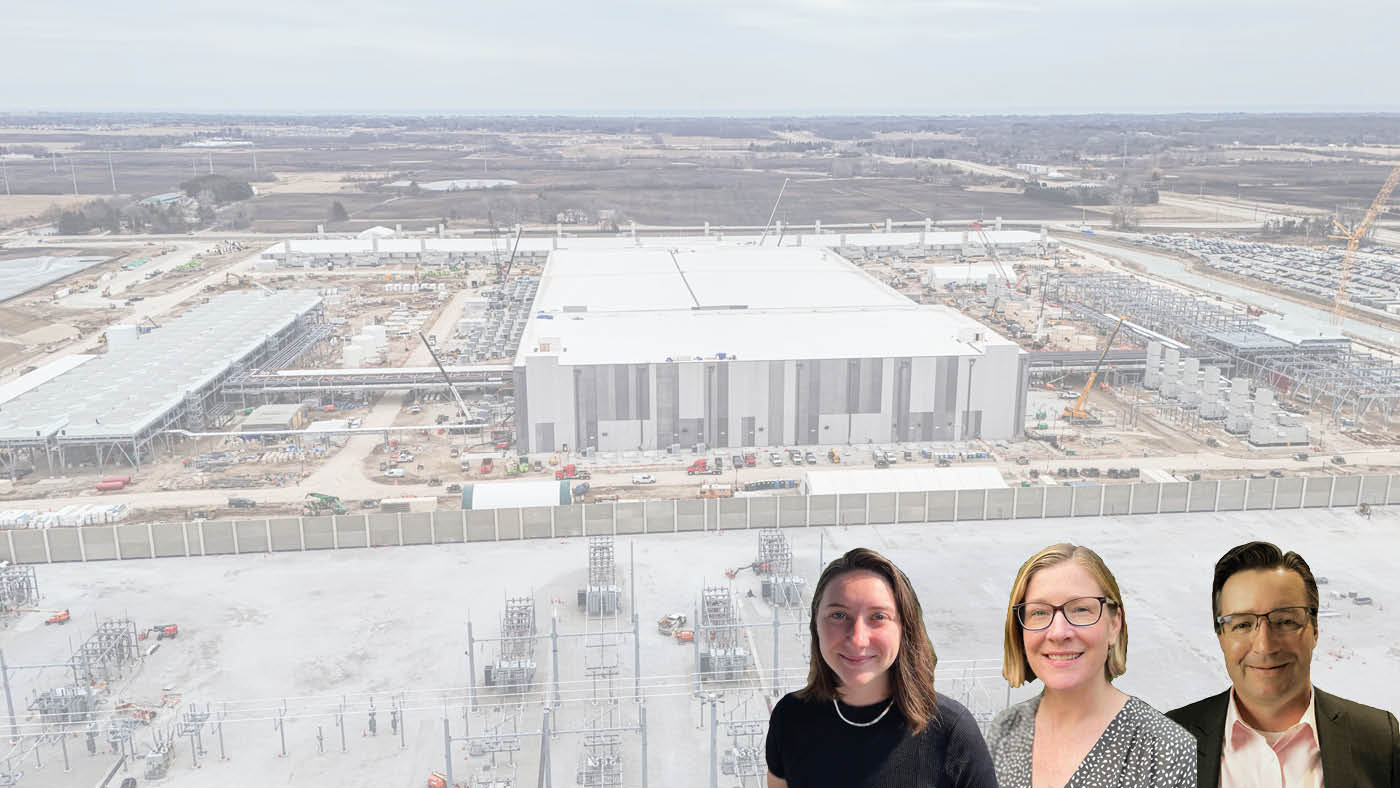
As data center development expands across Wisconsin and the Midwest, communities are increasingly being approached by developers seeking land, electricity, and water. While these projects can bring significant investment, they also raise complex questions related to zoning, infrastructure capacity, public finance, and environmental impacts.

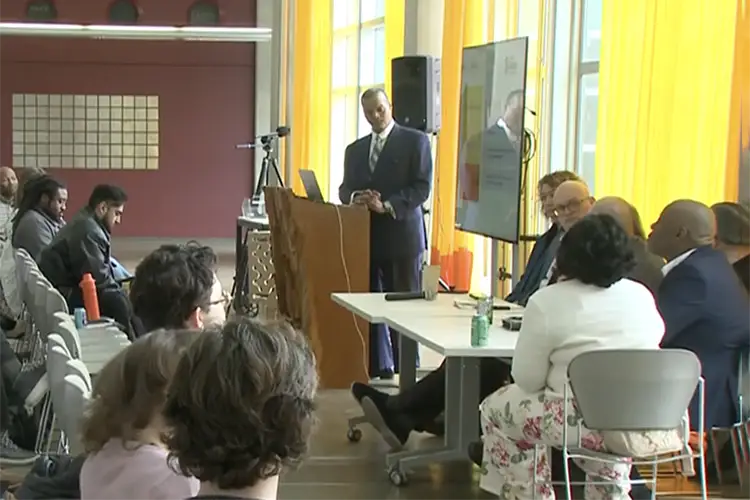
Kirk Harris featured in TMJ4 story on Milwaukee food deserts

Dr. Kirk Harris was featured in a recent report by TMJ4 examining Milwaukee’s food deserts. In the story, Harris explains how historic segregation, zoning decisions, and limited transportation options have shaped inequitable access to fresh, affordable food in many neighborhoods.

Economic Impact of Eco Tourism: Year-round Destinations

An Innovative Cities Lecture Local events play a powerful role in strengthening city economies, generating activity from day trips to overnight stays. This session highlights how two Wisconsin communities attract visitors, host more than 80 events annually, and measure both …

Transit Priority: Improving Public Transit Through Collaboration

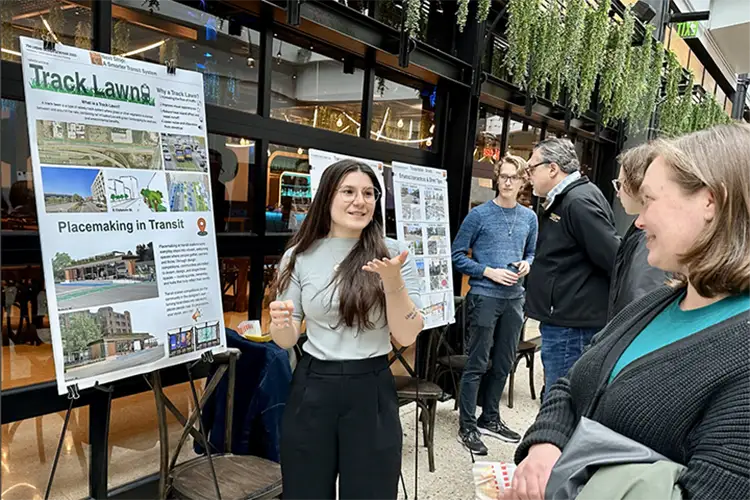
An Innovative Cities Lecture The Milwaukee Priority One Transportation Initiative is a bold, collaborative effort to improve regional mobility, connect workers to jobs, and ensure equitable access to opportunity across Milwaukee. This initiative prioritizes innovative transit solutions—such as on-demand workforce …

Architecture and urban planning student draws up plans to make a difference

Architecture has always been an area of interest for UWM master’s student Dulce Carreno, but in high school, she didn’t consider it a viable option. Instead, after graduating from her Las Vegas high school, Carreno served in the U.S. Air Force for six years. Her military service ultimately charted her course to architecture and urban planning, where she knew she could make a difference through her career.