The Aging Together Peer Support Program offers education about how ageism impacts health, and gives older adults the opportunity to tell their story of aging in a new way within a small, supportive peer group.
If you are interested in completing the Aging Together facilitator training, please first complete the Aging Together Facilitator Inquiry Form. The Aging Together project is generously supported by Bader Philanthropies.
On This Page
Videos
There are four videos explaining how to become an Aging Together Peer Facilitator.
Facilitator criteria:
- Must be 50+ years of age
- Must have some prior background in group facilitation
- Video 1:
- Introduction
- Background Research on Ageism
- Psychosocial Well-Being
- Video 2:
- Manual Overview
- Discussion of Fidelity
- Video 3:
- Orientation
- Sections on Education about Ageism and Health
- Video 4:
- Tell Your Story of Aging
- Responding to Ageism Through Action
- Wrapping Up
Quizzes
- You must receive a score of at least 90% on each of the four quizzes.
- Once you have passed the quizzes, you will receive an invitation to participate in two or three live-coaching role plays.
- When the role plays are complete, you will become a Certified Peer Facilitator of the Aging Together Anti-Ageism Peer Support Program.
Resources
Fidelity Checklist
Please complete the Fidelity Checklist after Session 2, Session 5, Session 8, and Session 10 as a form of ongoing self-assessment. After submitting the checklist, you will receive a copy via email.
Facilitator’s Guidebook
Please contact Dr. Steward at stewarat@uwm.edu for an electronic copy of the facilitator’s guidebook.
Mental Health Resources
Prepared for Aging Together program participants in November 2025.
Call or text 988; Llame al 988 (para ayuda en español).
- The Lifeline provides 24-hour, confidential support to anyone in suicidal crisis or emotional distress. Many centers can provide language access and transfer to specialized resources (hearing impaired services vary by center).
- Learn more about the 988 Lifeline.
Text HOME to 741741; o envía un mensaje de texto con AYUDA al 741741.
- If voice calls are difficult, for deaf and hard-of-hearing users who can text, or for people who prefer texting.
Call 1-800-662-HELP (4357) or TTY 1-800-487-4889
- A confidential, free, 24-hour-a-day, 365-day-a-year information service, in English and Spanish, for individuals and family members facing mental and/or substance use disorders. This service provides referrals to local treatment facilities, support groups, and community-based organizations.
- Visit the online treatment locator or send your zip code via text message: 435748 (HELP4U) to find help near you.
- Learn more about SAMHSA’s online treatment locator.
- Call the NAMI Helpline at 1-800-950-NAMI (6264).
- Text “NAMI” to 62640 for 24/7 confidential, free crisis counseling.
- Learn more about the NAMI Helpline.
NAMI Support Groups
- Peer-led, offering participants an opportunity to share their experiences and gain support from other attendees.
- Los Grupos de Apoyo están disponibles en Español. Por favor comuníquese con su organización NAMI estatal para obtener más información.
- Nonprofit network of therapists who provide in-office or telehealth therapy on a sliding scale (typically low fees).
- Good for longer-term therapy at reduced cost.
- Email: info@openpathcollective.org
- Learn more about Open Path Collective.
Call 988, then press 1. Text 838255.
- The Veterans Crisis Line is a free, confidential resource that connects veterans 24 hours a day, 7 days a week with a trained responder. The service is available to all veterans and those who support them, even if they are not registered with the Department of Veterans Affairs (VA) or enrolled in VA healthcare.
- Learn more about the Veterans Crisis Line.
- Find a local LGBTQ+ center or program near you with CenterLink’s robust database.
- Learn more about CenterLink.
- On-demand mental health wellness app specifically for LGBTQ+ elders and their mental health needs.
- Read more about resources for older LGBTQ+ people and those who care for them
- Learn more about Sage x HearMe
Call 877-565-8860
- This resource connects transgender, non-binary, and gender-expansive folks to community and resources.
- Learn more about Trans Lifeline.
Find your local AAA by visiting the Eldercare Locator website or calling 1-800-677-1116.
- AAAs coordinate and offer services that help older adults remain in their homes, if that is their preference, aided by services such as home-delivered meals, homemaker assistance, and whatever else it may take to make independent living a viable option. By making a range of supports available, AAAs make it possible for older individuals to choose the services and living arrangements that suit them best.
800-272-3900
- Dial 711 to connect with a telecommunications relay service (TRS) for people who are deaf, hard of hearing or speech impaired.
- The Alzheimer’s Association 24/7 Helpline is a free service offering support for people living with dementia, caregivers, families and the public. Connect with a live person who can provide information, local resources, crisis assistance, and emotional support.
- Anyone can contact the Helpline, day or night.
- Contact us any time, any day of the year. Help is available in your preferred language through our bilingual staff or interpreter service, which accommodates more than 200 languages. All conversations are confidential.
Contact
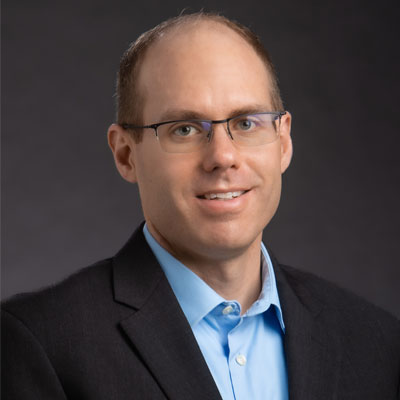
Dr. Andrew Steward is an assistant professor of social work at the University of Wisconsin-Milwaukee Helen Bader School of Social Welfare.
Dr. Steward’s research explores gaps in understanding and responding to ageism through two primary aims: 1) to test programs and interventions to reduce internalized ageism and enhance psychosocial health for older adults, and 2) to explore the intersectionality of ageism with other social justice issues.
Currently, Dr. Steward is partnering with several community organizations to evaluate a 10-session anti-ageism peer support program for adults 50+ years of age called Aging Together. This group program, facilitated by trained older adults, aims to reduce internalized & relational ageism and enhance psychosocial well-being among older adults.