CSI 48-Hour AI-Ready Data Hackathon
Build a portfolio project that gets you interviews.
Date: December 5-7th, 2025
Register Here !!!!
Overview
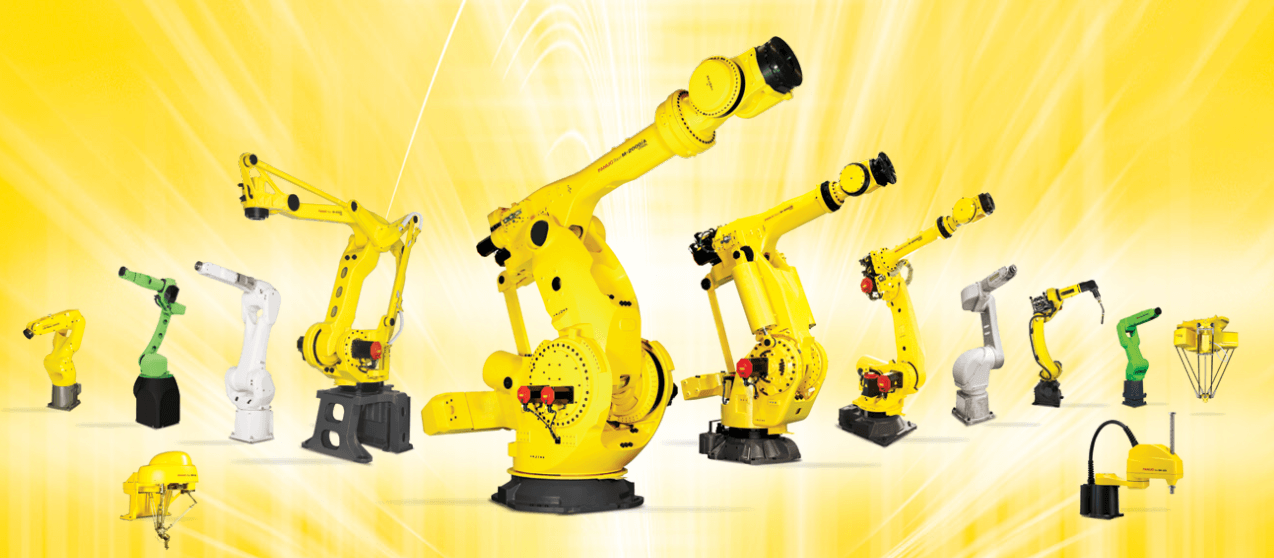
A collision has occurred inside our new FANUC ER-4iA robot cell, and production has come to a complete stop. Operations cannot resume until someone can sort through the scattered system alerts, inconsistent error logs, incomplete timestamps, and irregular sensor readings to figure out what happened. Your team has been called in to investigate the incident, reconstruct the event, and help bring the robot safely back into service.
To solve this problem, you will work with real unstructured manufacturing data, build a clear and organized dataset, and design a data architecture that an AI system can easily understand. By the end of the challenge, you will have created the type of data foundation that modern manufacturing teams rely on to diagnose problems, reduce downtime, and restore equipment quickly.
This hackathon is designed for accessibility. You do not need prior experience with robotics or industrial systems. Your success depends on your ability to clean, organize, reason through data, and communicate your design clearly.
Logistics
- Date: December 5-7
- Time: Friday at 5:00pm to Sunday at 2:00pm
- Location: CSI (East wing of Golda Meier Library)
- Prize Pool: $5000 total (teams can win awards in multiple categories)
What You Will Receive
You will work with a real data package from a FANUC ER-4iA robot that includes:
• Error logs with inconsistent formatting and missing timestamps
• System alerts with mixed severity and unclear categorization
• Sensor readings containing gaps or irregular sampling
• Short free-text maintenance notes
• Scattered performance metrics without standard labels
This data reflects the type of messy information that maintenance and data teams must interpret in real manufacturing environments.
What You Must Deliver (Base Challenge)
You will complete two required components: Data Structuring Pipeline and Architecture Documentation.
- Data Structuring Pipeline
Your goal is to transform at least 400 records of messy data into a clean, consistent, AI-ready dataset. To do this, your pipeline should complete three tasks: - Clean the data
Address missing timestamps, inconsistent naming, irregular units, incomplete fields, and records that require normalization or standardization. - Align the data
Bring together error logs, alerts, sensor readings, and notes into a coherent timeline that clarifies what happened and when it happened. - Structure the data
Produce a final dataset in JSON, CSV, or a database table with required fields such as:
Record ID
Standardized timestamp
Collision event classification
Relevant sensor values
Severity assessment
Status (inspected, under repair, resolved)
Short Example
Raw inputs:
“SRVO-324 Collision detected”, “Torque limit reached”, “Time: 09:17”, missing vibration values
Structured output example:
{
“record_id”: “R0042”,
“timestamp”: “2025-11-17T09:17:48Z”,
“event_type”: “collision”,
“force_spike”: true,
“vibration_level”: null,
“severity”: “high”,
“status”: “uninspected”
}
- Architecture Documentation
Your documentation must include:
• A simple diagram showing how data flows from raw input to structured output
• A 500 to 800 word explanation covering:
Why you chose your schema
How you cleaned, transformed, and aligned the data
How your structure supports AI use
Any tradeoffs or assumptions you made along the way
How You Might Approach the Base Challenge
There is no single correct method for completing the challenge. Each team may take a different path depending on skills, tools, and creativity. The outline below is one example of a workable approach that many teams find helpful.
- Explore the raw data and identify the main problems to fix.
- Sketch your schema early to define what each record should ultimately contain.
- Decide your cleaning rules for timestamps, naming, units, and missing fields.
- Combine the logs, alerts, and sensor data to construct a unified event timeline.
- Generate your final structured dataset in the output format of your choice.
- Create a diagram that shows how your data flows through your process.
- Write your 500 to 800 word explanation and summarize the rationale behind your design.
These steps are meant to guide new participants but are not required. You can modify, reorder, or replace them with your own process.
How to Earn Bonus Points
Once you complete the base requirements, you can pursue an advanced extension for additional points. This bonus component asks you to build an AI maintenance agent that uses your structured data to generate a technician-ready repair guide for the scenario titled Unexpected Collision with Workstation Fixture.
The agent should produce:
- A clear assessment of what happened during the collision
- A set of at least five inspection steps
- A checklist for assessing potential damage
- Recommended tools or replacement components
- Safety guidance including lockout and tagout
- A testing procedure to confirm the robot is ready for production
Teams that complete this component demonstrate how structured data supports real diagnostic decision-making in manufacturing environments.
Hackathon Prize Pool:
| Category* | 1st | 2nd | 3rd | Total |
| Best of Show | $1,000 | $1,000 | ||
| Best Technical Solution | $700 | $500 | $250 | $1450 |
| Best Presentation | $700 | $500 | $250 | $1450 |
| Best Newcomer** | $500 | $200 | $100 | $800 |
| Minimum Completion ($50) | $300 |