- ktalbott@uwm.edu
- 414-336-2347
- Architecture & Urban Planning 373
Directory Category
Kyle Talbott
- Associate Professor, Architecture
Education
- MA, Texas A&M University, 1993
- BEVD, Texas A&M University, 1991
Biography
Kyle Talbott is an Associate Professor in the Department of Architecture. His research bridges entrepreneurial practice, community-based design, and simulation-based pedagogy to explore how architecture can deepen human experience and expand its emotional reach.
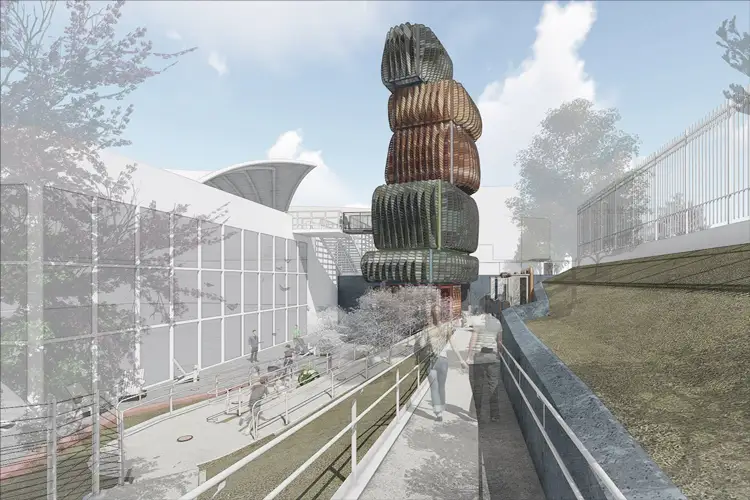
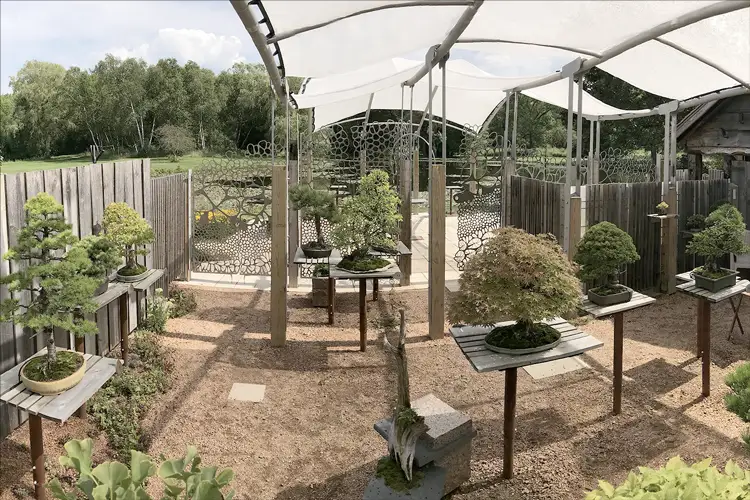
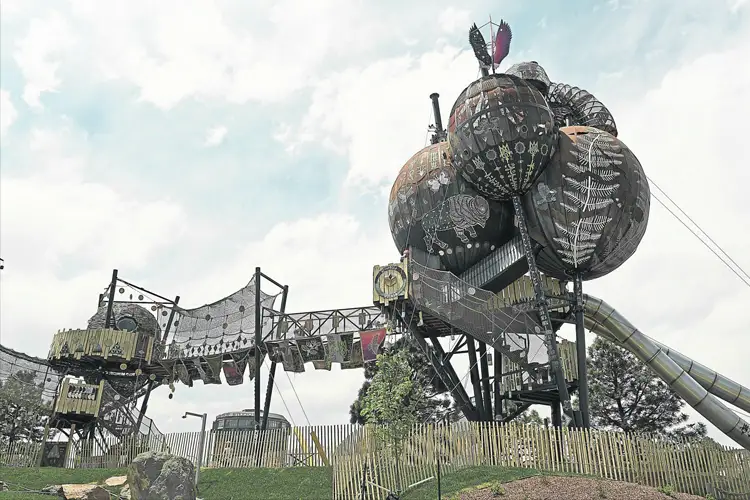
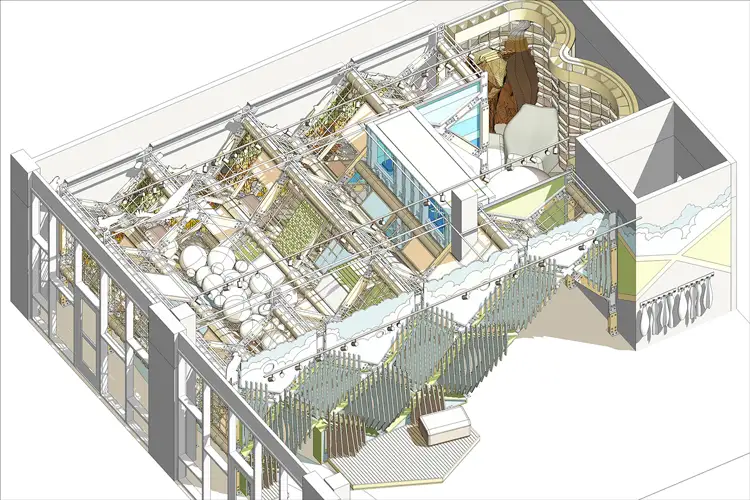
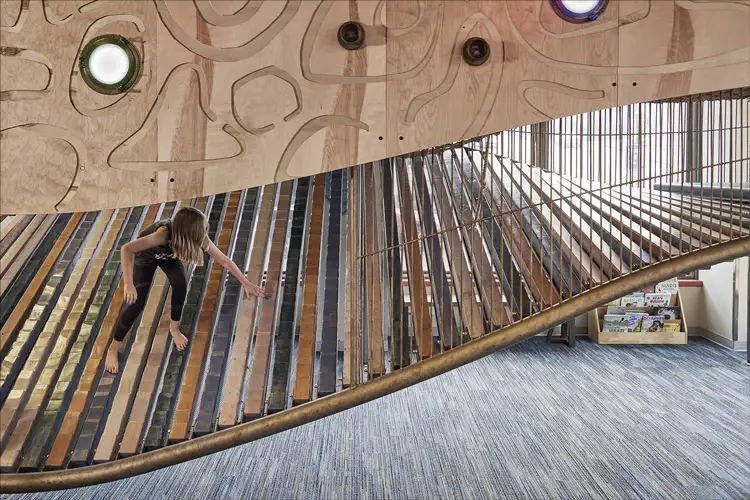
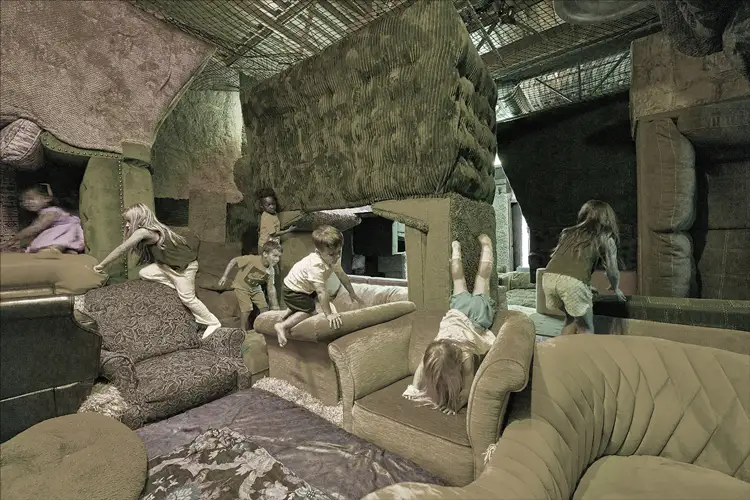
Through his professional design practice, Skyhouse Studio, Talbott designs monumental exploratory sculptures for children’s museums, science centers, and civic spaces. These immersive worlds of movement and discovery treat architecture as a playground for the imagination. Each project is a study in how built form can inspire curiosity in children while reawakening playfulness and wonder in adults. Skyhouse’s portfolio also includes museum master plans and sensory environments that examine how architecture can ignite a sense of expectant possibility and untamed adventure, even in an institutional setting.
Talbott’s Human Centered Architecture Studio extends that inquiry into communities undergoing disruptive change. The studio partners with small towns and neighborhoods on projects such as rural downtown redevelopment plans, regional shopping mall revitalization proposals, and studies of Accessory Dwelling Units and their cultural impact on suburban life. This work champions urban density and community space even in places where these have not traditionally been found, and it explores the emotional dimension of architecture, seeking to understand how beauty, belonging, and aspiration shape the experience of home and work. Students are encouraged to see people as fundamentally growing and seeking beings, driven not only by their current conditions but also by their desired futures. The studio examines how living in a place that reflects one’s core values and aspirations contributes to human flourishing.
A third strand of Talbott’s work focuses on game-based learning in professional practice education. He develops simulation tools that immerse architecture students in the ethical, managerial, and interpersonal complexities of real-world practice. This research reimagines how architects are prepared for leadership. It employs an approach to hands-on learning that integrates long-term planning, complex decision-making, empathy, and entrepreneurial experimentation.
Across these efforts, Talbott’s scholarship advances a vision of architecture not merely as a technical or artistic discipline, but as a deeply humanistic one. One that is capable of shaping meaning, cultivating joy, and expanding our capacity for wonder.
Links
Recent & Selected Works