Frequently Asked Questions and Answers about Naloxone (Narcan®)
What is Narcan®?
Narcan® is a life-saving medication that can quickly reverse an opioid overdose by blocking the effects of opioids, including heroin, fentanyl, and prescription opioid medications. It can restore normal breathing to a person whose breathing has slowed or stopped because of an opioid overdose. Narcan® is a brand name for generic naloxone.
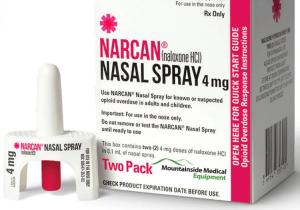
Can I get Narcan® on campus?
Yes. Narcan® boxes are installed in multiple locations on UWM campuses. The contents are free and available to anyone who might need, or think they’ll need, this rescue medication for themselves or someone else. Each box contains 1 Narcan® kit containing 2 doses of Narcan nasal. No one who accesses the Narcan® boxes is identified. The boxes are checked regularly and restocked in a timely manner.

Where are Narcan® boxes located at UWM?
Narcan® boxes can be found in the following locations:
- Each residence hall lobby area
- Golda Meier Library – 3rd floor elevator lobby and West 1st floor W187 near bathrooms
- Kenilworth Square East
- Klotsche Center– Atrium, across from the UREC Info Desk
- Northwest Quad Circle Drive/ Parking Garage Entrance
- Union – each floor by central elevator
- Union/Bolton Breezeway
- Union/Lubar Breezeway
- University Services and Research Building
- UWM Police Department
- UWM School of Continuing Education
- Saukville Field Station
- Student Health and Wellness Center – Northwest Quad-D 7th floor
- Zelazo Basement
- Zilber School of Public Health – 1st floor elevator lobby
Use this interactive map to find free Narcan on and around campus (including city of Milwaukee fire stations).
For more places where free Narcan® is available in Wisconsin, visit the Wisconsin Department of Health Services Dose of Reality website.
Why is Narcan® being made available at UWM?
Opioids continue to be the main cause of drug overdose deaths in the United States, including Wisconsin. The Wisconsin Department of Health Services Opioids Data Dashboards show the number of reported suspected opioid overdoses in Wisconsin and Milwaukee County. Fentanyl, a synthetic opioid, is the primary driver in the alarming increase in overdose deaths. According to the Centers for Disease Control and Prevention, most recent cases of fentanyl-related overdose are linked to illicitly manufactured fentanyl, which is distributed through illegal drug markets for its heroin-like effect. Fentanyl is being found in all types of drugs including cocaine, heroin, methamphetamine and other drugs. It is being pressed into illicit pills that are made to resemble prescription pills. Many people may be unaware that the substance they are using is mixed with fentanyl. Fentanyl-laced drugs are extremely dangerous – a tiny amount of fentanyl the size of 2 grains of salt can cause death.
By making Narcan® nasal spray more accessible, UWM enhances campus efforts and contributes to local and state efforts to support healthy communities, reduce harm, and prevent deaths related to opioid and other substance use.
Is Narcan® safe?
Yes, Narcan® is safe to give even if you’re not sure the person has opioids in their system. Some people might experience withdrawal symptoms after receiving Narcan®, which is unpleasant but not fatal.
How do you use Narcan® nasal spray?
If you think someone is overdosing, immediately call 911 (414-229-9911 on campus). Give Narcan® according to the instructions on the package. Stay with the person until emergency help arrives.Click here for signs of overdose.
Do I need training to give Narcan® nasal spray?
Narcan® nasal spray is easy to use, and it comes with step-by-step instructions for how to administer. Training on how to give Narcan® is not required but is available at UWM for anyone who is interested. To find a training session, go to the UWM Police Department Training Calendar.
Should I give Narcan® if I don’t know what the person has used?
Narcan® won’t harm someone if they’re overdosing on drugs other than opioids, so it’s best to use it if you think someone is overdosing.
Will Narcan® reverse side effects of any kind of overdose?
No. Narcan® can reverse only an overdose from opioids.
How long until Narcan® works?
It takes 2-3 minutes for Narcan® to work. If there is not response after 2-3 minutes, a second dose of Narcan® should be given. Rescue breathes can be administered in the time waiting for naloxone to take effect (in the case of absent breathing). The 911 dispatcher will talk you through the steps you should take while you wait for emergency responders to arrive.
Would a person completely recover from an overdose after receiving Narcan®?
Stronger opioids like fentanyl might require multiple doses of Narcan®. Also, Narcan® works in the body for only 30 to 90 minutes, therefore it is possible for a person to still experience the effects of an overdose after Narcan® wears off. For these reasons it is imperative to call 911 or 414-229-9911 (on campus) at the first sign of overdose.
Could I get in trouble for assisting someone who is overdosing?
Under the Wisconsin Good Samaritan Law, a person cannot be held civilly liable for a good faith effort to help in a life-threatening situation. State law also provides limited immunity from criminal prosecution for certain amounts of controlled substance possession and the possession of drug paraphernalia for a person who aids someone experiencing an overdose from a controlled substance. Under the UWM assistance policy, students who call for help, stay with the person, and cooperate with university officials receive some forgiveness from alcohol or other drug use citations and disciplinary action by the university.
What else is UWM doing to address the opioid epidemic?
UWM’s strong foundation of evidence-based prevention and education around alcohol and drug misuse has helped the campus respond to the opioid overdose epidemic. From confidential screenings and treatment to policy enforcement and healthy environments, UWM continues to adapt to students’ needs. For a look at strategies at UWM to support students and keep the campus community safe and healthy, visit the Student Health and Wellness Center Alcohol and Other Drugs website.
Where can I get more information?
National Institute on Drug Abuse – Opioids
Centers for Disease Control and Prevention Stop Overdose webpage
Wisconsin Department of Health Services Opioids Homepage
Where can I find help for myself or someone else who is struggling with opioid or other drug use?
Resources for support and treatment are available and people can and do get better.
UWM Student Health and Wellness Center 414-229-7429
Wisconsin Addiction Recovery Helpline 211 Call or text 211
SAMHSA’s National Helpline 800-662-4357