The AccSafety Dashboard is an interactive web-based tool designed to support the Wisconsin Department of Transportation (WisDOT) and partner agencies in visualizing and applying research-based pedestrian and bicycle count data. The dashboard currently integrates real-time and historical data collected through the Pilot Pedestrian and Bicycle Count Program, including short-term Eco-Counter deployments, long-term installations using Axis and Viva sensors, and legacy counts from trails and intersections across Wisconsin.
Users can explore count volumes, daily/weekly patterns, and location-specific insights through intuitive visualizations and summary metrics. The dashboard supports data-driven planning, safety evaluations, and exposure analysis for non-motorist infrastructure. By simplifying access to high-quality multimodal data, this tool bridges the gap between research outputs and real-world implementation advancing equitable and efficient transportation decision-making statewide
Pilot Pedestrian and Bicycle Count Program
The Pilot Pedestrian and Bicycle Count Program is a regional initiative led by the University of Wisconsin–Milwaukee (UWM) in collaboration with the Wisconsin Department of Transportation (WisDOT). While the current pilot focuses on Southeast Wisconsin, it is designed to lay the foundation for a future statewide non-motorist counting network.
This effort aims to improve the quality, consistency, and availability of pedestrian and bicycle volume data to support data-driven planning, safety interventions, and multimodal infrastructure development. The program integrates both new data collection efforts and historical short-term counts, including trail usage statistics and past pedestrian/bicycle counts collected by municipalities and regional agencies.
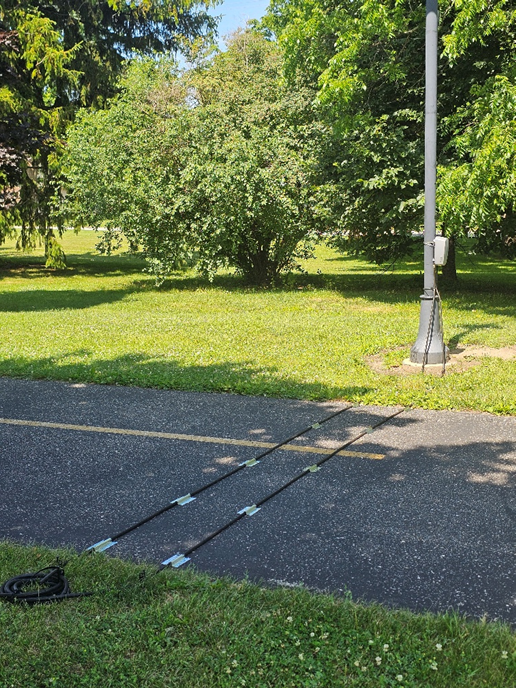
The project combines both newly deployed and historical data sources. Recent installations include Long term counters such as the Axis Q1656-DLE radar-video fusion cameras and Viva V2 sensors as well as Eco-Counter Mobile MULTI units used at rotating short-term sites. These were strategically placed across urban, suburban, and campus environments with input from a diverse Technical Advisory Committee (TAC).
This dashboard visualizes and manages the data collected through these efforts, serving as a powerful tool for transportation professionals, planners, researchers, and community leaders. By enabling better insights into non-motorist travel behavior, the platform supports long-term goals around safety, equity, and sustainable mobility across Wisconsin.
Access Dashboard